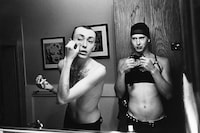
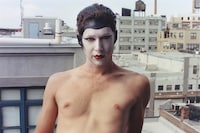
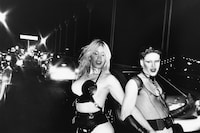
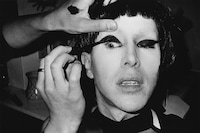
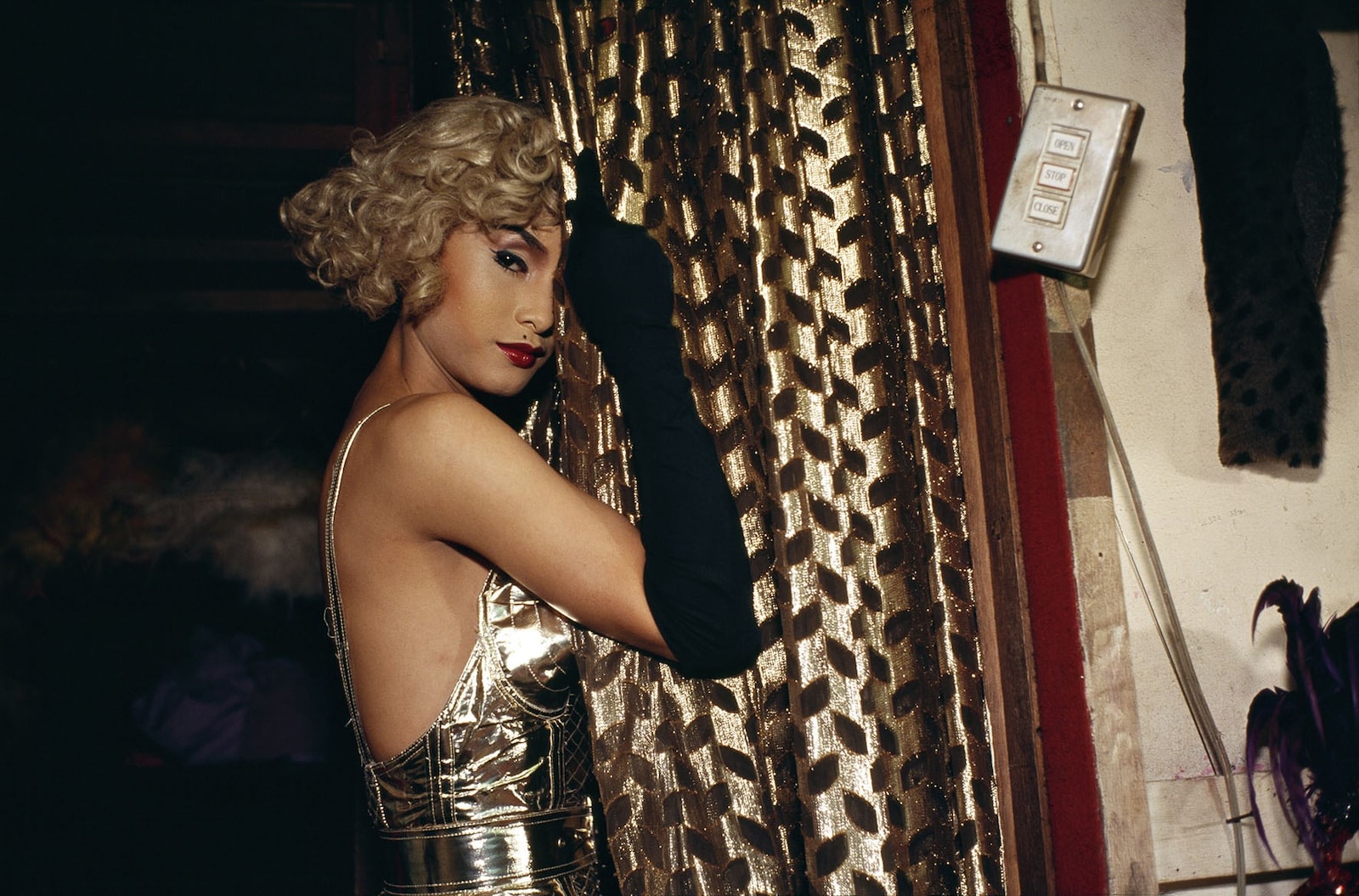
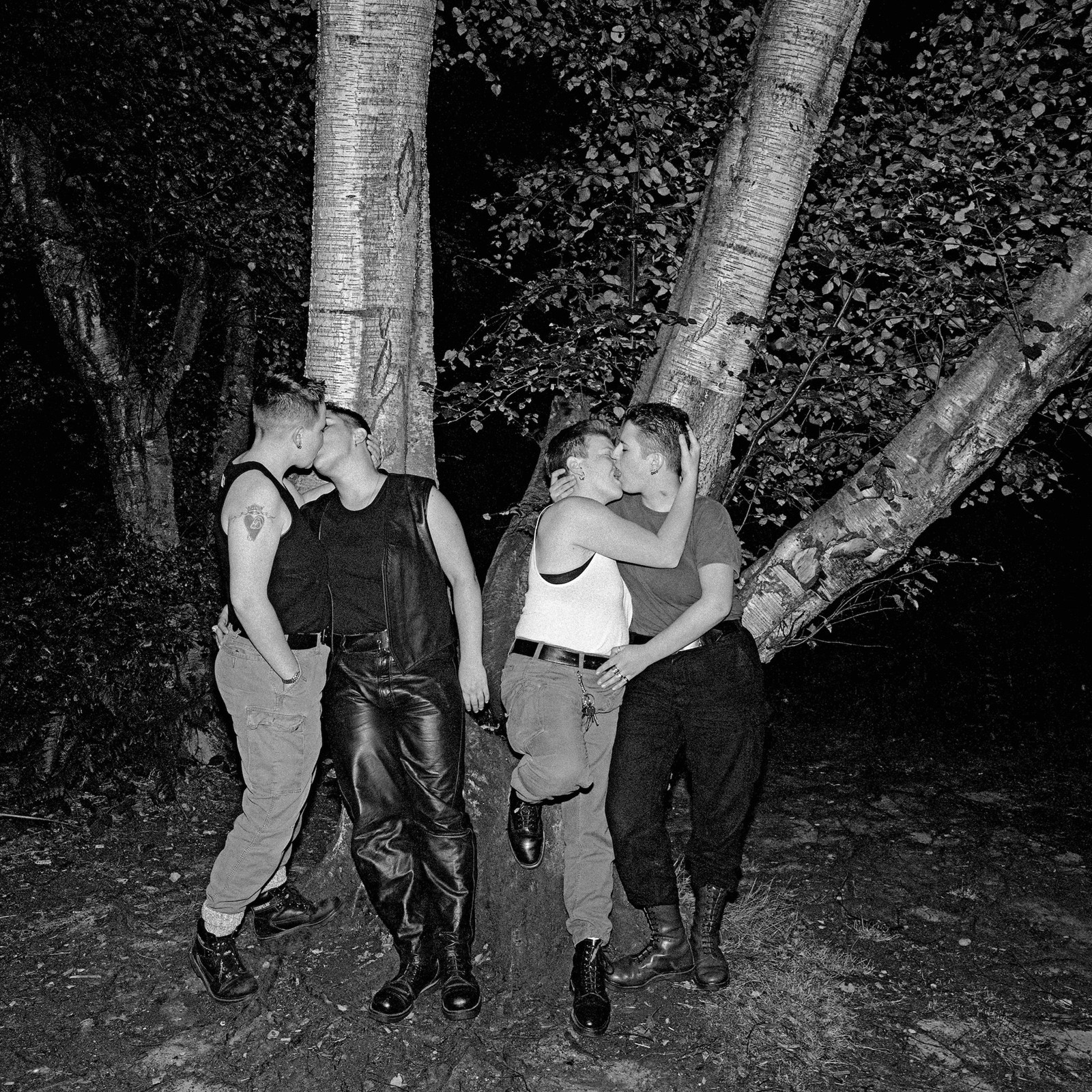
Photography byDel LaGrace Volcano. Courtesy of Climax Books
The Best Photos 2025: Portraits of Subculture and Community
From lesbian cruising on Hampstead Heath to families in rural Wisconsin, we revisit the ten most arresting studies of community published on AnOther this year
Lead ImagePhotography byDel LaGrace Volcano. Courtesy of Climax Books
Over the course of this year, AnOther has published several photo stories that journey into lesser-walked pockets of life, from Nan Goldin’s portraits of love and loss in New York to Del LaGrace Volcano’s after-dark images of lesbian cruising on Hampstead Heath, and Erin Springer’s gentle shots of family life in rural Wisconsin. Capturing moments of connection that might otherwise remain unseen, these works document how communities across the world – and indeed, through decades – are shaped by their own particular desires and customs, and most of all, a universal impulse to find where one belongs.
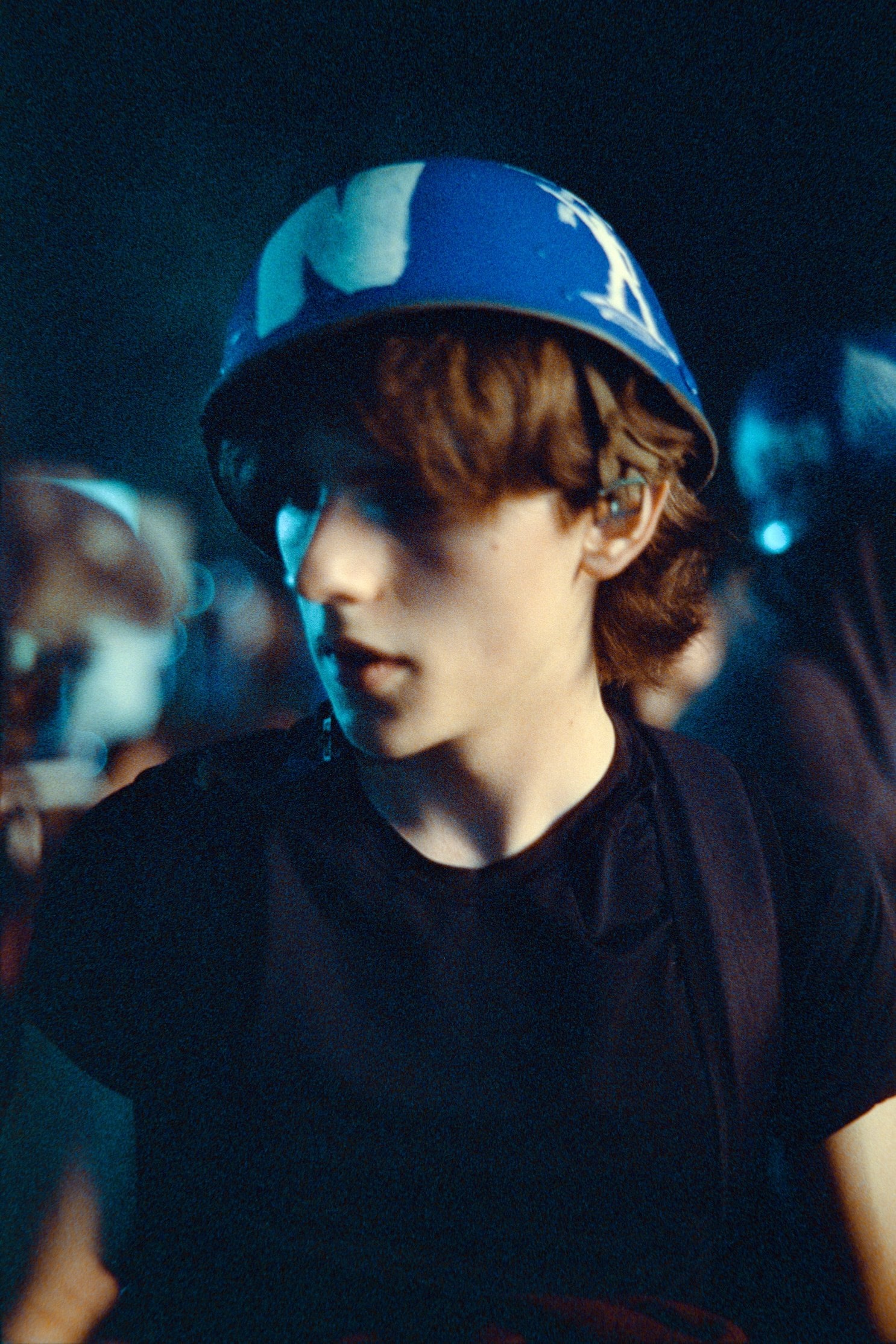
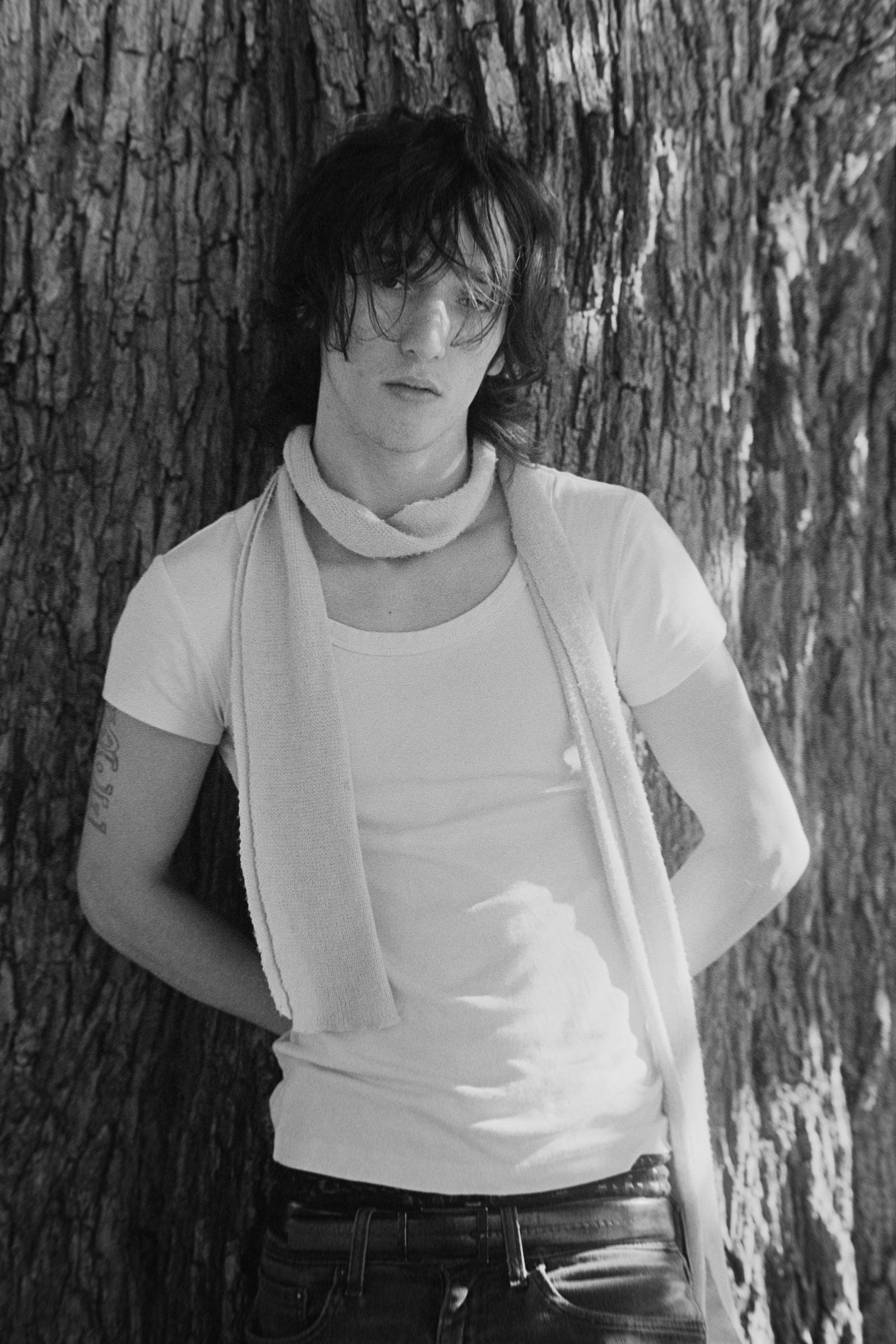
Leaving his native Texas to study photography at Parsons, New York, Nico Daniels noticed shifts in representations of masculinity from state to state. At a precarious time when outraged tabloids would have us all believe masculinity is imperilled, when abortion rights are being dismantled and young men are being radicalised online, Daniels sought to explore the vast, unwieldy question: What does modern masculinity in America look like? From twinks to cowboys and army cadets, this series of striking portraits, The New American Man, investigates manifestations of masculinity, tracing the nuances and variations between Houston and New York City.
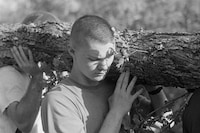
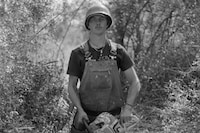
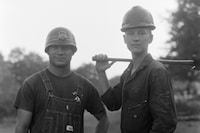
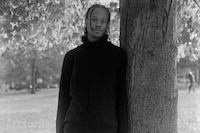
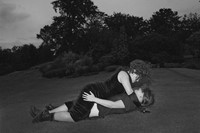
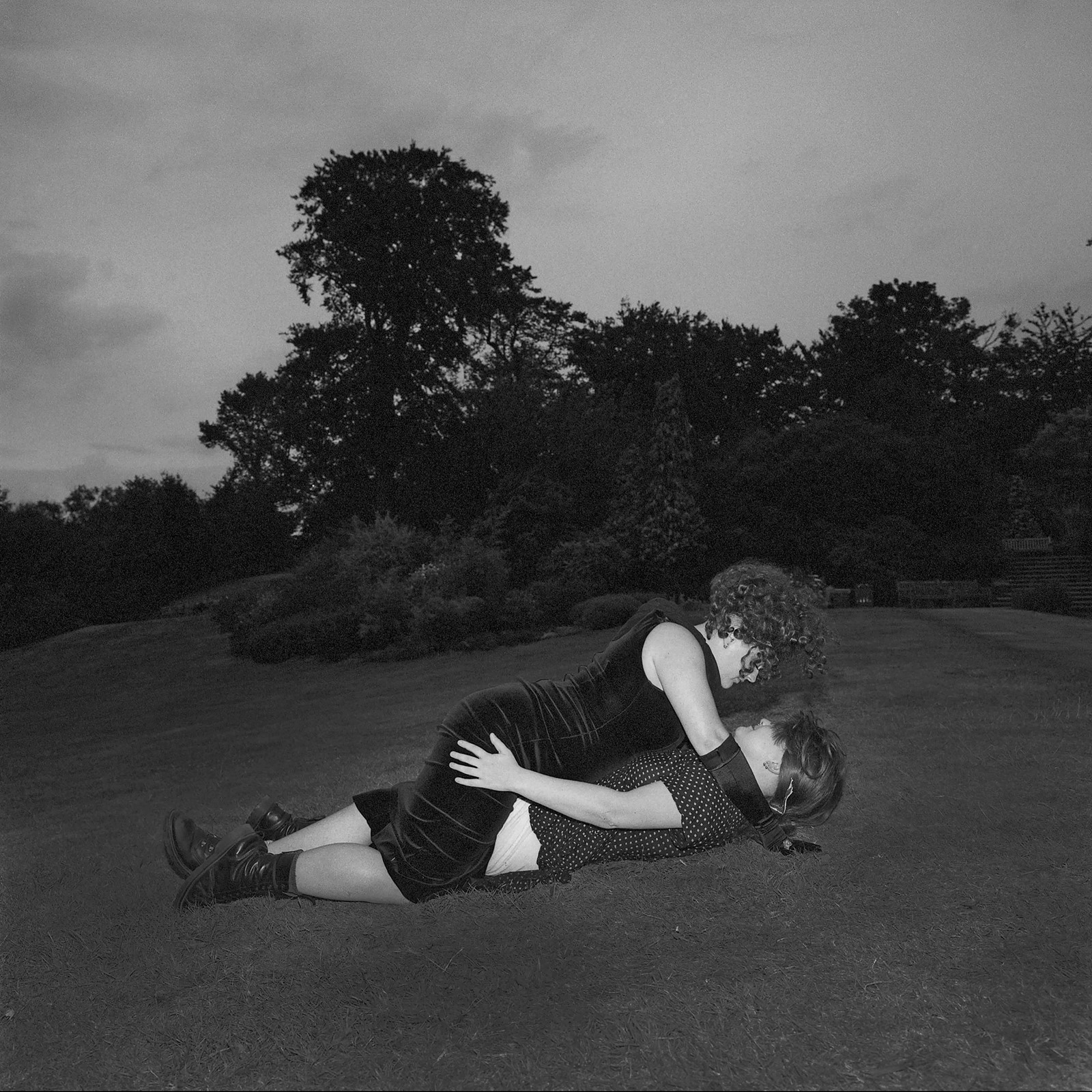
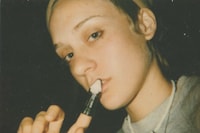
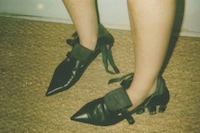
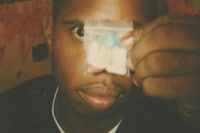
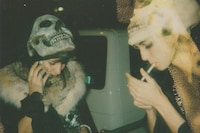
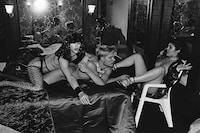
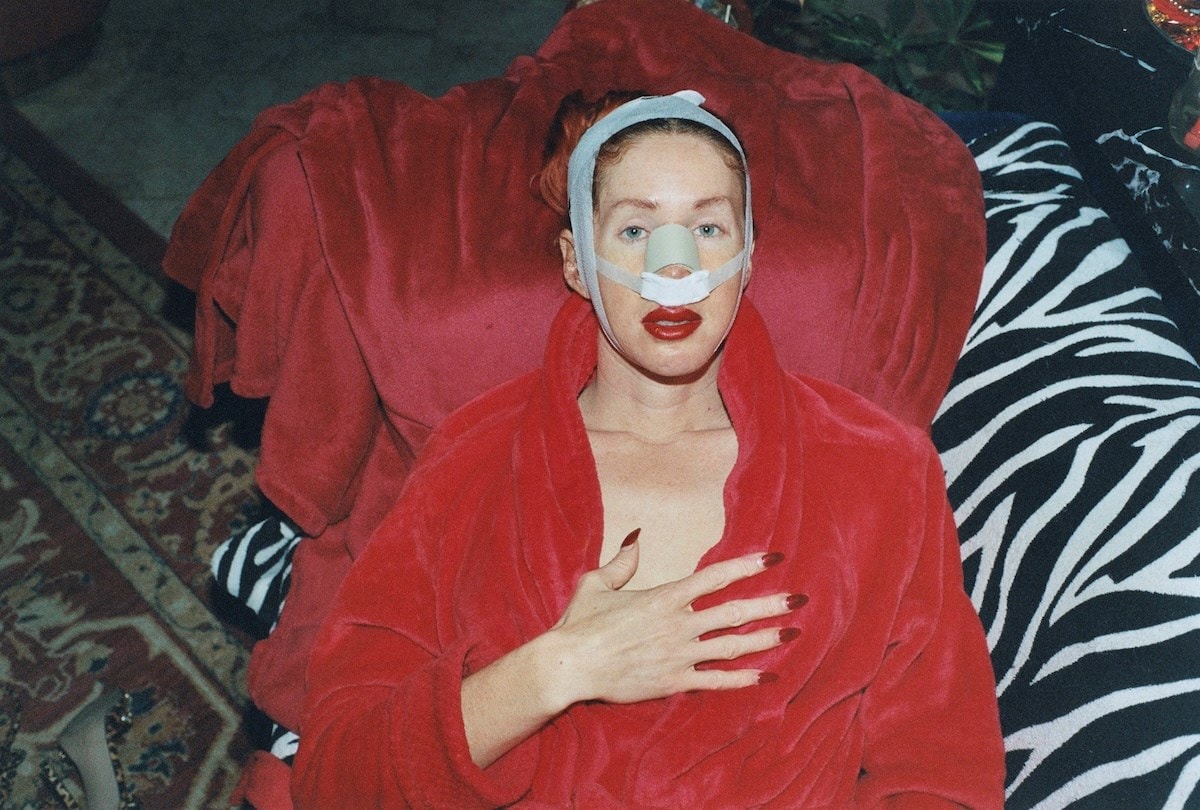
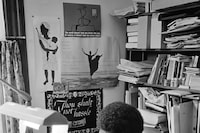
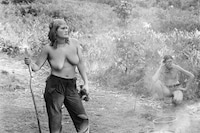
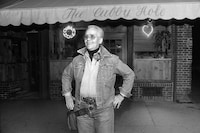
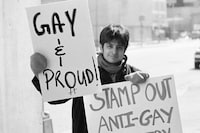
In the late 1980s, Del LaGrace Volcano was immersed in London’s lesbian underground, moving between queer S&M clubs in Vauxhall, protests against Margaret Thatcher’s Section 28, and the cruising grounds of Hampstead Heath. Their raw, sexually charged restaging of these after dark encounters in the north London park were published for the first time by Climax Books, forming a document of the characters, desires and entanglements of the city’s lesbian community. “What’s extraordinary about these cruising photos is that they’re staged, but they’re also real experiences,” the artist told Amelia Abraham. “I want to create a safe space for people to perform their fantasies. That’s what Queer Dyke Cruising was, a performance of a fantasy.”
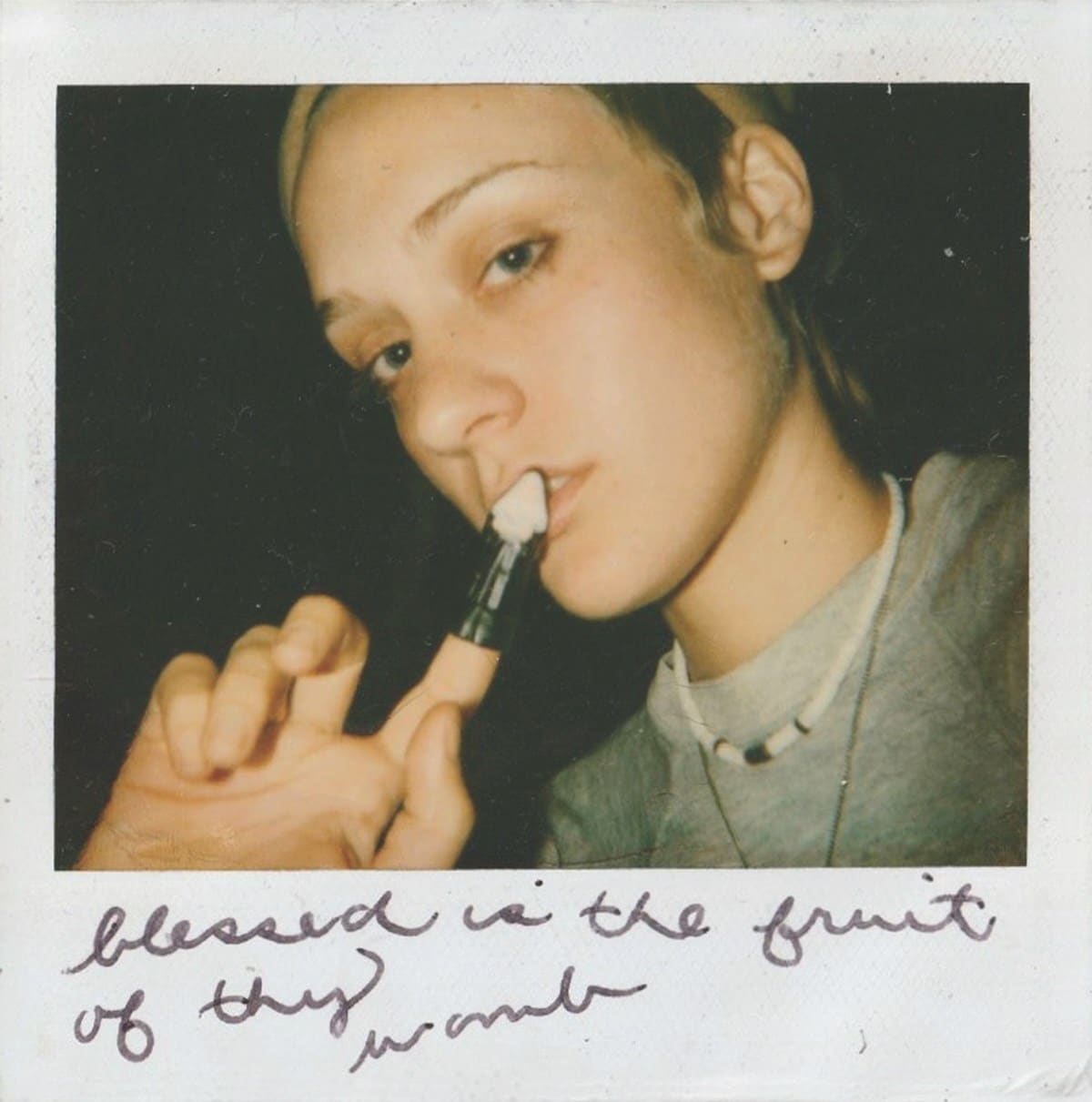
A new exhibition in Paris curated by Jeppe Ugelvig presented an intoxicating survey of the work of the late Dash Snow, who, before his untimely death aged just 27, captured the teeming energy of New York’s East Village at the crest of the 2000s, leaving behind an archive of adrenalised Polaroids, collages and zines. “This was the time of grunge, of Chloë Sevigny and films like Kids, which show this dirty, crumbling last bastion of Manhattan before it was developed and sanitised,” Ugelvig told Miss Rosen. “There is that moment where Dash, Ryan McGinley and Dan Colen are on the cover of New York magazine as these creative babies who have a foot in art but are largely cult-famous because of their street cred. That is something the art world wasn’t ready for.”
Dash Snow, Untitled, 2000-2009Courtesy of the Dash Snow Archive, NYC and Morán Morán. Featured in "Dash Snow: Carrion," curated by Jeppe Ugelvig. 21 October – 29 November, 2025. Morán Morán, Paris
In the mid-2000s, photographer Nick Haymes was approached online by Bailey – “an interesting character” who captured his attention, drawing him into her orbit and becoming his muse for the next 14 years. As their friendship developed, Haymes became enveloped in Bailey’s life in Los Angeles and her ranch in conservative Temecula (a sanctuary she founded for queer and trans people to gather and express themselves). Magnetic and mercurial, Dancing on the Fault Line tells the story of their mutual enchantment as well as charting the shifts and perpetual instability in Bailey’s life over the years. “You sort of measure time when you can flip through the book and see a little 17-year-old twink and then a 30-something-year-old woman,” Haymes told AnOther in an interview earlier this year. “The life that Bailey lives is sort of always teetering on something being cataclysmic or disruptive.”
In October, Violet Conroy wrote about the first exhibition dedicated to Nan Goldin’s work as a filmmaker. With a battle-cry of a title, This Will Not End Well at Pirelli Hangar Bicocca in Milan presented her 1985 magnum opus The Ballad of Sexual Dependency alongside a range of other films, including the heart-wrenching 2022 work Sisters, Saints, Sibyls. Offering a free dive into Goldin’s psyche and archive, and into themes of loss, drug abuse, sex and destruction that have long haunted her instinctive images of friends and lovers in New York and Boston, the exhibition underscored her decades-long dedication to preserving the people around her through the camera, and her rare ability to draw human warmth from the darkness. “When I started taking pictures, I realised that it was a way to make a real record of what I had actually seen and done,” Goldin once said. “It came from a very deep place, this need to record. It was all about keeping myself alive, keeping myself sane, and grounded.”
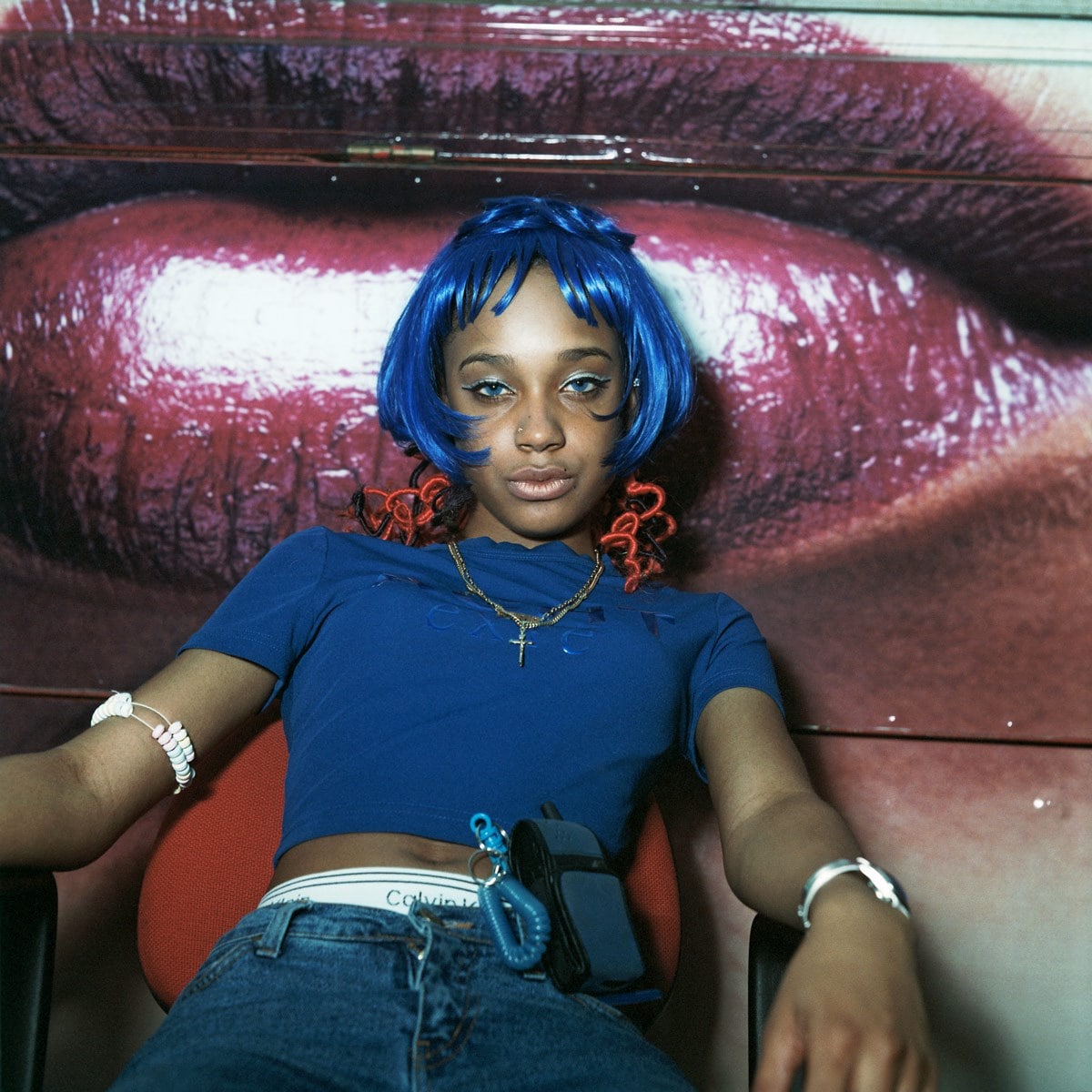
Eilen Perrier was a 19-year-old photography student fresh in the late 1990s, from her first visit to Ghana, her mother’s homeland, when she discovered the work of West African studio photographer Seydou Keïta and the tradition of African studio photography. In conjunction, these experiences and discoveries would forge and shape her photography practice forevermore. Creating her own makeshift studios by hanging backdrops made from brightly coloured fabric, she began taking portraits of family and friends who obliged her by dressing for the occasion in African dresses and suits. Soon, this developed into pop-up studios across London, where she would invite people to have their portraits taken. A Thousand Small Stories, her first retrospective, highlighted the deep roots of social engagement that underpin her sensitive and loving portraits of Black British life.
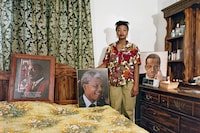
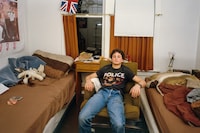
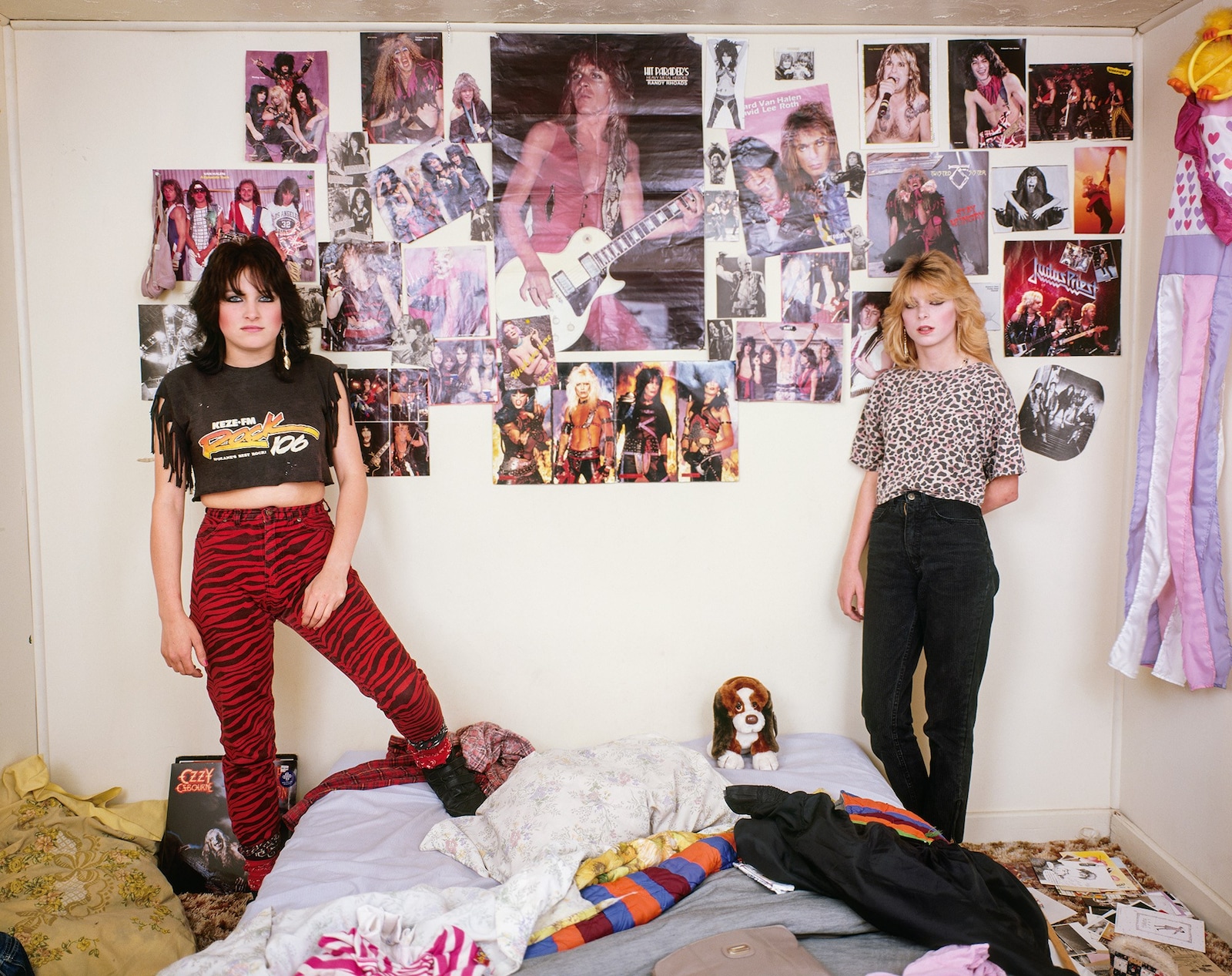
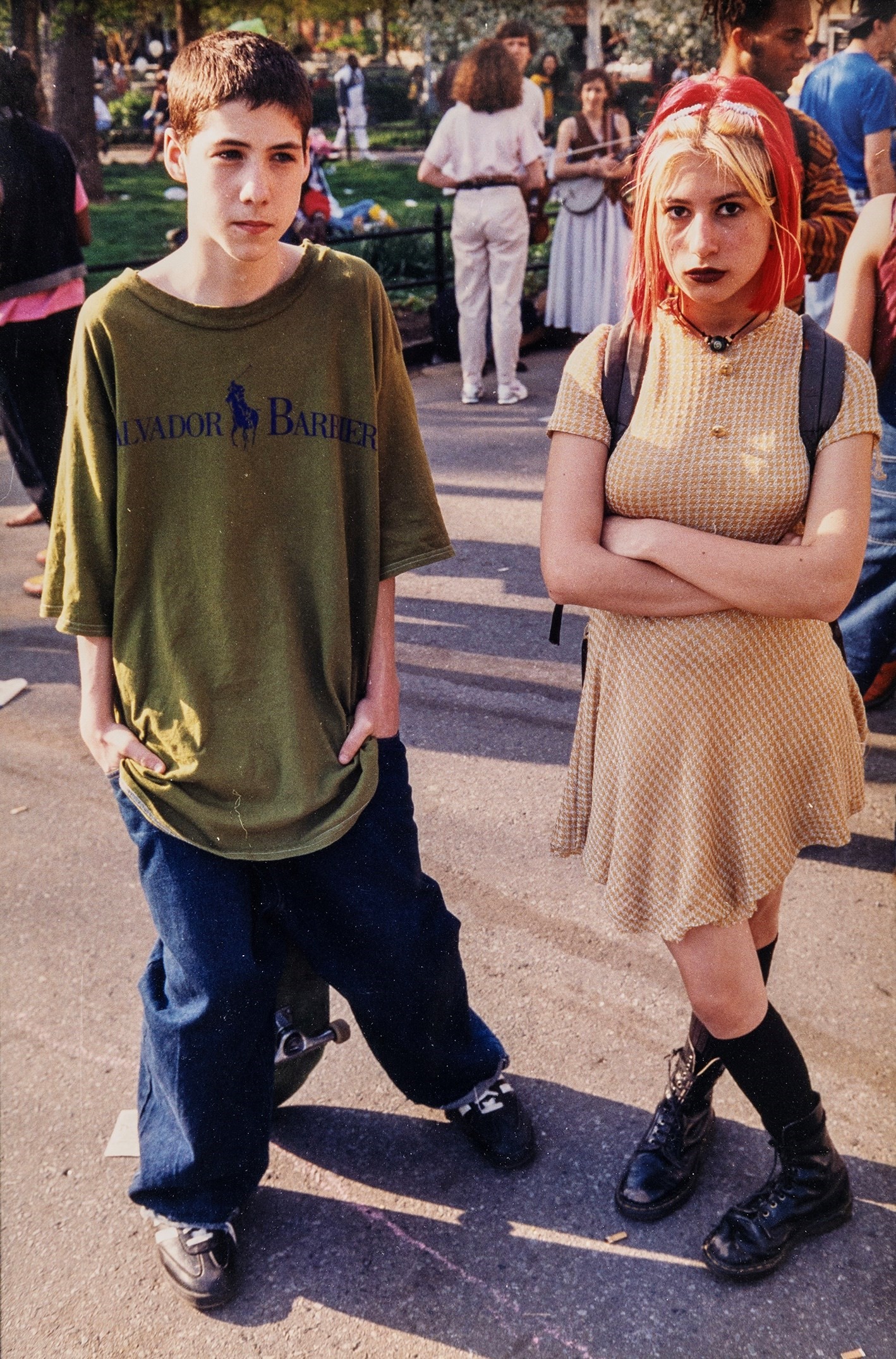
The images in Adrienne Salinger’s 1995 book Teenagers in Their Bedrooms are so deeply referenced and widely copied that even if you haven’t seen them before, you probably feel like you have. Capturing more than 60 young people up and down the Californian coast, her subjects gaze into the camera surrounded by the artefacts of their formative years: first communion mementoes, overflowing ashtrays, Thrasher magazines plastered on walls, and plush toys spilling from beds. As the book turned 30, Salinger released a special reissue of the project, adding further portraits of teenagers photographed across America in the years following 1995, alongside interviews with the kids. “The work was really about dismantling stereotypes,” she told AnOther. “At the time I started it, I felt strongly that nobody listens to teenagers at all, yet they’re very comfortable commodifying them. I wanted to let teenagers be who they really are.”
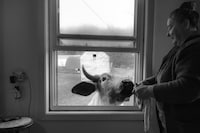
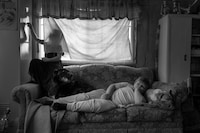
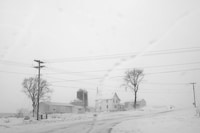
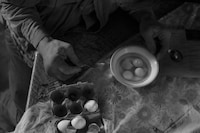
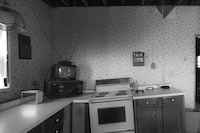
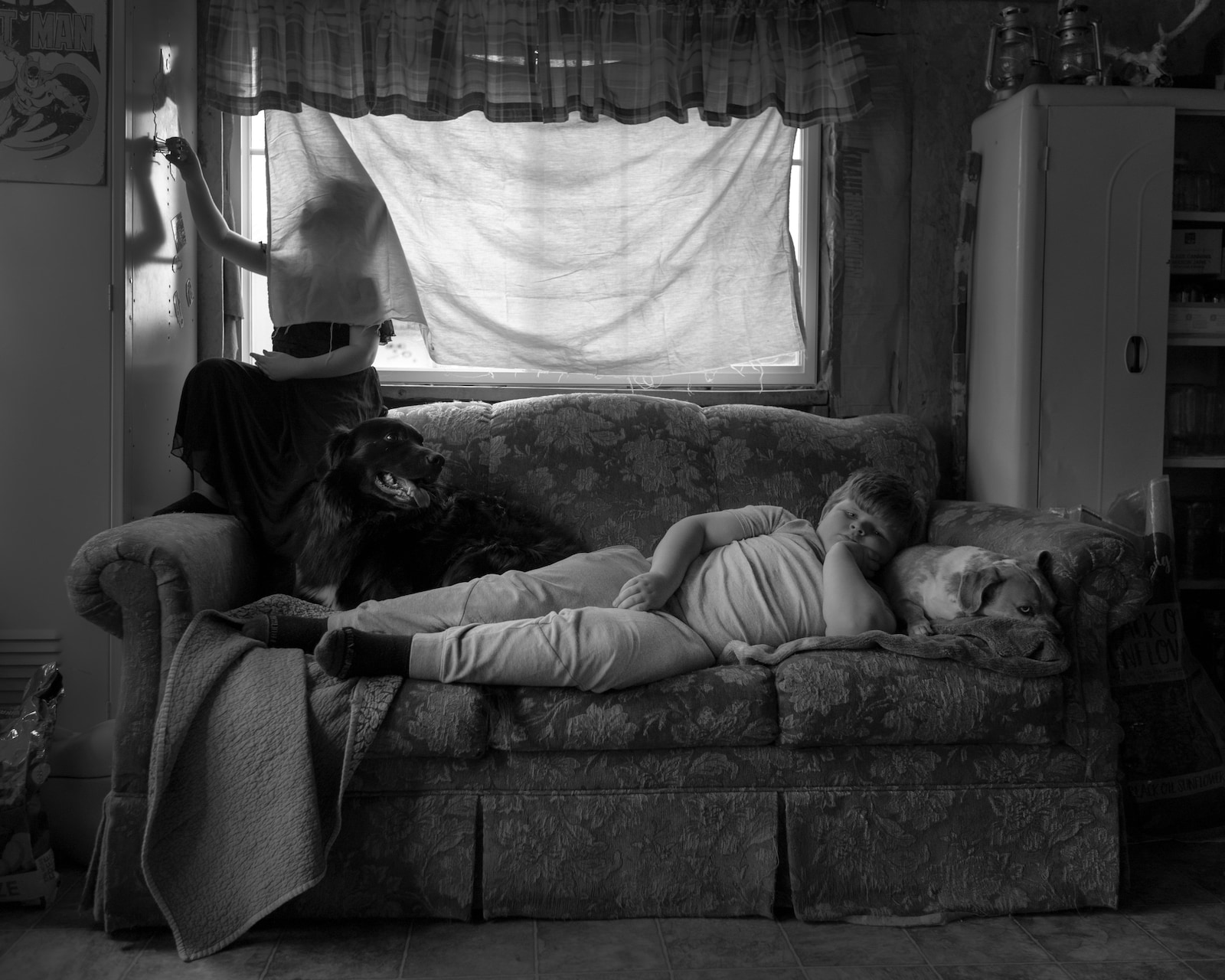
Huddling together for warmth and comfort; enveloped in layers and layers of clothing to keep out the biting cold, working the land; a pair of figures in the distance, tiny solitary forms in a vast, sweeping landscape. Erin Springer’s photographs of rural Wisconsin are deeply embedded in the daily life and experiences of her family and the agricultural community of her home state. Her connection to place extends into the past, as she unearths archive photography from the same region and presents it alongside her own, binding together our sense of past and present existing in the same shared space and the weight and continued presence of history and tradition.
30 years ago, at the age of 16, Leo Fitzpatrick took the scene-stealing role of the amoral teen skateboarder Kelly in Larry Clark and Harmony Korine’s Kids. Little did he know the cultural impact the film would have, or how controversial it would become. To mark its anniversary, Fitzpatrick curated an exhibition at Ruttkowski;68 in New York of Clark’s photographs taken on the set of the film. “At 14 [years old], I was already going to nightclubs,“ he told Violet Conroy. “The clubs didn’t serve alcohol, so you’d have 2,000 teenagers on acid or ecstasy, but nobody was drinking. By the time I made Kids, when I was 16, I was already straight edge.”
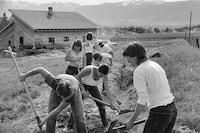
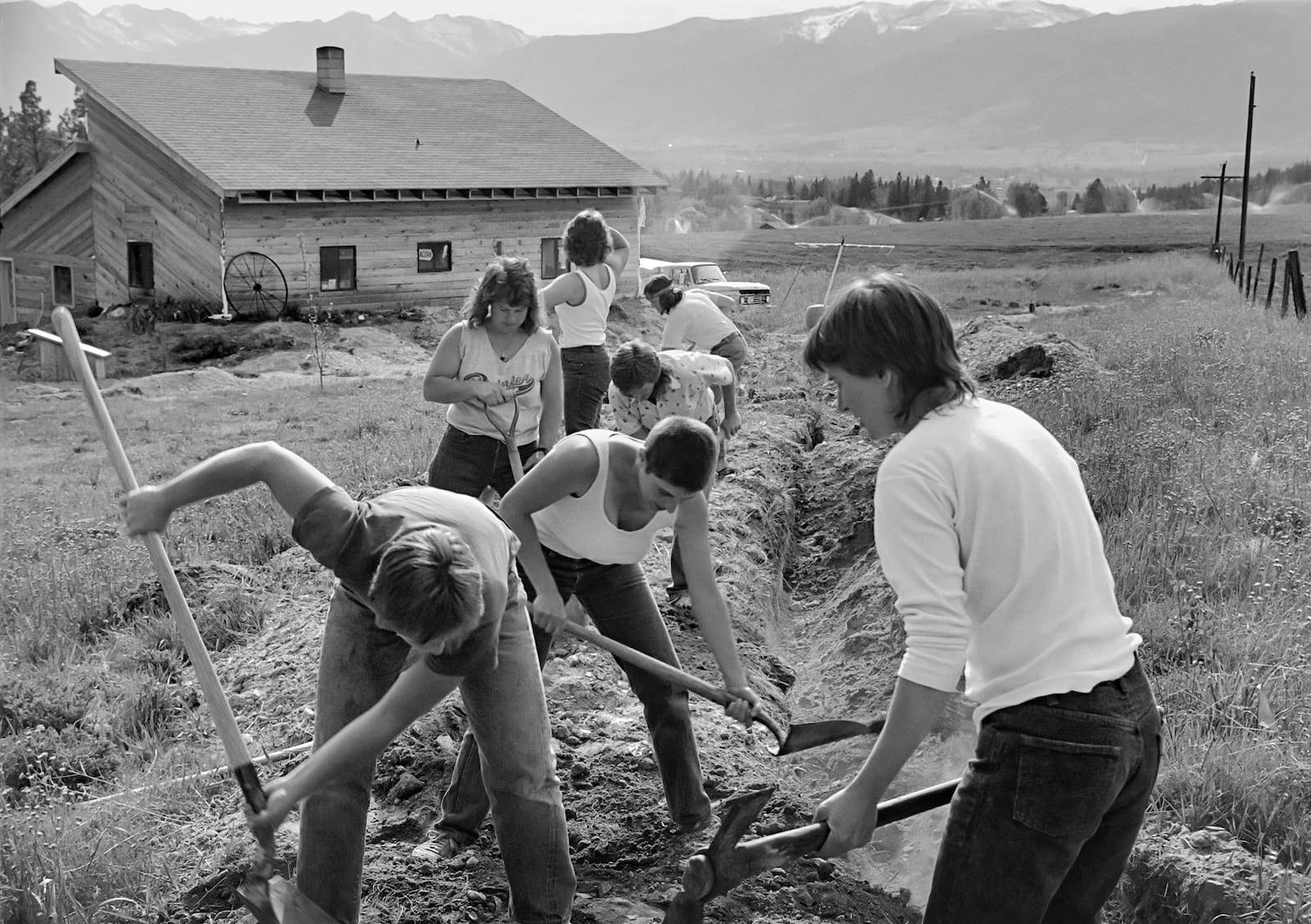
Originally published in 1987, Making a Way: Lesbians Out Front brings together JEB’s portraits of the lesbian community in 1980s America. Disrupting the male-coded vision of lesbians as toys for the pleasure of cisheterosexual men, JEB (Joan E Biren) devoted her photography practice to capturing lesbians in all walks of life – mothers, lawyers, artists, festival goers, professors, groups of friends, even Audre Lorde – engaged in activism as well as everyday moments. Not only do her photographs counteract stereotypes, they oppose the historical erasure that is so deadly to communities, particularly during the 80s when Reagan’s White House was failing to respond adequately to the AIDS epidemic. “With Making A Way: Lesbians Out Front, I want readers to meet lesbians who forged communities in the 1980s,” JEB told AnOther. “This book is an act of recognition and gratitude for those whose images and voices fill its pages. I hope that these fierce, beautiful women will inspire others to come together, stand up to tyranny, and fight for liberation.”
Boo Dawson, Pat Greytak, Mona, KD Dickinson, Mary Wildeman, and friends backfill a ditch in the Bitterroot Valley, 1987Photography by JEB (Joan E Biren)