
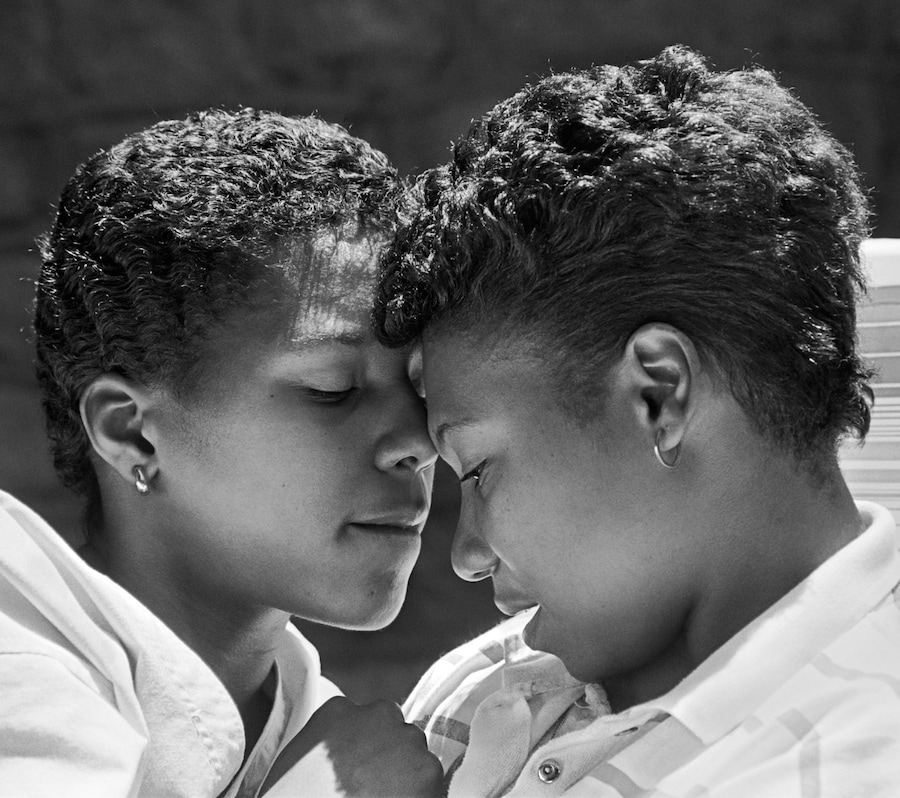
Forming a vital document of lesbian love and resistance, the artist’s cult book Making a Way: Lesbians Out Front is republished this June
For decades, lesbians have stood at the frontlines of the LGBTQIA+, women, and civil rights movements, their contributions marginalised or erased were it not for artists like JEB (Joan E Biren). Born of her own need to see lesbians, JEB turned to photography in the 1960s as a member of the Furies Collective, a short-lived radical lesbian separatist group. During the 70s, she began travelling America to attend Pride marches, demonstrations, and festivals where lesbians gathered in force, crafting the groundbreaking monograph, Eye to Eye: Portraits of Lesbians, first published in 1979.
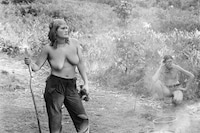
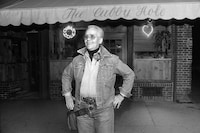
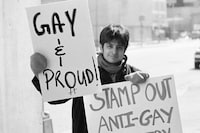
Until that point, “lesbian” was largely conceived as a construction of the male gaze, mapping cisheterosexual fantasies and phobias onto sociopolitical structures and pop culture archetypes. JEB’s intimate photographs stood as an act of joy and resistance, making visible a world of women hiding in plain sight in order to survive. To show the work, JEB toured the nation with Lesbian Images in Photography, 1850 to the Present, a slide show for women-only audiences that took on a more informal moniker: The Dyke Show.
In October 1980, JEB attended the First National March on Washington for Lesbian and Gay Rights alongside 100,000 Americans chanting “We are everywhere!” as they marched triumphantly through the capital. It was a shining moment that signalled the arrival of a powerful voice on the national stage, one that would only grow louder as the reins of power were being handed over to incoming President Ronald Reagan. Few could imagine that just a few years later, the community would reconvene at this very place for The Great March to confront Reagan’s White House for its role in facilitating the AIDS pandemic.

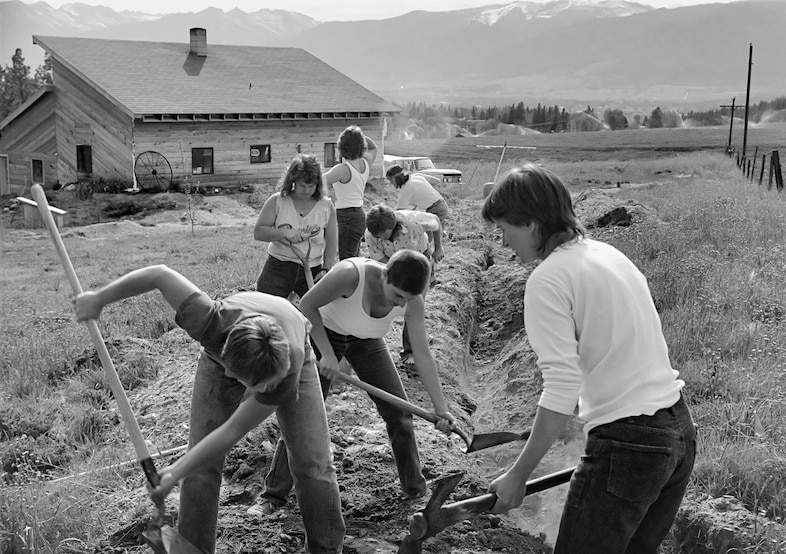
Facing the stark reality that silence equals death, many artists took direct action to stop a plague. Using these two historic events to bookend her work, JEB crafted Making a Way: Lesbians Out Front, a collection of intimate portraits and personal testimonies by women she met throughout her travels across the nation during the 1980s. First published in 1987 and reissued by Anthology, Making a Way is a celebration of lesbians as individuals and archetypes, as family, friends, colleagues, and comrades who forged their own paths as elected officials, spiritual leaders, factory workers, filmmakers, musicians, poets, and bon vivants.
JEB’s portraits overflow with a profound well of love, trust, and respect that comes from seeing and being seen. “With Making A Way: Lesbians Out Front, I want readers to meet lesbians who forged communities in the 1980s,” JEB says. “This book is an act of recognition and gratitude for those whose images and voices fill its pages. I hope that these fierce, beautiful women will inspire others to come together, stand up to tyranny, and fight for liberation.”

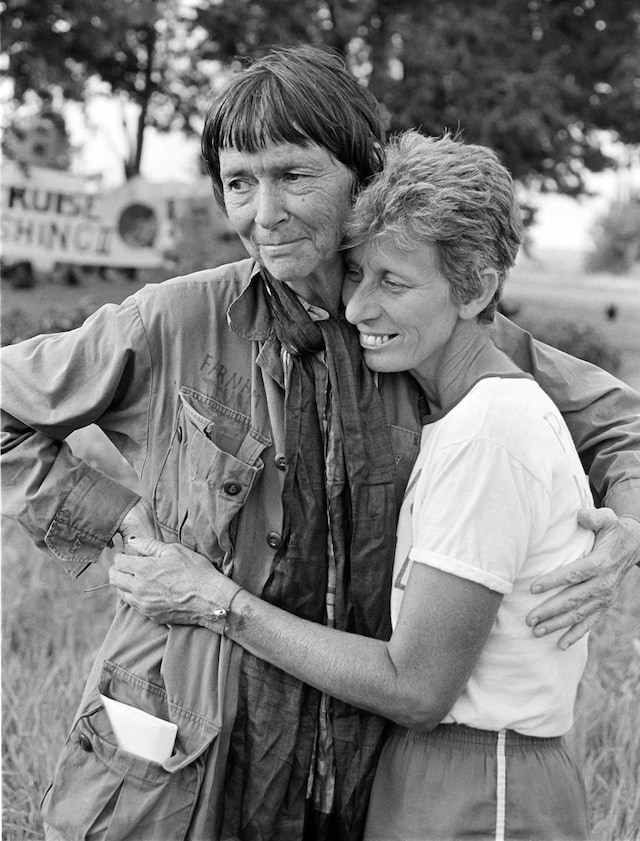
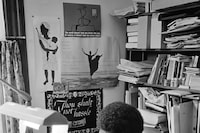
In one photograph, Patte Martin – the owner/director of the Women’s Health Center in Orlando, Florida – faces down a white man who has been picketing outside her clinic every week for three years, hoping to intimidate anyone seeking and providing safe abortions. In another, Audre Lorde, the trailblazing writer, activist, and educator to whom JEB dedicates the book, sits at her desk, a beacon of calm amidst a storm of papers, lost in thought under a poster advising, “Thou shalt not hassle.”
It’s foolproof advice. “For the master’s tools will never dismantle the master’s house,” Lorde wrote in an eponymous essay, excerpted briefly in the book. What is needed then is a paradigm shift from reaction to direct action exemplified by Stormé DeLarverié, the groundbreaking Black lesbian drag king and activist who graces the book cover. Then 66, DeLarverié, who threw the first punch at Stonewall, stands before JEB, her eyes beaming with pride as she looks to the promise of better days ahead.

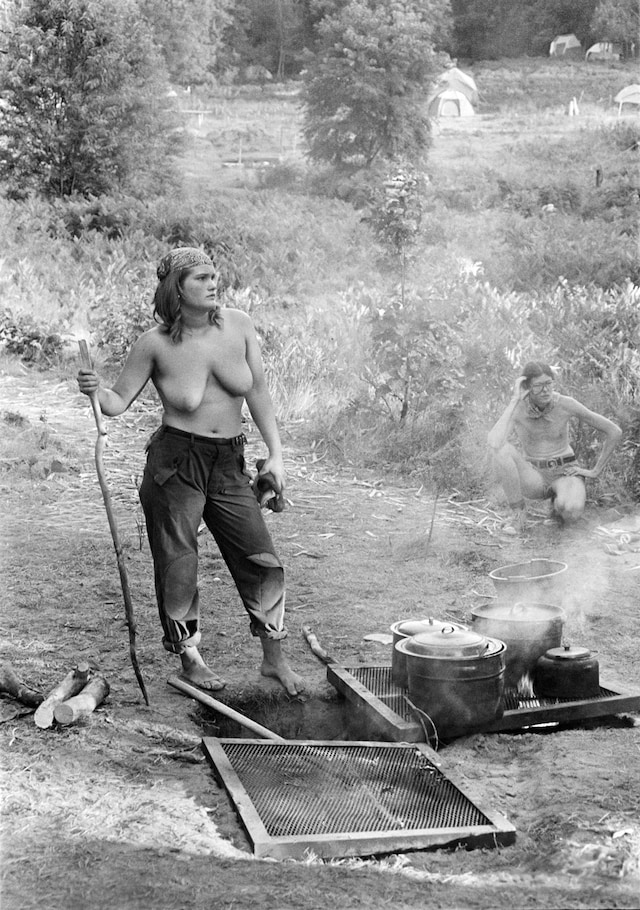
In Making a Way, every photograph becomes a portal into lives of strength, courage, determination, and creativity. Amie Laird stands topless and shoeless, wood staff in hand, hair neatly collected in a bandana as she tends to a fire at the 1983 Michigan Womyn’s Music Festival. “There is a part of yourself that is uncovered when working a womyn’s music festival that can never honestly be denied. It is that part that identifies and strengthens the core of what it means to be female,” Laird told JEB. “This society, this patriarchy, its institutions have prefabricated an identity for us as women, in which nothing is fair and very little is true. But I refuse to deny myself the pleasures of creating my own identity as a woman.”
Making a Way is a reminder that there are many paths to the same place, like spokes on a wheel conjoined in a shared path to liberation. For JEB, it is born of love, nothing more, nothing less. “I believe that love – both giving it and receiving it – is a source of the strength and energy we need to heal ourselves and the world,” JEB says. “I find this love in community. Community is where I find joy. It sustains my creativity and fuels my activism.”
Making A Way – Lesbians Out Front is published by Anthology, and is out now.
