
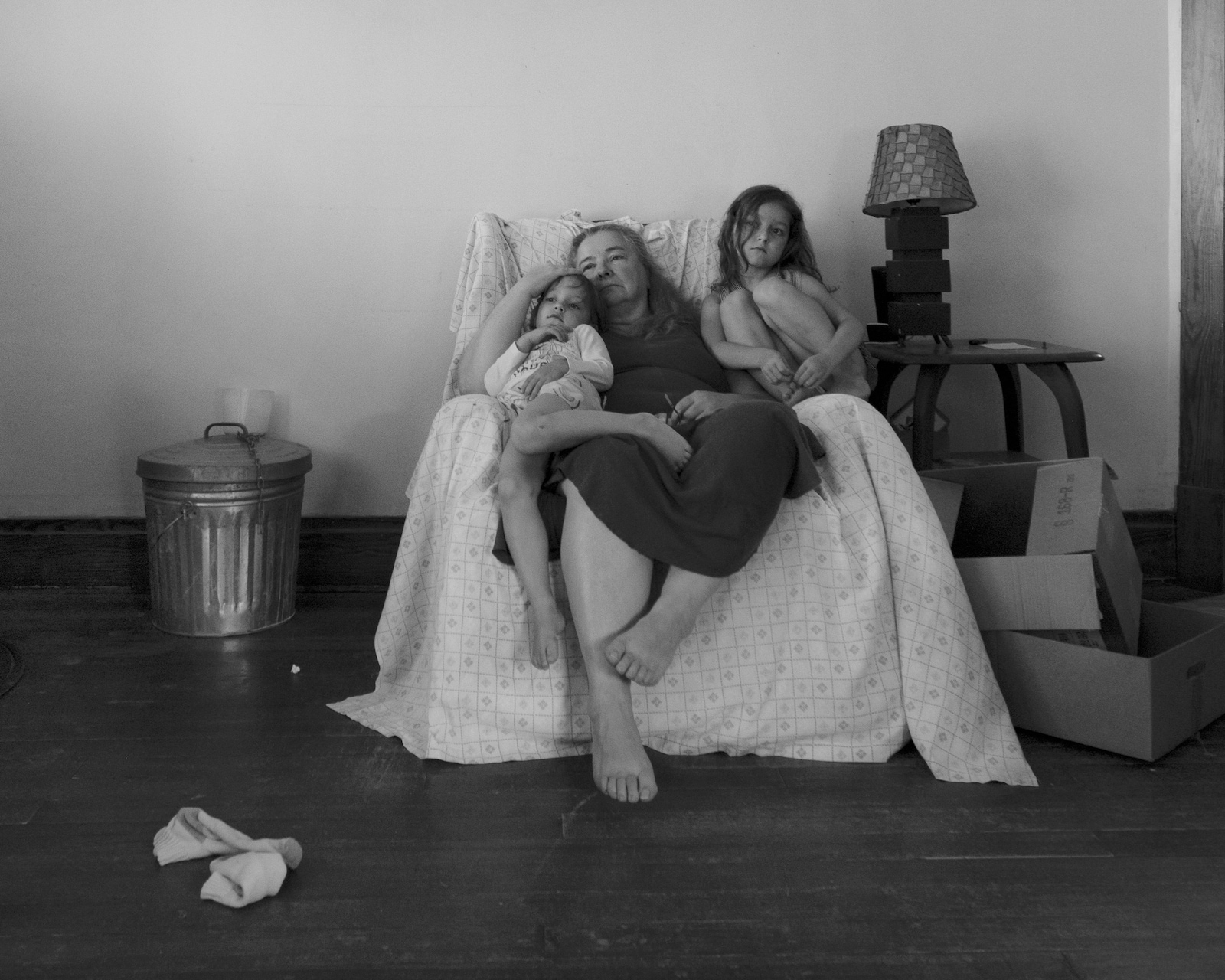
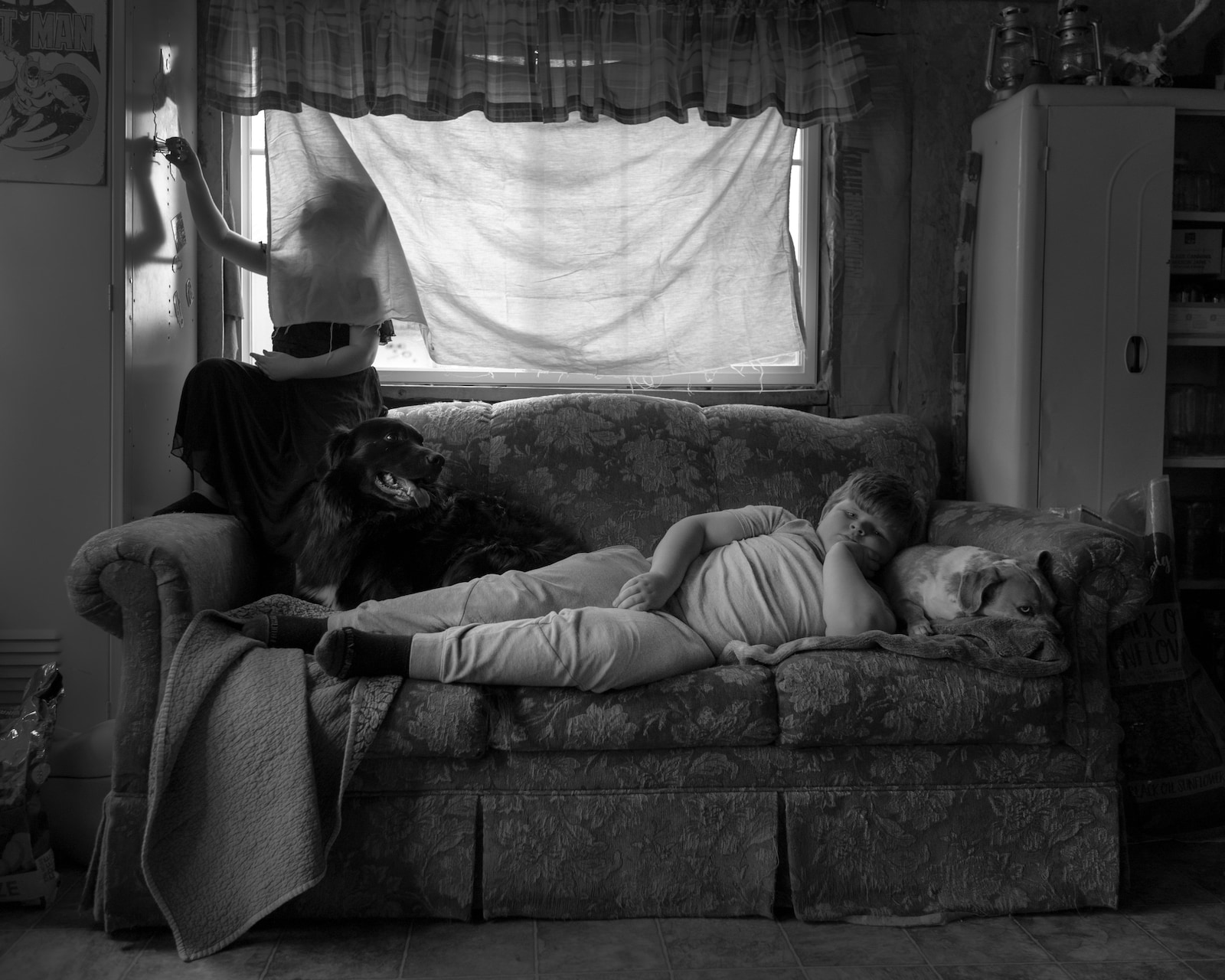
Erinn Springer is an American photographer based in Wisconsin. Her work, mostly made in her home state, explores memory and mortality through the relationships between people, nature, imagination and reality. Dormant Season, first published as a book by Charcoal Press in 2023, is now presented as an exhibition at the Museum of Wisconsin Art. Springer’s “exploration of the contrasting realities of an evolving agrarian world” features photographs of her family, extended community and the mundane aspects of rural life, presented alongside family archive images created in the same region.
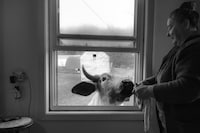
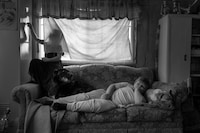
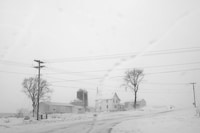

Below, Erinn Springer speaks about the role of family and personal narratives in her understanding of place, her interest in the “quiet, subtle” moments of life in Dunn County, and her recent collaboration with Bon Iver.
Adam Murray: The work in this exhibition was made in Dunn County, Wisconsin. Is this where you grew up?
Erinn Springer: Yes, I grew up there. Both sides of my family have lived there or in the surrounding counties for generations. Recently, I was reflecting on how, when different generations of a family have lived in a specific place, even the storytelling that comes into your mind as a child is very much rooted and has a distinct perspective. The storytelling I experienced really informed my understanding of place on a deeper level, besides just growing up there.
AM: Often, one’s understanding of place is informed by visual culture, photography, art, and film. But are you suggesting that your own understanding has been much more informed by family and personal narratives?
ES: I wasn’t really exposed to other photography until I started to make this work. I lived away from Wisconsin for almost ten years, then when I started coming back home, there was a deep familiarity with this place, but it also felt foreign to me. To begin with, I just started by making photographs of my family. It felt like it had some kind of significance to me that I maybe didn’t understand intellectually, but my heart felt a certain way about these different scenes.
I think my understanding of place is from storytelling and experiencing the place through my family. My mum was a first-grade teacher in the small town where I went to school. She was there for almost 40 years, so she taught generations of families. As I’ve gotten deeper into my own work, trying to make sense of it all, I’ve recognised that the process is similar to the way that my mum connects with people. She has a deep knowledge of people and families; she understands the best way to teach them or nurture them as children. I realised that the way I approach people, see them or understand them in my own work, is directly linked to my mother’s work.

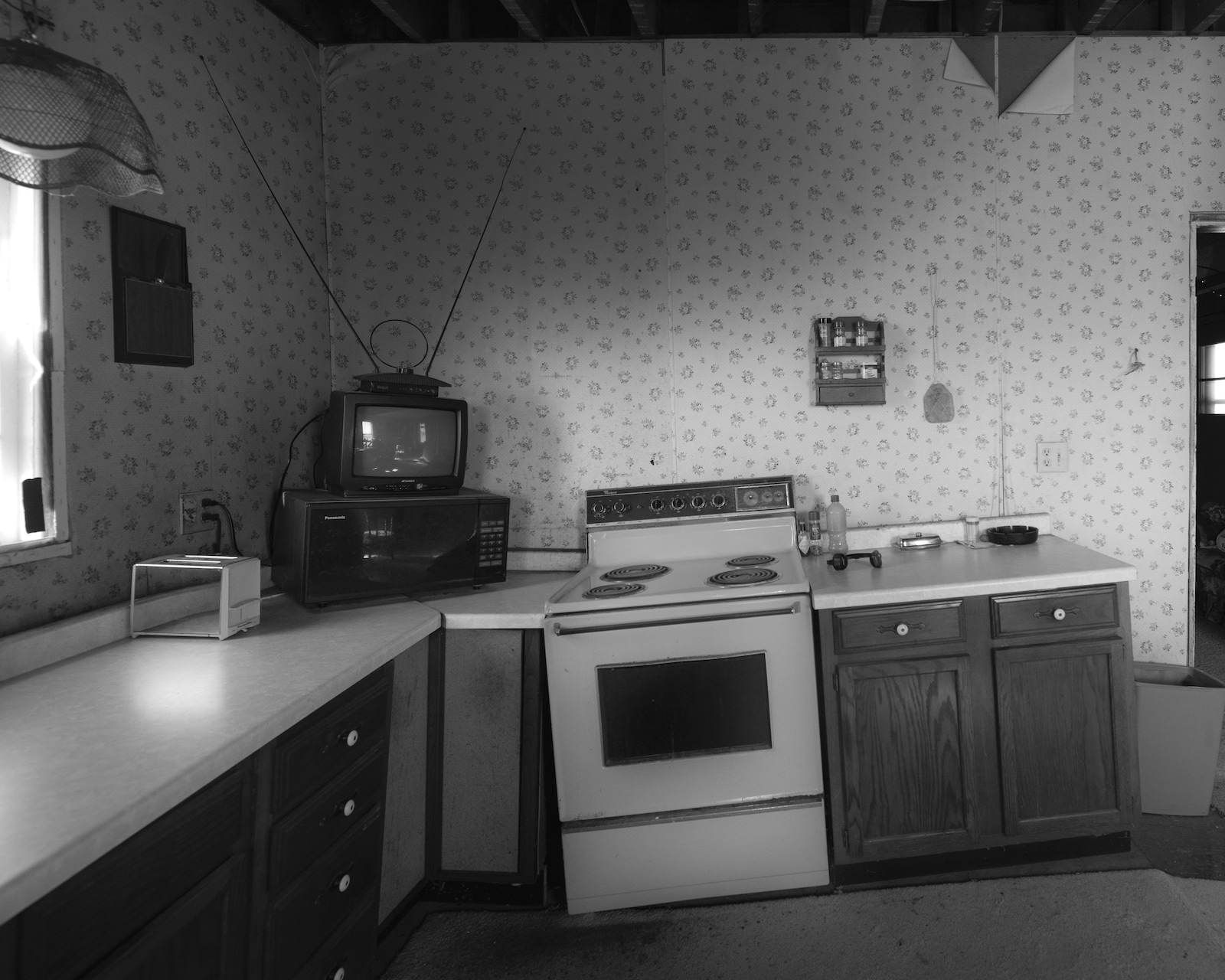
“Photography is often used to record life’s grand moments, but I’m interested in the quiet, subtle moments. I think that can be a new experience for people” – Erinn Springer

AM: How has your relationship with this area developed throughout your life?
ES: It’s complex, because as a kid – and I think this is a common experience – all I wanted to do was to do something different, to go out and experience the world. I wanted to have stories from faraway places. There’s a fantastic Emmet Gowin quote something along the lines of, any place is exotic to someone, it just depends on who’s looking at it. Coming back to Wisconsin later in life, I totally understand that. It took some time for me to leave, then return home to understand that I didn’t need something different to make work. As a kid, you experience things without thinking about it, the place just exists. As an adult, I can dig deeper.
AM: You photograph your family and extended community. How did people respond when you started bringing photography into these relationships?
ES: A lot of my photographs are very mundane, so when I approach someone to photograph, there’s often a curiosity about why I would want to photograph [them] – there’s a little scepticism but not in a negative way. Photography is often used to record life’s grand moments, but I’m interested in the quiet, subtle moments. That can be a new experience for people, and it can be quite confusing at first, which I totally understand. Now that I’ve been doing this for a while, it is resonating more with people, and they are starting to call me about things I might be interested in. They’re becoming part of the search, part of the game.

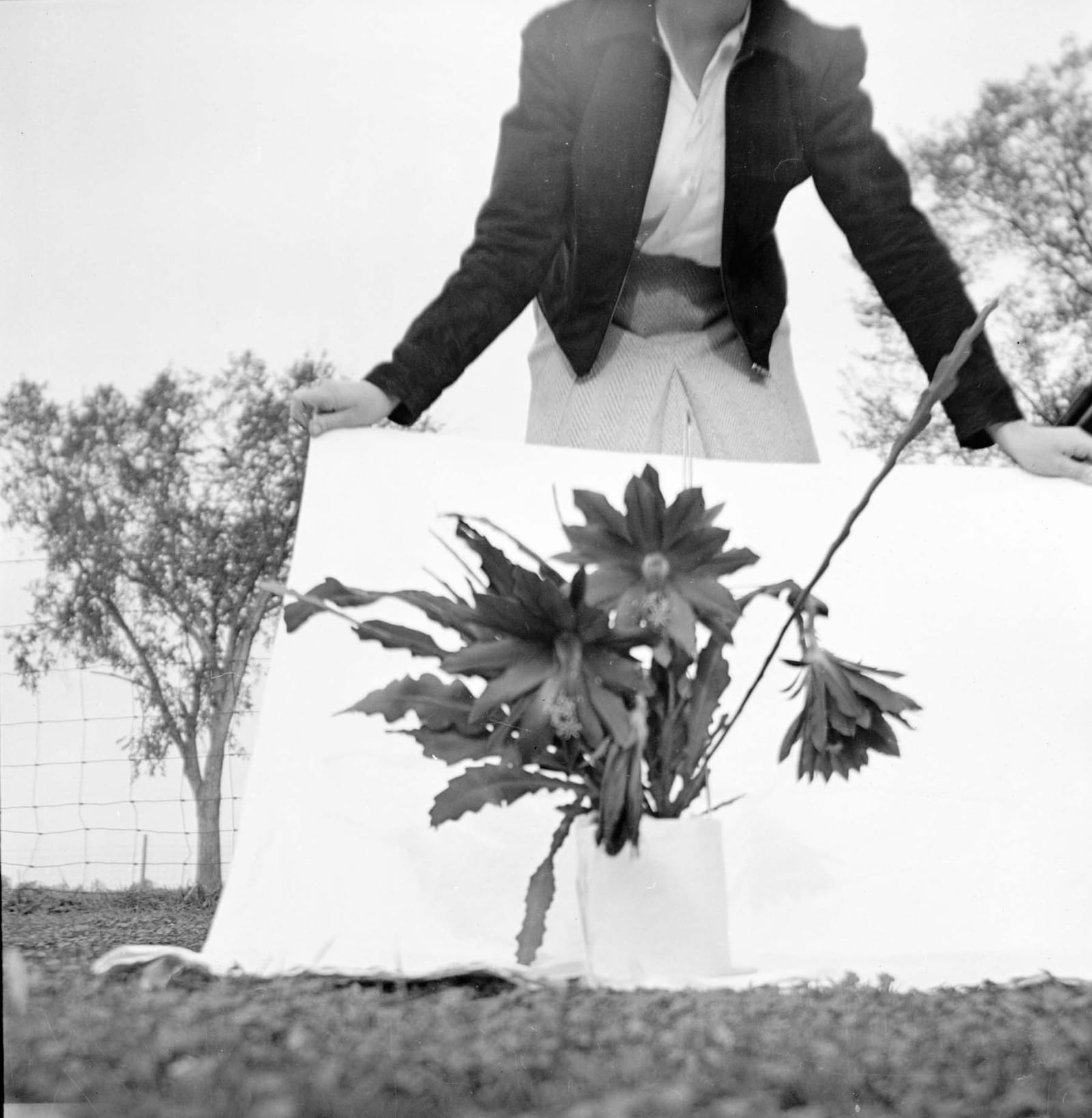
AM: You have also chosen to include family archive photographs in the exhibition, which were not in the original book. What was the intention with this?
ES: I was thinking about artefacts that could give the exhibition a different dimension and I had heard whisperings at different family gatherings that a distant relative on my mum’s side was also a photographer. Her name was Stella Gould and, from what I know, she lived alone on a small farm and supported her farming life by doing portrait photography. When I started to look through her archive, I noticed that alongside the commissions, she was using the camera very creatively. I don’t have a lot of information about her, but I was thinking about how my work could be considered an extension of these photographs. The MOWA show will have her work alongside other general family archival photographs.
AM: In 2024 you collaborated with Bon Iver on a series of films for their EP Sable. How have you started to apply your work in a more commercial context?
ES: Justin [Vernon] had a copy of my book; I think his dad gave it to him as a birthday present. We grew up and currently live close to one another, but didn’t know each other until recently. He reached out after seeing my book and we immediately connected and became great friends. This is my own perception, but it seems like he and I absorb experiences and emotions in a similar way. I use a camera; he’s using music and words. The way we understand the world to be, and the soul of the work, comes from the same place. It was an organic collaboration – he found me because of my work, I was already so familiar with his work, so it just felt like a very special alignment.
Dormant Season by Erinn Springer is on show at the Museum of Wisconsin Art from 21 June – 14 September 2025.
