
With titles by the likes of Joan Didion, Constance Debré and Chris Kraus, here are ten books not to miss from 2025

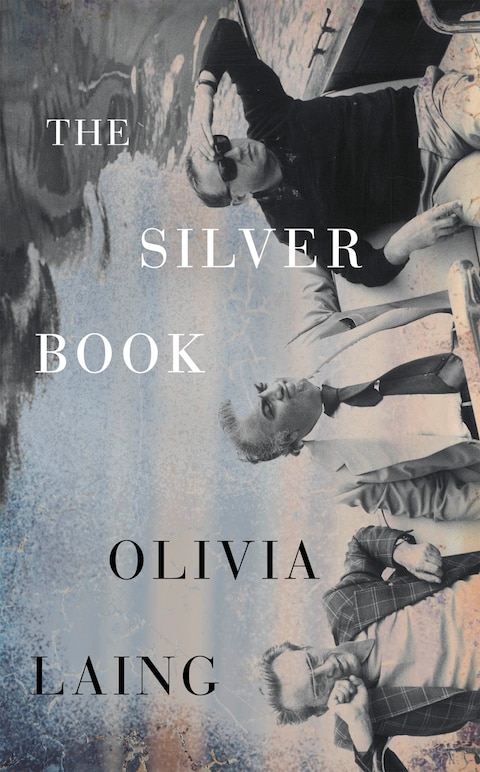
The Silver Book by Olivia Laing
Trouble is fermenting in the febrile heat of Rome. Violent political struggles are breaking out between militant neo-fascist, far-left organisations and the Italian state. Amid this tense unrest, Federico Fellini makes his opulent masterpiece, Casanova, and Pasolini makes his final film, Salò, an eviscerating and prophetic parable about the dangers of fascism.
Olivia Laing’s novel The Silver Book is a compelling noir thriller and queer romance, taking us into the heart of Rome’s famous Cinecittà studios – Italian cinema’s dream factory. In this world of illusion and artifice, a young English artist and the now-legendary costume and set designer Danilo Donati fall in love, as events grind inexorably toward Pasolini’s tragic murder.
Read our interview with the author here.

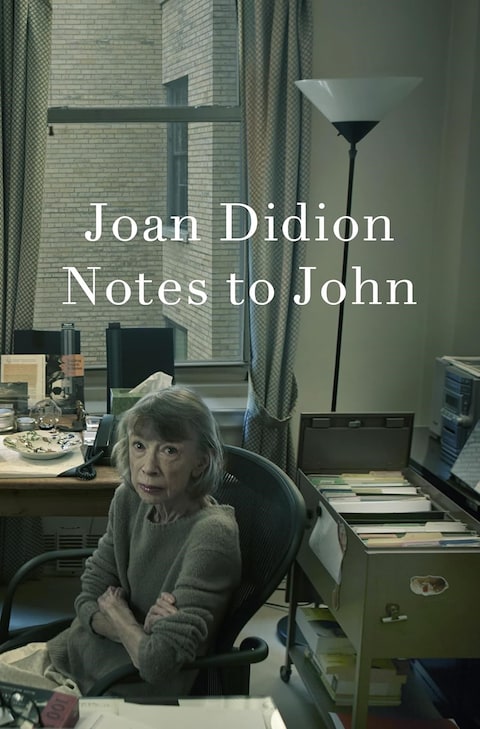
Notes to John by Joan Didion
Joan Didion wrote her way compulsively through every experience as though her life depended on it. While The Year of Magical Thinking and Blue Nights chronicled her grief following the sudden loss of her husband and daughter, Notes to John compiles private accounts of her sessions with a Freudian analyst before these shattering deaths occurred. None of it was ever intended for public consumption, and it’s crudely compelling to read Didion – usually so poised and considered – unedited and unguarded as she confronts the anxieties and guilt that seem incumbent on any parent.
Read our feature on the author here.

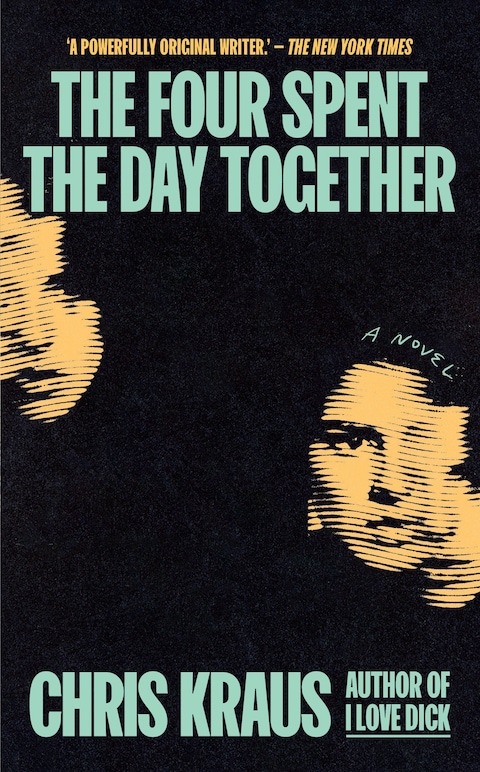
The Four Spent The Day Together by Chris Kraus
Chris Kraus, cult author of I Love Dick, surveys the landscape of fractured America in her latest novel, The Four Spent the Day in Bed. Blending autofiction, true crime and social commentary, the story ingeniously investigates three generations of American life. The plot revolves around protagonist Catt Greene (a thinly veiled projection of Kraus), delving into her parents’ histories, her past and her present as she navigates the dissolution of one marriage and the beginning of a second, and her belated success as a writer. When four local youths go on an 18-hour methamphetamine bender ending in murder, Green becomes obsessed by the crime and its disillusioned, disenfranchised perpetrators, and we are drawn into the nitty gritty of the case with her.
Read our interview with the author here.

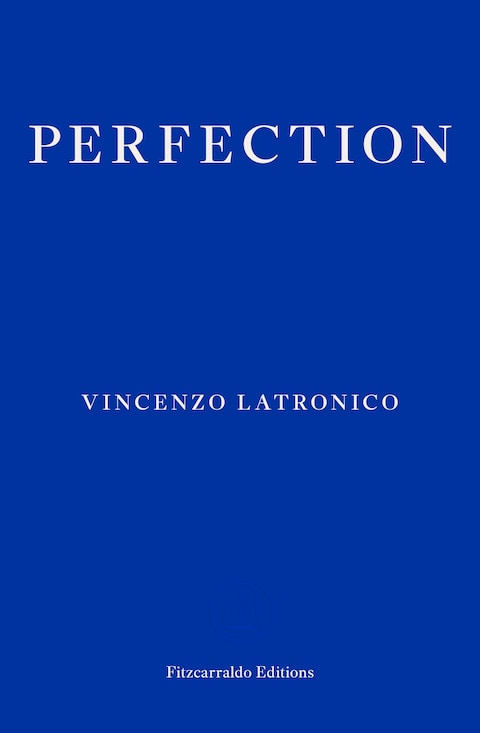
Perfection by Vincenzo Latronico
Vincenzo Latronico’s scathing and painfully hilarious satire follows Tom and Anna, a millennial couple who’ve moved to Berlin to enact their fantasy of aesthetic, curated living in their airy, plant-filled apartment. Beautiful, intentional and with just the right amount of circumspect hedonism, their realities lack the depth or substance evinced by their Instagram feeds. They dabble uncomfortably in activism and sexual experimentation, craft beer and home cooking; they take advantage of being digital nomads by moving to Portugal, only to find both cities rendered interchangeable by their generically cool lifestyle choices.

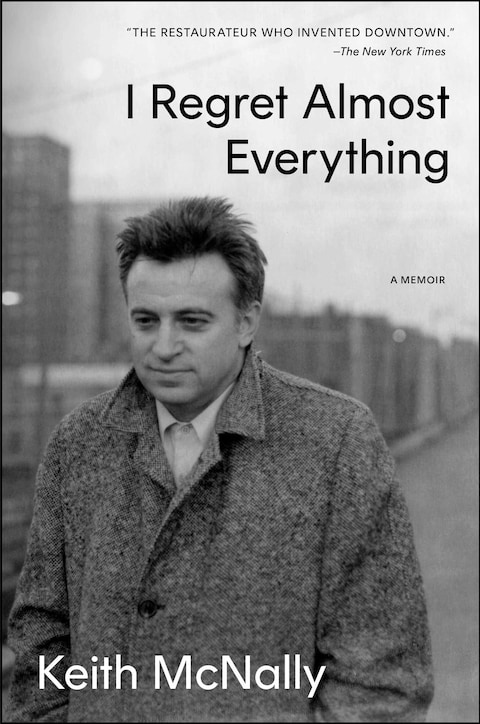
I Regret Almost Everything by Keith McNally
A disarming title sets the tone for Keith McNally’s candid memoir, I Regret Almost Everything. The legendary proprietor of restaurants including Balthazar, Pastis, Minetta Tavern, and Morandi, takes us on an unensored journey beginning with his inauspicious childhood in London’s East End, tracing his ascent to restaurateur royalty of downtown New York. Along the way, there are failed marriages, failed restaurants, near-death experiences and conflicts relating to his acerbic social media presence, and each is tackled with merciless candour and irreverence.
Read our interview with the author here.


Name by Constance Debré
The third in Constance Debré’s autofictional series of novels, Name explores the burden of living with the weight of a loaded surname. As the granddaughter of Michel Debré, the former prime minister of France, Constance encounters the assumption that she’s been born into a Kennedy-esque dynasty of privilege. In reality, her parents were broke, heroin addicted intellectuals and Debré’s mother died when the author was just 16. Here, she continues to cast an unrelenting, unsentimental eye over her past as she examines the mutability of identity.
Read our interview with the author here.

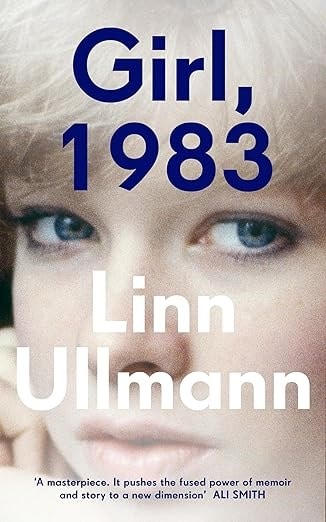
Girl 1983: by Linn Ullmann
When she was 16, Linn Ulmann found herself alone on the streets of Paris in the middle of the night, having forgotten the name of her hotel. The only address she had to hand was the apartment of the predatory Vogue photographer she’d come to town to work with. Set in Oslo, Paris and New York, Ullman’s novel/memoir, Girl 1983, returns again and again to this night, revisiting it from her adult perspective in an effort to reunite the splintered shards of her own damaged psyche. Ullman is the daughter of Liv Ullmann and Ingmar Bergman, and once you see it, you can’t unsee Girl 1983’s Bergman-esque symbolism, uncomfortable truths and fragmented, hypnotic narrative.

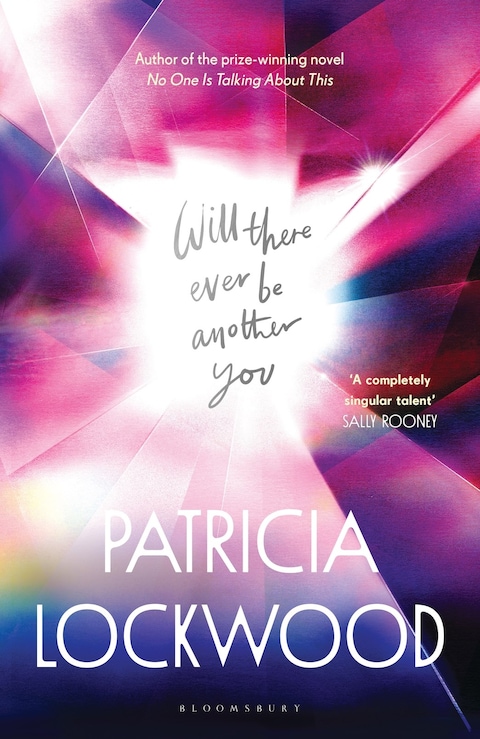
Will There Ever Be Another You by Patricia Lockwood
Often referred to as the “Poet Laureate of Twitter”, Patricia Lockwood’s beloved debut novel, No One Is Talking About This, was an excoriating, hilarious portrait of the internet from within its innermost toxic core. Her follow-up novel, Will There Ever Be Another You, is, in many ways, her post-internet novel. Written in response to the pandemic in a distinctively Lockwood-esque stream of poetic, experimental and darkly comic autofiction, it follows the post-2020 descent into madness – in both a personal and societal sense – conjuring the delerium and dislocation of illness, the handwashing jingles and the paranoia with her inscrutable black humour.
Read our interview with the author here.

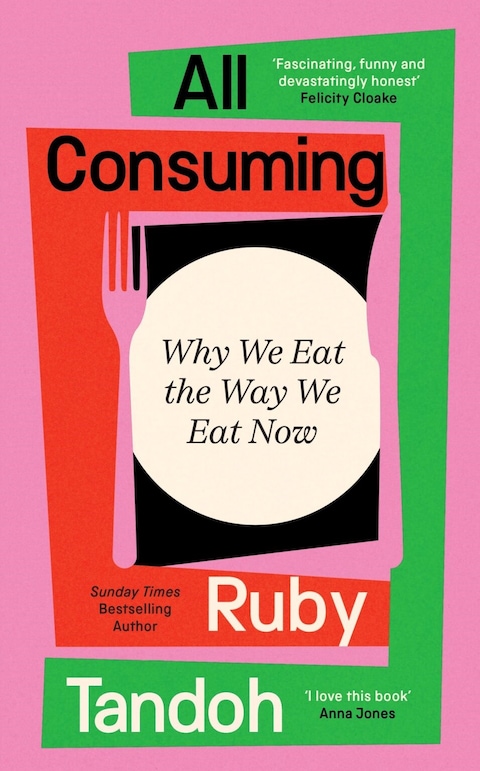
All Consuming: Why We Eat the Way We Eat Now by Ruby Tandoh
For anyone interested in food and the culture surrounding it, Ruby Tandoh’s All Consuming is a must-read. Over chapters covering the birth of the restaurant critic, the regressive rise of the tradwife, the TikTokification of recipes, or the absurdity of Martha Stewart, the writer and former The Great British Bake Off finalist examines the invisible forces that shape the culinary landscape, exploring why food is more popular, and more deceptively accessible, than ever before. Her razor sharp analysis begs the question: how much are our tastes, in fact, our own?

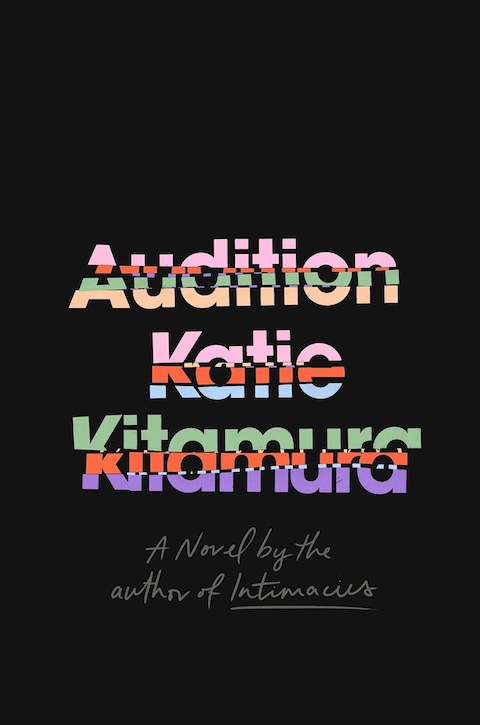
Audition by Katie Kitamura
With shades of Hitchcock, Bergman and Lynch, Katie Kitamura’s suspenseful latest novel, Audition, revolves around the mysteries and uneven remainders of family life. Be it an unexplained disappearance or a fateful misunderstanding, her stories often trace the contours of disturbing lapses in legibility. Here, the author explores family dynamics and the performative nature of the roles we inhabit in everyday life when the narrator encounters a young man who claims to be her son and a “sliver of uncertainty” begins to permeate her otherwise orderly New York existence.
Read our interview with the author here.
