What does it mean to be a woman artist in 2025? It’s a near impossible question to answer, but in an attempt to do so for her publication A Nice Magazine, Hanna Moon looked to surrealist pioneer Dorothea Tanning, using her wilful paintings as a guiding force to gather the perspectives of her talented circle of friends, including Rosie Marks and Jet Swan. For Michella Bredahl, it meant sharing a major milestone with her mother – her first museum exhibition, Rooms We Made Safe at Huis Marseille in Amsterdam – sequencing a tender dialogue of images shot by both of them to explore themes of healing and maternal love. Isabel MacCarthy used her camera to navigate the painful experience of grief, while John Yuyi took stock of years spent on the road, leaving behind home, possessions and routine to live nomadically, making art along the way. Across a wide spectrum of projects, these ten women artists show that, amid a world in flux, the most compelling stories are those told with authenticity.
Stream by Sophy Rickett and Rut Blees Luxemburg
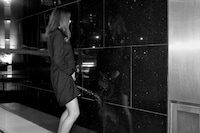
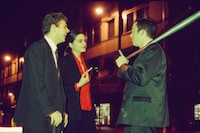
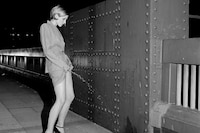
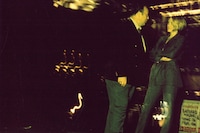
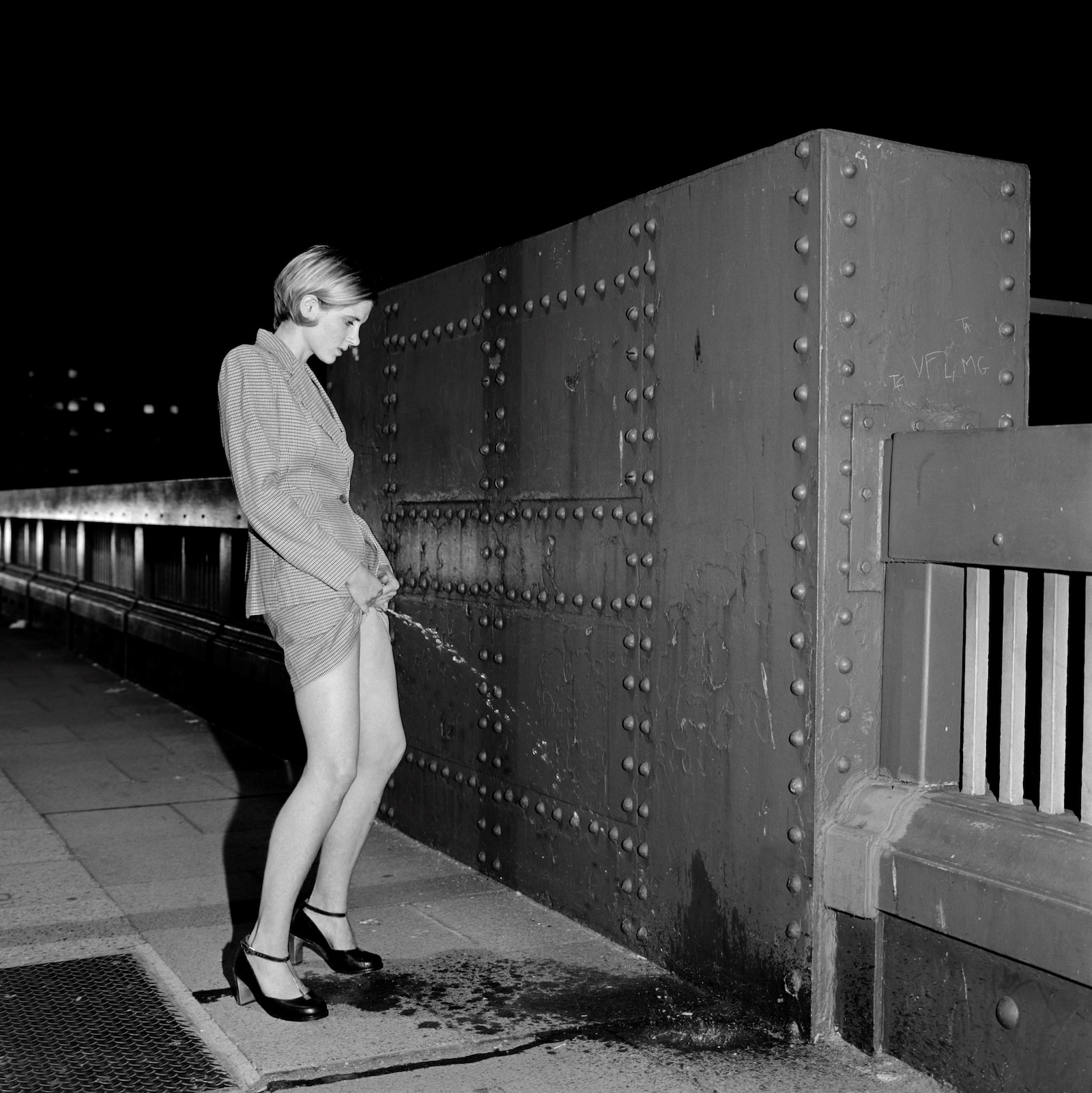
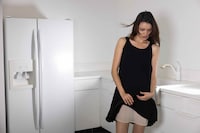
Even 30 years after Sophy Rickett’s series Stream was first shot, the images still elicit a ripple of shock. Emerging from a space somewhere between “compliance and subversion”, the artist started the project after graduating from art school while working a temp job in a corporate office in the Square Mile. She began photographing women performing acts of public urination in office attire after nightfall, outside MI6 and among the City’s stately buildings, shooting them standing up the way their male counterparts might blithely take a leak after too many post-work pints. “I began to recognise [The City] as a culture in its own right, with its codes, systems, conventions, communities and aesthetics,” Rickett told Emily Dinsdale of the images as they went on view at Cob Gallery in the summer. “I started to engage with it on my own terms, considering it as a context in which I could make work.”

Rooms We Made Safe by Michella Bredahl
Michella Bredahl used the public platform offered by her first museum display to explore a deeply personal subject – her complex relationship with her mother. Growing up in a working-class area on the outskirts of Copenhagen, Bredahl’s photography-loving single mother was the first to place a camera in her hand, though her childhood was also affected by her mum’s struggles with drug addiction. Rooms We Made Safe brings together Bredahl’s own work with images her mother took before she was born, reflecting on ideas of home, recovery and maternal bonds through the vulnerable act of photography. “When I see these images, I don’t just see pain, I see love,” she told Rose Dodd as the show opened at Huis Marseille in Amsterdam. “I see a mother who, in spite of everything, stood up again after falling into one of the darkest places imaginable. That’s what I carry with me.”
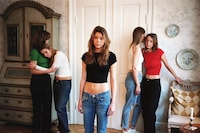
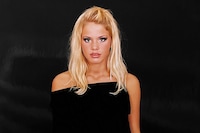
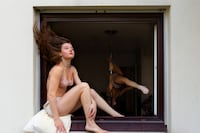
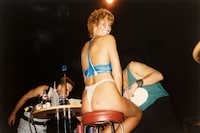

Alien by Isabel MacCarthy
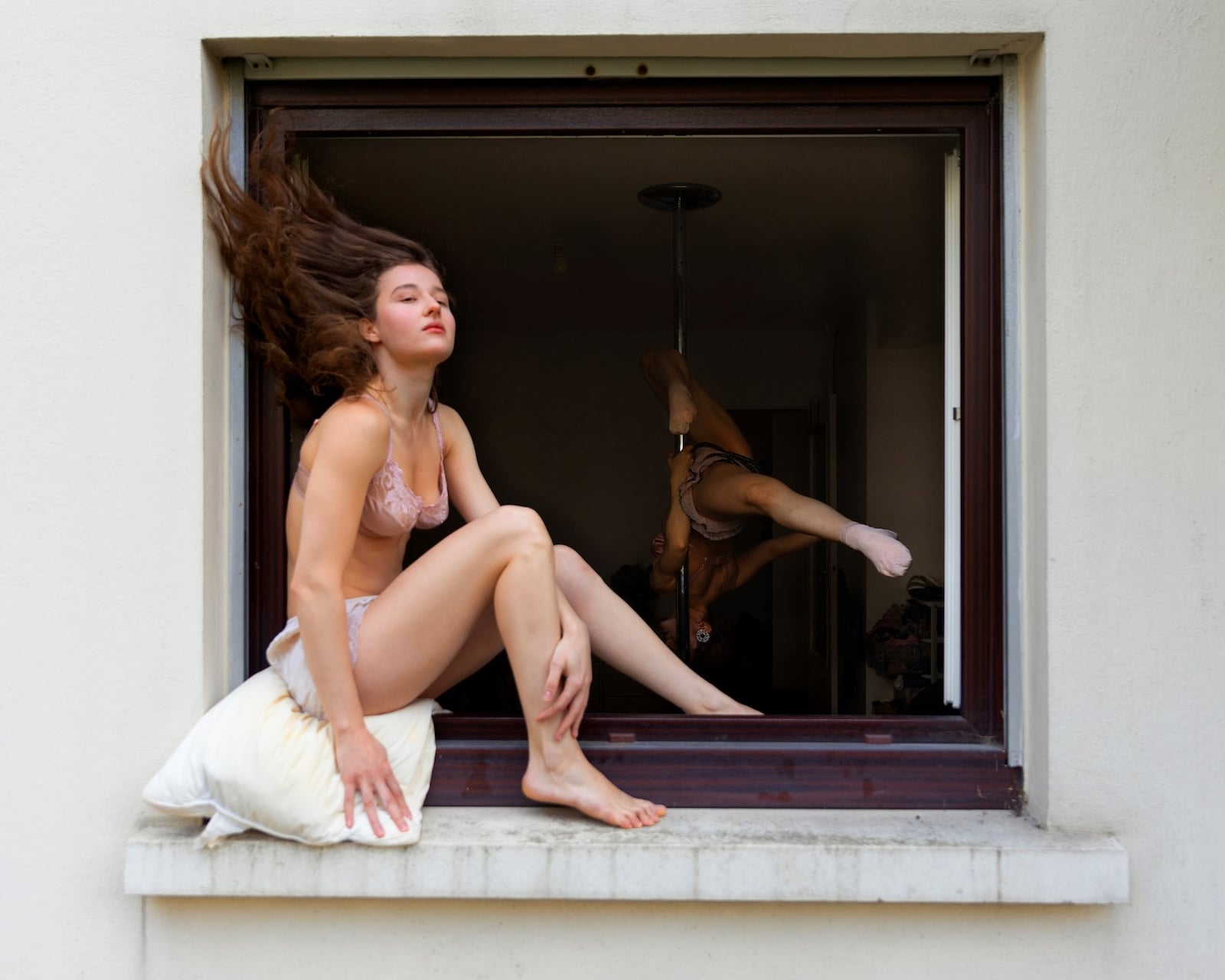
Isabel MacCarthy opened her debut exhibition, Alien, in the spring of this year – a hair-raising display that brought together images of friends, domestic spaces, and supernaturally charged scenes in nature at Bolding Gallery in Marylebone. Made in the wake of her mother’s death, the exhibition reflected on what it means to exist in a fragile human body and the unseen forces that bind us to the world around us. “If you look at the human body in a different way, you can see your hand as a claw, or pull the skin and it stretches,” MacCarthy said at the time. “We’re so strange, and we don’t completely understand ourselves. Through photography, I’m trying to understand myself, the people around me, and how everything is connected.”


POV by John Yuyi
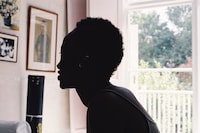
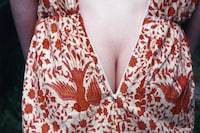
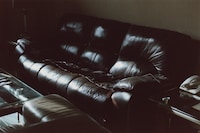
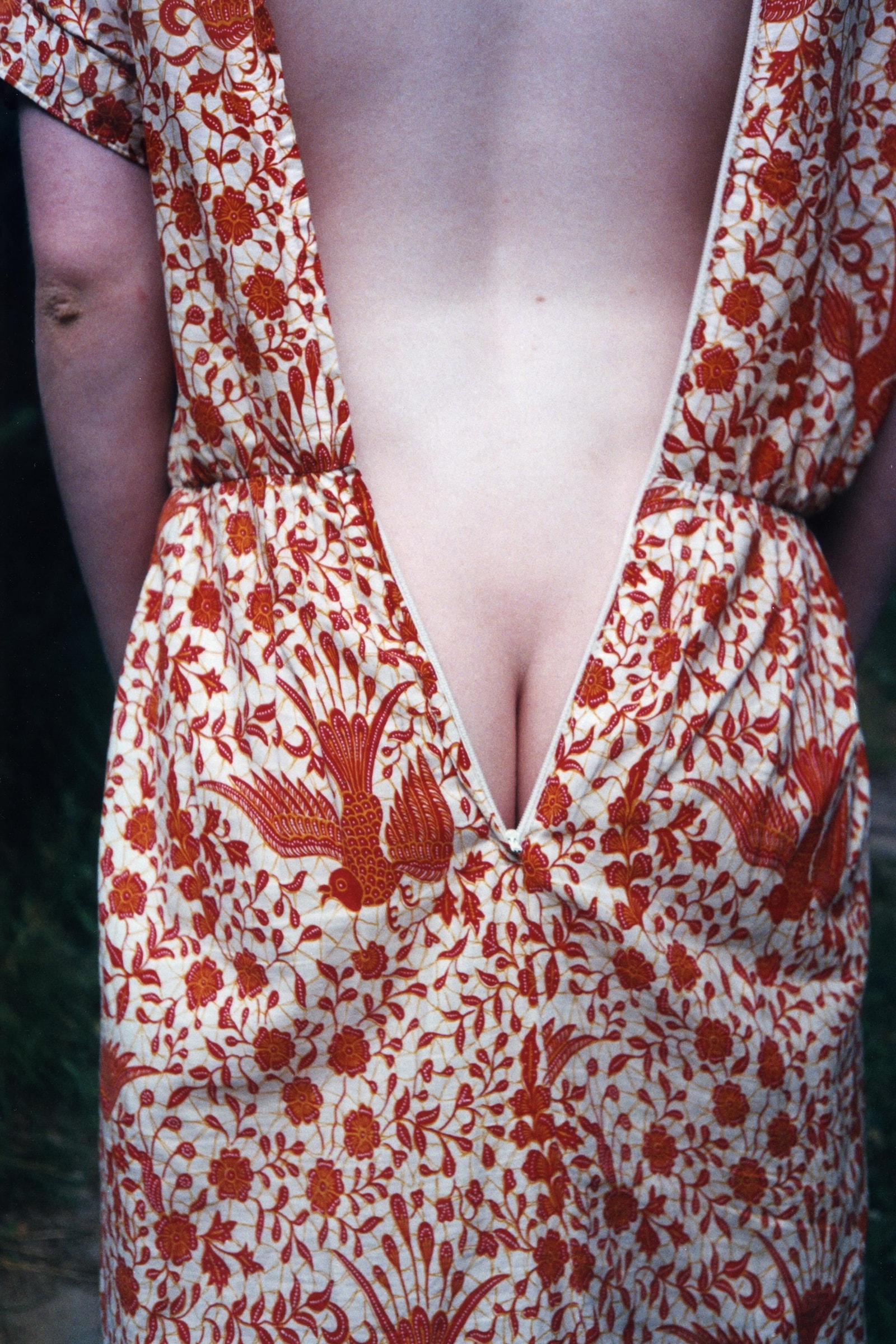
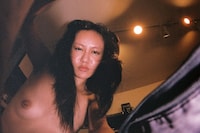
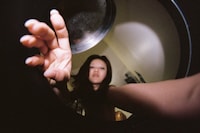
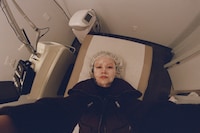
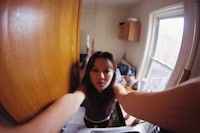
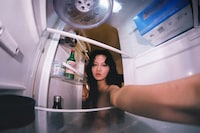
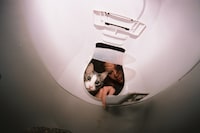
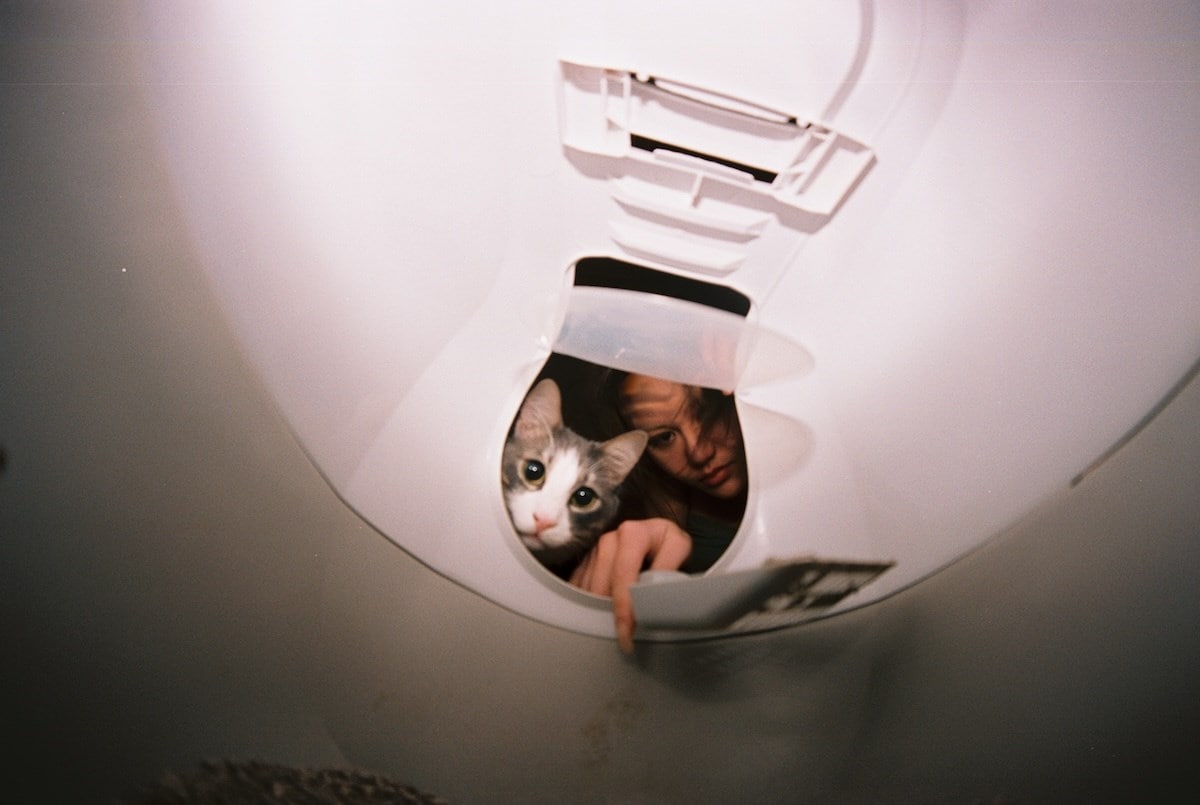
What would happen if you stopped paying rent, packed your bags, and started subletting friend’s places around the world? How might being untethered to a single place change you as a person? This is the question at the heart of John Yuyi’s Hato-Press published zine POV, which forms a surreal, semi-staged document of living nomadically for the past three years. “It’s really weird, sometimes I‘ll be waking up thinking, ‘Where am I?’ It takes a moment to process, ‘Okay, I’m in this country, this city, and this friend’s place,” she told us in the spring. “I think it‘s healthy and unhealthy in different ways. My eyes are constantly opened to new experiences.”

American Ballet Theatre by Cassandra Trenary
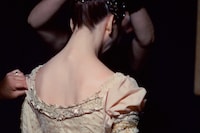
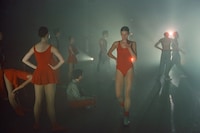
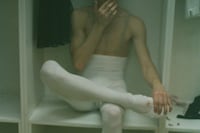
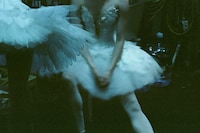
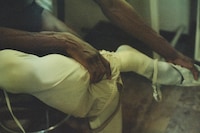
In August, Laura Halvin met with Cassandra Trenary, the American Ballet Theatre Principal, to discuss a remarkable body of work she created quietly throughout her career – photographs that capture hazy moments of rest backstage, debuts, promotions and final performances witnessed over the course of 15 years. “Photography is such a relief and a joy to me,” Trenary said. “So much of my job is to exist in other people’s visions, and so I think [photography] is a way to share my vision – and that is a very vulnerable thing to do.”

A Nice Magazine by Hanna Moon
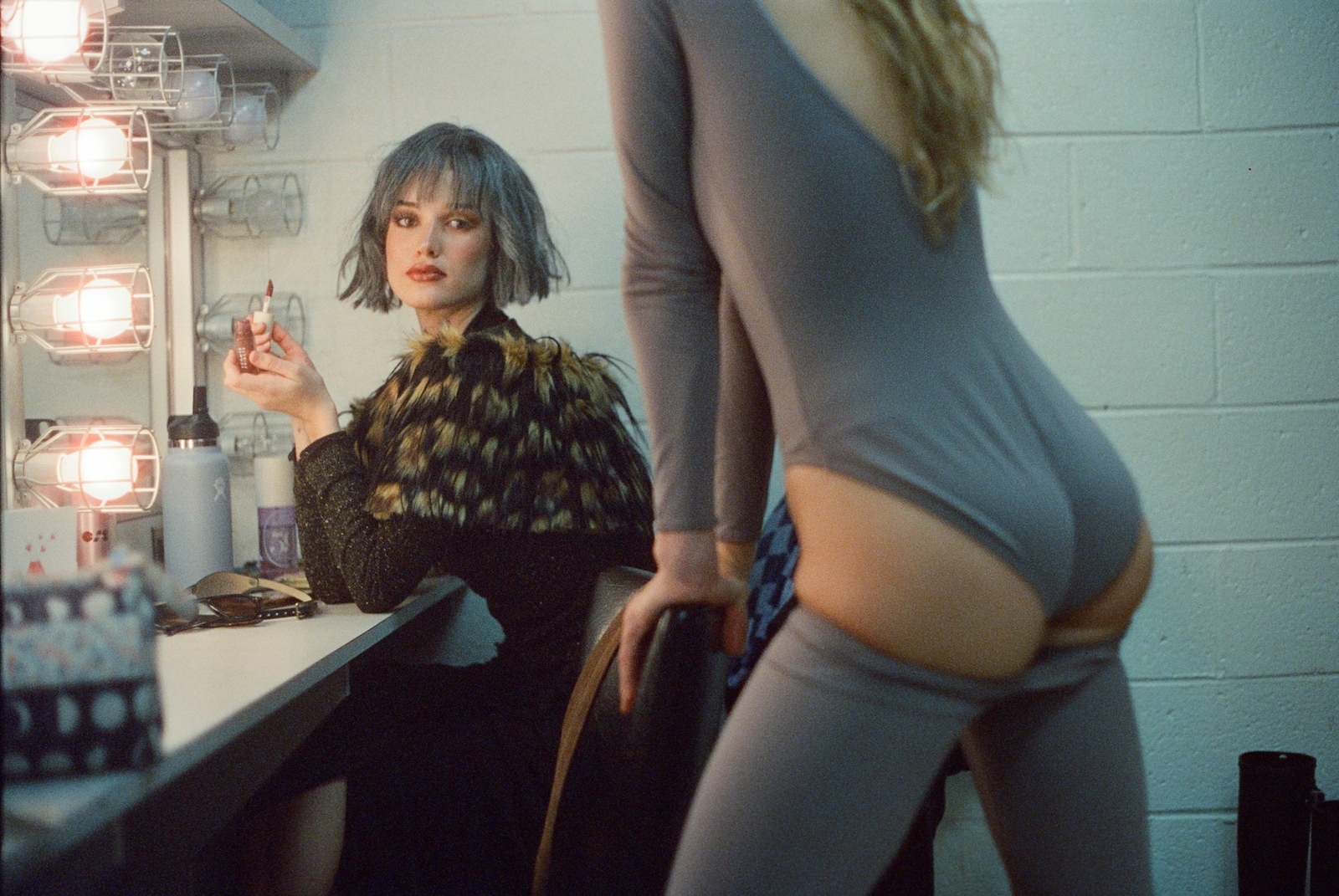
After a six-year hiatus, photographer Hanna Moon revived her self-published A Nice Magazine at the start of this year. The issue found its starting point in the work of pioneering surrealist Dorothea Tanning, who Moon became fixated by after seeing a Tate Modern exhibition devoted to her in 2018. The resulting publication explores what it means to be a woman artist, offering an array of surprising perspectives provided by Moon’s talented circle of friends and collaborators, including Momo Okabe, Joyce NG, Jet Swan, Emma Wyman and Rosie Marks, to name a few. “I almost don’t want to let it go,” she told us of the project, which took over five years to complete. “I have a duty to make it beautiful because of all the people who trusted in me, gave me their work, and waited … In the end, I just really had to push. I’m really proud of it, but it felt like giving birth.”


También Somos Mujeres by Constanze Han
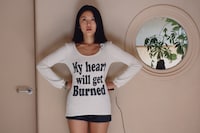
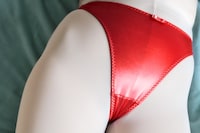
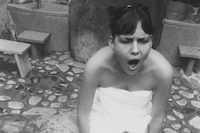
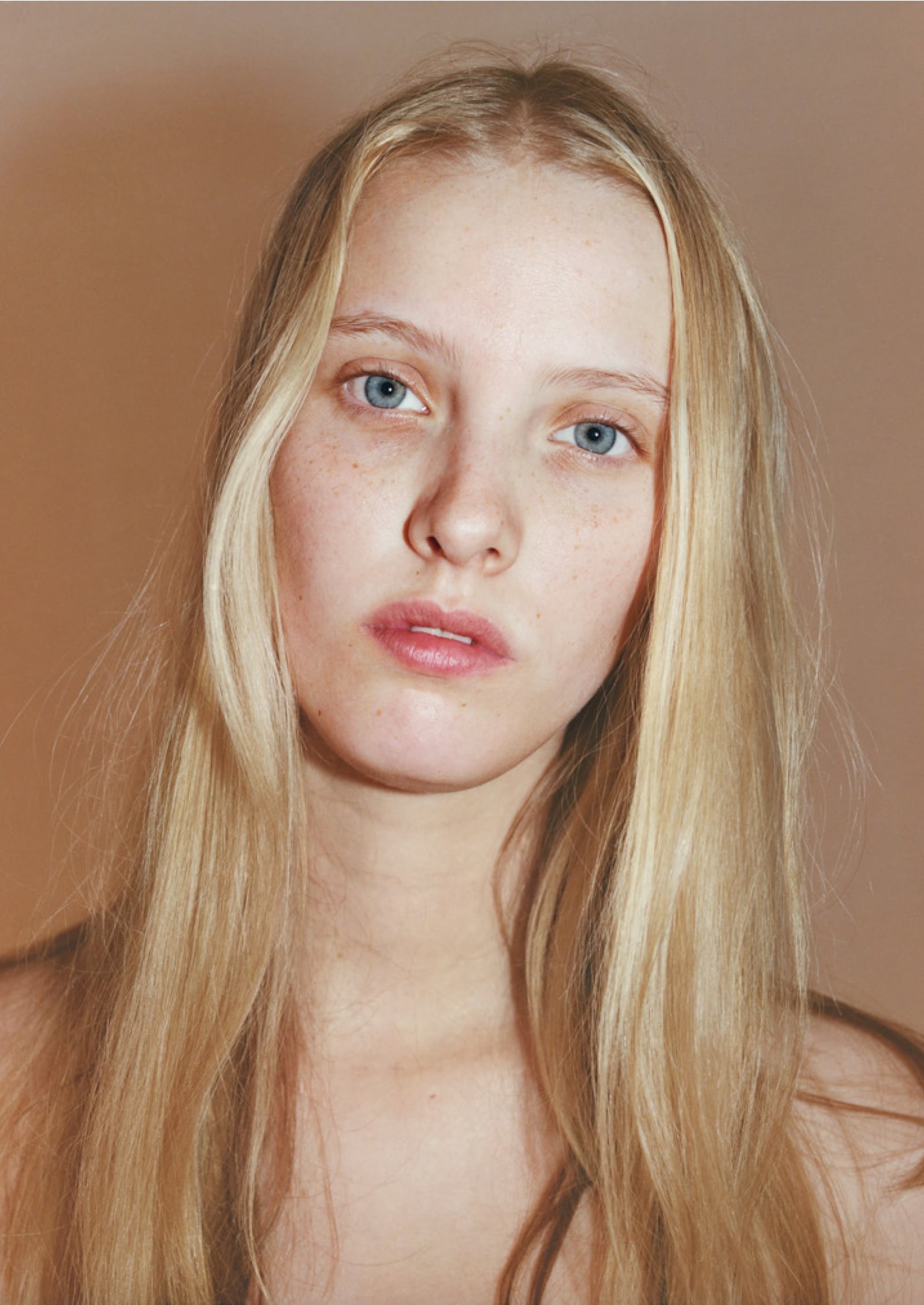
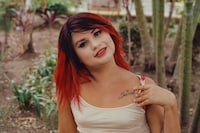
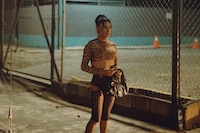
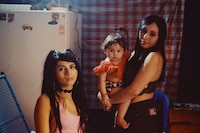
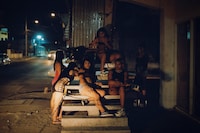
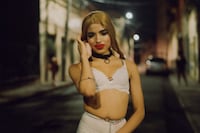
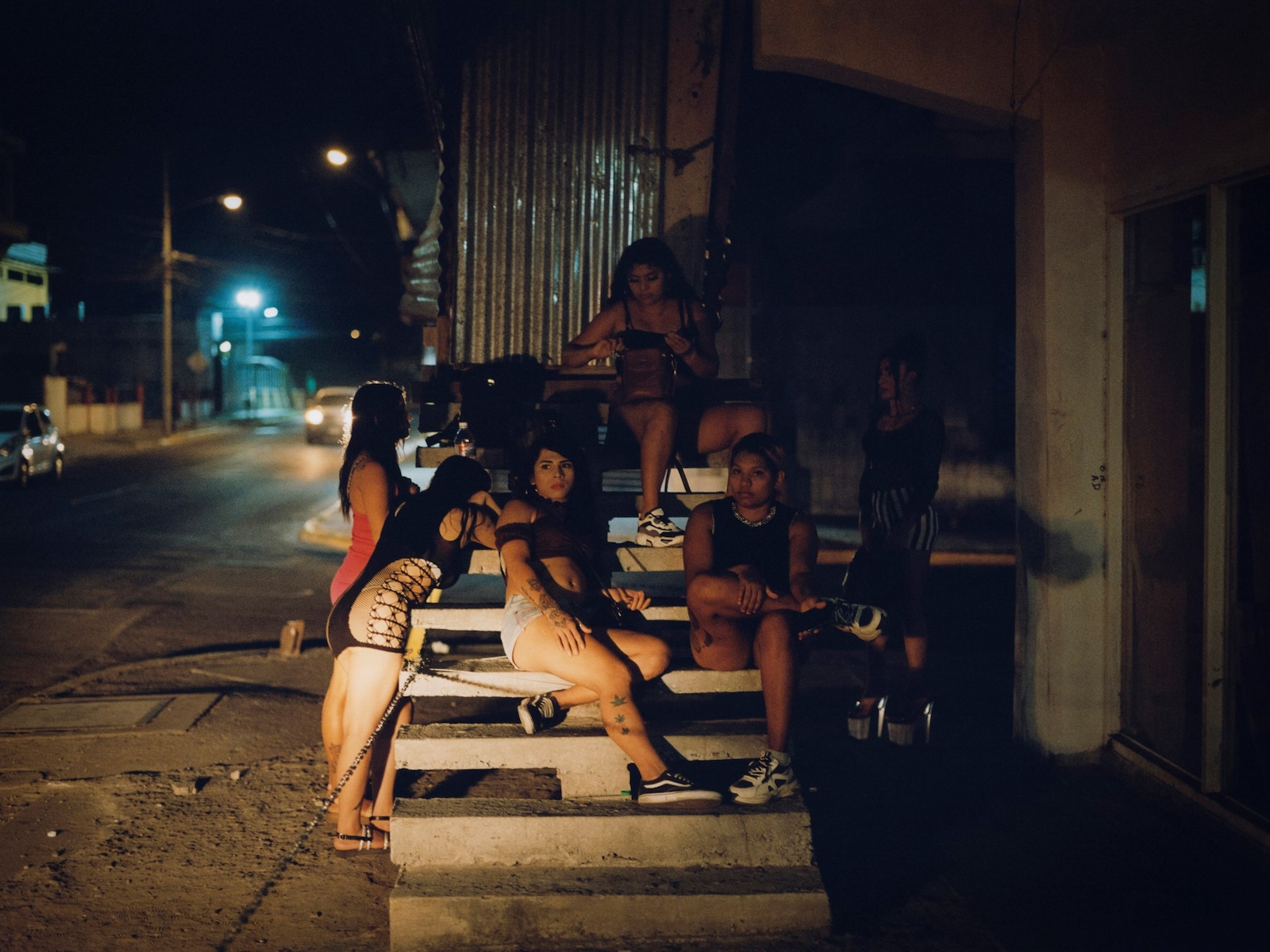
Emily Dinsdale spoke to Constanze Han about the making of her unflinching series También Somos Mujeres, which documents the lives of sex workers in the world’s most dangerous city – Honduras. “I became especially curious about those working the streets, because it was hard to imagine anyone more exposed to harm,” she said of the project, whose name translates to We Are Also Women. “Knowing how unpredictable and emotionally demanding their work can be, I tried to follow their pace and let things unfold on their own terms.”


Plaukai by Francesca Allen
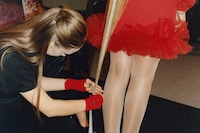
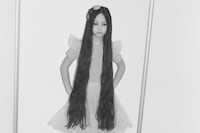
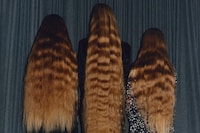
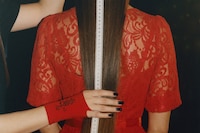
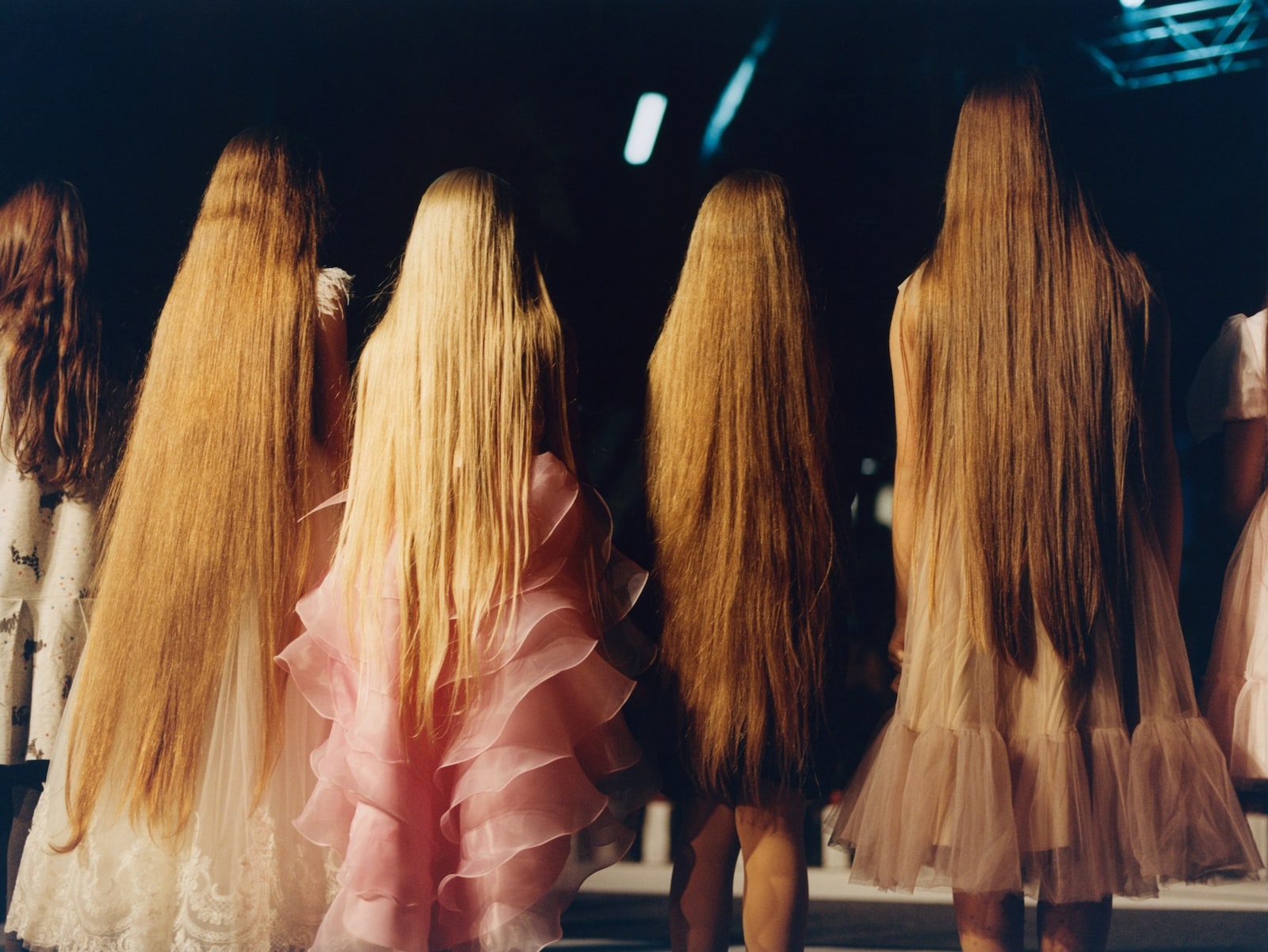
Once a year in Lithuania, hundreds of young women and girls gather in a stadium to have their hair – some so long it skims the backs of their knees – measured by officiators wearing red gloves. Konkursas Pasaulio Ilgaplaukes, the World’s Longest Hair contest, has been running for more than 20 years. Francesca Allen documented the competition’s surreal rituals with a gentle, observational eye for her book Plaukai, speaking to AnOther about ideas of modern pageantry and why hair is so closely tied to feminine identity around the world. “In Lithuania, there’s a lot of folklore around hair and history behind it,” she said. “But I think that as a world, we are totally obsessed with hair. Especially for women, it’s such a huge part of our identity.”



Splint by Chessa Subbiondo
Brought to life by Tokyo publisher Super Labo, Chessa Subbiondo’s debut book offers a stirring introduction to her uneasy, beautifully staged world. Creating tense theatrics in scenes of the everyday, Splint was shot over the course of two years in parking lots, homes and malls across Los Angeles and New York, revealing the image-maker’s skill in conjuring intrigue and discomfort through her signature cinematic, flat-light compositions. The title, she told Madeleine Rothery, came to have a dual meaning; “It’s like a splint, as in a brace. This is what the book felt like for me: it was really holding me together this past year and giving me purpose, something to commit to and pour all my energy into. But at the same time, it’s also like a splinter, lodged under your skin, nagging at you to pull it out.”


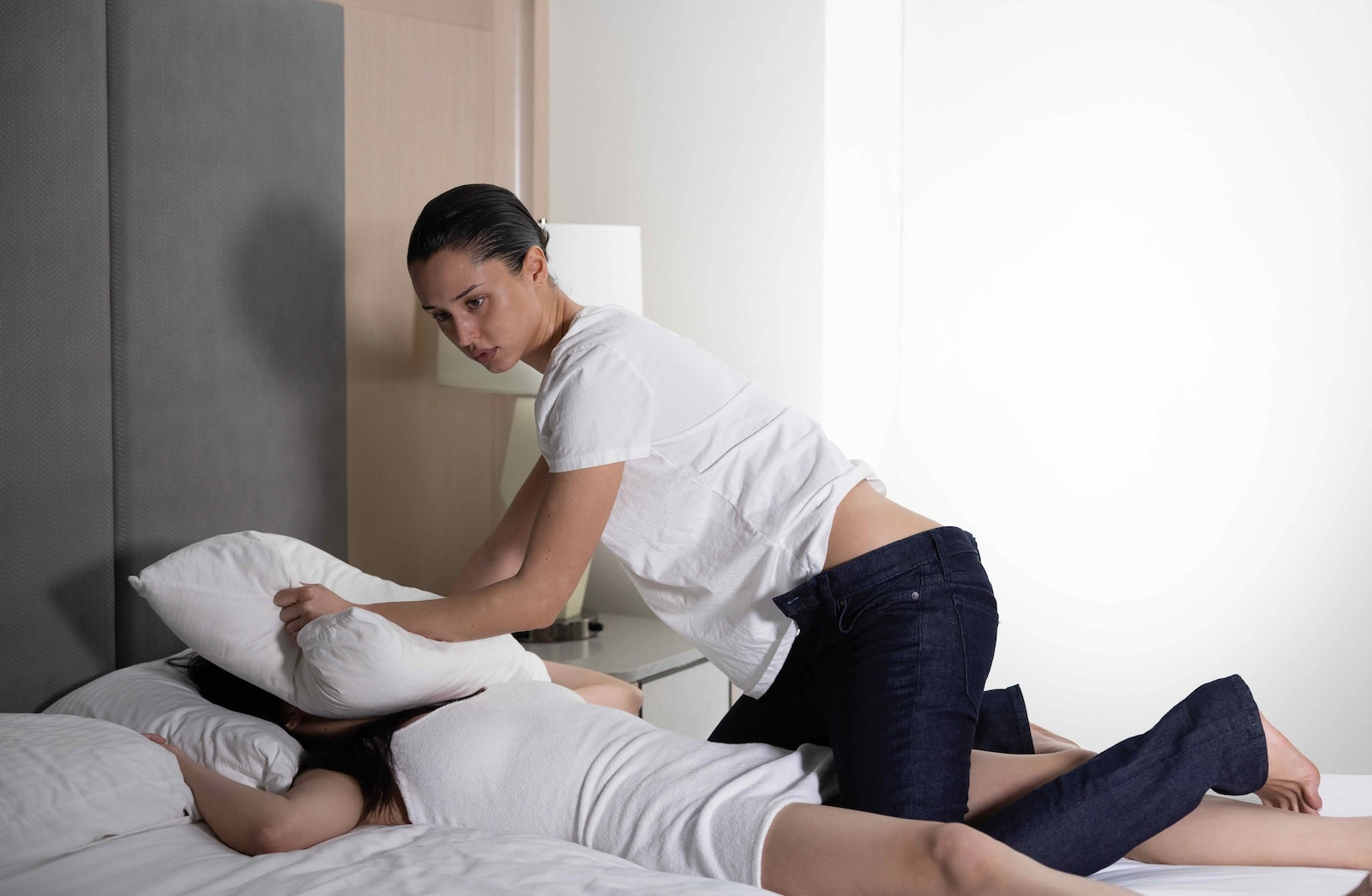
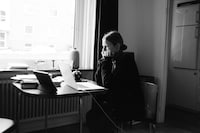
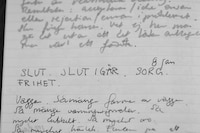
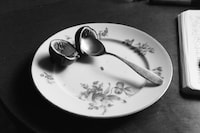
Diary of an Ending by Lina Scheynius
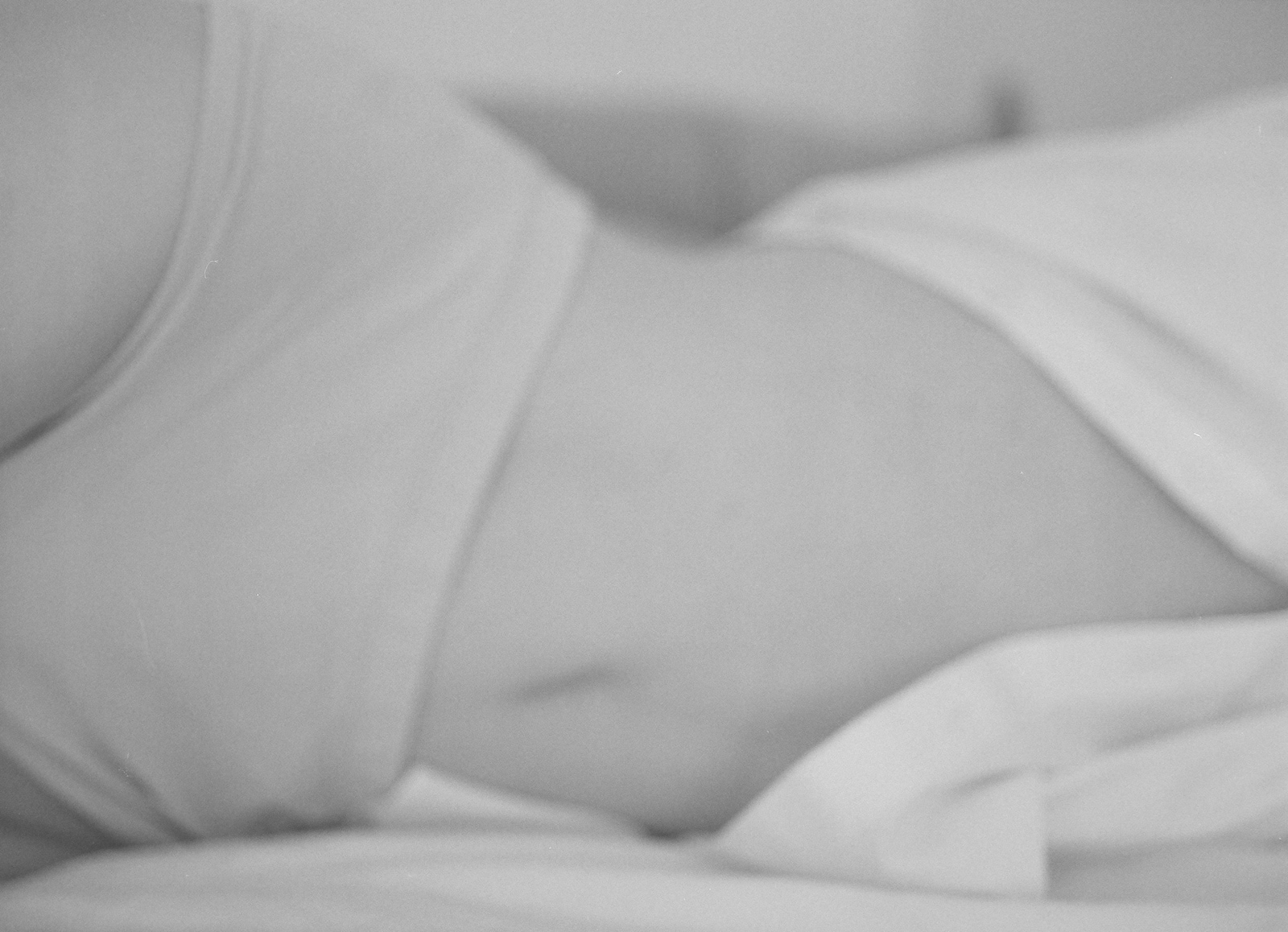
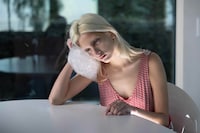
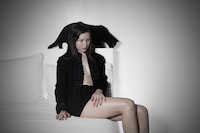
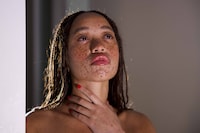
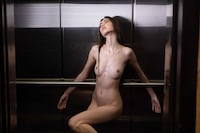
Lina Scheynius is known for her spontaneous, self-exploratory images. But until this year she wasn’t known at all for her writing, spare a couple of blog entries written at the start of her career in the early 2010s. Processing the end of a turbulent relationship, Diary of an Ending is her first work of prose – a piercing and layered recount of the aftermath of a breakup, sequenced in journal entries, with essays written five years on from the event mixed with gentle black and white images taken at home. “I was having flashbacks,” she told AnOther, when asked what made her want to write about the break-up. “There were a lot of things still troubling me … Since working on the book I feel bigger, like I have more vocabulary, more ways of understanding things.”