
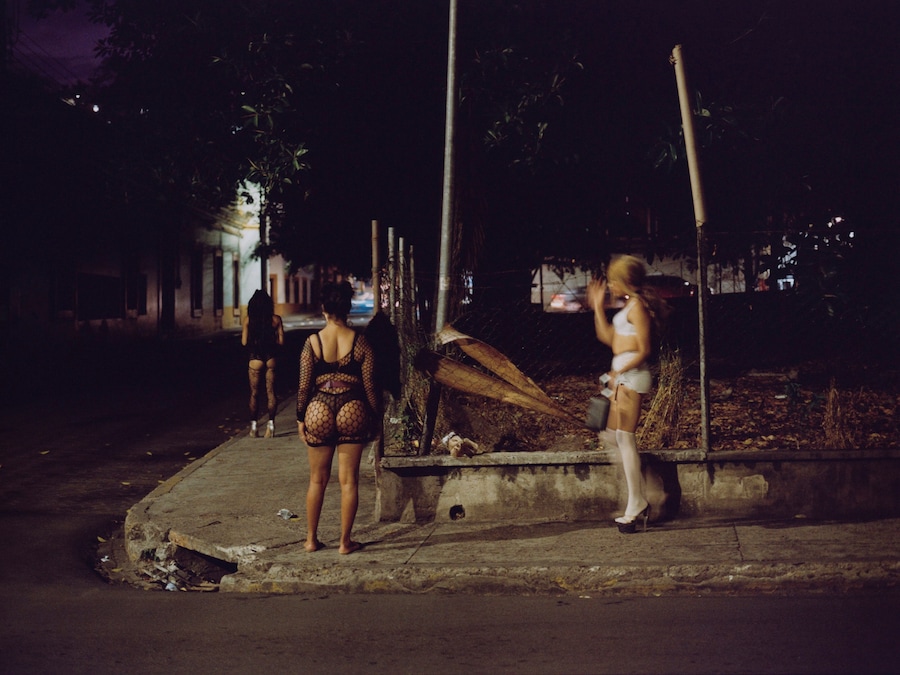
Constanze Han’s photo series También Somos Mujeres shares the stories of the women risking their lives to make a living on the violent streets of Honduras
In 2014, San Pedro Sula in Honduras was officially the most deadly city in the world according to global homicide rates. Photographer Constanze Han saw images documenting the city’s murderous gang conflicts and began to wonder about the women, so rarely pictured, who lived under the constant threat of male violence. “The women mostly appeared at the edges, often only in the aftermath of someone else’s death,” she tells us. “I wanted to understand the lives of women navigating these dangers firsthand and became especially curious about those working the streets, because it was hard to imagine anyone more exposed to harm.”

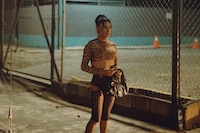
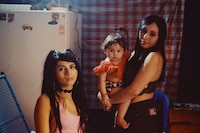
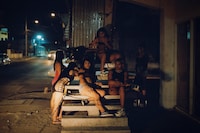


Nearly a decade later, in 2023, Han visited Honduras for herself. Xiomara Castro, the country’s first woman president, had been elected the previous year, and it felt like an apt time to begin taking photographs highlighting the stories of women, many of whom are trans, making their perilous living as sex workers on the streets of San Pedro Sula and Tegucigalpa. Photographing the women she met in their homes and on the streets over 2023 and 2024, También Somos Mujeres (We Are Also Women) is the resulting portrait series. The guiding principle was simple and earnest. “[I wanted to] let go of any impulse to shape a narrative in advance and instead approach the project with curiosity, listening closely to the women and letting their experiences guide the way,” she explains.
Han connected with her subjects via collectives founded by former sex workers to support women in the industry, often with an emphasis on trans-inclusivity. “In Honduras, because of widespread discrimination, the lives of trans women and sex workers are closely intertwined,” Han explains. Mired in prejudice and subjugated by the prurient interest of outsiders, the women were justifiably wary. The week before she began, a local paper had driven by groups of the women while they were working, secretly photographing them with a phone and publishing a sensational, judgmental story characterising them as degenerate and diseased. “It was deeply disrespectful and harmful,” Han says. “When I arrived soon after, it made complete sense that some women were still feeling hurt by it. It took time to build trust that I wouldn’t do the same. Knowing how unpredictable and emotionally demanding their work can be, I tried to follow their pace and let things unfold on their own terms and move with patience.”

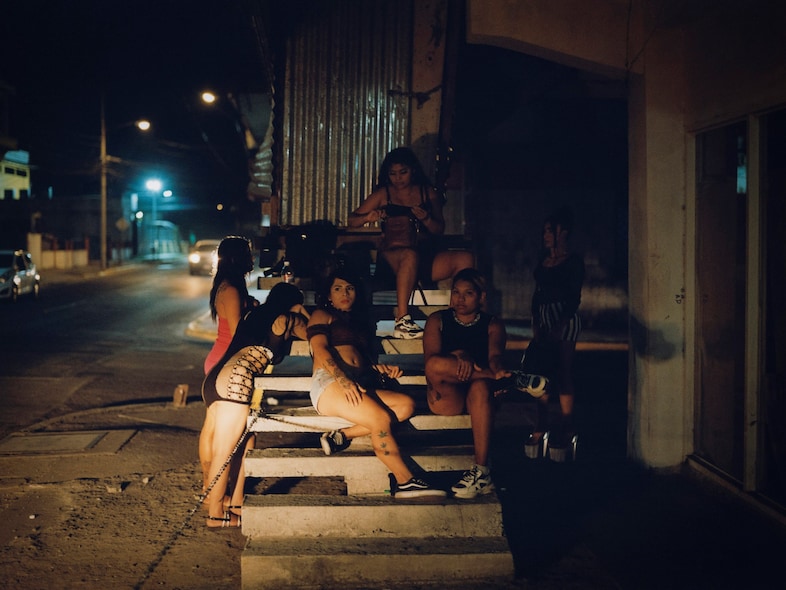
While working on También Somos Mujeres, Han collected the stories of the women she photographed. Many were supporting families, working on the street at huge risk to their personal safety. They had known other women who’d been assaulted, robbed, and even murdered. Monse in San Pedro Sula told Han, “From when I started until now, it’s still scary. Some clients aren’t in their right mind, drunk or on drugs. You go looking for money, not because you want to, but out of necessity. We always take precautions. You never know what abusive men might do to you, but we do our best to stay safe. No one helps us here. The police screw you over instead of helping. It’s just us and God.” Sara, also in San Pedro Sula, cares for her sick mother and grandmother by day and works on the streets by night. She told Han, “In our work, we just expect to die.”
Their stories are harrowing and their courage humbling. While many spoke of the societal shame and stigma surrounding their work, one of Han’s enduring memories of the women she met in Honduras was the mutual support across their self-formed networks. “I was also surprised by how connected the women were, even across cities,” she says. “Their lives are closely intertwined through friendships, alliances, and the occasional bit of drama. When I arranged to photograph Erica and her baby at her home in Villanueva, I learned she lived with Scarlett, a trans woman who worked in the same area. Their dynamic often reminded me of women sharing any workplace, like a shop or a salon, full of daily negotiations and small routines.”

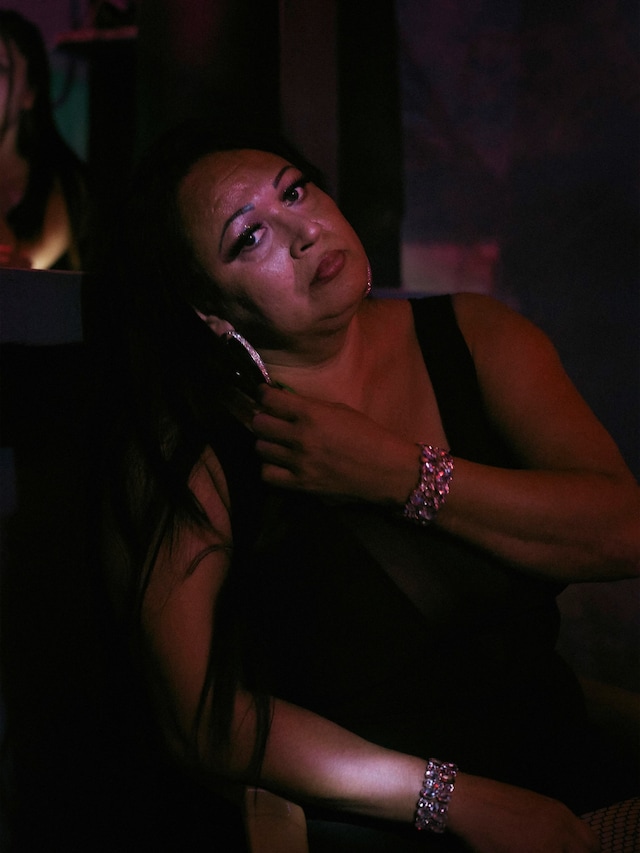
Her ultimate hope for También Somos Mujeres is that the series can contribute to a wider conversation in Honduras, which may “help move things toward the women getting what they want … safety, protection, respect and equality.”
