,1981)

A Deep-Dive into Peter Hujar’s Vast London Retrospective
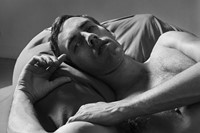
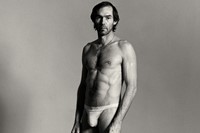
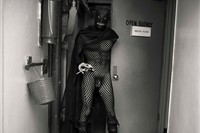
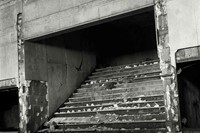
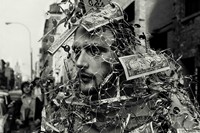
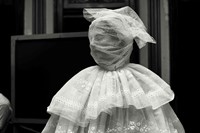
In January, the opening of a vast exhibition devoted to the life and work of Peter Hujar marked one of the most moving and widely discussed displays London saw this year. As one of the most influential figures in 20th-century photography, Hujar is best known for his intimate documentation of New York’s exploding downtown underground in the 1970s and 80s – artists, poets and queer performers photographed with unflinching tenderness at the cusp of the AIDS epidemic. Presented across every floor of Raven Row, a gallery housed in a former Victorian townhouse in Spitalfields, the exhibition traced the breadth of his practice, from portraits and water studies to later street and architectural photographs, and included, incredibly, images of Hujar on his deathbed taken by David Wojnarowicz. On the occasion of the opening, Will Ferreira Dyke moderated a fascinating conversation between biographer John Douglas Millar and Hujar’s friend and printer Gary Schneider, who spoke about the elusive man behind the camera.

How Ethan James Green Turned His Chinatown Studio Into an Art Gallery
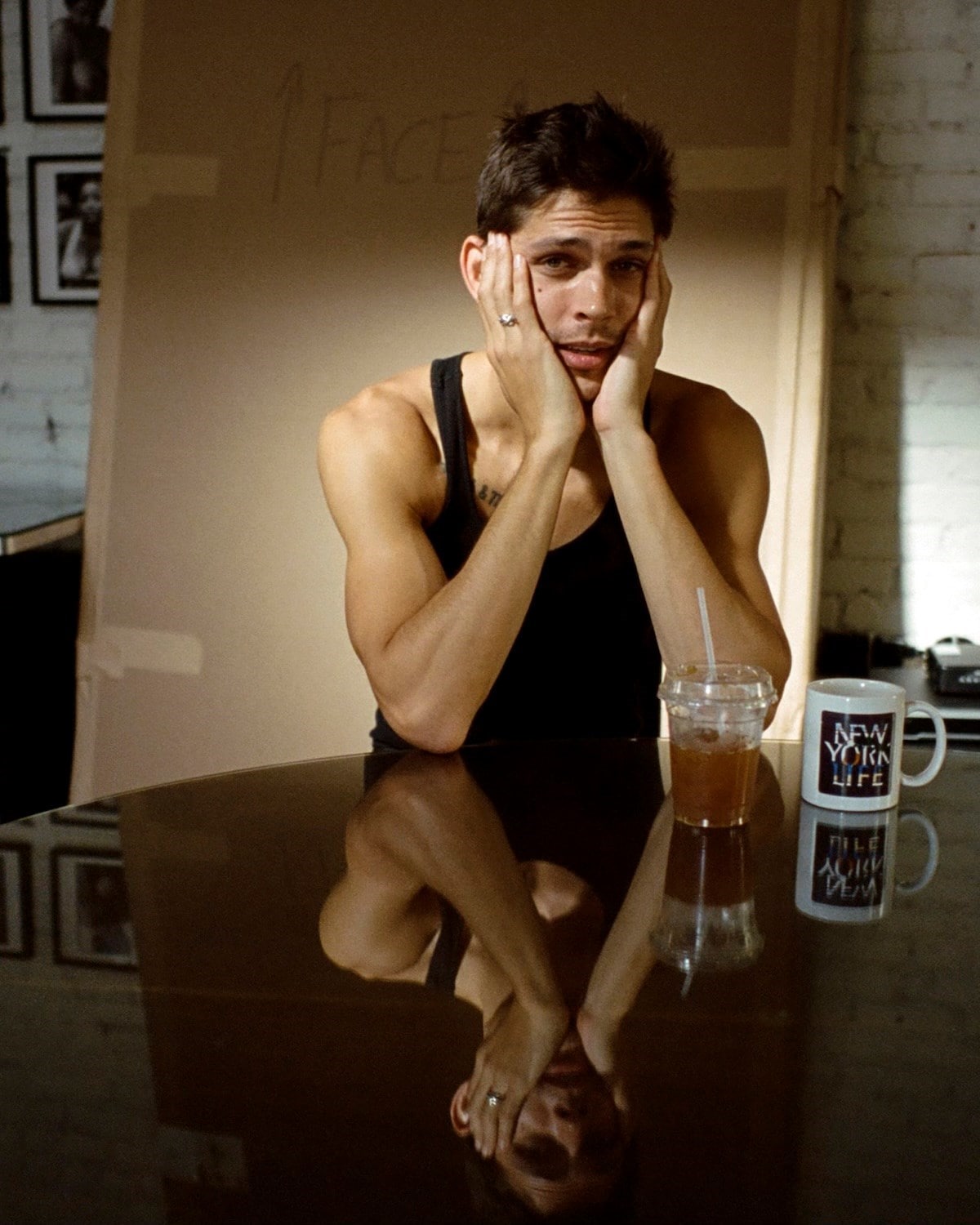
In May, AnOther spoke with photographer Ethan James Green about the gallery he opened above his studio in Chinatown. The celebrated image-maker, who began his career as a model, launched New York Life Gallery during a quiet spell in 2022, feeling somewhat rejected by the fashion industry following years of dedicated work. Part of the magic behind Green’s curatorial approach is that he draws upon his own personal tastes, with past exhibitions including intimate portraits of Baltimore women by Steven Cuffie, adrenalised shots on the streets of New York by Daniel Arnold, and a group show celebrating emerging painters discovered on Instagram. “I’ve always been quite straight and narrow with my work,” Green said at the time. “Opening the gallery has made me pause and feel excited about the unknown. I love photography, but I’m just as in love with having a gallery now.”

The Story Behind Louise Giovanelli’s Dazzling New Public Sculpture
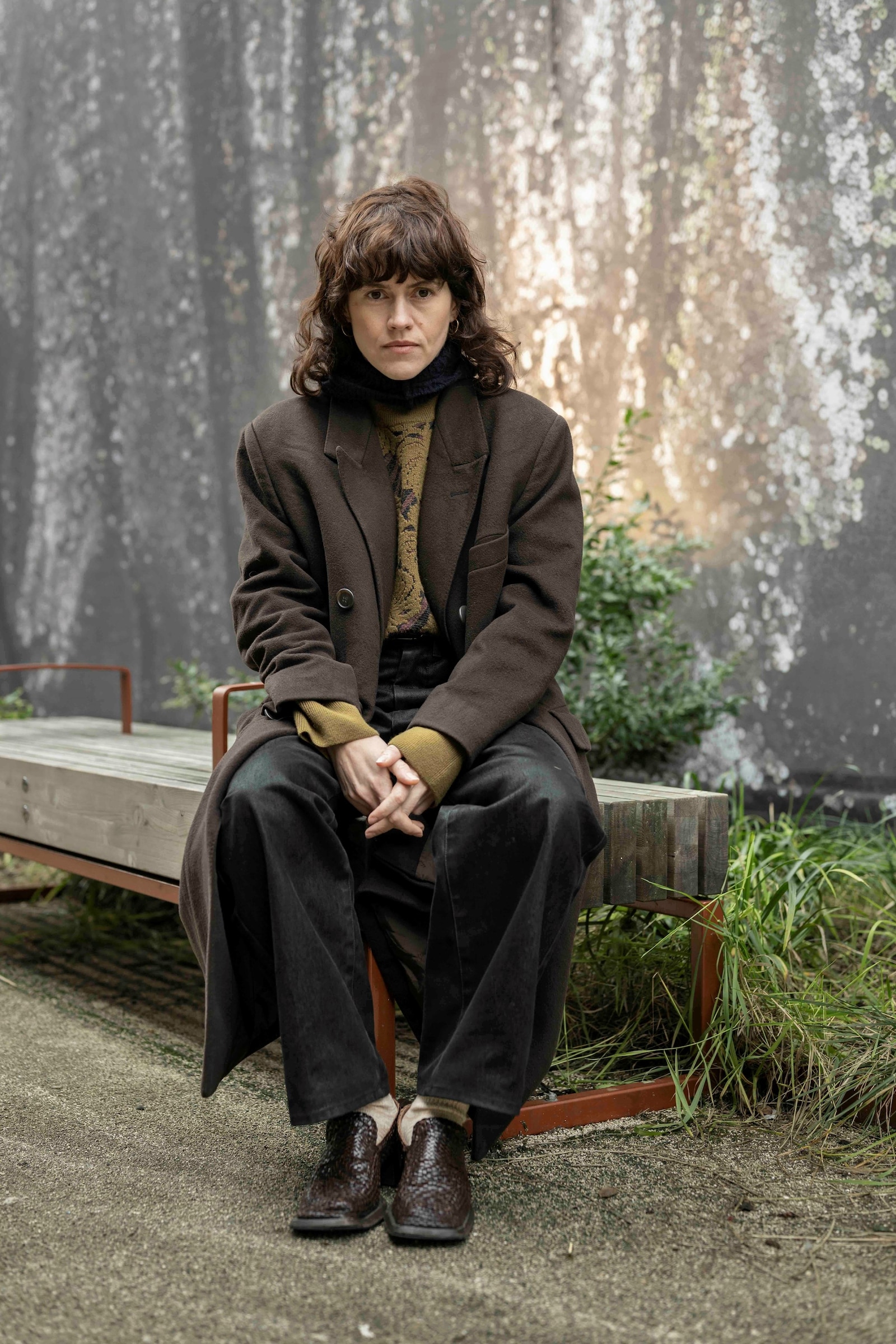
The striking beauty of Louise Giovanelli’s paintings has brought the Manchester-based artist growing recognition in recent years, with her curtain paintings appearing at White Cube and Hepworth Wakefield. Last month, Violet Conroy spoke to Giovanelli as she took her long-standing interest in the curtain – and its links to performance and veiling– to a much larger scale, covering the 300-year-old St Mary le Strand in central London with a shimmering silver installation. “I’m fascinated by modern forms of devotion and worship,” she said. “Going to a pop concert, for example, and looking at an iconic pop star in a dazzling, glittery dress … we have this need to aspire and to look at something and point to something that we consider to be bigger than ourselves.”




The Story of Susan Weil and Robert Rauschenberg’s Ghostly Cyanotypes
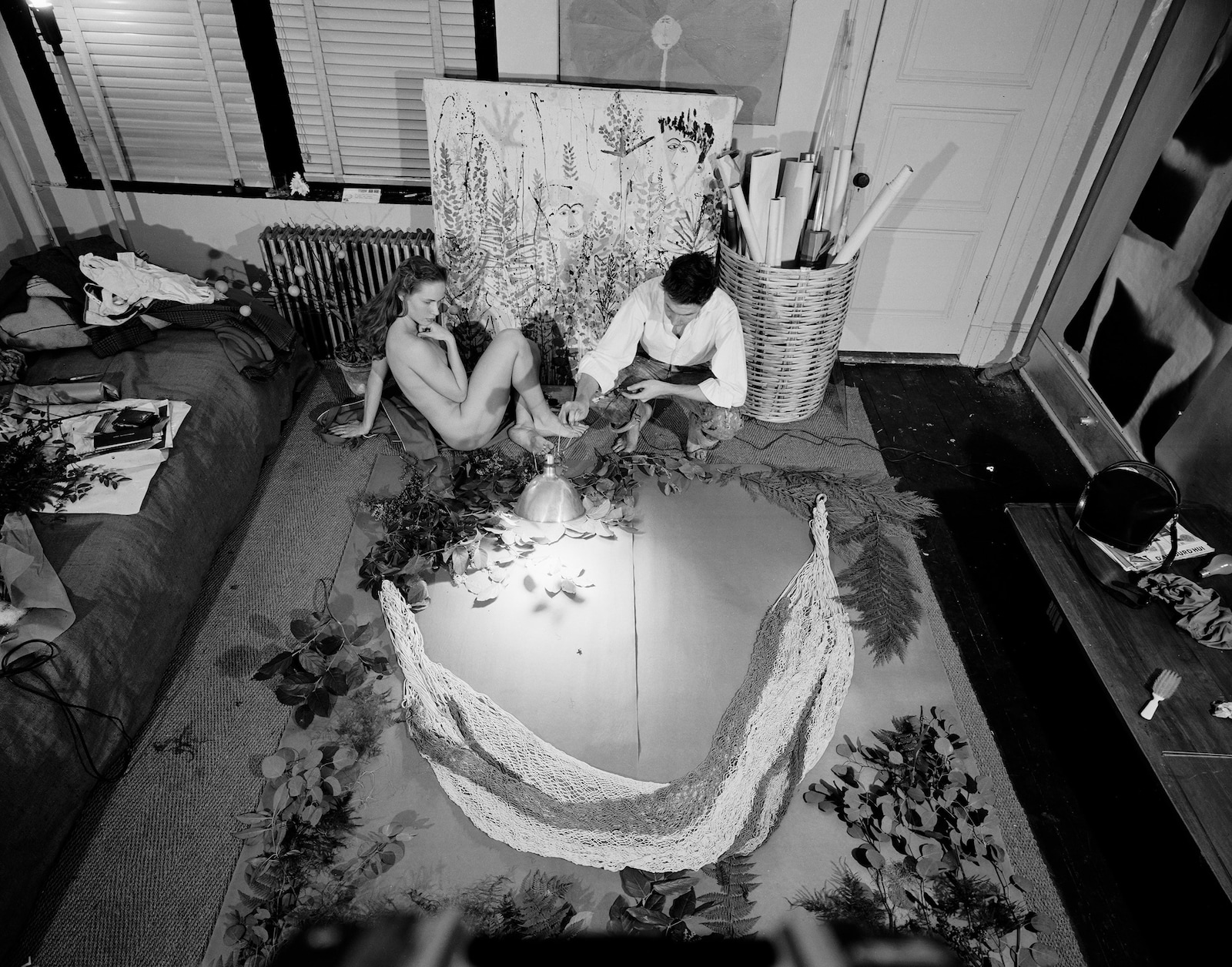
During a summer in Connecticut in 1949, Susan Weil introduced her partner, Robert Rauschenberg, to cyanotype-making – a blue-toned photographic process she had learned from her family. Each day, the pair placed sheets of light-sensitive paper in the sun, arranging objects and bodies on top to leave soft, ghostly imprints. Last month, Emily Dinsdale revisited this period of shared experimentation as a new book is published, featuring candid quotes from Weil drawn from an interview with Lou Stoppard. Now in her eighties, Weil reflects on how women artists were treated at the time. “I didn’t mind working with Bob, because it was just something that we were doing for the beauty of it, the surprise of it, but I mind how people look at it afterwards,” she said. “I resent it when it’s ‘Bob’s Blueprints’. They don’t hardly include me, when it all came from me.”

“Be in Yourself, with Yourself”: Inside Steve McQueen’s New Installation
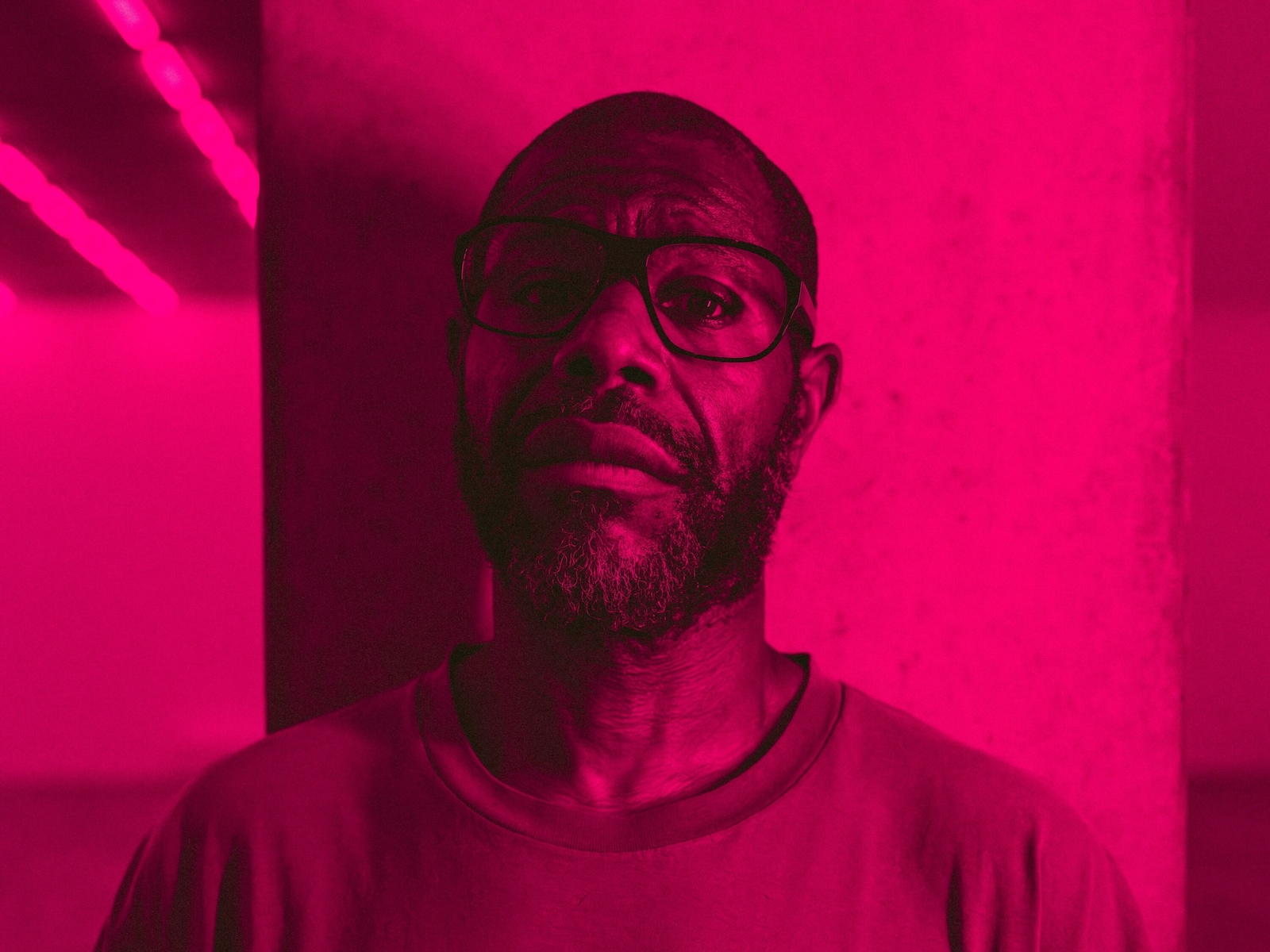
Alayo Akinkugbe’s conversation with visionary artist Steve McQueen was one of the most powerful interviews published on AnOther this summer. To mark the opening of his colour-saturated immersive installation Bass in Basel, the pair spoke about the value of spaces that allow for pause and reflection in a world of constant overload. “I felt an overwhelming sense of calm within your installation, Bass,” said Akinkugbe. “It anchored me in the present moment and made me turn inwards. Was that something you wanted to explore through this work?” To which McQueen replied: “Yes, the here and now. It’s not about yesterday or the future. To be in yourself, with yourself – there aren’t often spaces or environments that give you that.”

Sadie Coles on Her New Event Series: “People Want Real Experiences”
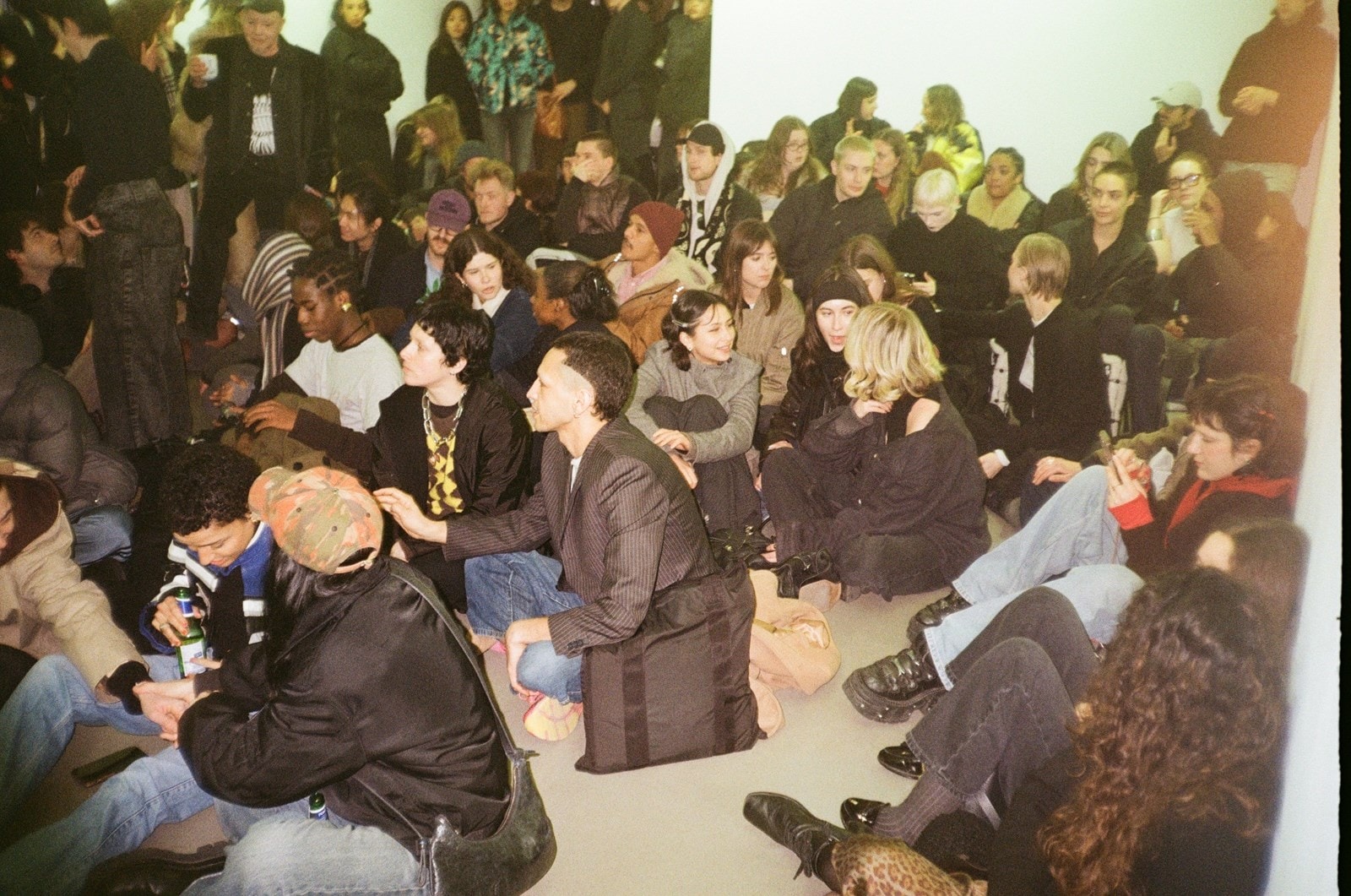
At the start of the year, Sadie Coles wanted to try something different. Inspired by a surge of underground art events in London, the gallerist launched Gargle with young curator Sam Will, a monthly spoken-word series held at the Kingly Street gallery in collaboration with a rotating line up of publishers and collectives. Featuring performances, poetry and readings, the buzzy evenings have drawn ever-growing crowds, with takeovers by Climax Books, James Massiah’s Adult Entertainment, and dance magazine Motor, among others. “It’s important as a gallery that you have a sense of renewal and that it’s a place for not just one generation,” Coles told us. “I feel it’s giving me something really tangible and special. It was so fantastic on Tuesday at Gargle to hear all these talented voices and to engage with an audience of young people. I was literally three decades older than anyone else in that room. It was actually a fantastic feeling.”

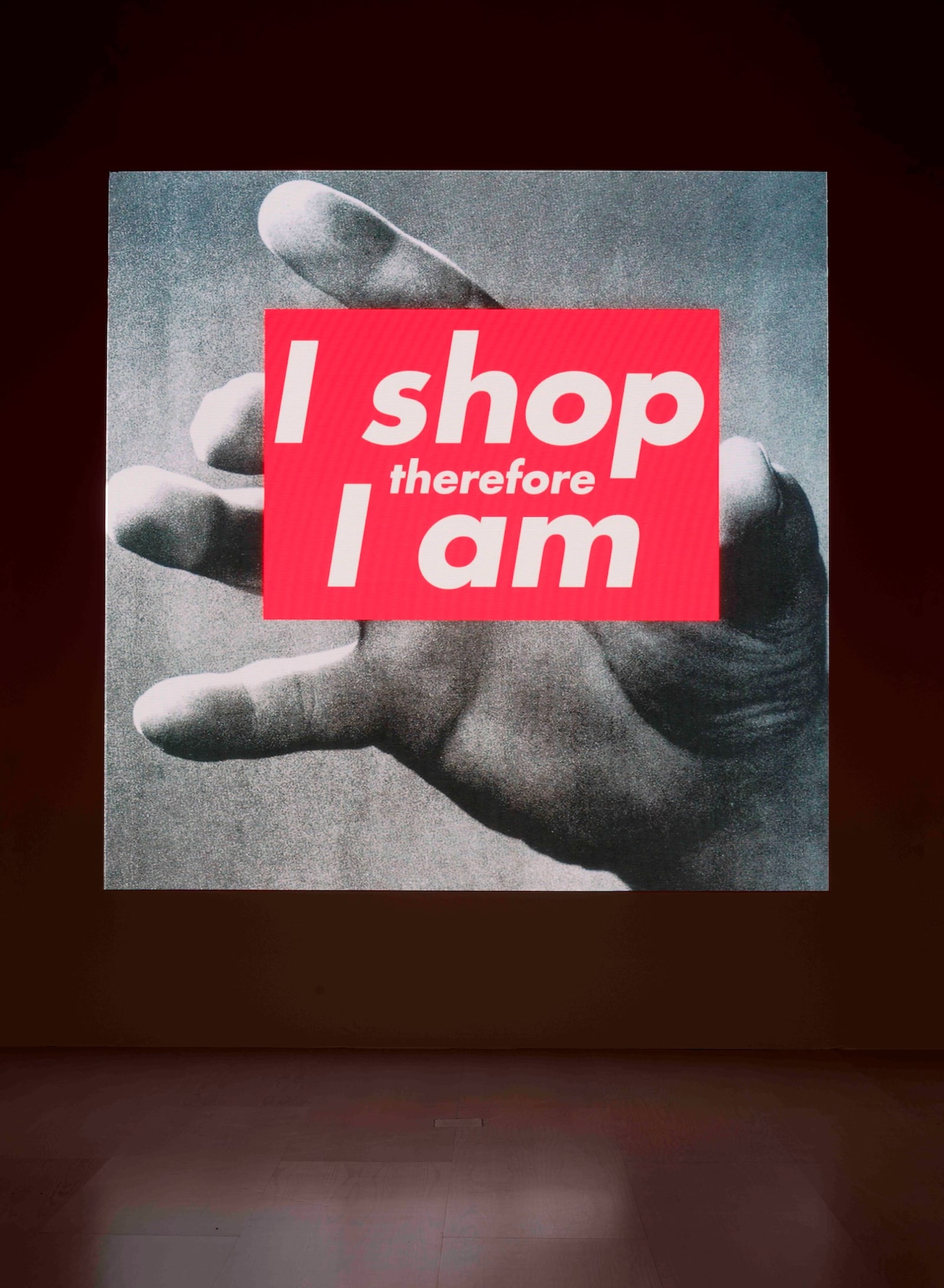


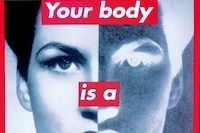
“There Is Less Truth”: Inside Barbara Kruger’s Fiercely Political New Show
As Barbara Kruger opened a major retrospective at Guggenheim Bilbao in July, Emily Steer met the legendary feminist artist for a conversation about the state of US politics, and art’s role within it. Filling the museum with her sharply designed works, including the widely circulated 1989 piece Your Body Is a Battleground, the touring show, Steer writes, feels searingly relevant in today’s era of Trump and the repeal of abortion rights. Speaking on the overturning of Roe v. Wade, Kruger said: “The fact that people are shocked is so distressing and really angers me. No one should be shocked by any of this. For the middle and the left here in the US, this was a self-inflicted wound by being in a bubble and not understanding what was building around them. Every time people called for revolution, I’d think, ‘There is a revolution happening and it ain’t on your side! Wake up.’”

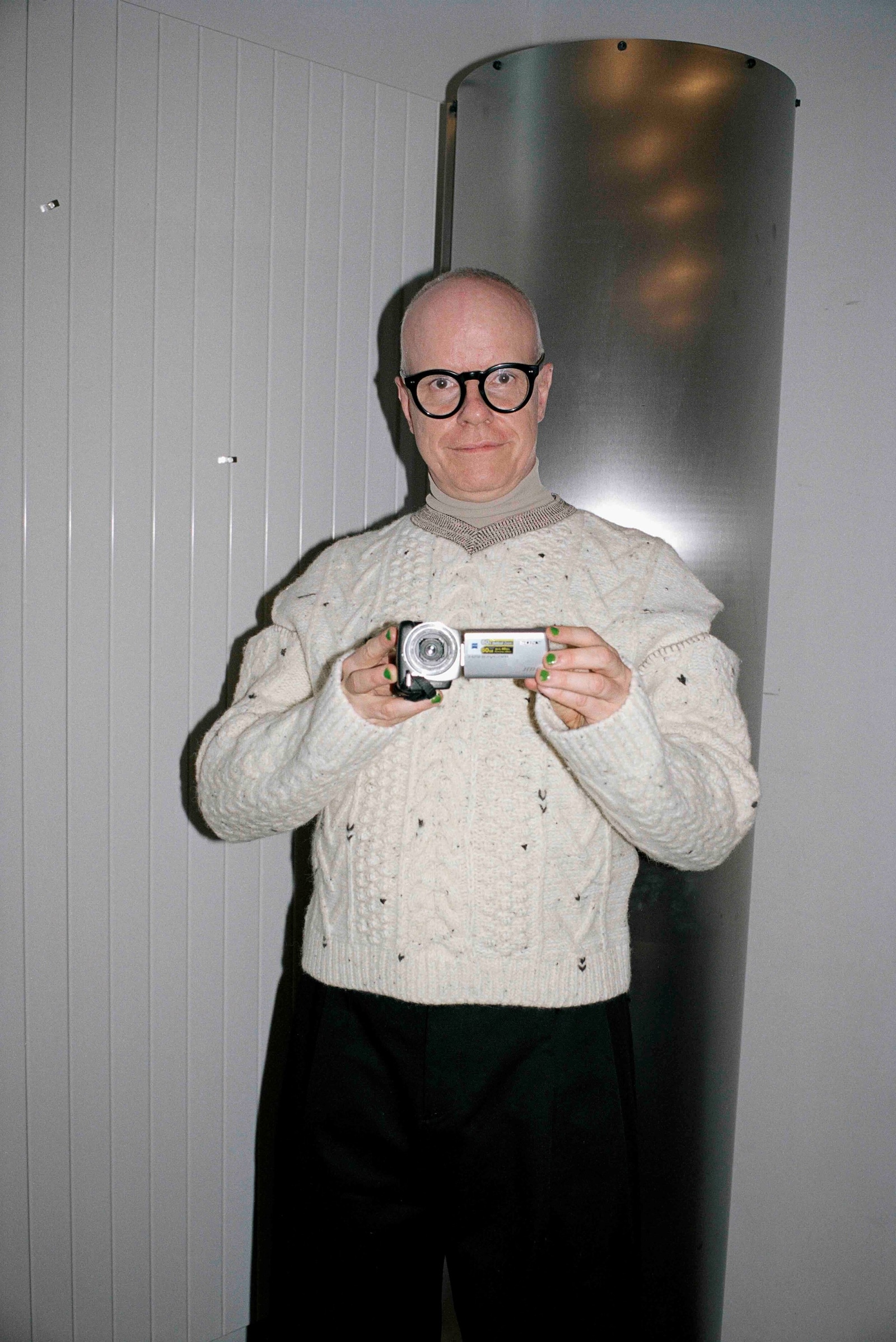
How Hans Ulrich Obrist Became the World’s Most Influential Curator
In October, Emily Steer interviewed Hans Ulrich Obrist, the prolific writer and artistic director of the Serpentine Gallery, as he published his memoir, Life in Progress. He shared how a near-death experience in childhood fuelled an endless desire to understand artists, why he finds inspiration in the words of philosopher Roman Krznaric, and seeing his role as a curator as “junction maker” between objects, people and ideas.

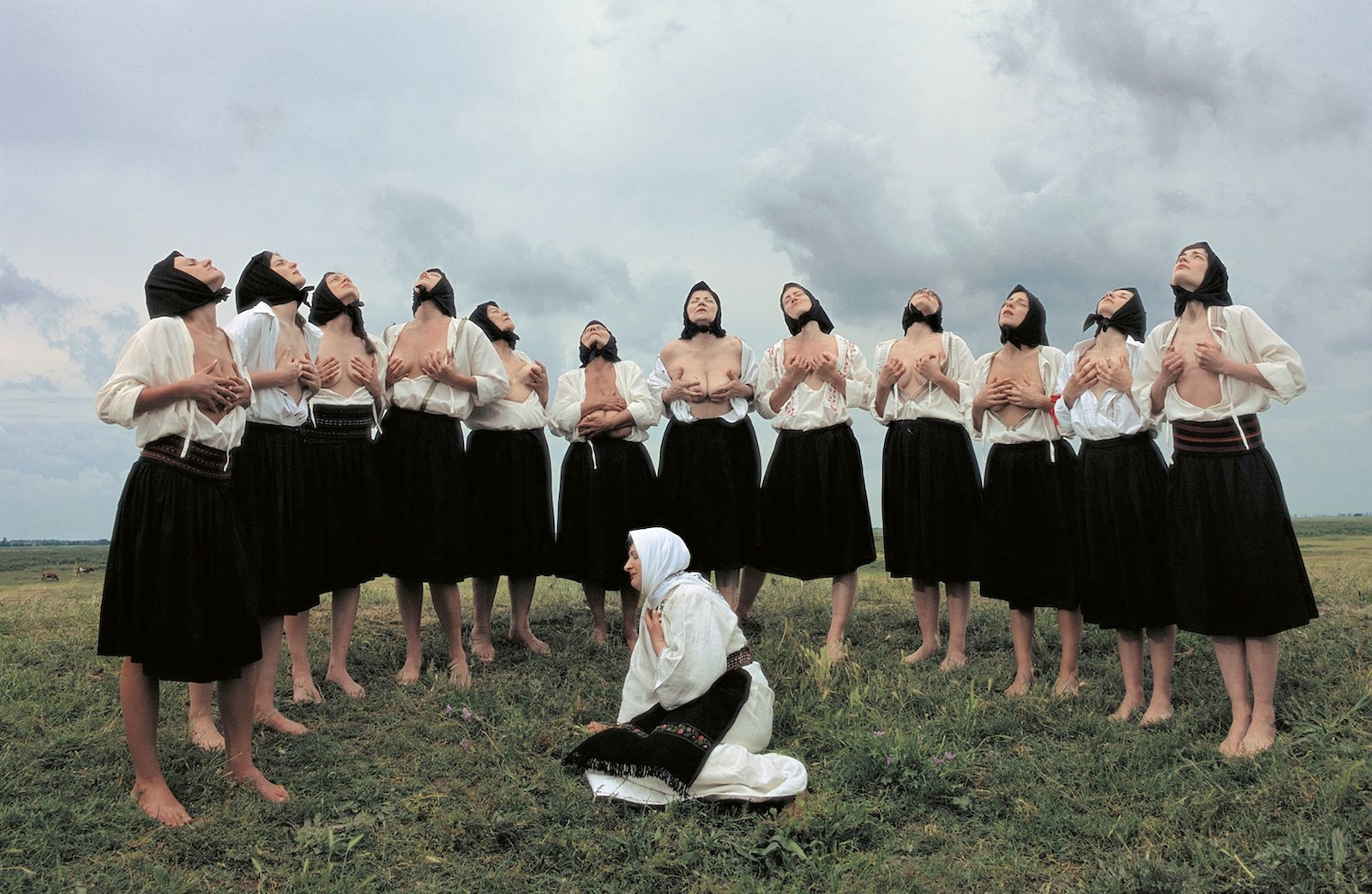
There Is No Stopping Marina Abramović
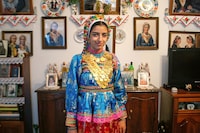
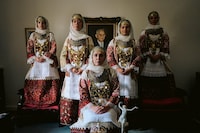
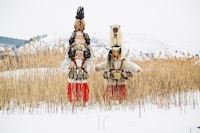
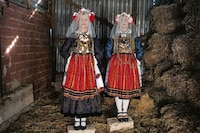
For the Autumn/Winter 2025 issue of AnOther Magazine, Sophie Bew spoke to the formidable Marina Abramović about her decision to return to her 2005 video Balkan Erotic Epic, two decades after it was first made. Reimagined as a four-hour immersive performance at Aviva Studios in Manchester, the work involved more than 75 participants and drew on the raw force of Slavic folklore, continuing Abramović’s lifelong exploration of the body as a conduit for communication. “Next year I will be 80 years old, and it’s so important to talk about sex and the erotic, because women stop thinking they exist after menopause,” she said. “Erotic energy is essential, especially in a time of destruction, violence, war and political chaos. Sexual energy is the only energy we carry in our bodies. It is the energy of reproduction and human existence.”
, 1983-84)
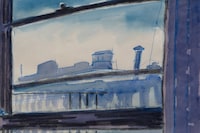
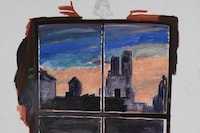
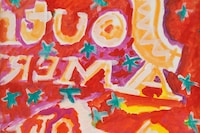
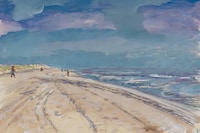
Kenny Schachter, Lynne Tillman and More on the Bodily Art of Paul Thek
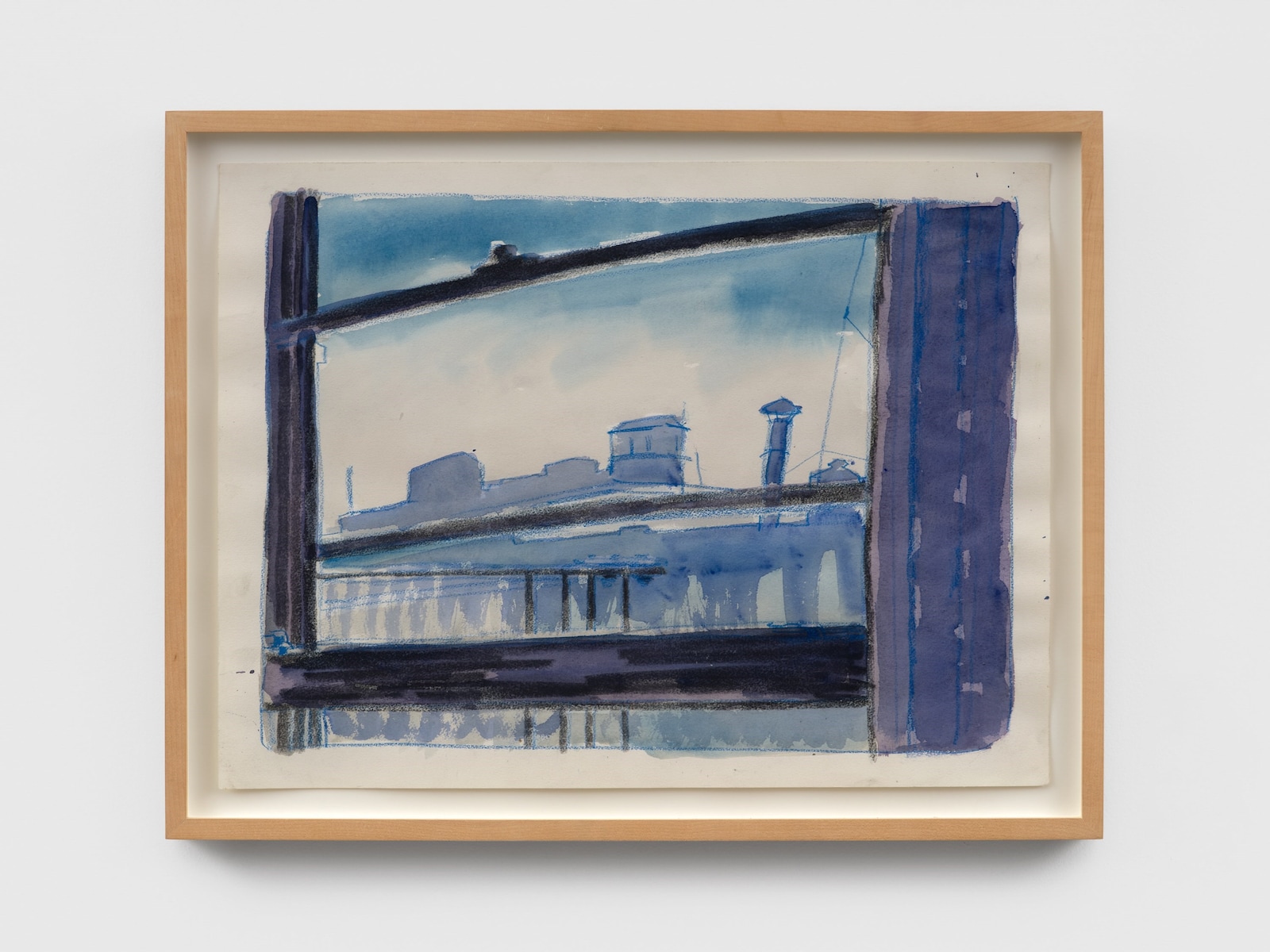
You may not know the name Paul Thek, but you might recognise his face from Peter Hujar’s photographs (particularly if you visited Raven Row in January.) The two were lovers in the 70s and first met on a road trip to Key West, Florida, in 1956, when they were both in their early twenties. A radical visionary in his own right, Thek’s work was largely overlooked during his lifetime, only gaining wider recognition in recent years. One of his most vocal champions is fashion designer Jonathan Anderson, who curated an exhibition of Thek’s raw, expressive paintings at Thomas Dane Gallery in June. To mark the opening, Will Ferreira Dyke invited a group of writers, academics and artists – including Kenny Schachter, Lynne Tillman and Andrew Durbin, Thek’s biographer – to reflect on his enduring legacy. “Right now, I’m thinking of a phrase from a 1988 painting, one of his last works, made when he was dying: ‘While there’s still time, let’s go out and feel everything.’,” said Durbin. “Those words capture his attitude as an artist. Keenly aware of the limits placed on any human life, he sought, always, experience.”
