
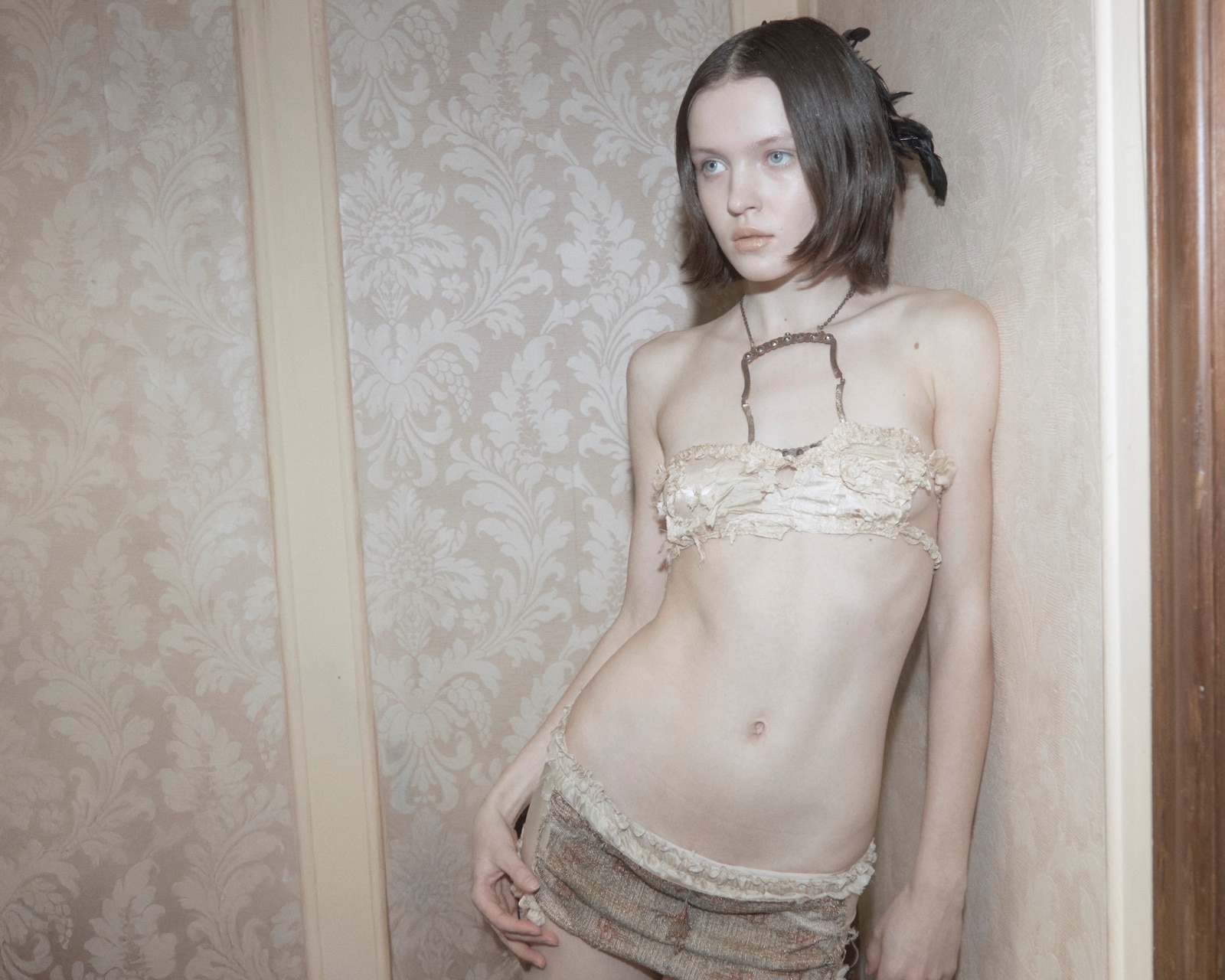
- Who is it? Lou de Bètoly is a Berlin-based label founded by French designer Odély Teboul
- Why do I want it? Utilising embroidery, crochet and knitwear, the brand produces couture-inspired upcycled pieces that have a dark, sensual edge
- Where can I find it? Lou de Bètoly is available to shop via APOC, H Lorenzo and the designer’s own website






Who is it? Lou de Bètoly is not a real person. She’s sort of a persona, a blue-blooded invention, the kind who might wear a string of pearls and a scuffed-up Chanel 11.12 bag to the dingiest club. “It’s an anagram of my birth name,” says Odély Teboul, the French designer behind the Berlin-based label, “but it’s also an alter ego. The ‘de’ is very aristocratic – I wanted to play with that, with the idea that as an artist, I can be whoever I want.” The impulse to play and to disobey is precisely what has made her one of Berlin’s most intriguing names in fashion.
Born in Amiens, France, Teboul began learning the ropes of fashion young: “My first work was probably cross-stitch embroidery,” she says. “Then crochet, then knitting. I started when I was five.” She moved to Paris at 18 to study fashion, describing her early years in the city as a crash course in culture and creative solitude. A few years later she landed at Jean Paul Gaultier’s atelier assisting with knitwear and haute couture embroidery. “It was a very analogue way of working,” she says. “Photocopies, draping by hand – I loved it.”

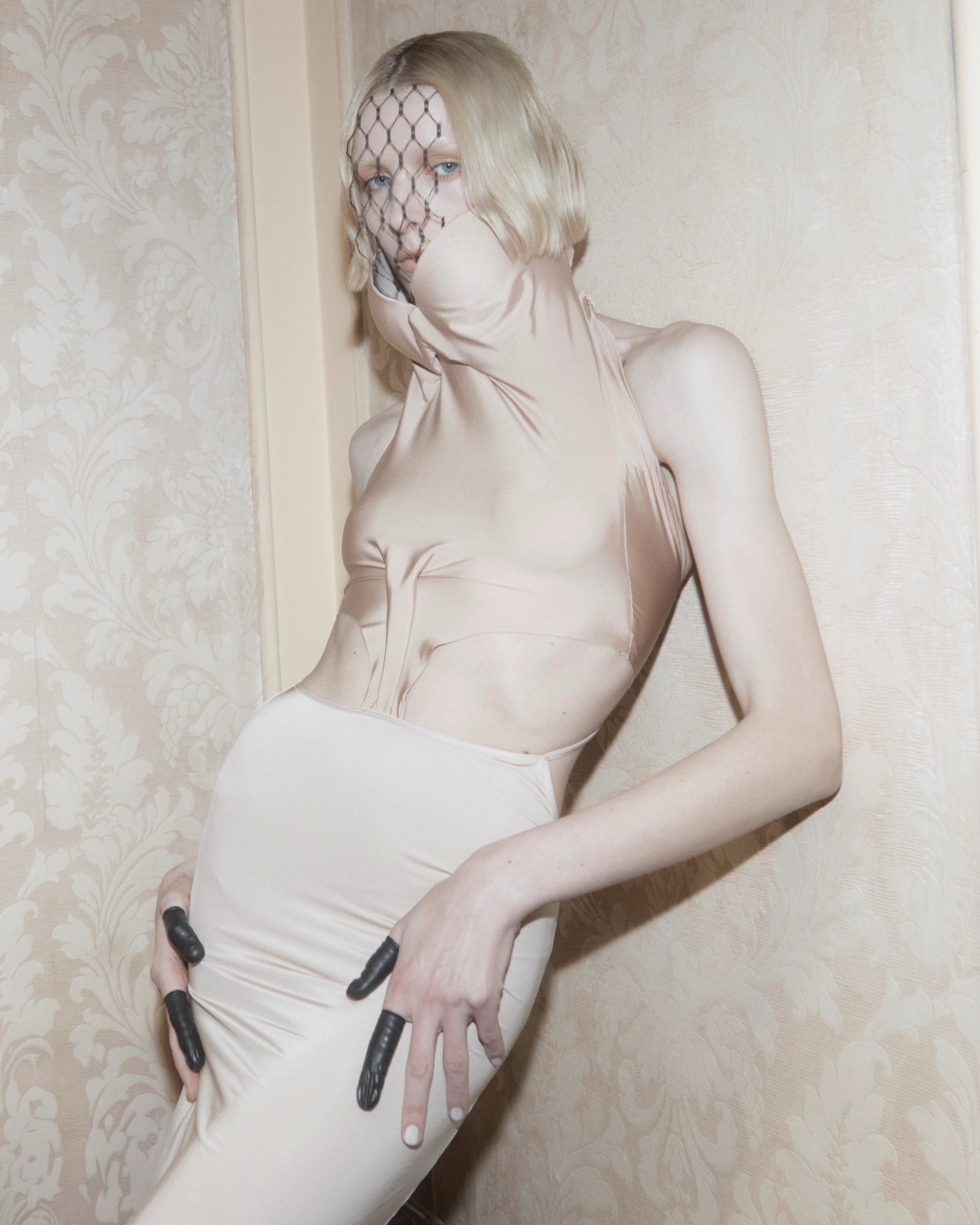

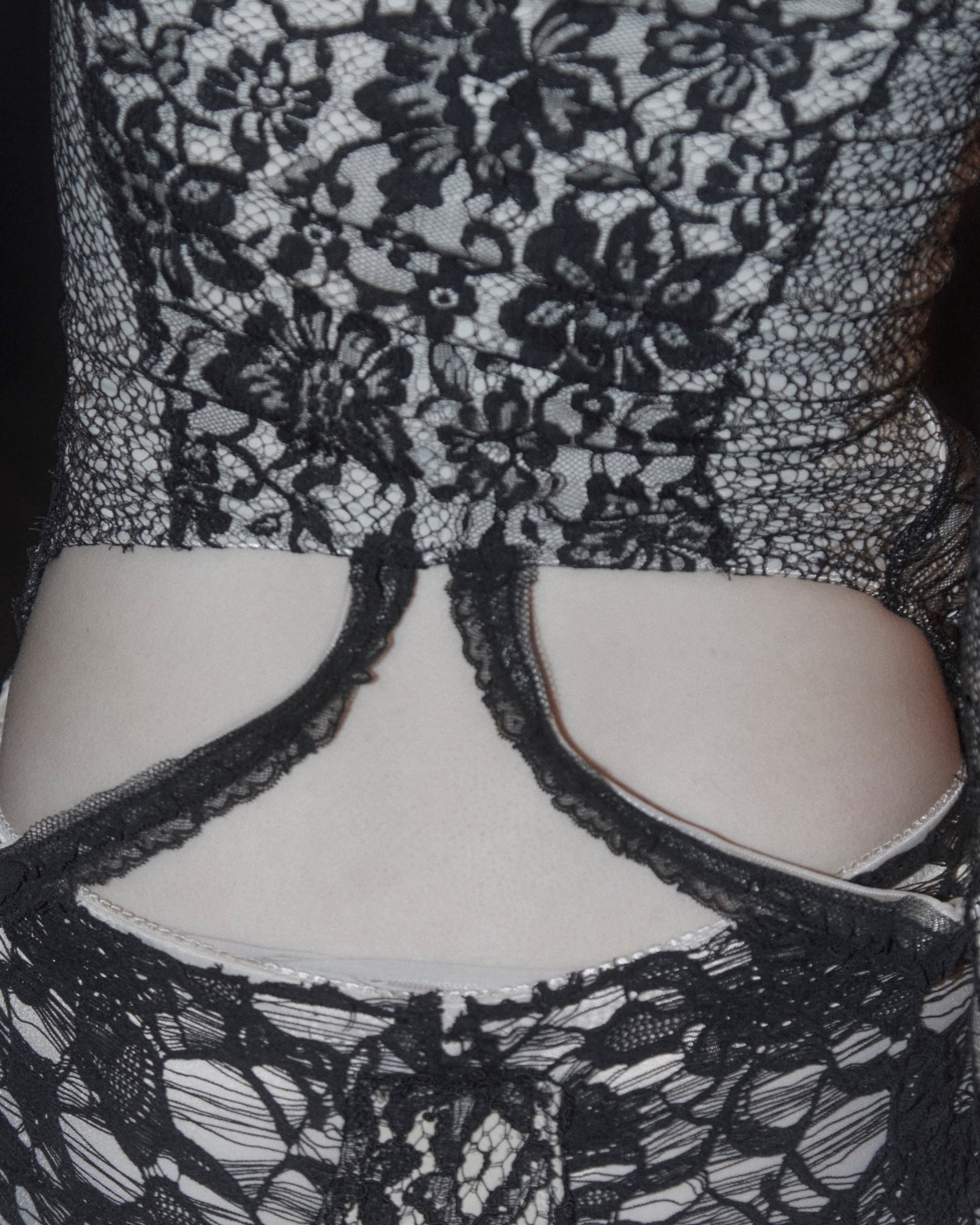
In 2010, she moved to Berlin and co-founded a critically admired label called Augustin Teboul, known for its black-on-black surrealist glamour. But after her business partner left, she started again entirely on her own terms. “I didn’t want to do what people tell you success is,” she says, deciding to eschew commerciality. “I’m bad at simple garments. I don’t feel that’s what the world is missing.”
Teboul founded Lou de Bètoly in 2018, and from the outset it was a deeply artisanal, joyously chaotic fashion house built on bricolage and total devotion to handcraft. Her clothes – crocheted, embroidered, beaded, pieced together from vintage scraps and found objects – have the finery of couture with the logic of a flea market. She calls it “decomposing couture.”
Her Berlin studio is small – she still does most of the making herself – but the world she’s constructing is expansive. “I let a lot of space for instinct,” she says. The results are strange and romantic. Like the name on the label, they suggest a world half-invented, half-nostalgic, and fully hers.

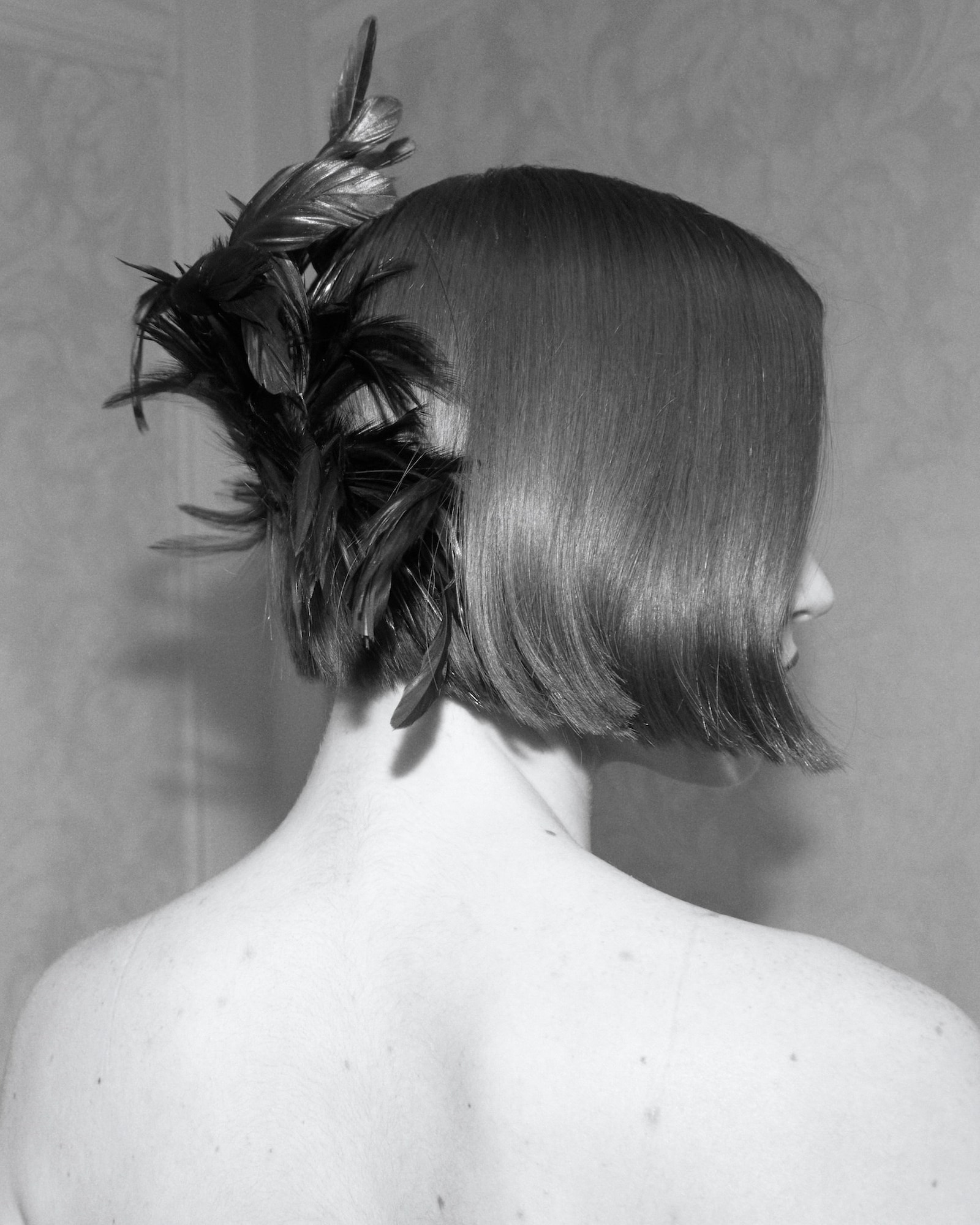

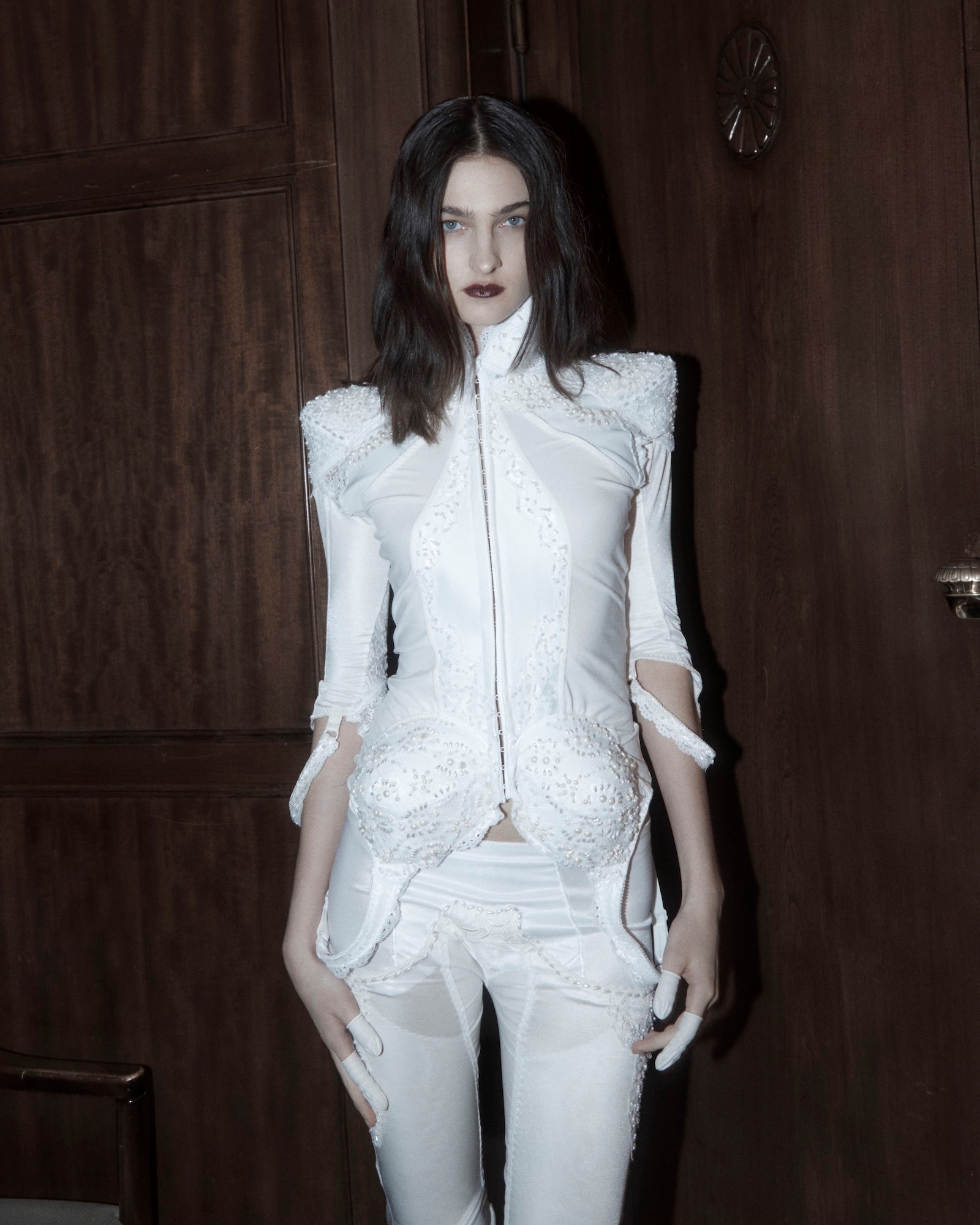
Why do I want it? Teboul only shows once a year for good reason: “I do everything by hand,” she says. “I’m not Dior. I need time to think.” This season’s Autumn/Winter 2026 collection, showing in a pair of moody municipal chambers at Rathaus Schöneberg – a city hall with baroque parquet floors and masculine wooden panelled walls – is a refinement of her method. “I’m not trying to do something new,” she says. “I’m trying to finish what I started.”
The starting point? A box of buttons she bought in the 90s as a child. “I was maybe ten,” she says. “This summer, I found it again while visiting my parents with my daughter. So we sat down and sorted it out.” Many of those buttons come crocheted directly into garments that clinked as they sauntered passed. Around them spiral tangled yarns, shredded vintage lingerie, and old purses deconstructed into coats and bustiers. Push-up bras appear as shoulder pads, or sprout awkwardly, or menacingly, from hips.

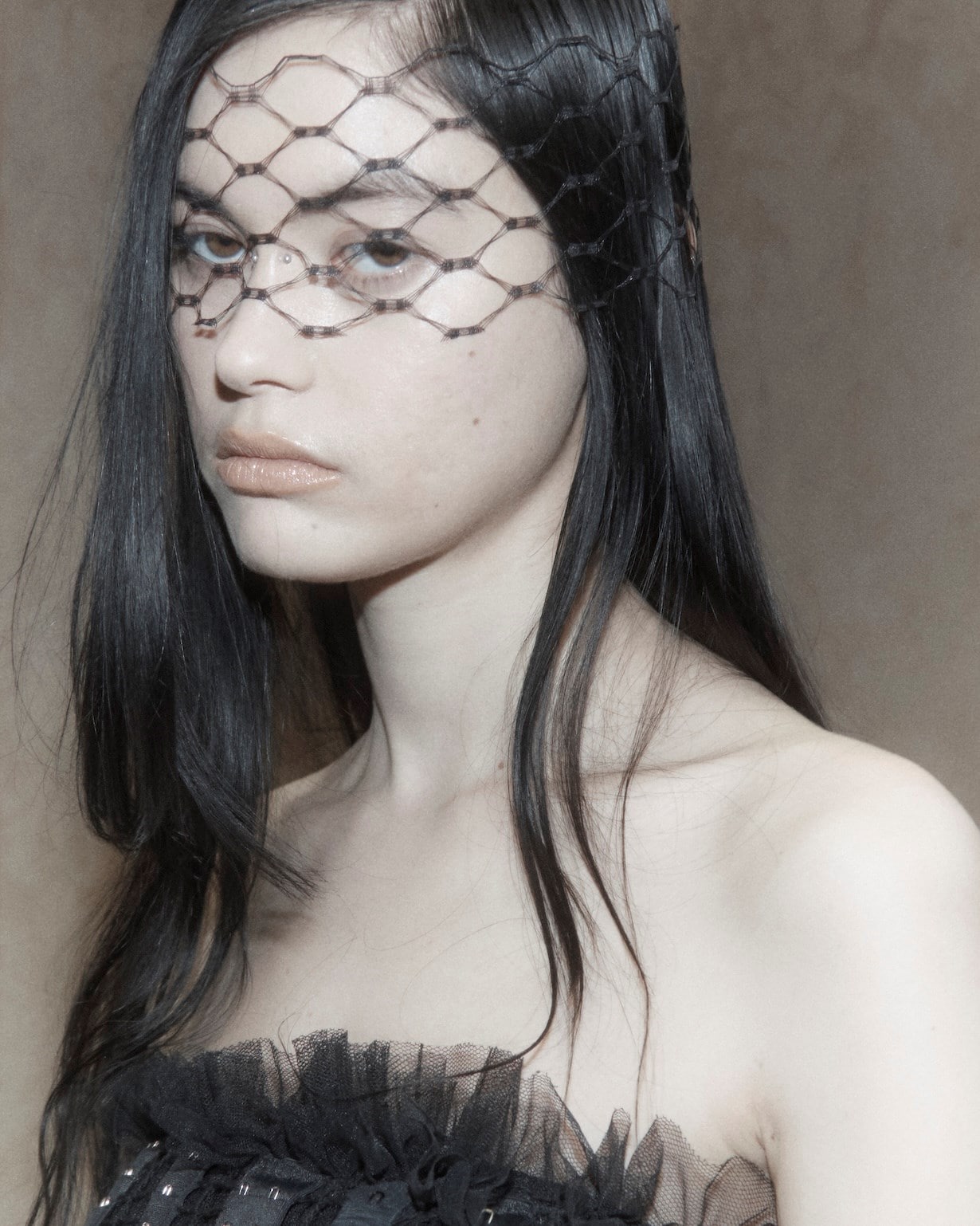

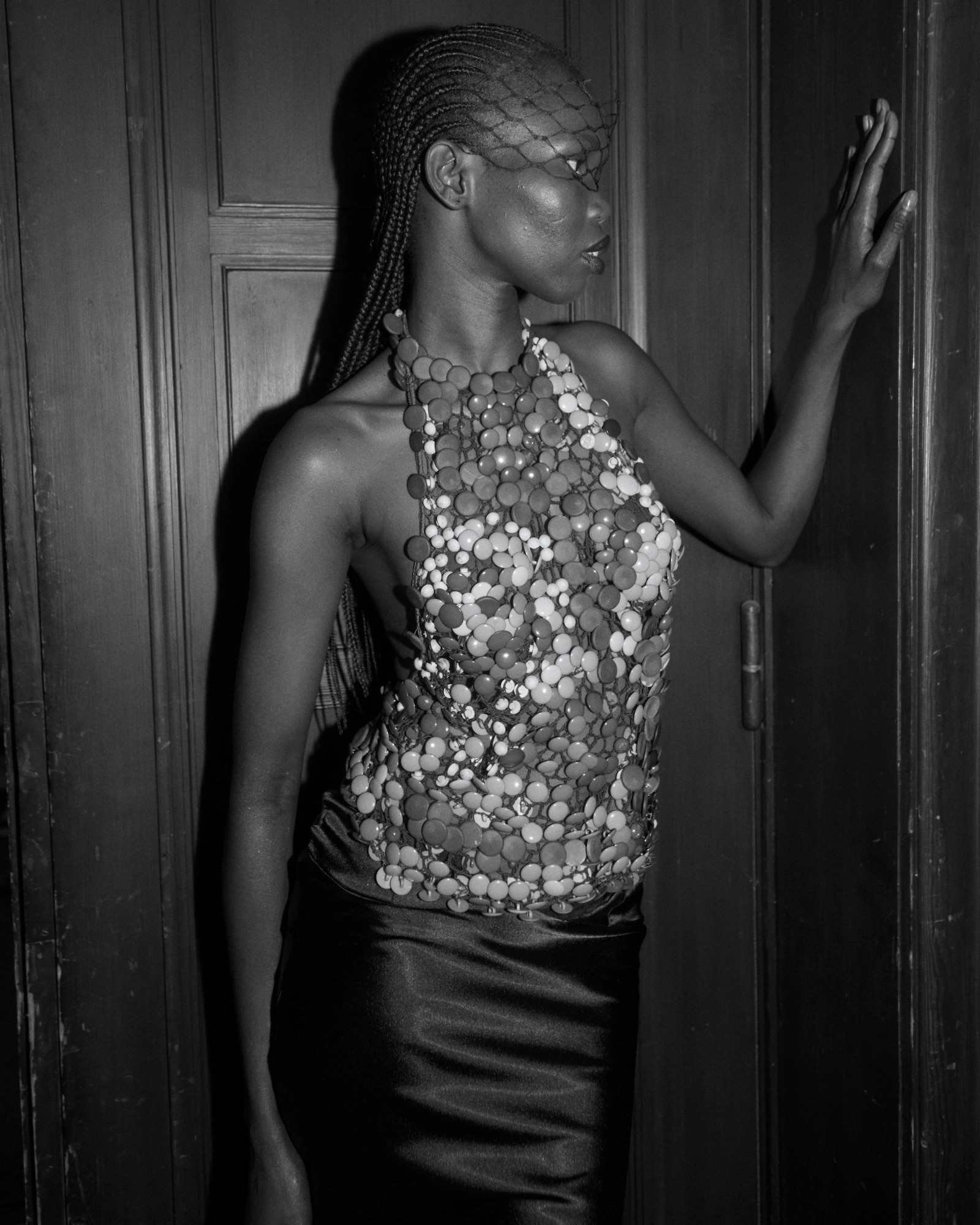
“I like the idea of bourgeois style – pearls, properness – but twisted,” she says. It’s convenient Berlin Fashion Week immediately follows haute couture in Paris – many of her characters appear as if they’re clients who decided on Berghain for the couture week afterparty, before being spat out onto Teboul’s runway in a kind of comedown crisis in clothing constructed out of domestic detritus. “Decadent, ironic, a little disturbing.” Elegance that’s unraveling, or maybe evolving.
This is a continuation of ideas she’s explored since her Autumn/Winter 2020 collection Bourgeoibstrus – a portmanteau of bourgeois and abstrus (obscure) – which included garments made of chandelier crystals and curtain tassels. This season, the palette is similarly decadent, but the materials more personal. “I love working with restrictions,” she says. “I have all this stuff in boxes. I say: let’s just use this.”

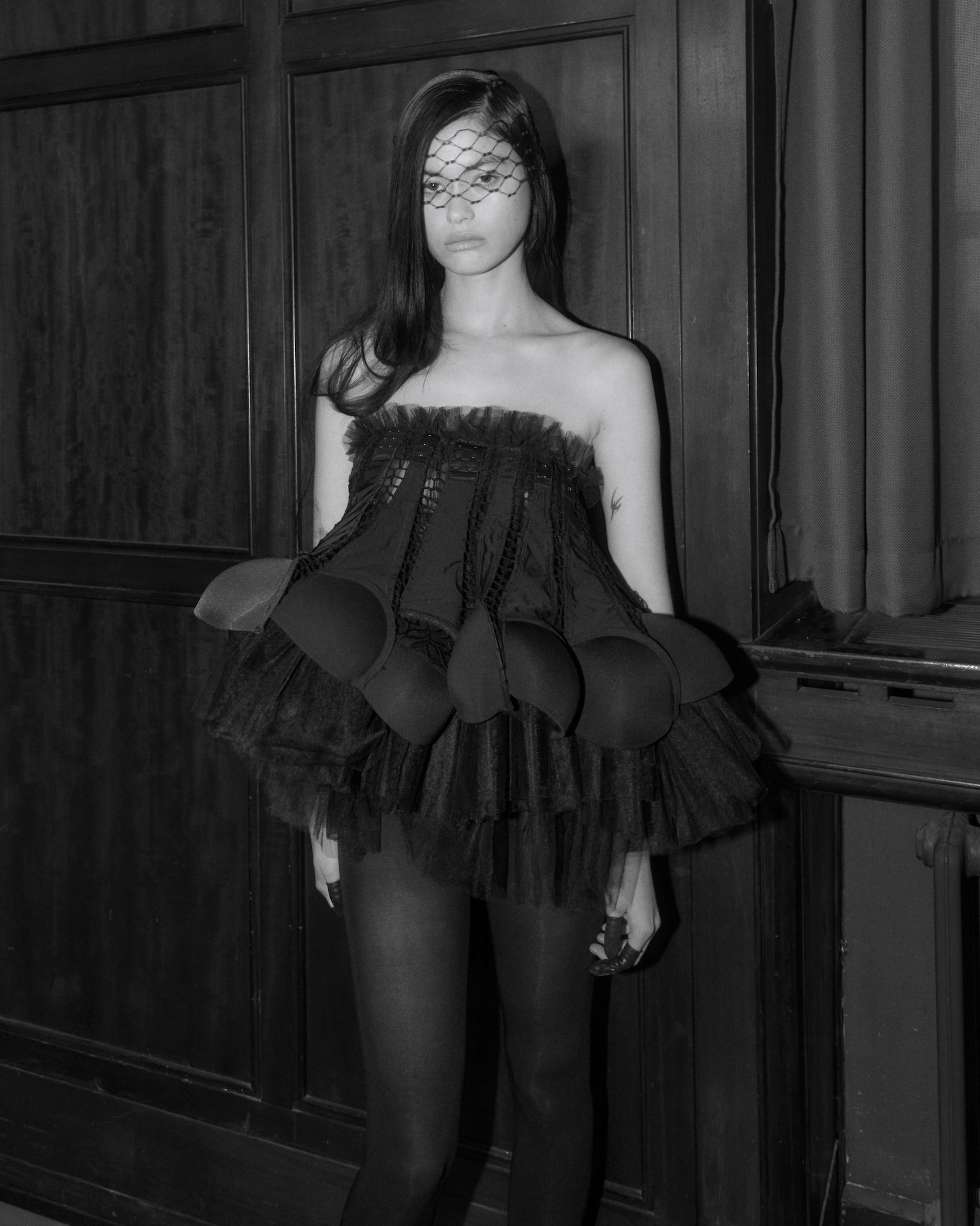

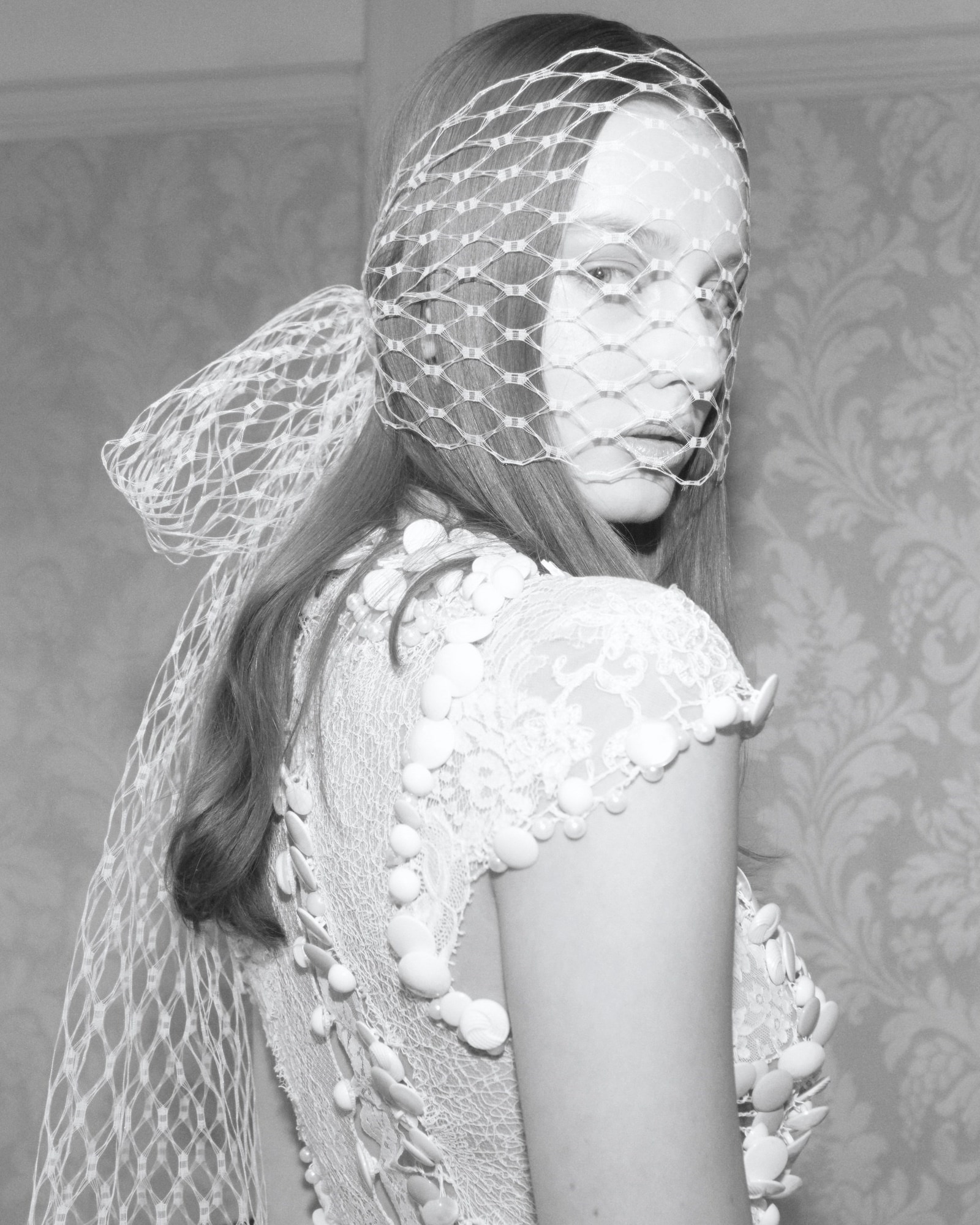
The show itself – creatively directed and styled by Tim Heyduck, staged beside a Berlin flea market – promised something intimate and deranged. “We didn’t plan it, but I love that the flea market will be closing while the guests arrive.” On the day the trestle tables outside were stacked full of bad art and household tat, and a group of men were having a loud disagreement with each other nearby. “It’s perfect,” she says.
There is no house muse, no ideal customer. “My pieces aren’t for daily wear,” she admits. “They’re extravagant. You have to dare.” Still, they’ve found their way onto bodies like SZA, Dua Lipa and Beyoncé, who commissioned a custom bodysuit made of charger cables and recycled mobile phones. That’s the magic of Lou de Bètoly: the clothes are stitched with irony, but worn with conviction. And they’re made to last – stubbornly and beautifully – by a designer who refuses to do things any other way.
Where can I find it? Lou de Bètoly is available to shop via APOC, H Lorenzo and the designer’s own website.
