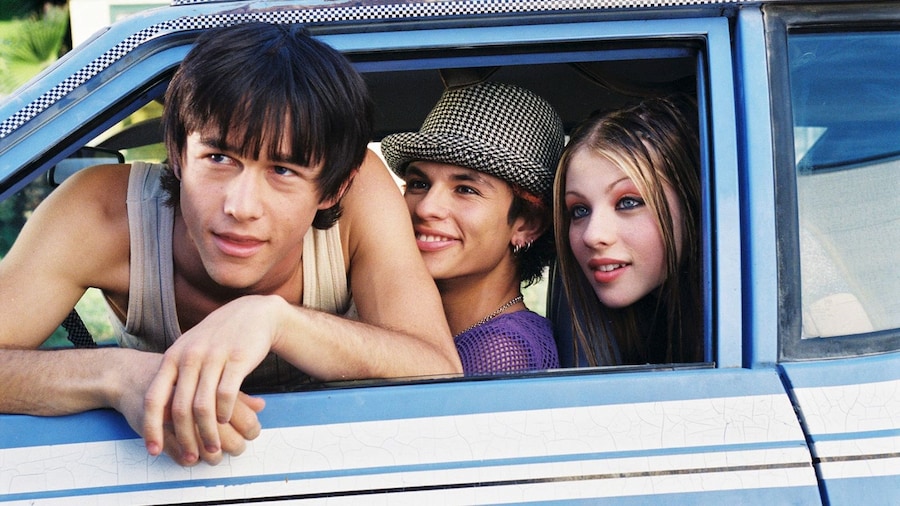
For BFI Flare’s 40th anniversary edition, programmer Darren Jones selects the landmark screenings that helped put the festival on the map
This year, BFI Flare: London LGBTQIA+ Film Festival is celebrating its 40th birthday. What began in 1986 as Gays’ Own Pictures – nine features screened at London’s National Film Theatre over seven days – has blossomed into Europe’s biggest and most dynamic queer film festival. It’s a nourishing hub for budding directors and queer cinephiles alike, as well as a vital platform for diverse LGBTQ+ stories across the world. And it still takes place in the same location: BFI Southbank, as the National Film Theatre was renamed in 2007.
“I started as a volunteer at Flare in 2015,” says writer, performer and filmmaker Amrou Al-Kadhi, “and it was a magical experience of watching films by and for our community. I felt so held.” With encouragement from Tricia Tuttle, the festival’s then-director, Al-Kadhi joined the BFI Flare x Bafta mentorship scheme, where they met their future producing partner, Savannah James-Bayly. “We went on to create four shorts and a feature together, all centring queer people of colour. Without Flare, I would not have a filmmaking career.”
After screening their feature debut, Layla, at the festival in 2024, Al-Kadhi returns this year with Original Sin, an “unapologetic and angry” short exploring the intergenerational trauma affecting a Muslim drag queen and her mother. Among the many other programme highlights are punky, trans-led horror romp The Serpent’s Skin, a 30th anniversary screening of Cheryl Dunye’s The Watermelon Woman – the first feature to be directed by a Black queer woman – and the world premiere of Madfabulous, an unabashedly campy biopic of a transgressive 19th-century aristocrat.
The festival will open with Jennifer Kroot’s Hunky Jesus, a documentary about a subversive Easter drag contest in San Francisco, and close with Sandulela Asanda’s Black Burns Fast, which traces a teenage girl’s queer awakening at a South African boarding school. To celebrate a life-affirming film festival like no other, programmer Darren Jones looks back at eight opening and closing night selections from across Flare’s 40-year history (dates in brackets denote the year that films screened at the festival).

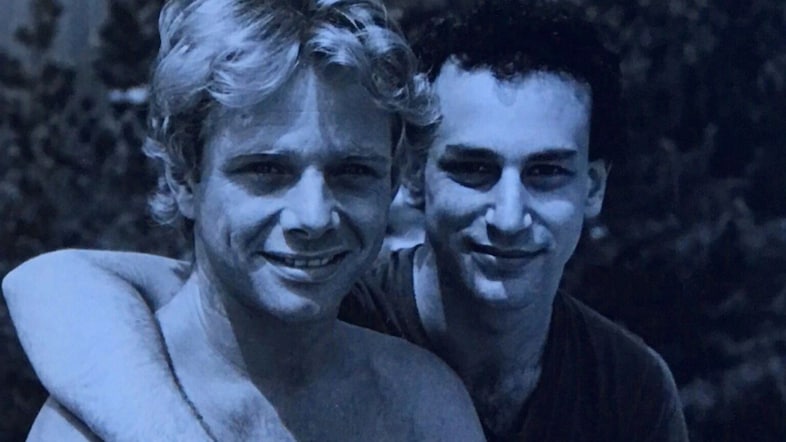
Buddies (1986)
“Directed by Arthur J Bressan Jr, this was one of the first films to deal head-on with the HIV/Aids epidemic. At the time, Aids was seen as a ‘gay plague’ and gay men were really being vilified in the press, but this film told a beautifully human and compassionate story that challenged the stigma. Queer film has always been inherently political; the fact that Buddies was chosen to open the inaugural festival shows that the programmers were carving out space for our stories from the start.”

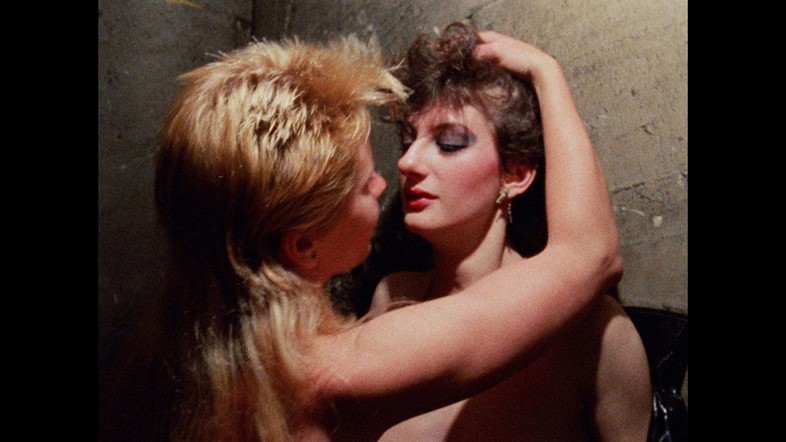
Kamikaze Hearts (1989)
“This is such an important film, directed by Juliet Bashore, about the relationship between two actresses who work in the porn industry. It’s interesting from a formal perspective because it’s sort of docufiction, which was quite unusual at the time, but it’s also very bold in terms of its subject matter. It shows queer women being unapologetically sexual, which challenged any prevailing idea of so-called ‘respectable lesbianism’. It also felt very different from previous depictions of lesbianism [on screen], like 1968’s The Killing of Sister George.”

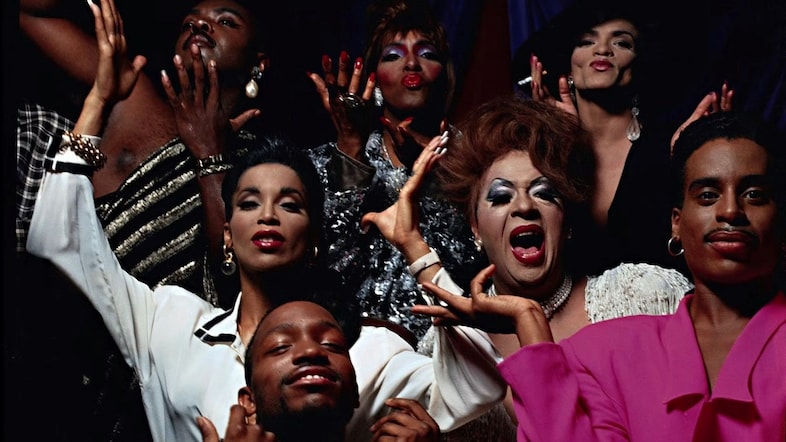
Paris Is Burning (1991)
“Obviously, young queer people are still seeking out this film today, but at the time it was such a fascinating document of a culture that many of us didn’t know about: the Black and Hispanic ballroom scene in New York. It was also controversial because the director, Jennie Livingston, was a white cis woman who wasn’t part of that scene. It was one of the first films I can remember seeing with a range of trans people in it and their individual stories are told so richly with so much heart. I think that’s why it continues to resonate with audiences today.”

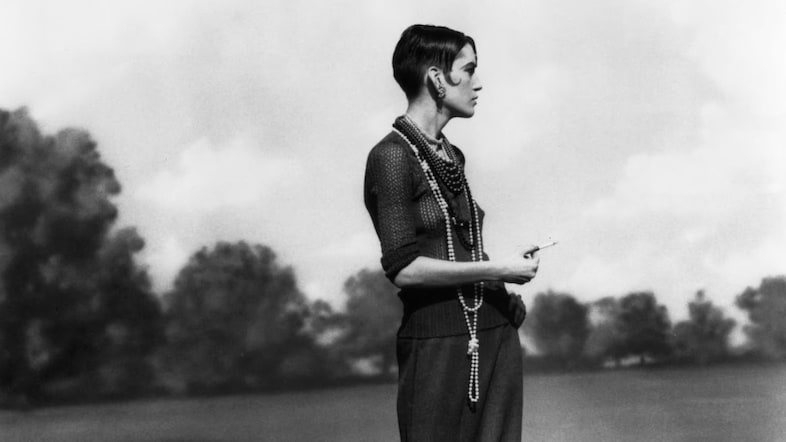
Swoon (1992)
“This was a key film in the New Queer Cinema movement of the early 1990s. Directed by Tom Kalin, it looks at the Leopold and Loeb murder case [of 1924] through a homoerotic lens and presents the protagonists almost as antiheroes. Seeing queer characters on the wrong side of the law really exemplified the shift into more daring and confrontational queer storytelling that we saw in the 1990s. It also has this really cool, lo-fi aesthetic that felt very fresh at the time.”

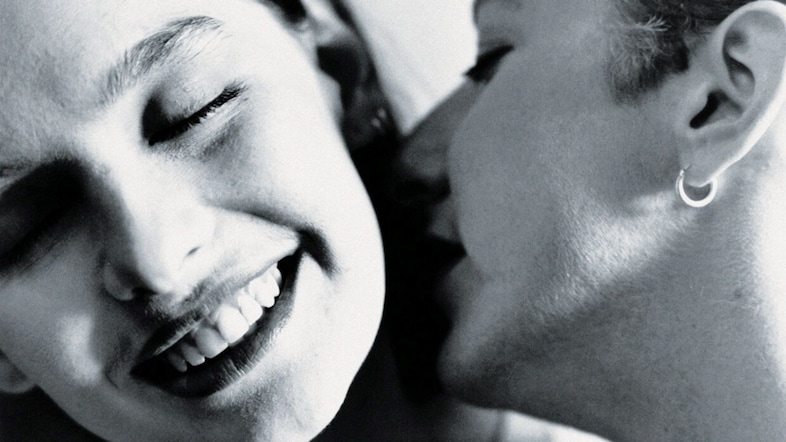
Go Fish (1994)
“Many of my lesbian friends would pick Rose Troche’s Go Fish as one of their favourite films ever. It doesn’t seem to get screened as much now, which is a real shame because when it came out, it felt very different from other queer films. It has a kind of French New Wave vibe and follows its character interacting in a very casual and non-linear way, a bit like [Noah Baumbach’s 2012 film] Frances Ha. I remember it doing very well on the festival circuit at the time, so it definitely would have opened doors for more films about queer women to get funded and distributed.”

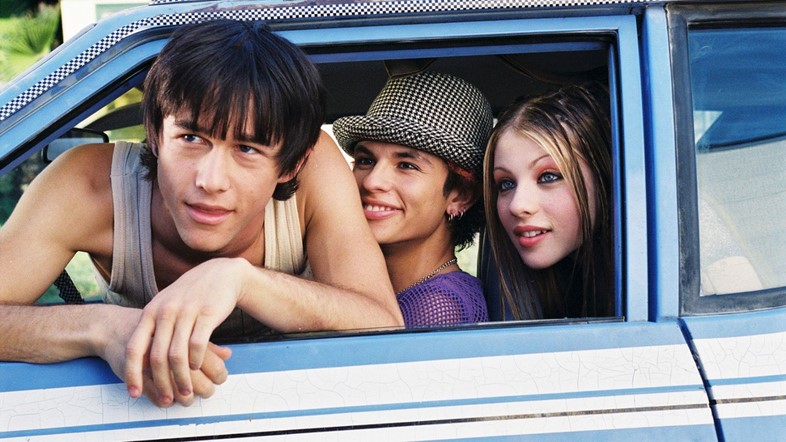
Mysterious Skin (2005)
“This film’s director, Gregg Araki, is one of the leading lights of New Queer Cinema. Mysterious Skin is a tough film about trauma and abuse, but also a sensitive and really self-assured one. A lot of queer people have experienced trauma in their childhood, so I think there’s still something deeply affecting about the story Araki tells here.”
Read our guide to the films of Gregg Araki here.

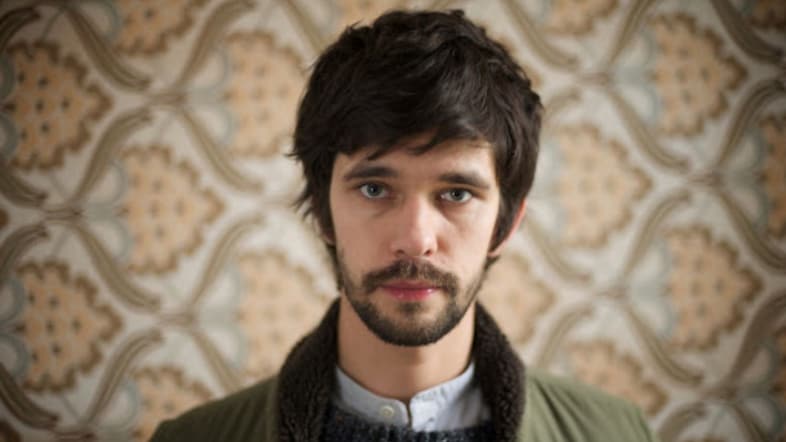
Lilting (2014)
“This is such a beautiful film about grief: it’s very quiet and measured, but also very emotional. It’s about an intergenerational and cross-cultural relationship between the Chinese-Cambodian mother of a young queer man who dies and his white British partner, who she didn’t know about. In a way, their profound sense of loss manages to cross the language barrier. We’d screened [director] Hong Khaou’s shorts previously, so it felt really exciting to open the festival with his debut feature.”

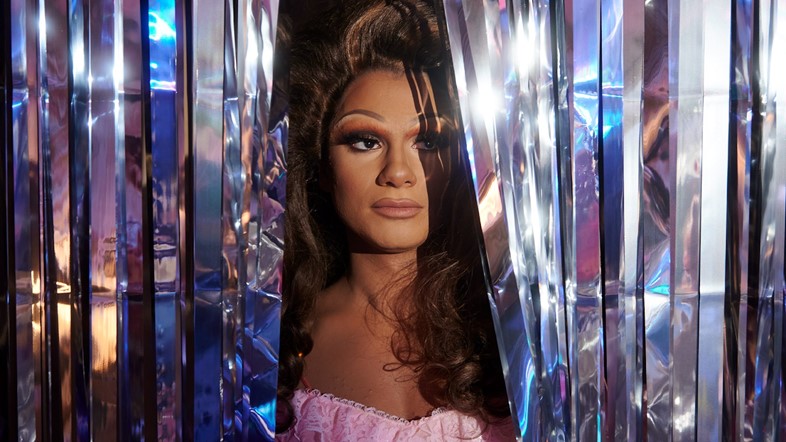
Layla (2024)
“Amrou Al-Kadhi’s film – about a British-Palestinian drag performer who’s non-binary – feels very ‘now’ and intersectional, but it also has echoes of classic British queer films like Stephen Frears’ My Beautiful Launderette. Russell T Davies was Amrou’s mentor on the BFI Flare x Bafta mentorship scheme, so we’re thrilled that they’re coming back this year to host a screen talk with Russell. It’s lovely to have a full circle moment like that, especially in our 40th year.”
BFI Flare: London LGBTQIA+ Film Festival takes place at BFI Southbank in London from 18-29 March 2026.
