
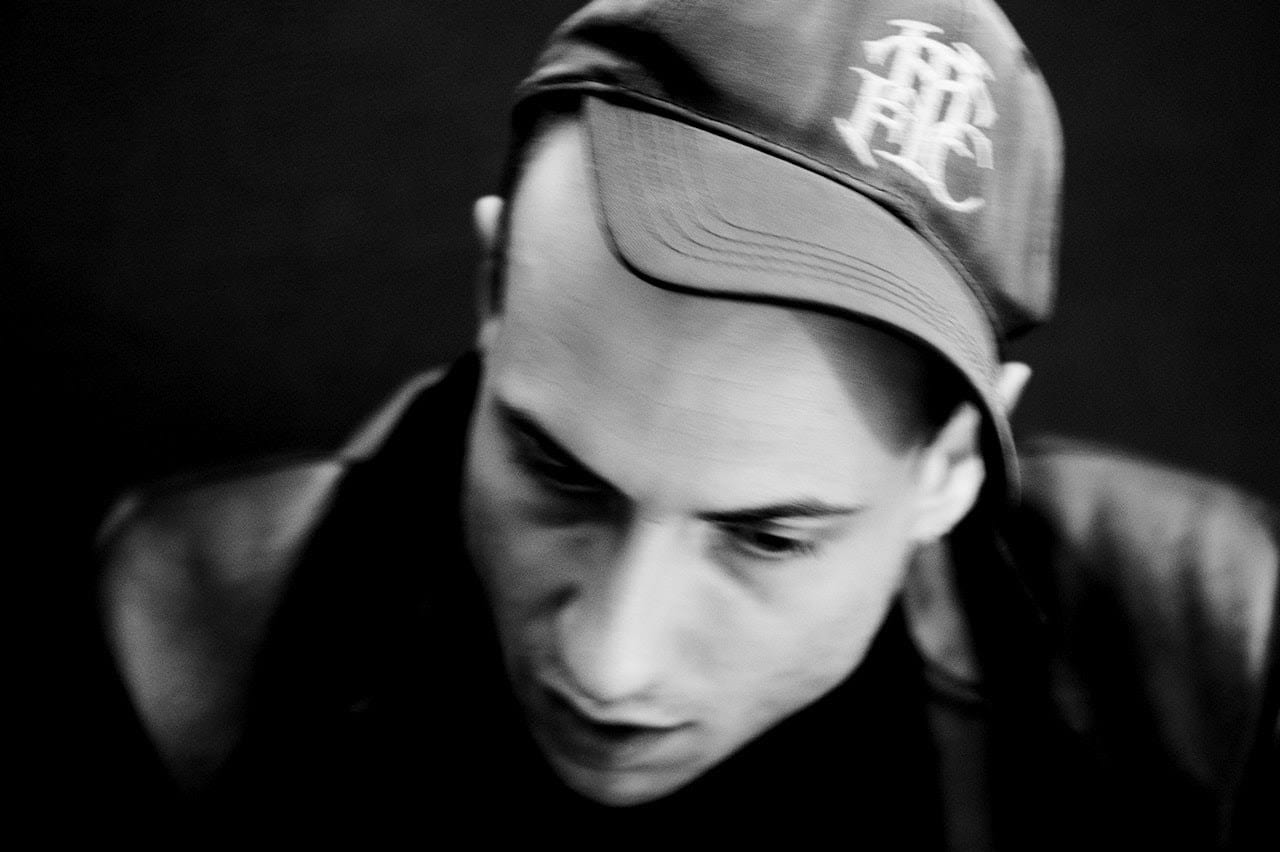
“Music manuscripts are very beautiful looking to me, but they’re sort of a bit alien – a bit triggering,” says musician and composer Daniel Blumberg, who doesn’t read music per se. But with a Bafta and an Academy Award under his belt for his original score for Brady Corbet’s The Brutalist, his informal training is clearly without detriment. “When I was a kid, my piano teacher told me, ‘You don’t need to read music to play it.’”
Instead, Blumberg, now in his thirties, approaches music experimentally. It’s a philosophy that translated well when scoring Mona Fastvold’s latest film, The Testament of Ann Lee. The 18th-century musical biopic, co-written by Fastvold and her partner Brady Cobert, follows the true story of Ann Lee, a devoted member of the Shaker Quaker sect, who many believed to be the embodiment of Christ’s second coming.
Ann Lee, played superbly by Amanda Seyfried, was the illiterate daughter of a Mancunian blacksmith. After losing four children in their infancy, Lee found respite from her grief through religious devotion and the worship of the Shaker group, to whom music and dance were principal. Feared for their euphoric, convulsing worship and ecstatic trembling – and persecuted for their radical matriarchal leadership and ascetic practices – the Shakers took their messaging from Manchester to colonial New York, led by Lee. Here they preached their testament of pacifism, equality of race and gender and celibacy, founding a new community of supporters, only to be similarly persecuted.

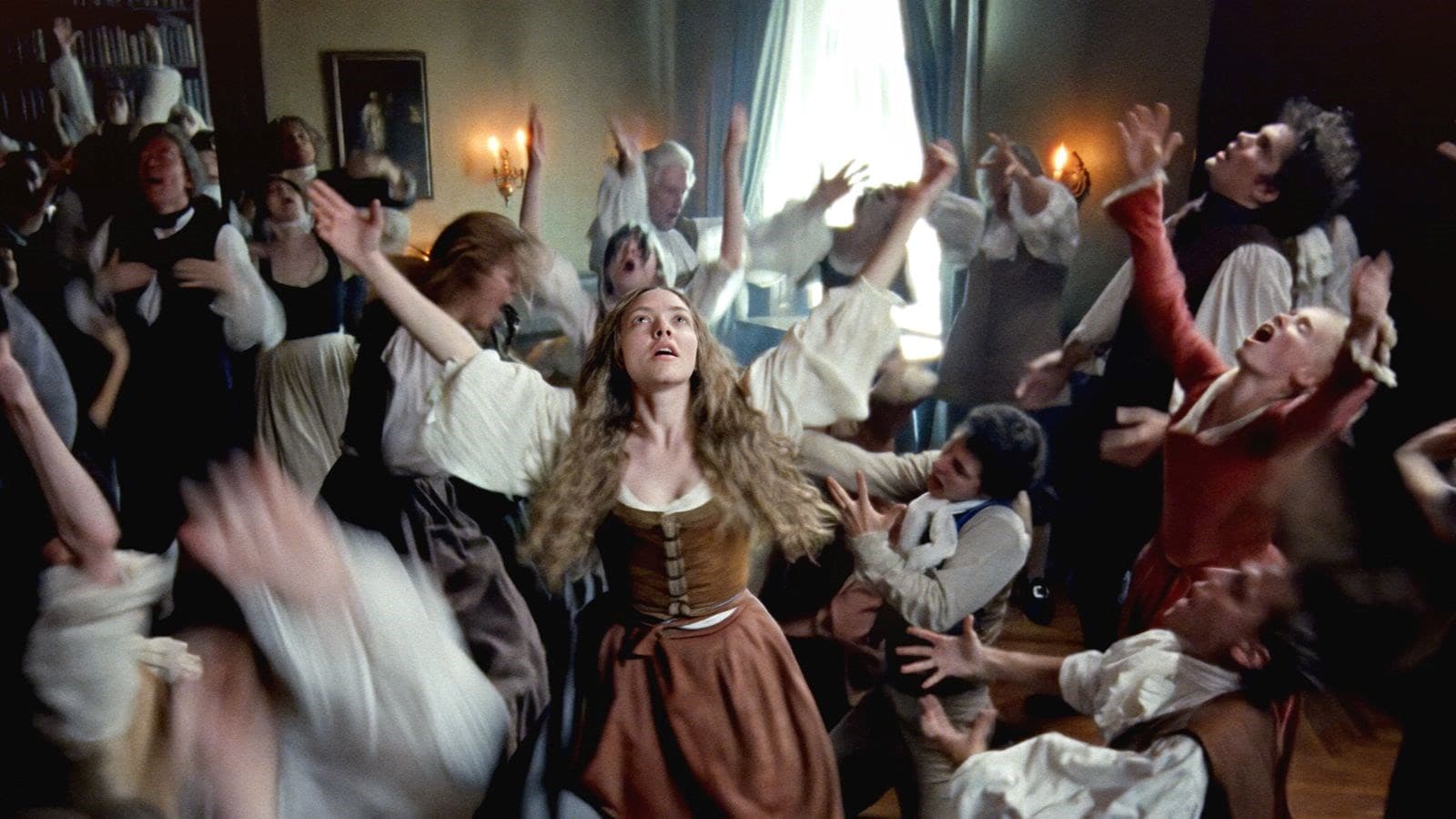
The film is weird and whelming in the best way, and Blumberg’s score is central in its telling. Remixing old Shaker hymns and spiritual incantations, he creates something immersive and hauntingly emotional. Mantra repetition, singular syllable sounds, hymn-like chorals and a small palette of traditional instruments from hand bells to the celesta keyboard emphasised the true story’s lore. “Singing was a big part of the Shaker culture,” he says, lighting up a cigarette. “I started by studying old books and documentation on Shaker music, hymns and prayer.”
Blumberg, who began his career playing in indie rock bands Cajun Dance Party and Yuck, first came across improvised music at Dalston’s experimental music space Cafe OTO. “I first went about 13 years ago and it changed my life. I saw someone playing completely improvised music, and I’d never known that existed. It was very alien to me but also close to home.” Literally close to his east London home and studio too, he began to frequent the space. “I’d go most days and meet people who might have had different musical backgrounds to me, but I felt aligned to them,” he says.
“I work in a very obsessive way” – Daniel Blumberg
Blumberg found parallels between Shaker worship and improvisation. “The Shakers were not professional singers; they were just a community of people,” he says. “The vocals on the score ranged from these particular improvising singers, like Shelley Hirsch from New York, who is influential in that field, and Amanda [Seyfried], who has a pure, technical-sounding voice, to these amateur and church choirs and people who don’t normally sing. I invited my sister [Ilana Blumberg], her friends and my cousin.”
Blumberg worked with musicians Phil Minton, Maggie Nicols, Steven Noble and Tom Wheatley, many of whom he came across at Cafe OTO. “The string players were like my dream string players to work with, like cellist Okkyung Lee, who I’d never worked with before but I’m a big fan of,” he says.

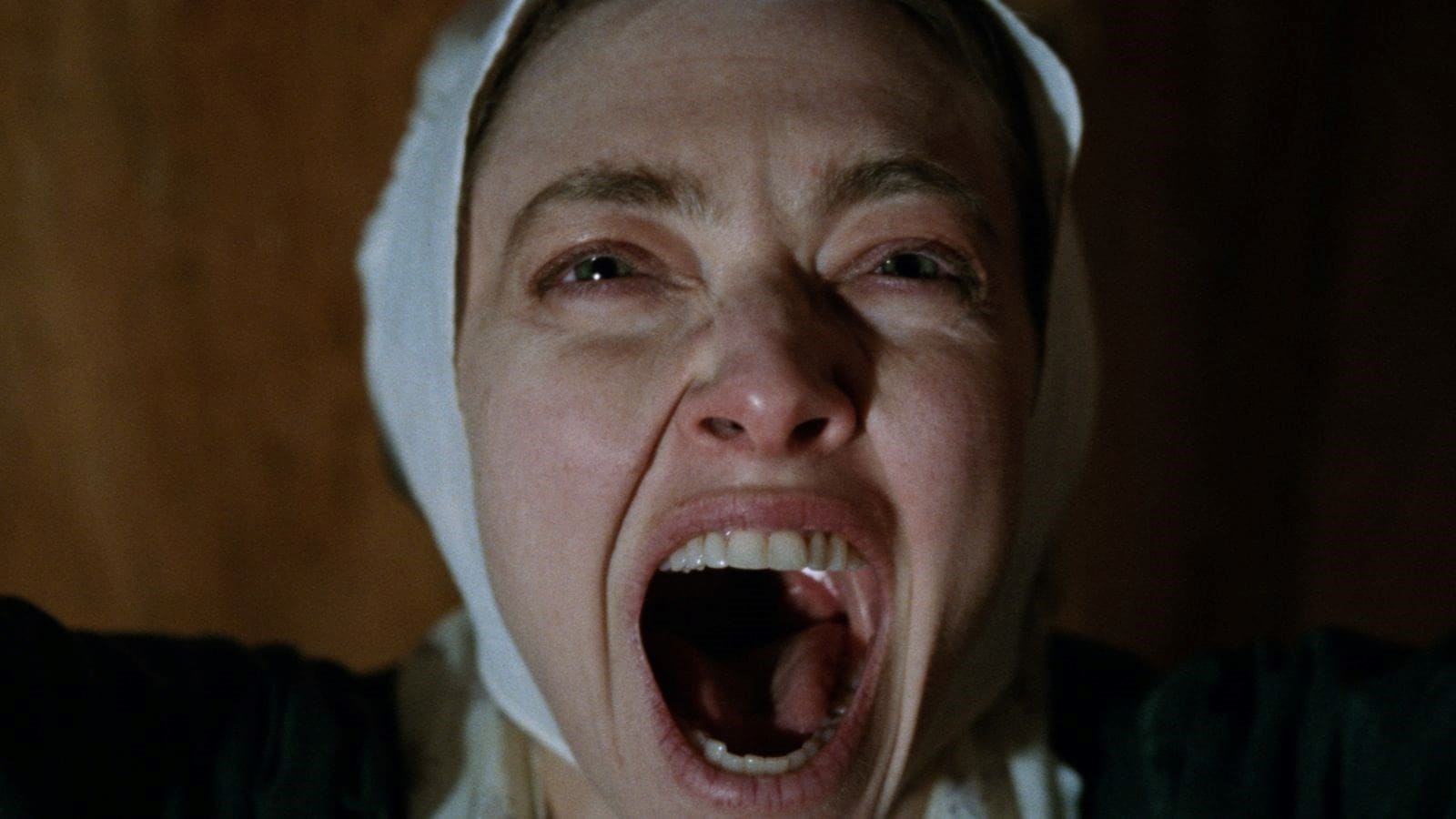
Marked by an epic electric guitar solo, the score momentarily modulates into something almost electronic, coinciding with a solar eclipse. This same scene sees Blumberg make an on-screen appearance as part of the cast (he’s not the only member of the music ensemble to feature). “Maggie [Nichols] has a scene where she does this amazing improvised performance during worship, like her voice is coming from the heavens,” he says. “Mona kept the cameras rolling and everyone on-set just clapped.” Musicians Freya Edmondes and Josephine Foster appear in the film too, as did the dialect coach, the cinematographer, and even Blumberg’s sister. “It’s a really nice example of how connected all the departments were on this film,” says Blumberg. “It was partly practical, because the film was made on a tight budget, but it also meant they had people in the scenes who were really involved.”
Mixing and recording for The Testament of Ann Lee began the day after Blumberg finished The Brutalist; both films were unique in their hands-on approach to collaboration. “On The Brutalist I did a bit of set work, like when Adrian [Brody] sings in the synagogue, but for Ann Lee I was on set most days,” he says. “Normally, a score is done after the edit, and you can fix or adjust scenes, but on these projects, I was involved from the beginning. I approached both from the ground up – I wanted to do everything from scratch.”
Outside of music, Blumberg sketches a lot; he has an exhibition in the works, but that’s all he’ll say. “A project like Ann Lee can take a long time. I can finish a drawing in 20 seconds, and be really happy with it,” he says. “I work in a very obsessive way, and sometimes it’s nice to step away and do something completely different that doesn't relate to sound. It recalibrates you, helps you make decisions when you come back.”
He picks up his laptop and takes me on a tour of his home studio, where he’s lived for nearly 15 years. “It’s a mess.” Stacks of music, recording equipment, a couple of ashtrays – and his bed. “My dream is to have a separate space to sleep, but it’s hard in London, and I really put everything into these projects.” And when he’s not working? “I really love Tottenham [FC]. Like so much.”
The Testament of Ann Lee is out in cinemas 27 February 2026. The album is available to stream on Spotify, Apple, YouTube and SoundCloud.
