
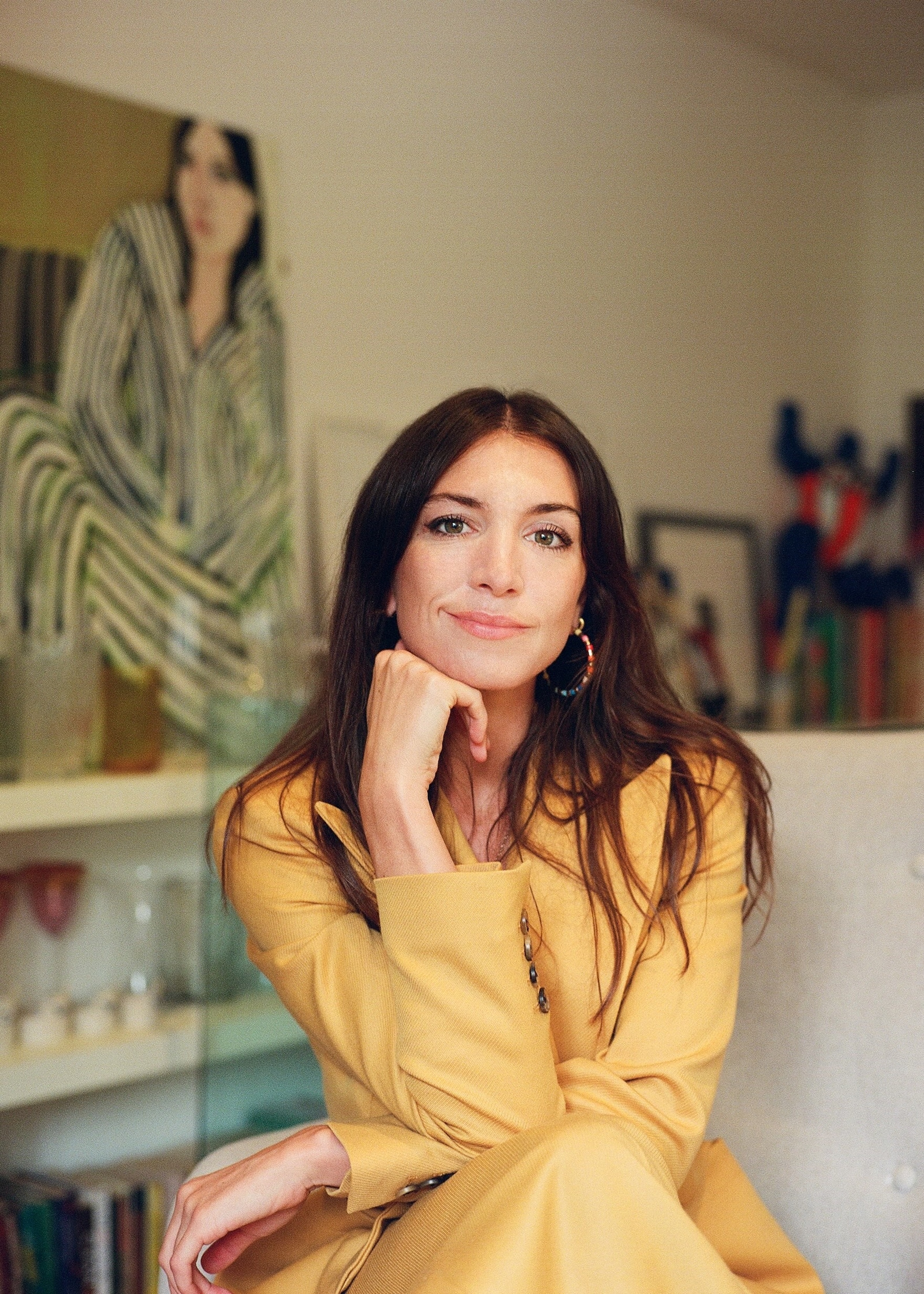
It’s hard to imagine anyone more passionate about art than Katy Hessel. During our conversation, held over Zoom as she sits in front of an overstuffed bookshelf in her home in north London, the art historian talks fast and with her hands, quoting artists liberally and pausing only to check if she’s boring me (she isn’t). Quite the contrary – her enthusiasm is infectious and a big part of her rise from working at the front desk of a gallery to becoming one of the UK’s most sought-after interviewers and a best-selling author.
For her debut book, The Story of Art Without Men, Hessel drew on decades of feminist literature, as well as her own insights from posting daily tributes to women artists on her popular Instagram account, The Great Women Artists, and from interviewing artists on The Great Women Artists Podcast, to reimagine the art historical canon entirely around women. An instant Sunday Times and New York Times bestseller, the book earned her numerous awards, not to mention a fair share of criticism, with some reviewers claiming it relied too heavily on the very canon it sought to subvert.
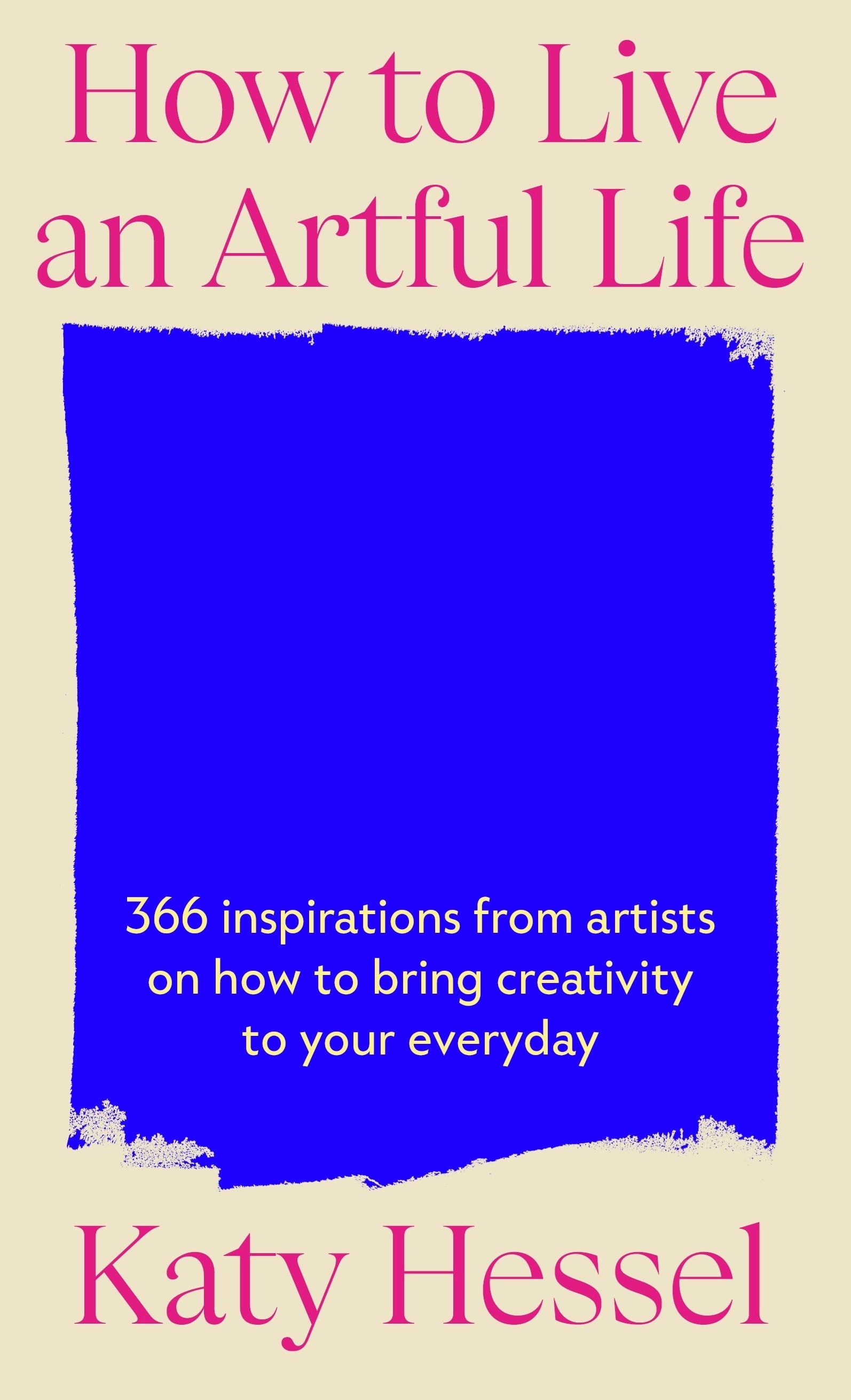
In her new book, How to Live an Artful Life, Hessel uses her ten years of experience interviewing creators to create a calendar of inspirational quotes by artists and writers centred on the idea of bringing creativity into the lives of ordinary people. It’s part of her wider mission to make art accessible to all. “What I’ve been trying to do for the last decade, in all my projects,” she explains, “is talk about art in a way that I hope can be interesting to anyone.”
Below, Katy Hessel talks more about How to Live an Artful Life.

Chloe Stead: What led you to focus your second book on the idea of artful living?
Katy Hessel: I’ve been interviewing artists for the last ten years, and I have this archive of thousands of hours’ worth of interviews, which I’ve always wanted to do something with. After every single podcast episode, or every time I interview an artist, I go through [the transcript] and select everything that they’ve taught me. I keep this wisdom close as reminders in my daily life, so in lots of ways, I wrote this book for myself. It’s more important than ever in a world where we are outsourcing our imagination to AI to remind ourselves of the joy and wonder of creativity.
CS: Its format is somewhat reminiscent of a daily gratitude journal, with many prompts urging readers to appreciate the quotidian. It made me wonder what your relationship to mindfulness is.
KH: For me, mindfulness is going to a gallery and just surrendering to something. I’m the youngest of my siblings, and my eldest sister would always encourage me to bring a sketchbook to a gallery. It’s amazing how, at least in England, [visiting museum collections] is free, so we can all do that. I want to tell people, “Don‘t be put off by this big Parthenon-like classical building” – it’s for you and you can choose to use it how you want.
In the book, I talk about how Hisham Matar went to the National Gallery every day on his lunch break and just looked at one painting. What happens if you just look at one thing, and you visit it again, and again, and again?
CS: When was the last time you used one of the prompts or pieces of advice from the book in your own life?
KH: This morning! In the book, I quote Patricia Highsmith saying she wants the place of work to be as pleasurable as possible – she used to write her novels from bed with cigarettes, coffee and a doughnut. And while I don‘t smoke in bed, pretty much every morning now, I wake up really early and do an hour and a half in bed. Before I thought, I have to be at a desk, and actually I don’t! What I love about this wisdom is that it’s just saying you can do whatever you want and not feel guilty about it.
“When you hear the words of an artist, suddenly you see the world in a completely different way … it’s an alternative way of thinking that can only bring good to the world” – Katy Hessel
CS: Your debut book, The Story of Art Without Men, focused entirely on women. In this new one, men account for fewer than 15 of the 366 pieces of advice. Was that intentional, or do you believe that women just have more to say about living?
KH: The nature of the book comes from what I've been studying for the last ten years – women – but I didn’t want to just rewrite The Story of Art Without Men. I’ve learnt a lot from men, and I absolutely think they can talk about women too. On my podcast, I’ve interviewed Hilton Als on Jean Rhys, Alice Neel and Diane Arbus; I’ve interviewed Charlie Porter on Louise Bourgeois and Sarah Lucas. Everyone should be part of this conversation. I don’t want to exclude anyone.
CS: Your project can be seen as part of a larger curatorial trend of revisionist single-sex exhibitions that aim to correct sexist art historical narratives. Some feminist writers have expressed a kind of fatigue with this method of working, arguing that we aren’t doing justice to women by not seeing their work in the wider art historical canon. More than ten years have passed since you started The Great Women Artists – has your perspective on this approach changed over time?
KH: I believe that if you champion a historically overlooked group, there must be real depth behind it. That’s why I started the podcast, to have thoughtful conversations beyond what Instagram allows. The National Gallery still has only 1% women artists in its collection, but it’s not just about throwing the doors open and only showing women artists. It’s about asking what will this look like in ten years, in 20 years? What art teaches us is that nothing great is going to happen in a moment. It’s going to take a long time.

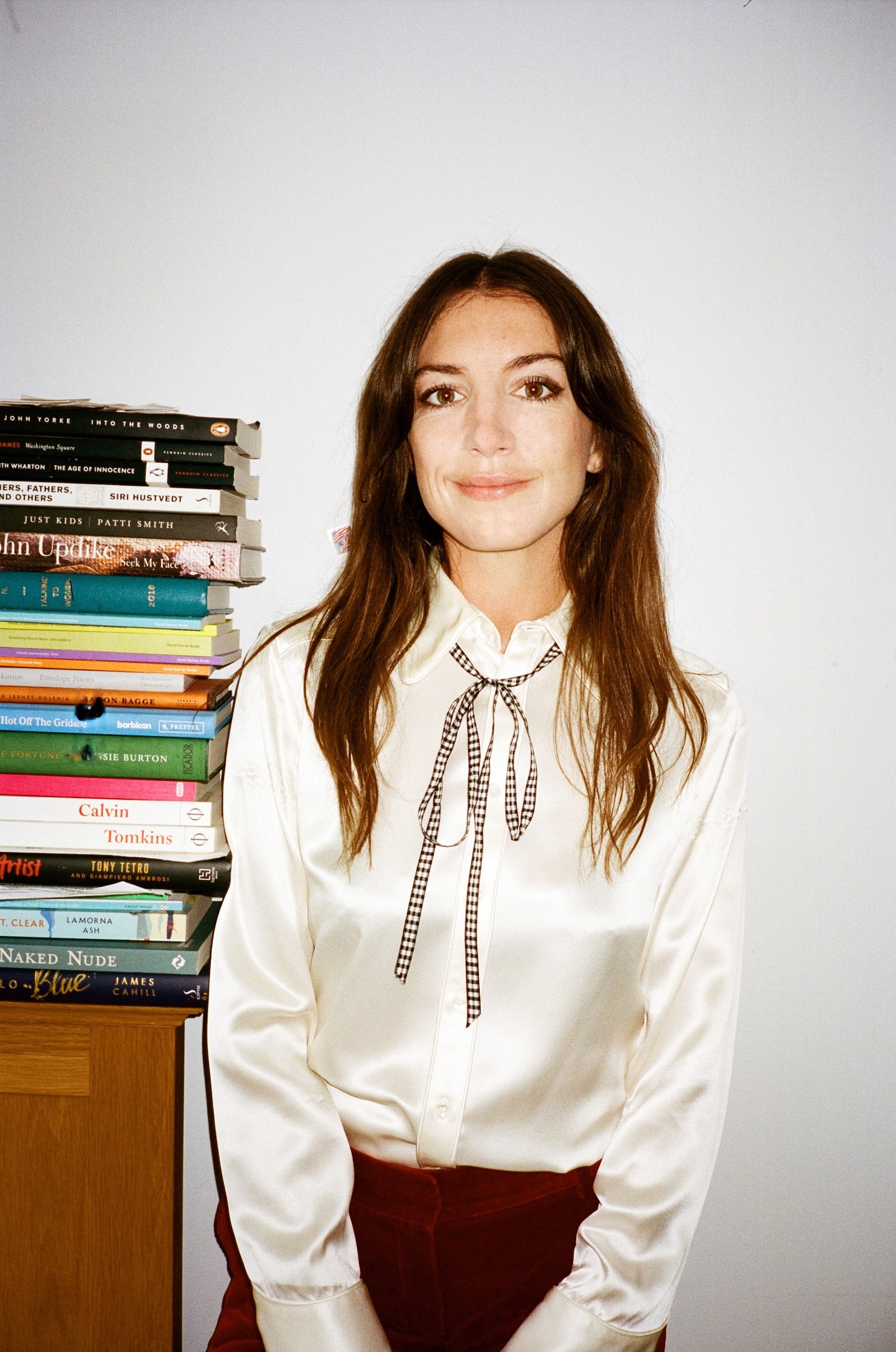
CS: As you’ve mentioned, many quotes in the book are taken from your own interviews for The Great Women Artists Podcast. You’ve spoken to everyone from Judy Chicago and Lorna Simpson to Sally Mann and Sam Taylor-Johnson. Who left you the most starstruck?
KH: One of the most extraordinary experiences of my life was going to Marina Abramović’s apartment in Soho in New York to record a podcast. Afterwards, we went into her wardrobe, looked at all her clothes, tried things on and took loads of selfies.
But to be honest, I’m always completely amazed after every single interview. For a recent podcast, I interviewed Ekow Eshun, and I was taken aback by everything he said. I mean, all these people are like prophets. When you hear the words of an artist, suddenly you see the world in a completely different way. That’s why I say the government should have artists on their cabinet, or boards should always have artists on them, because it’s an alternative way of thinking that can only bring good to the world.
In the book, I’ve added my own responses to the artists’ quotes because I wanted everyone – whether you’re an accountant, a hairdresser or a museum worker – to be able to relate them to their own life. What I’ve been trying to do for the last decade, in all my projects, is talk about art in a way that I hope can be interesting to anyone.
CS: What is the best piece of advice you’ve received from an artist, or taken from their words?
KH: I end the book with a quote by Patricia Highsmith, who’s become my favourite person for advice. She says to toast your greed, envies, loves, passions and enemies. It reminds us that our superpower as humans is to feel – machines can think, but they can’t feel.
How to Live an Artful Life by Katy Hessel is published by Hutchinson Heinemann and is out now.
