
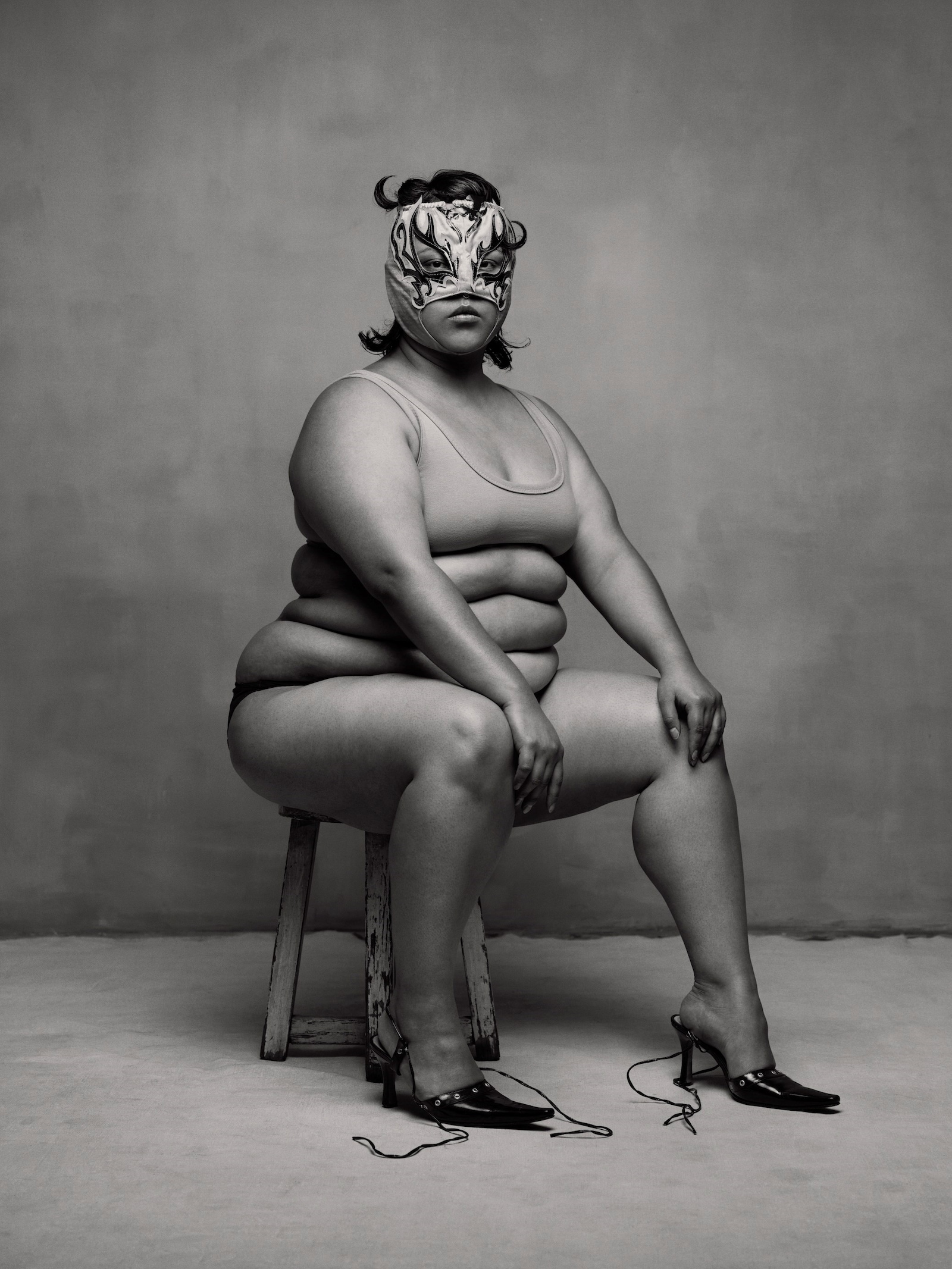
Around five years ago, New York-based Dutch photographer Pieter Henket was frustrated with the negativity he saw directed at young people. “I would hear from my older friends that the younger generation weren’t doing anything interesting,” he says, from his family home in Esch, Netherlands.
But Henket and his husband, casting director Roger Inniss, felt differently. “We would meet people at our castings that were so beautifully intelligent; who were breaking free from traditional norms in how they lived their lives and presented themselves,” he says. “I wanted to celebrate these kids and give them a platform.”
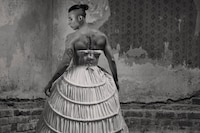
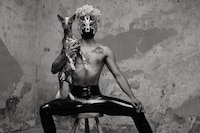
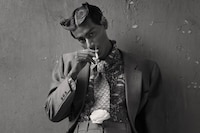
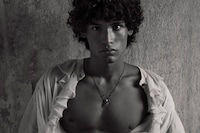
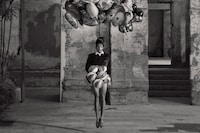
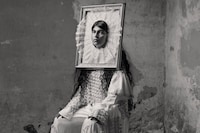
With this spirit of solidarity guiding him, a series of photoshoots at Henket’s studio lay the groundwork for what would become his fully fledged project about emergent queer identities, experiences and style. But first, to truly capture the mood of brave liberation that he wanted to convey, Henket – whose preternatural portraits in Congo Tales (2018) got him acquired by the Rijksmuseum – turned his gaze south.
“I have a very deep love and connection with Mexico City,” he says. “As I was visiting, I realised the queer kids, the trans kids – what I call free-spirited birds – were more daring than the ones in New York. A bird is strong and can travel the whole world, but at the same time it’s very fragile. These kids are so fragile in their beautiful beings, but they go out on the street like warriors.”
“We didn’t want to have anybody telling us what to do. These are our queer people, and I was not going to sacrifice anything” – Pieter Henket
Assembling a diverse group of queer young people cast from streets, parks, agencies, through connections and word of mouth, Henket recruited Mexico City-born stylist and Willy Chavarria collaborator Chino Castilla to help bring his nonconformist vision to life.
The result is a series of delineated black-and-white portraits with costuming that blends recognisable Mexican symbols – serapes, football kits, a Luchador mask – with operatic flare in the shape of horns, balloons, chaps, corsets and outsized silhouettes. In front of Henket’s painterly lens and wrapped in Castilla’s culturally rich imagination, the models are transformed into near-mythical creatures, resplendent in ad-hoc couture.

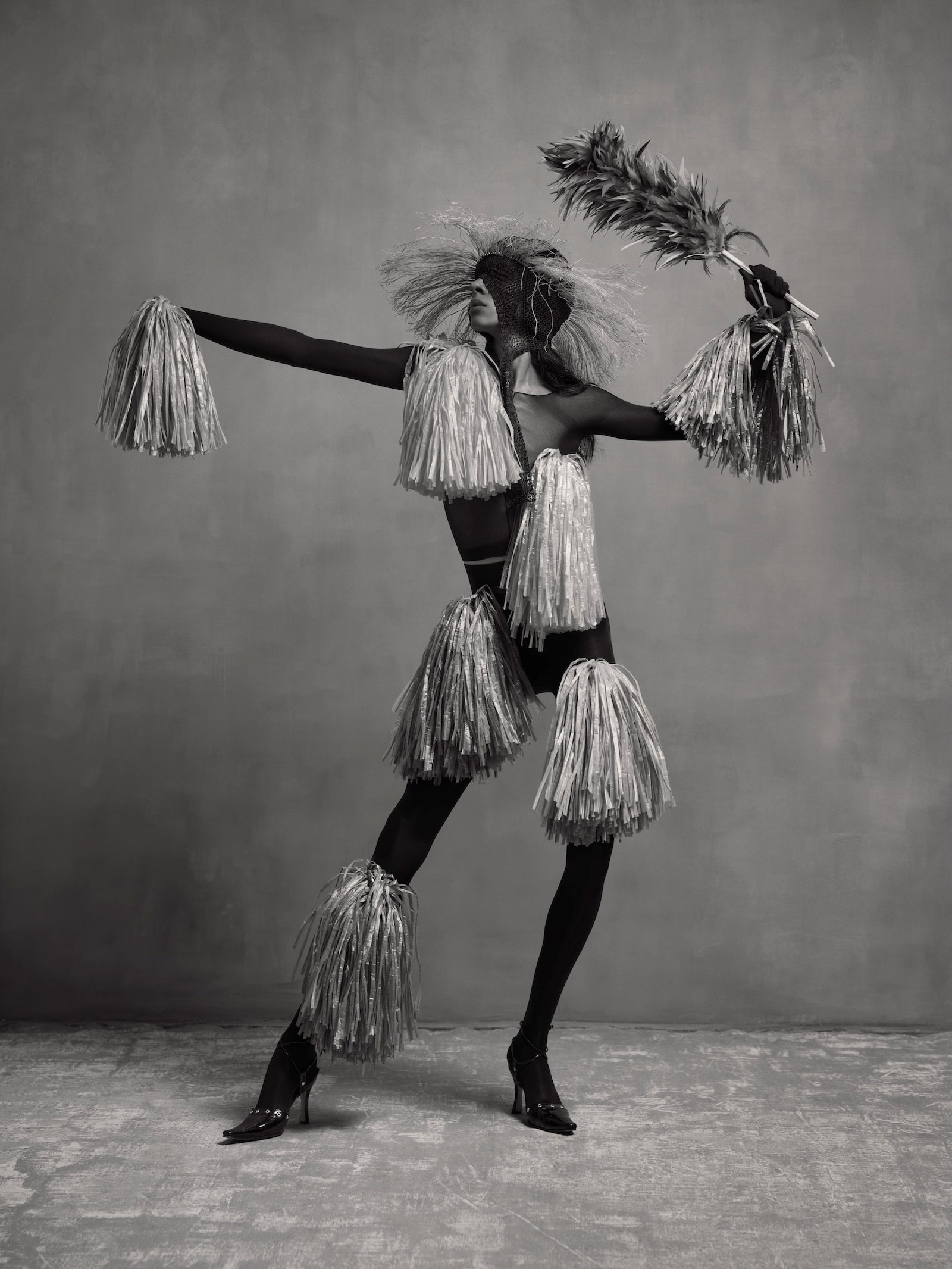
“It was very intuitive, in the moment,” Henket says of his experience working with Castilla, who sourced from local markets and worked with the models to create costumes in the moment on set. “We self-funded this entire thing,” the photographer adds. “We didn’t want to have anybody telling us what to do. These are our queer people, and I was not going to sacrifice anything. We had a tiny budget and Chino brought it all.”
Inspired by the Christian iconography that surrounded him in the medieval city where he grew up, Henket wanted the photo series to centre its subjects, letting each individual hold court. “The way that religious figures are so serenely placed gives them strength,” he says. “I wanted to place these queer kids in the same way to give them power. Even when there’s a photo of somebody dancing, the city is stripped away, it’s a quiet space. The costume is not put on top – it’s part of them.”
“The costume is not put on top – it’s part of them” – Pieter Henket
Once back in New York, Henket had high hopes that Prestel, the publisher who had released Congo Tales to great acclaim, would happily take up this new project. “At first they did, but then they let it go,” he says. Feeling dejected, he buried the photos along with the attendant passages by writer and poet Renata Juárez Huerdo, and the poems she had helped some of the models write to accompany their own portraits. “I didn’t want to look at it anymore,” Henket says. And that, it seemed, was that.
Then, three years ago, Justin Gaspar changed the trajectory. While onboarding him to work as an intern, Henket showed Sacramento-born Gaspar the abandoned project. “I had just started at the studio and for the first couple of weeks I found myself bothered,” Gaspar says from his apartment in New York. “The photos are so powerful, I couldn’t believe they weren’t out in the world.”

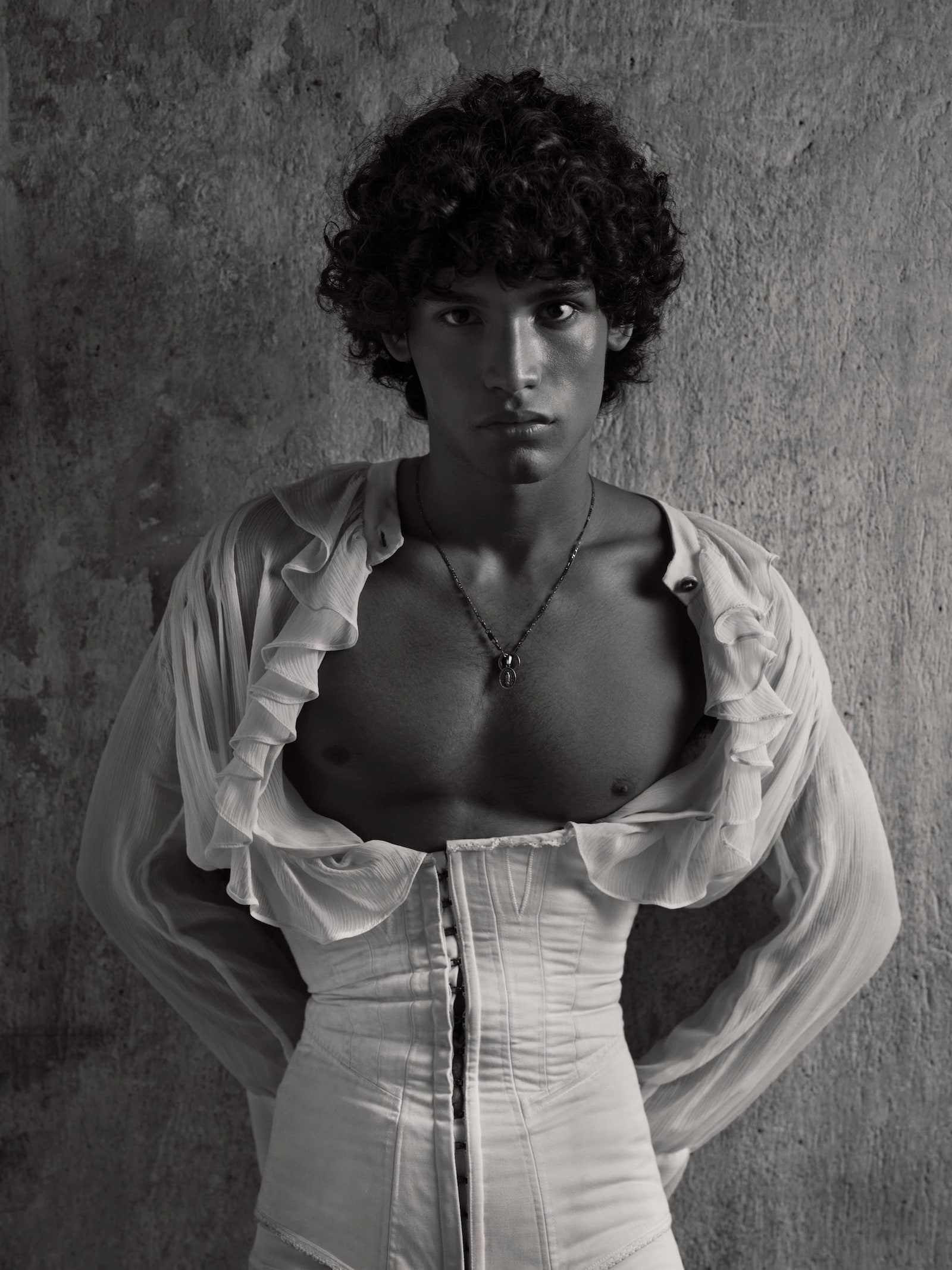
With Henket’s blessing, Gaspar printed the images and started to organise them into what would become the final structure for Birds of Mexico City. “I didn’t know what I was doing,” Gaspar says. “But I’m queer, I’m familiar with Mexico, and being from Northern California and being Filipino, we share a lot of commonalities with the Latin community – Catholic iconography, our own colonisation, masculine and feminine identities.”
What Henket called a “box of puzzle pieces” started to take shape. Gaspar travelled regularly to Mexico City to meet with project contributors, eventually adding his own written pieces to the proceedings. Paris-based graphic designer Odilon Coutarel joined the team, and the volume eventually found a home with Italian-based publishing house Damiani.
“A bird is a living, breathing form of freedom,” Gaspar says, reflecting on the book’s title. “It was really cool to step in that light with people I saw myself in, and with someone I look up to, like Pieter. He has given space to a younger generation of people who are pushing boundaries.”
Birds of Mexico City is published by Damiani Press and is out now.
