
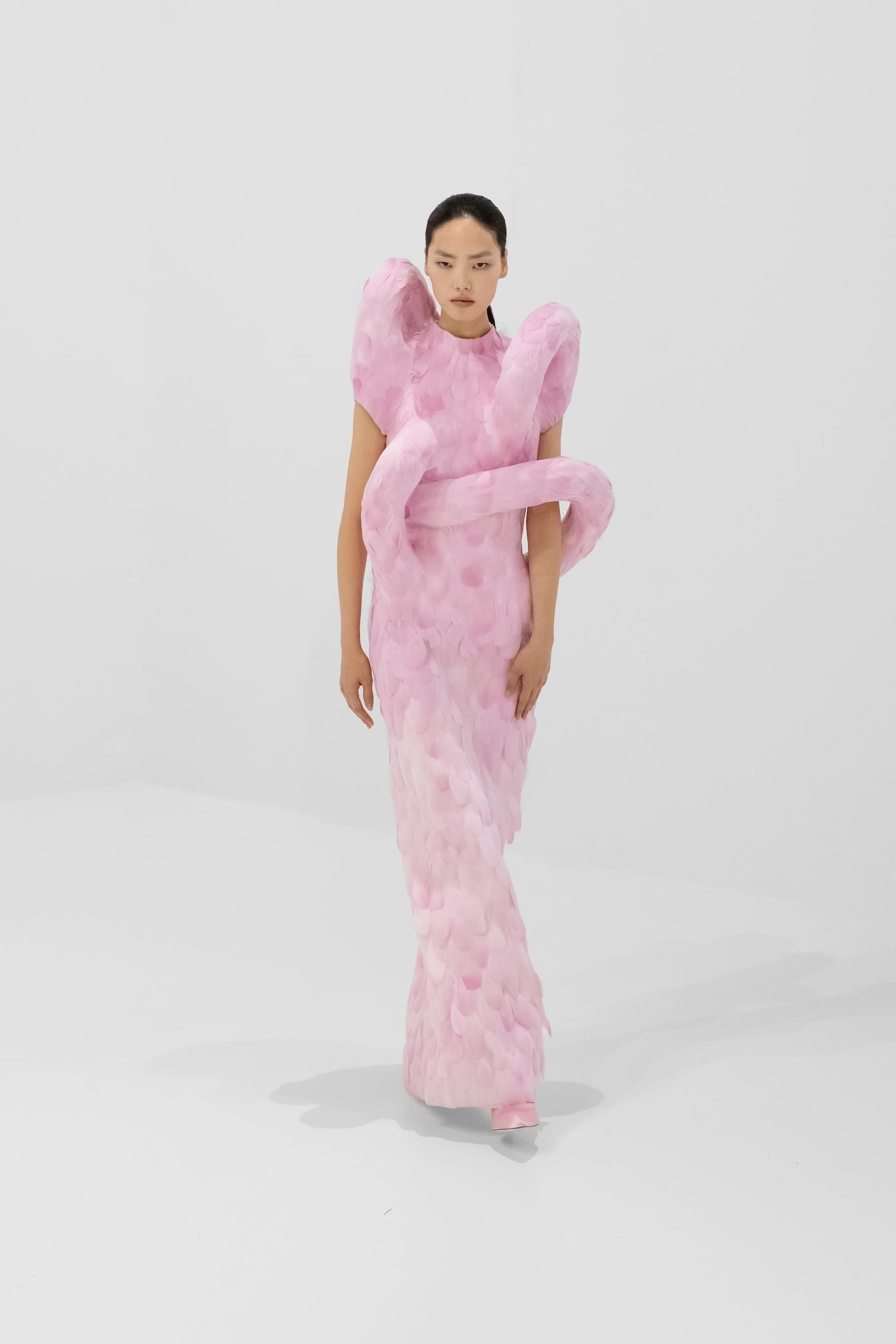
Marie Antoinette is the hackiest, tackiest reference in the well-thumbed book of overused fashion touchpoints, particularly within the haute couture. Because hey, if you’re thumping out a pannier skirt to the size of a mini metro or sticking a ship on someone’s head, it’ll probably be there, where clients spend like dauphines and party like it’s 1789. Incidentally, the couturier who bunged a frigate on someone’s bonce was Jean Paul Gaultier in 1998, so it was drôle that the new inhabitant of his throne, Duran Lantink, alighted on the last Queen of the French as inspiration for his haute couture debut. Merci beaucoup, too, to the Parisian heatwave – it was presented, entirely appropriately, to a swooning audience fanning itself, like a ballroom scene from Dangerous Liaisons brought back to life.
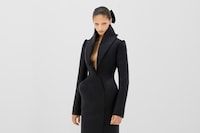
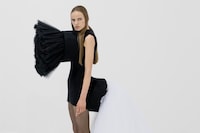
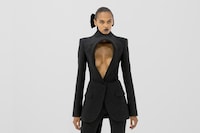
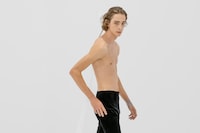
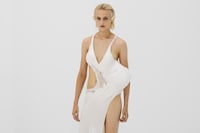
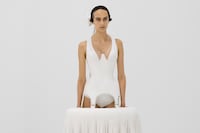
“I start thinking about couture and somehow I start directly thinking about Marie Antoinette,” Lantink said 48 hours before he peopled his catwalk with her avatars, soundtracked with a squealing Norma Shearer, delighted at her pending coronation, from the 1938 MGM biopic. And fair enough – not just because the profligacy and extravagance of the medium is inextricably synonymous with a woman dubbed Madame Deficit by her detractors, but because her relationship with her unofficial “minister of fashion” Rose Bertin – the closest thing to a fashion designer in the 18th century – means she’s kind of the start of what, almost a century later, would officially become haute couture. You still see scenes straight out of her era here – on the way up to Lantink’s top floor studio, the elevator opened on a floor of embroiderers crouched over frames, stitching by hand. Outside his office, five people crouched around a vast, moulded ballgown, stretching fragments of guipure lace to its velvet chassis – they resembled ladies-in-waiting ceremonially dressing a monarch.

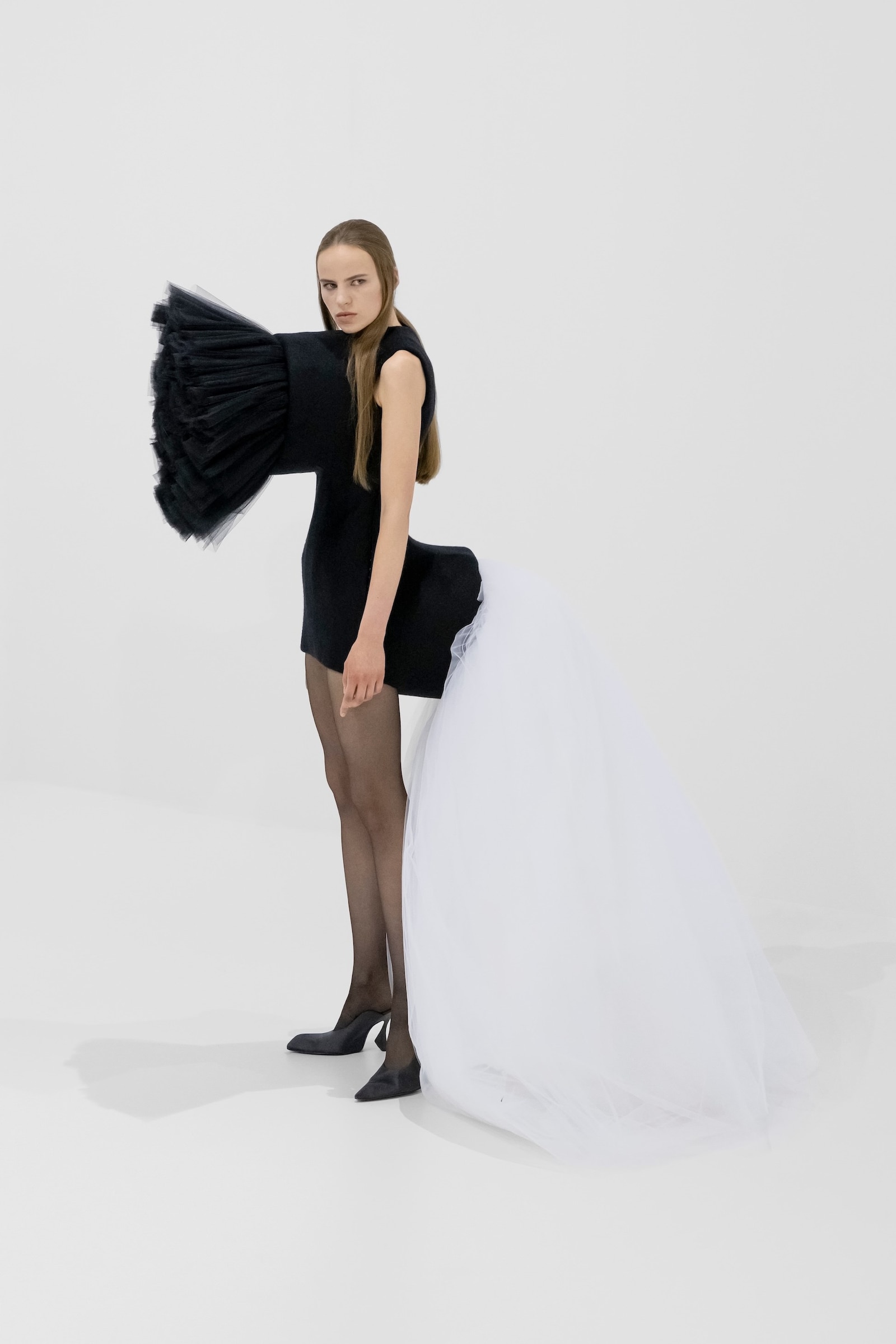

However – here’s the thing. Lantink doesn’t think about these references like most normal designers would. His Marie Antoinettes weren’t clad in brocaded gowns or powdered wigs, it was no period piece. “Taking up space” was the abstract notion she triggered. And women back then did – their wide skirts altered architecture, widening staircases and porticoes, doubling doors. Lantink produced a final dress with a wingspan so vast he had to push his audience to the edges of the salon at Gaultier HQ to fit her in; he spun others 90 degrees, creating dresses that belched tulle out front and back. Rather than traditional skirts, these were constructed like hollowed out, open necked tubes, some smothered in feathers by Maison Février, who dress the showgirls of the Moulin Rouge, one embroidered with the same designs that decorate Marie Antoinette’s canopied bed in Versailles. If you had a grim bent to your imagination, they may remind you of headless necks, reminders of his heroine’s grisly fate – though Lantink, however, stated they were influenced by construction methods in Gaultier collections past.

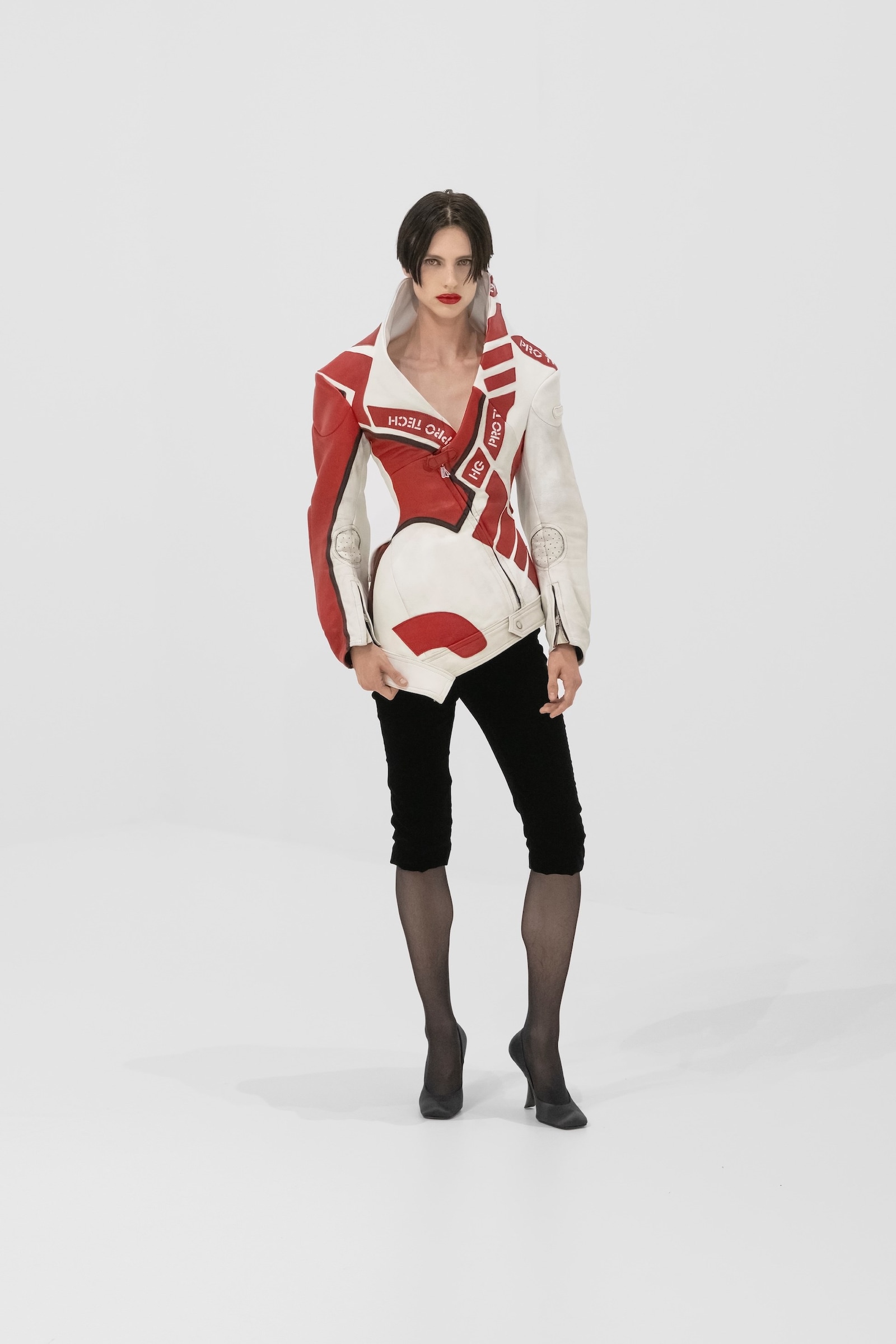

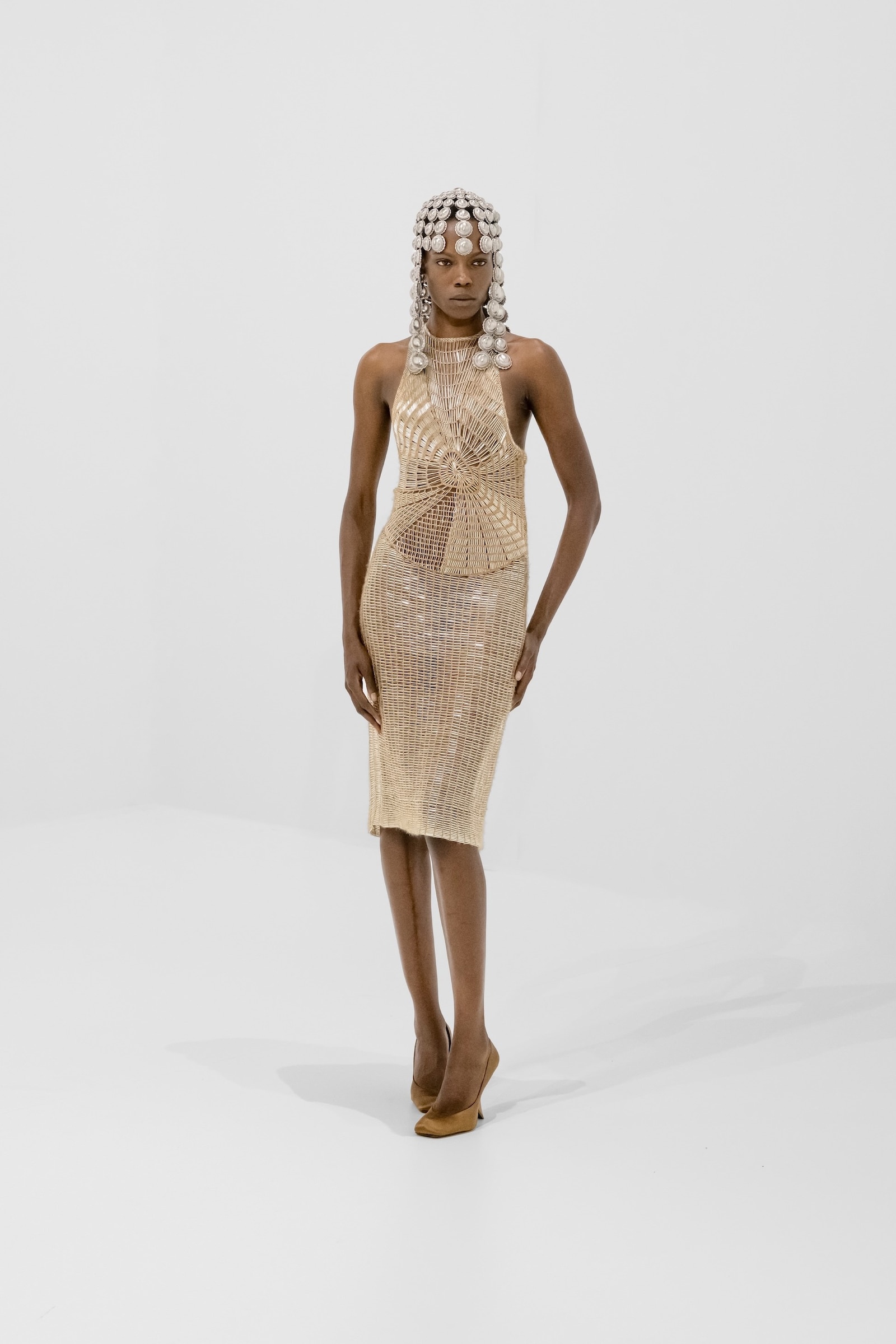
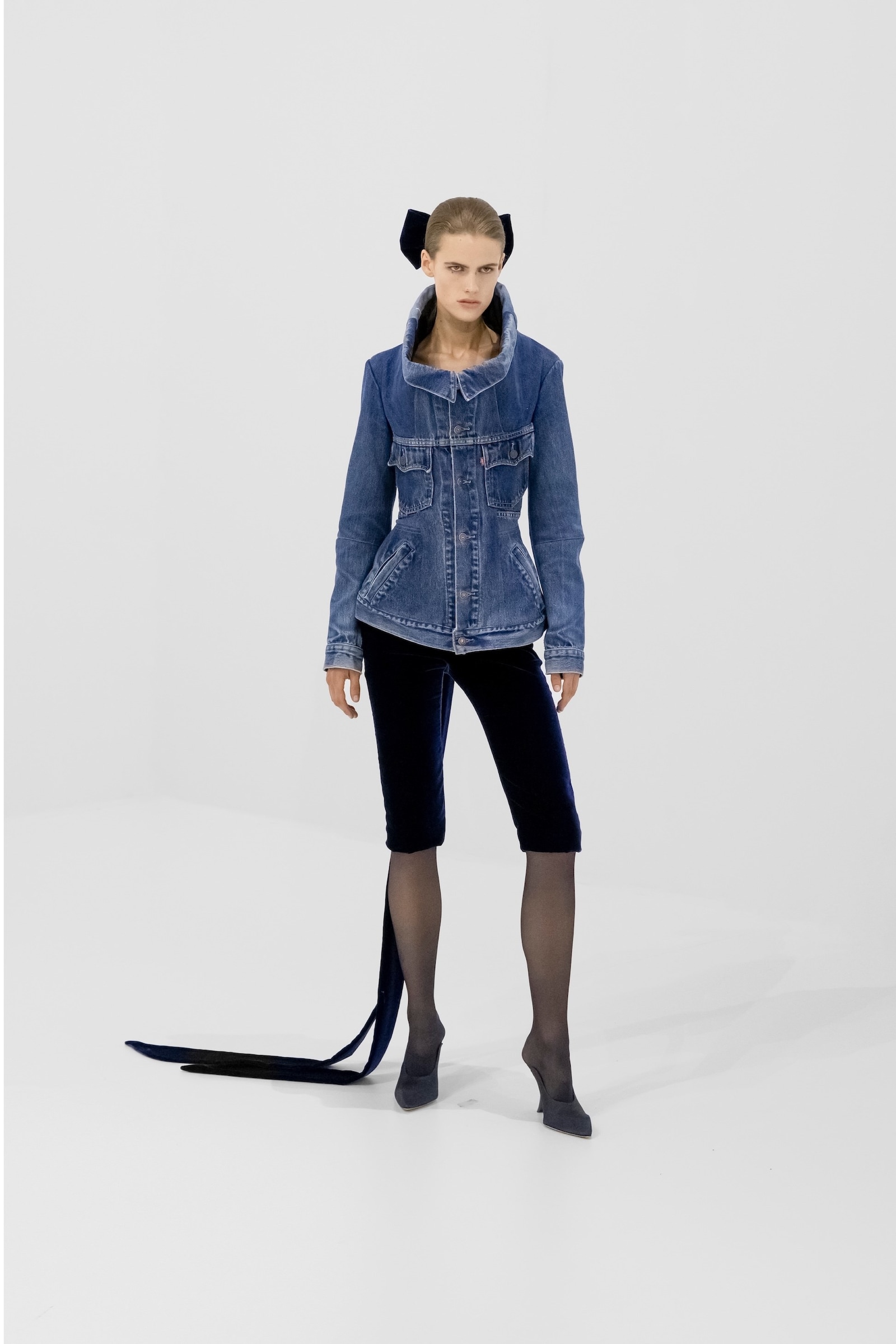
That was a bit of a theme, too. Gaultier always loved the 18th century, for sure, but Lantink introduced sly codifications that winked to his archives, without anything as simple-minded as a marinière shirt, kilt or conical corset. There was recycled denim, which Gaultier introduced to haute couture in his first collection back in 1997. There was a shade of burgundy, once used for the lining and labels in the Gaultier Classique line. “Weirdly, I find it very Gaultier,” Lantink said. There’s also body modification, here exemplified by a glitched torso of the model Leon Dame replicated, moles and all, on a wiggly leather torso that pretended to be nude. Oh, an Emperor’s New Clothes-ish imitation of buck-nakedness is also very Gaultier. But more than anything else, it was Gaultier’s thrust towards modernity that found reflection here, both in form and technique, with clothes made via digital scanning, three-dimensional printing and industrial flocking, as well as old-fashioned cut and sew. “The history of couture, and combining that with the technology of today,” was how Lantink described his approach. “Figuring out how I can find a sweet spot.”

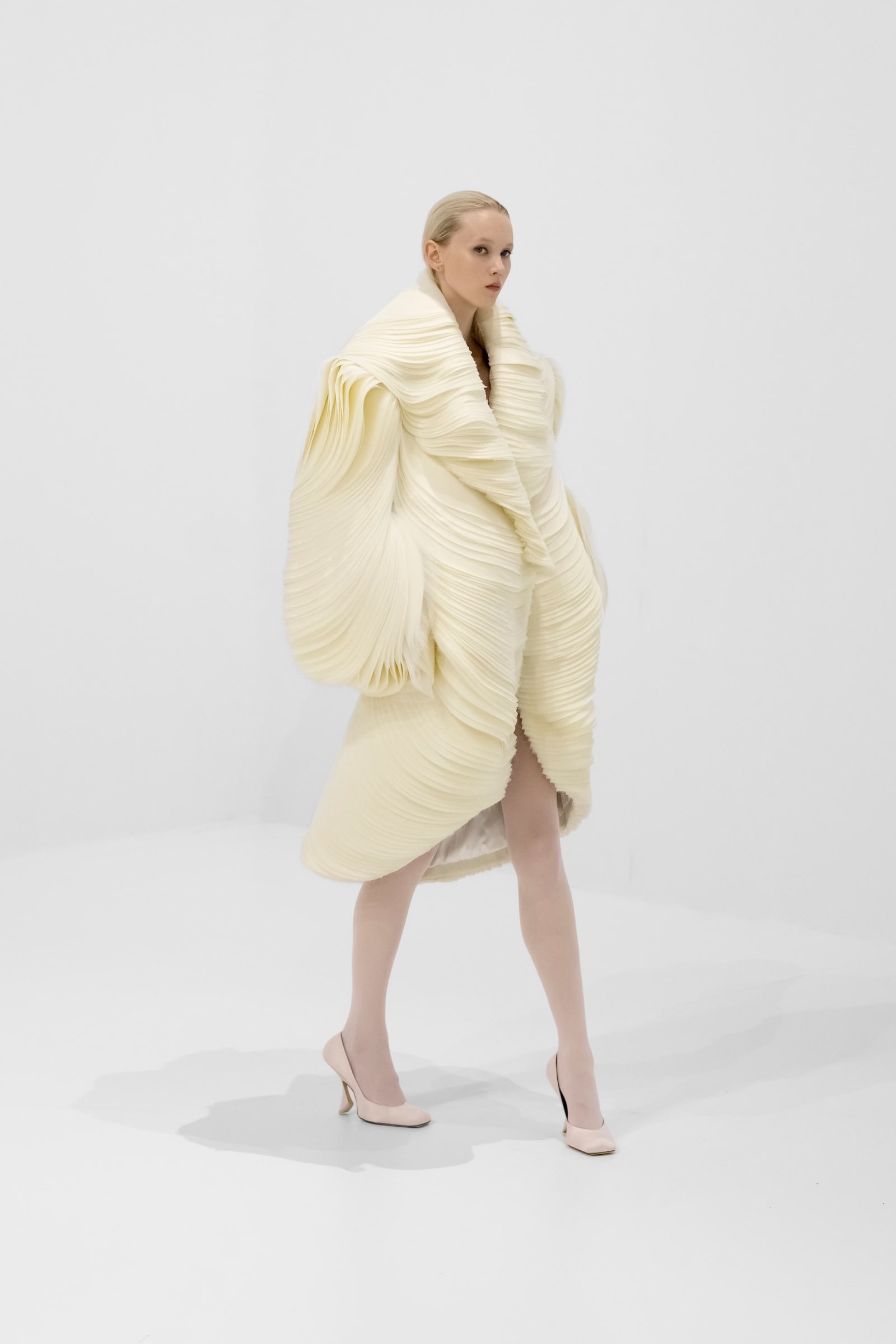

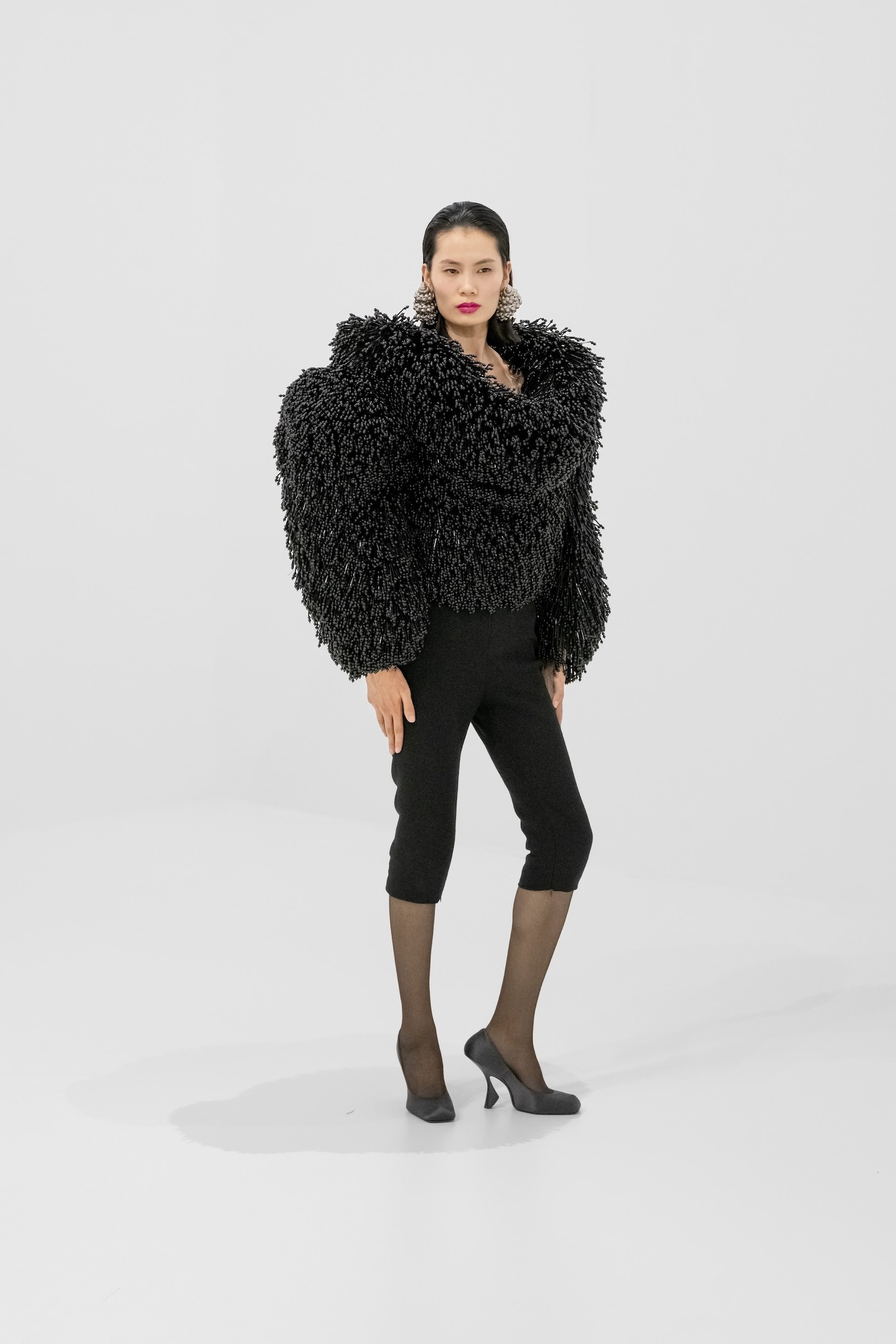
It’s satisfying to know someone’s thinking of that. Couture is often a refuge from reality, mired in techniques that are hurrahed as age old, but are maybe just old age. Dresses drift back that could’ve come from centuries past. Of all the couture shows this week, Lantink’s Gaultier was the one that felt truly, bravely forward-looking, sometimes in the absolute extreme, like a feathered column in Ladurée pink with a bunch of tubes wiggling their way around the torso like extra limbs. Yet his sculpted black tailoring was exceptional, nodding to the past while streamlining it for the future. The rococo theme was captured in tiny details, like black perruque bows exaggerated to trail on the floor, and Louis-heeled shoes twisted on the foot. The rest felt more 22nd century than 18th. “Romanticism, slightly historical, but trying to find a modern version,” was Lantink’s take. And that’s exciting, and compelling and life-affirming. As I left, a fellow guest commented that this looked like Marie Antoinette designed by AI. Mais non. AI could never come up with anything as wickedly inventive, as wonderfully whacked-out, as totally fucked up as Lantink did. In short, these were clothes to lose your head over.
