
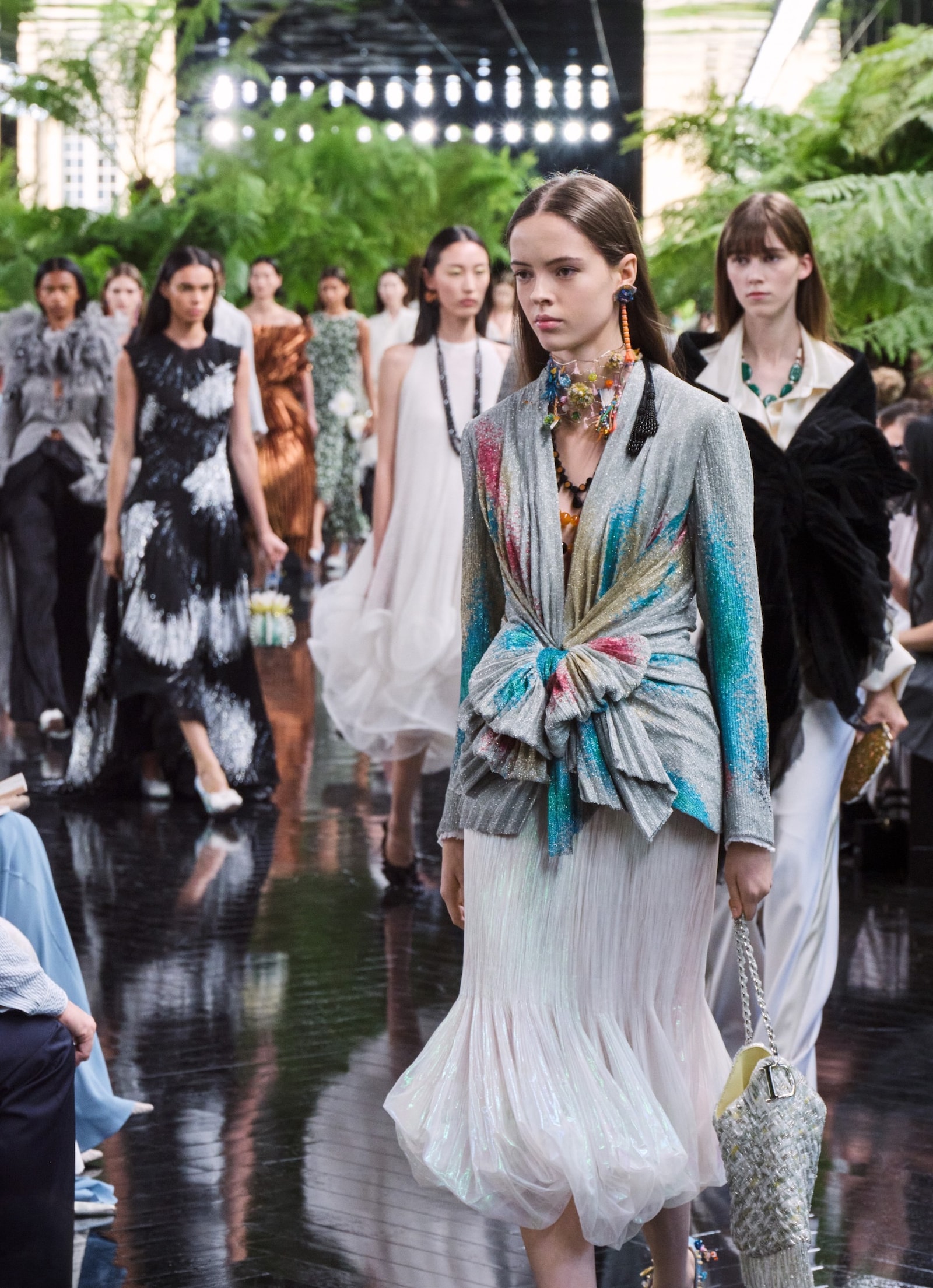
Backstage, a few hours before his sophomore Dior haute couture collection, someone asked Jonathan Anderson – I hope jokingly – if he had stayed awake to watch the late-night football match the previous night. “I don’t even know what day it is,” Anderson said. He was joking, because no designer forgets the day of their show, for better or for worse. But it nailed down the whirr of activity behind a man who is, arguably, busier than any other in fashion, both in terms of the sheer number of collections he’s producing and their lofty goal. Which is? Nothing less than a complete recalibration of the house Christian built. Anderson, in short, has achieved it.
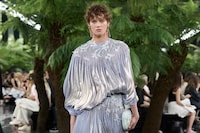
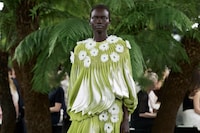
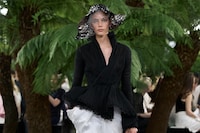
Why did this second haute couture collection convince you of that? Because it honed the message Anderson has been proposing to a knife’s edge – to a knife’s pleat, actually. Pleating was the big message, the same kind of pleating that rippled 15 metres of fine wool crêpe into the skirt of the Tailleur Bar, but here shattered and applied across an entire collection of clothes. An influence was the work of the American sculptor Lynda Benglis, Anderson said. Actually, he didn’t need to say, he just did, the twists of fabric locking his clothes together easily traceable as homages to her knotted works that originated in the 1970s. Her work, feminist notions embedded in gestures reminiscent of the frills and furbelows of women’s dress, so quintessentially Dior, was a compelling connection. And it wasn’t a stretch. “A gestural act,” was how Anderson described it. He also cited the idea of Benglis as a woman, and a connection to his first couture, shaped as it was by Magdalene Odundo. And Benglis works in the desert, so the signature Dior fleurs were hothouse flowers, eucalyptus and cacti. They grow under pressure when the heat is on. Anderson does too.

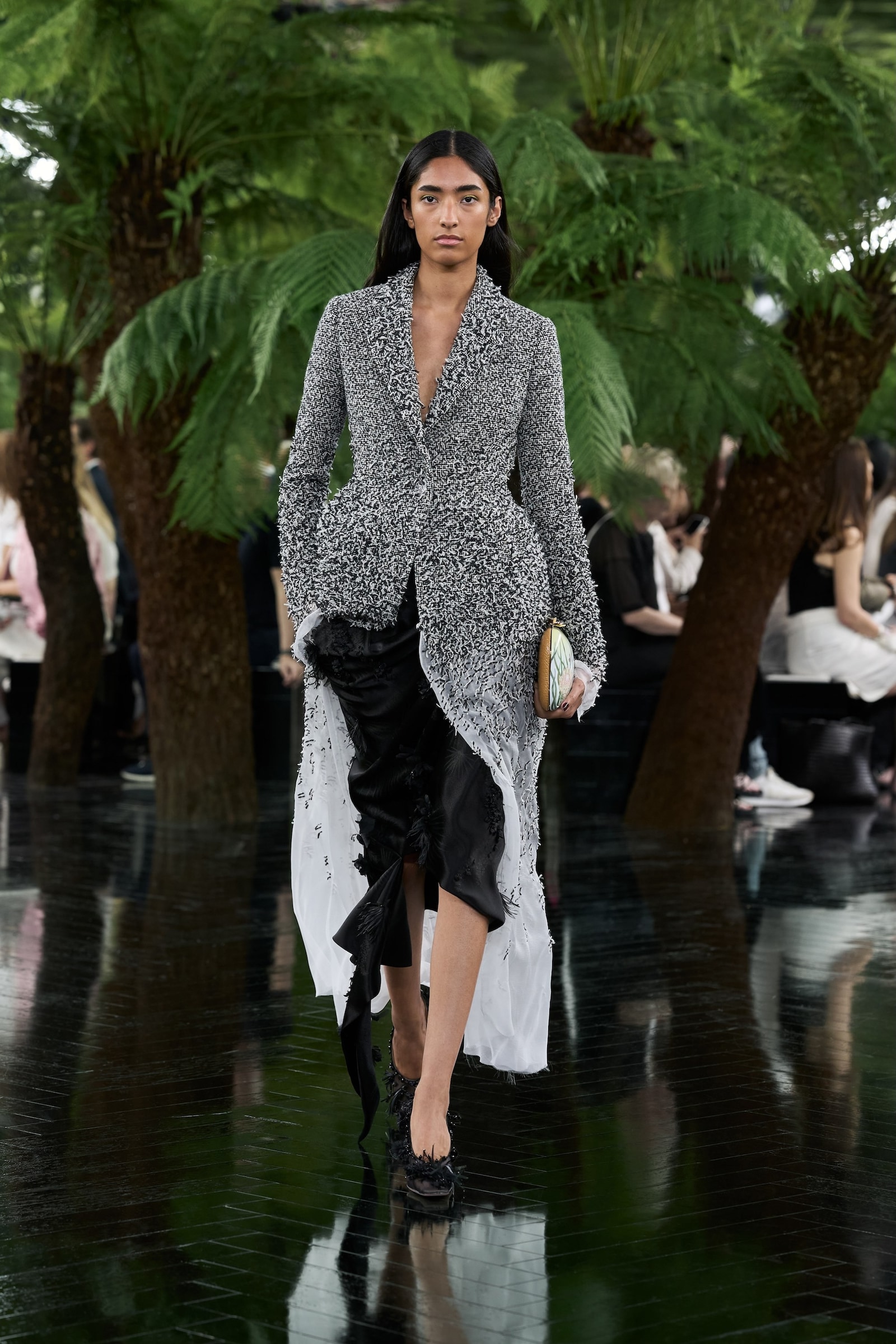

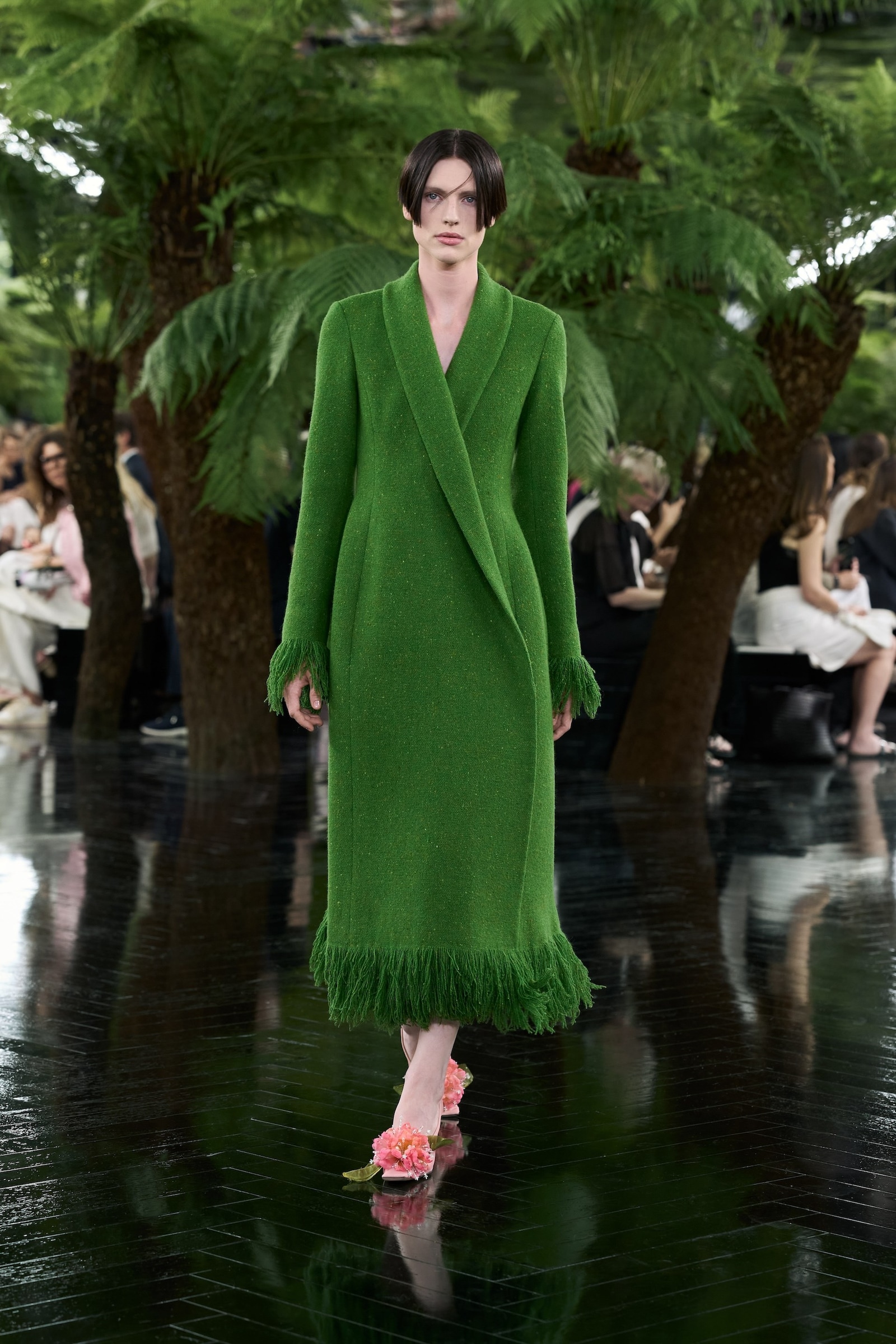
All that was compelling and exciting because it was immediate and direct. It also produced the Dior clothes that looked the most recognisably Anderson since he began at the house, namely a sequence of short panniered gowns of plissé lamé in tarnished platinum and gilt, sometimes worn over trousers, that have his tense, contradictory combinations of kooky avant-garde with timelessness, trashiness with elegance. The sweet shoes, encrusted with embroideries with dulled square toes, felt like modern interpretations of the Versailles slippers Roger Vivier made for dear Christian in the 1950s; the handbags, in porcelain hand-painted by the people who make Dior’s hyper-expensive, elaborate homewares or fragments of rococo-era chintz, entirely one-offs, were plainly beautiful. Yet if you stripped the many-layered meaning from these clothes, they were plainly, honestly beautiful too. Even with archival references – Anderson nodded to the clasped stoles of Dior’s Y-line of 1955 and reiterated a fire-engine red 1948 coat named Arizona, using its original pattern – it did not seem like something studious, weighted with a burden of proving that he could do Dior. That’s an understandable impulse for this name. Yet this time, Anderson lightened up and went with the flow, literally and metaphorically.

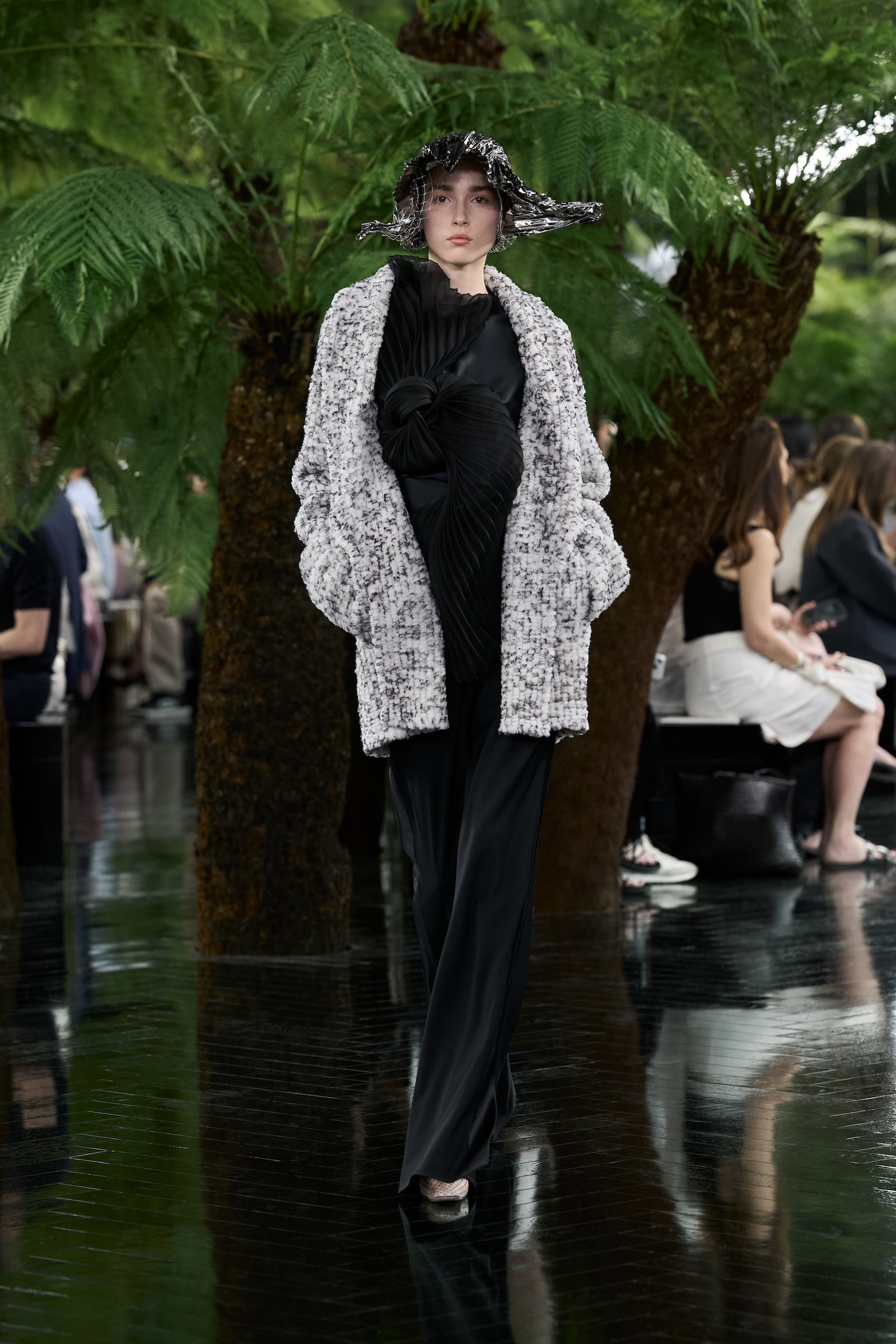

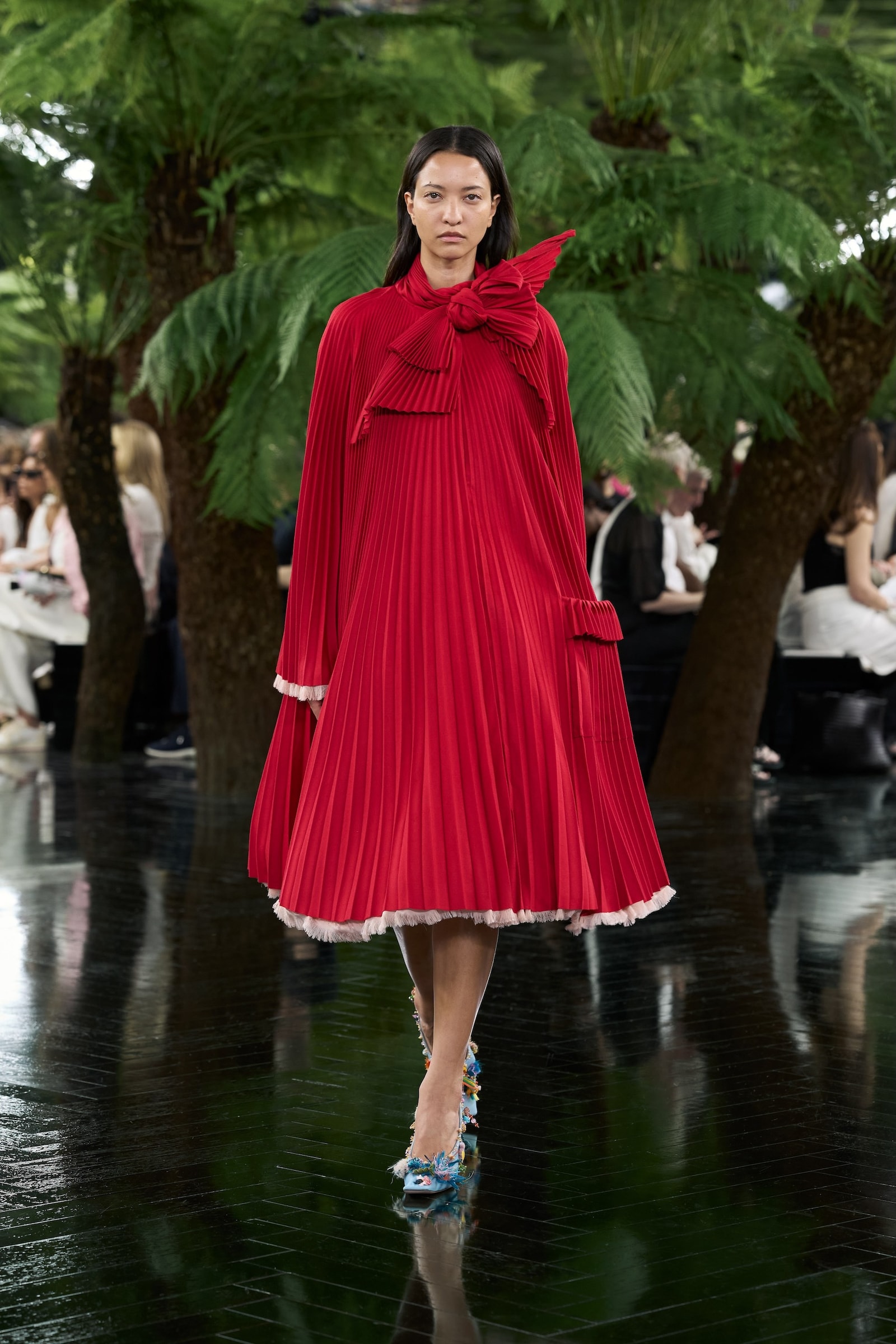
What is Anderson’s Dior message? Making history look new is one. Reclaiming a form of femininity inherent to the house is another. And reinventing the house’s stable of signatures is a third. They were all here. I won’t enumerate them all, but there were great techniques, great ideas and great looks. The silhouette, largely, evoked the 1950s, with fluted-hem jackets and slender skirts or trousers, although the pleating opened all that up, made it pliant rather than brittle, modern as opposed to costume. There was a deep font of knowledge and an exchange with the ateliers – a few looks were pinched together from dozens upon dozens of tiny fabric flowers that looked a bit like fettuccine pasta. Hey, Dior was an overeater who died in Italy, he would’ve loved it. The jackets, snug in back and mind-blowing, twisted and whorled in front, tidal waves of pleats, were technically complex, yet had a direct, throbbing desire. But some were satisfyingly simple-minded, like a silk blouse and skirt in lingerie shades of beige and pink, twisted at the middle like a cack-handed bow, a flapping ribbon at the hem, that seemed like a sum of the easy attitude any woman would want when she dresses in the morning.

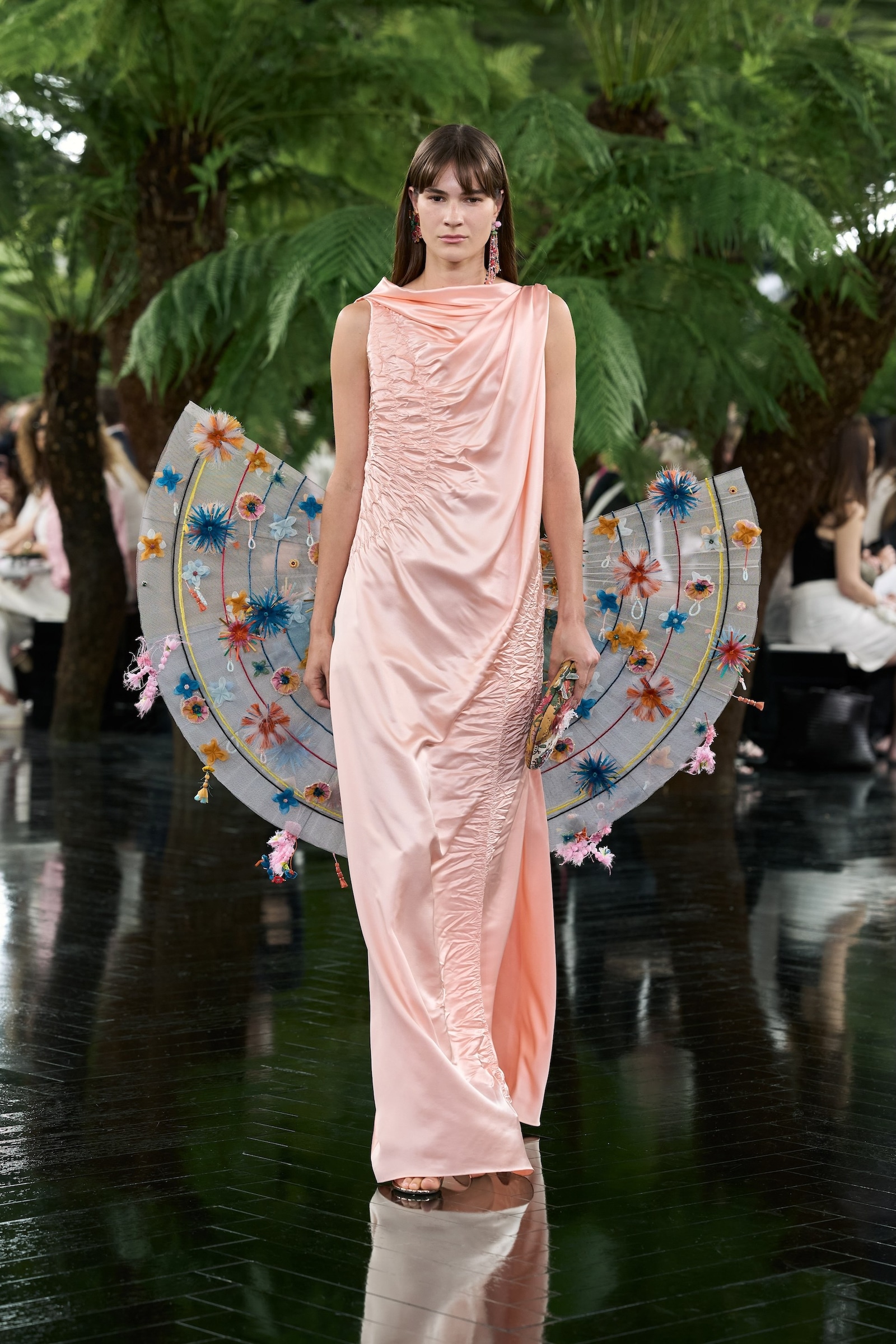

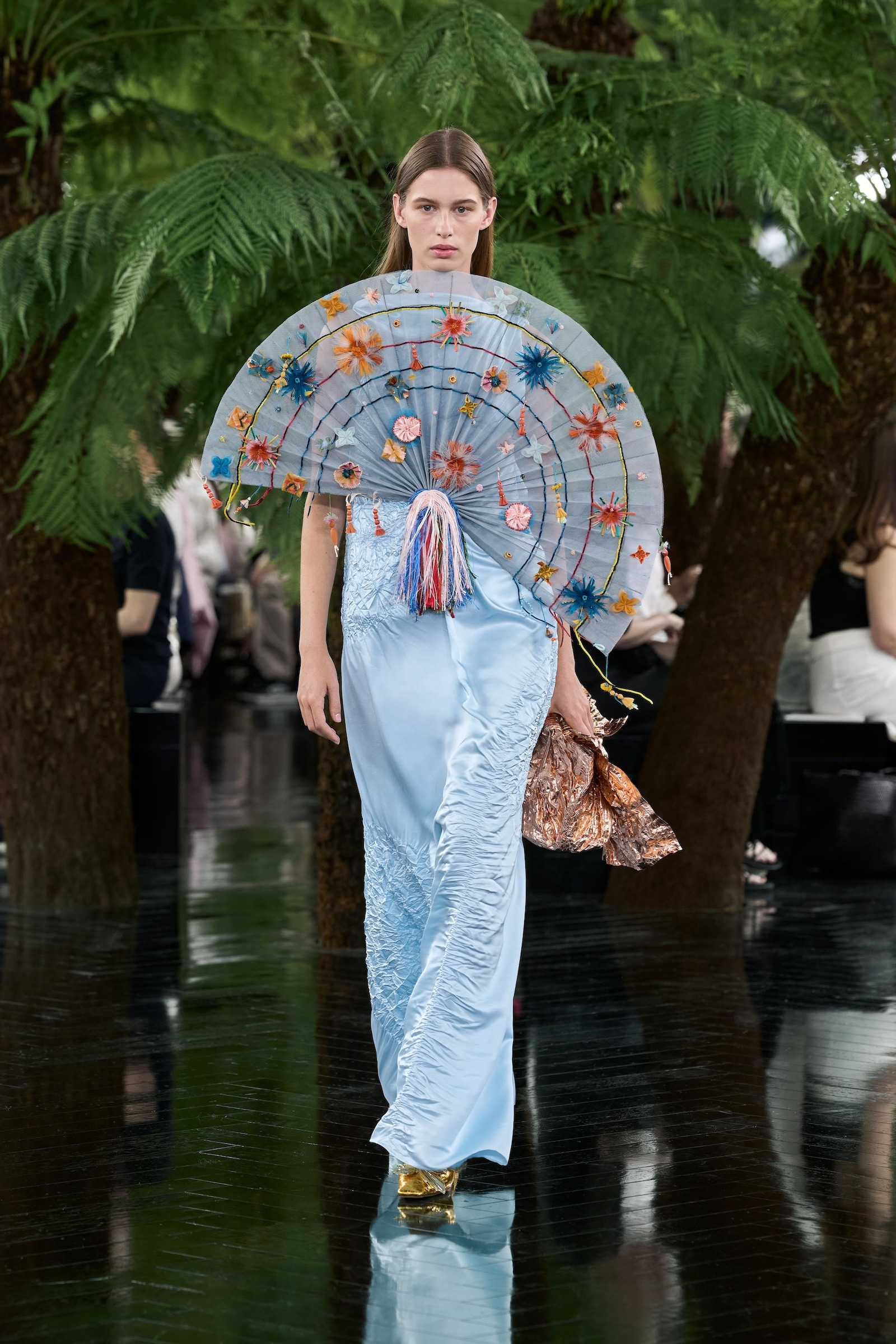
Seeing Anderson loosen up is great. He let linings hang out of suit jackets, flapping at a flipped-over cuff, ripped all the bombast out. And that stuff is key to Dior – the founder used to line his clothes in taffeta or cambric, a densely woven cotton, to give them “body”. Many stood up by themselves. Anderson’s, by contrast, slopped about – he even said one fleecy-looking soft jacket and trousers were his “Juicy Couture”. It fastened with a great big pin fashioned like a dandelion clock and looked equally light and insubstantial. In a métier that so often gets bogged down with the weight of justifying its own anachronistic existence, Anderson let go.
Going back to gesture – Anderson allows that there have been plenty, from Monsieur Dior and beyond. “How do you consolidate all these gestures?” he asked backstage. Which may be code for – how do you both stand up to the history of Dior, and make your mark within? Anderson, I think, has done both with this collection. It reminded me of Galliano – an inevitable benchmark for work at Dior. Galliano didn’t reinvent Dior’s silhouette or its meaning; rather, he refined it, sharpened it, and remade it in his image. Anderson is doing exactly the same with another hand and for a different time. The most important thing? Ignore all my intellectualisation and just look. You can still see and immediately know that these clothes were Dior. Because they truly are, in every aspect, but least of all in name. That’s the most powerful message of all – that, a year in, he’s made the house his own.
