, 2010)
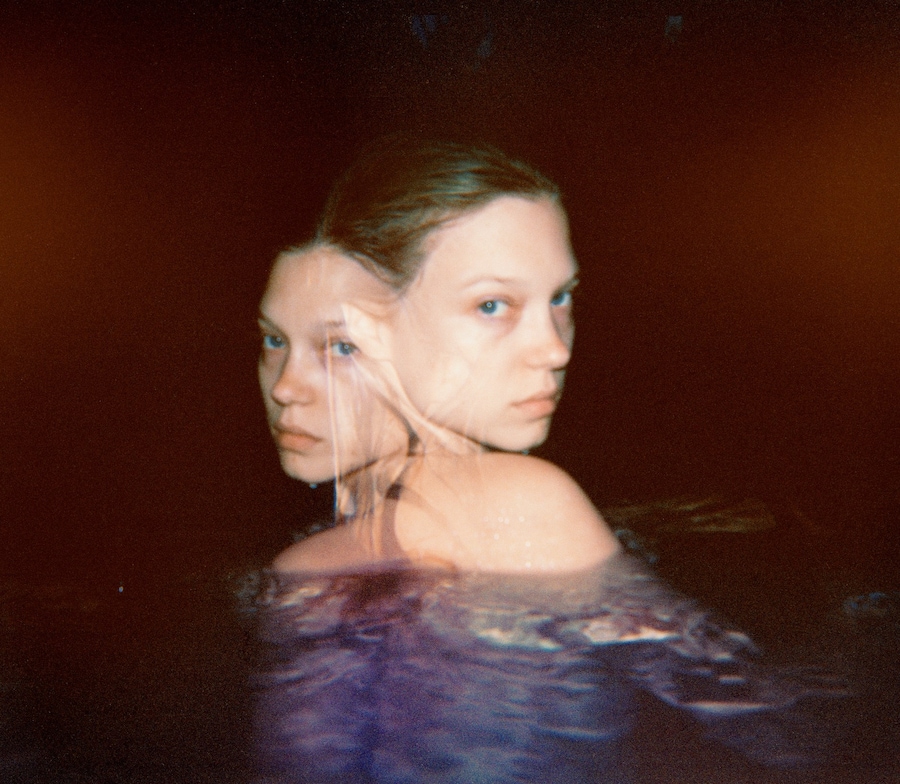
Shelby Duncan’s diaristic photo exhibition and accompanying book revisit the LA haven where Léa Seydoux, Louis Garrel and other aspiring talent flocked in the late 2000s
“LA is such a unique city. It’s just full of the most eccentric people, and because of the entertainment industry, too, it’s such a dream city. People are there to live this really big dream,” says Nevada-born photographer Shelby Duncan. She knows this because, when she landed there as an aspiring artist in the late 2000s, she was one of those people. It’s an unforgiving place that could easily anonymise or isolate people within the vast sprawl and tangle of competing dreams. Yet Duncan and the “chosen family” around her managed to cultivate a kind of enclave for personal and creative becoming. When people wanted a break from getting their break, they went to her place.
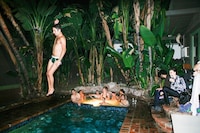
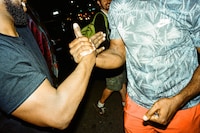
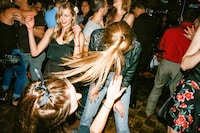
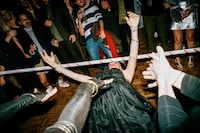
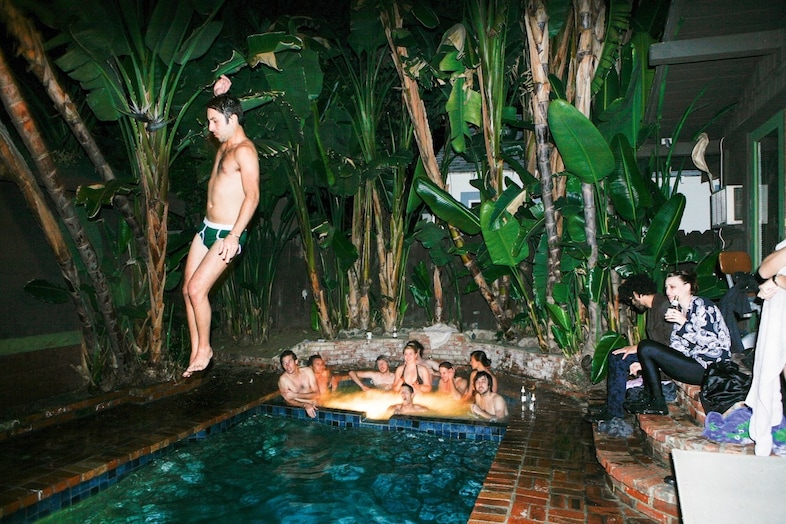
It’s not hard to see why Duncan and her friend Saraï Fiszel fell for the Beachwood Canyon house when they first came across it: Craftsman architecture, original pool, banana trees, a guest house that would help them scrape together the rent. Over six years, the pair were joined by a revolving cast of actors, musicians, filmmakers and other artists, whether for a few hours or a few months – and casually, but continuously, Duncan documented everything. Now, for the first time, her photographs of that period have been brought together in a new book, House of Love, and an exhibition at Les Rencontres d’Arles.
To say they touched many lives is not an exaggeration; when Duncan emailed people who visited over those years, roughly 250 people responded. What was envisioned as a simple photo book nearly a decade ago blossomed into a collective diary composed of Duncan’s photographs, contributed texts, handwritten notes, scuffed postcards, and other ephemera. The book is somehow both chronological and not. Structured as a 24-hour cycle – day to night and back again – but collapsing the border between years, it collages together people who may never have met yet were still part of the house at one time or another, recreating the unpredictable coming together of lives under that roof.

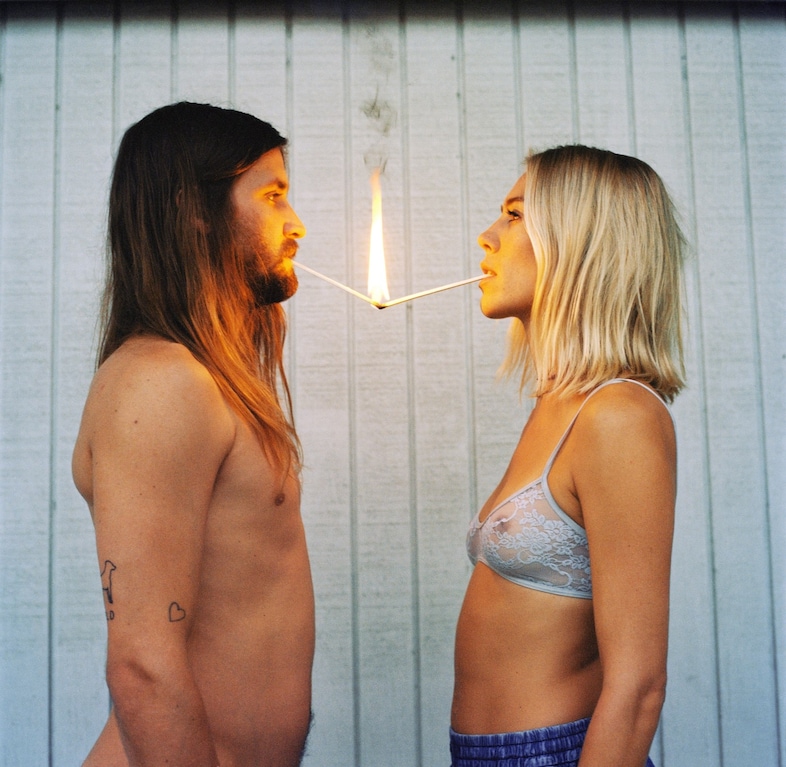
Duncan’s photos occasionally venture out to restaurants or the coast, but her home is unequivocally the beating heart of the project. “LA has this shiny appearance from the outside, but it’s really not the most attractive city and it’s really spread out. It’s really not like London or Paris where you have this café culture, you have this density,” she says. The difference was often laid bare by the large French contingent of visitors whenever they set off for a coffee on foot. “They would come back sweaty and I’d be like, yeah, it’s not the way the city operates! It’s not a walking city.” Instead, homes like Duncan’s perform an outsized role in people’s social experiences. “The magic about LA is the inside. It’s people’s houses, it’s the parties,” she says.
The photographs suggest hedonism and looseness, though Duncan remembers people observing a tacit code of respect and trust. “I know it was this party house in a way, but I also feel like it was such a safe space for people. With the pool, people were naked all the time, but it wasn’t because of drugs or anything like that. That wasn’t the scene.” People would gather around big dinners or sequester themselves away for intense debates; fleeting moments of intimacy that she was around to capture. “I feel like there were always directors and writers and editors in a corner at the kitchen table just philosophising and having these huge conversations,” she remembers.

This kind of intellectual sparring was typical of the house, as people experimented with how they think and express themselves. The photographs of her friend Gaspard Ulliel show the late actor and model brooding in a bathtub – make-up smeared, a cigarette in hand. Yet we’re also shown the tender moments of trial and preparation. “I feel like LA was this new territory for him. He was expanding into this new part of his acting career outside of France,” Duncan reflects. “They’re just so beautiful, those portraits. I really cherish them, obviously, because Gaspard is no longer here.” Another series of film strips feature Léa Seydoux in a pool, shot during a rare moment of quiet in the house. The photographs are cut with naivety, but her magnetism is tangible.
These images, and countless others in the project, feel like screen tests for young performers emerging into the public eye, learning how to hold themselves in front of the camera away from the glare of audiences or the voyeuristic gossip magazines. “A lot of that was taking place in all these different ways at the house, where people were just figuring themselves out in this youthful time,” Duncan recalls.

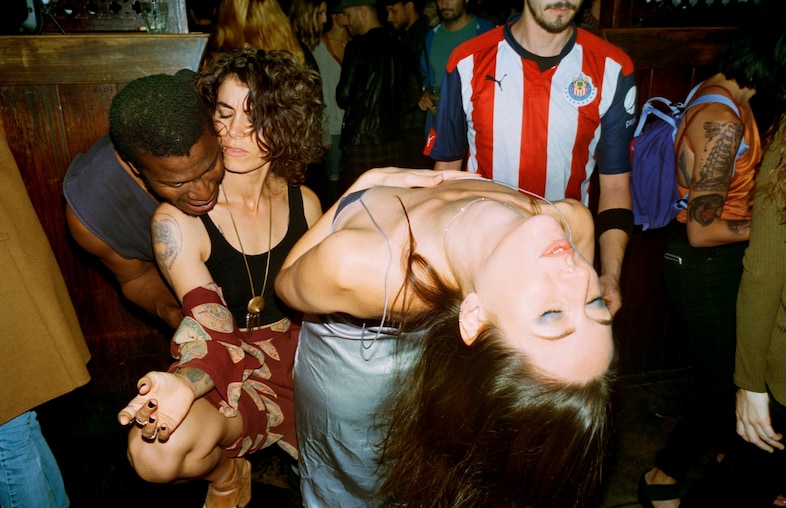
“Because I was such an integral part of the group in the house, I think there also became this real safeness around my camera,” she adds. “I don’t feel like I’m just documenting a thing; I’m in the documentation.” Like the people she was photographing, Duncan was also honing her artistic voice, a formative period that left a lasting impression on her practice. “I didn’t realise it then, but my life was becoming my aesthetic.” The principles that anchor her photography all these years later – “vitality and emotion, intimacy and movement” – were born in that house.
The housemates naturally disbanded in 2015 and the landlord later sold up, but the curiosity is always there; the idea of a big reunion party is sometimes floated, forgetting the fact other people live there now. The building looms in personal recollections as a kind of folk legend, likely because life around it has changed immeasurably since then. “I think what was so special about that energy is none of us were on our phones,” Duncan says. Besides her own photographs, people weren’t documenting or sharing their lives, and the entire project stands as a paean to living life in the present moment. “It really felt like this last breath of freedom.”
House of Love is published by Éditions 37.2, and will be on display at Foundation Manuel Rivera-Ortiz during Les Rencontres d’Arles 2026.
