
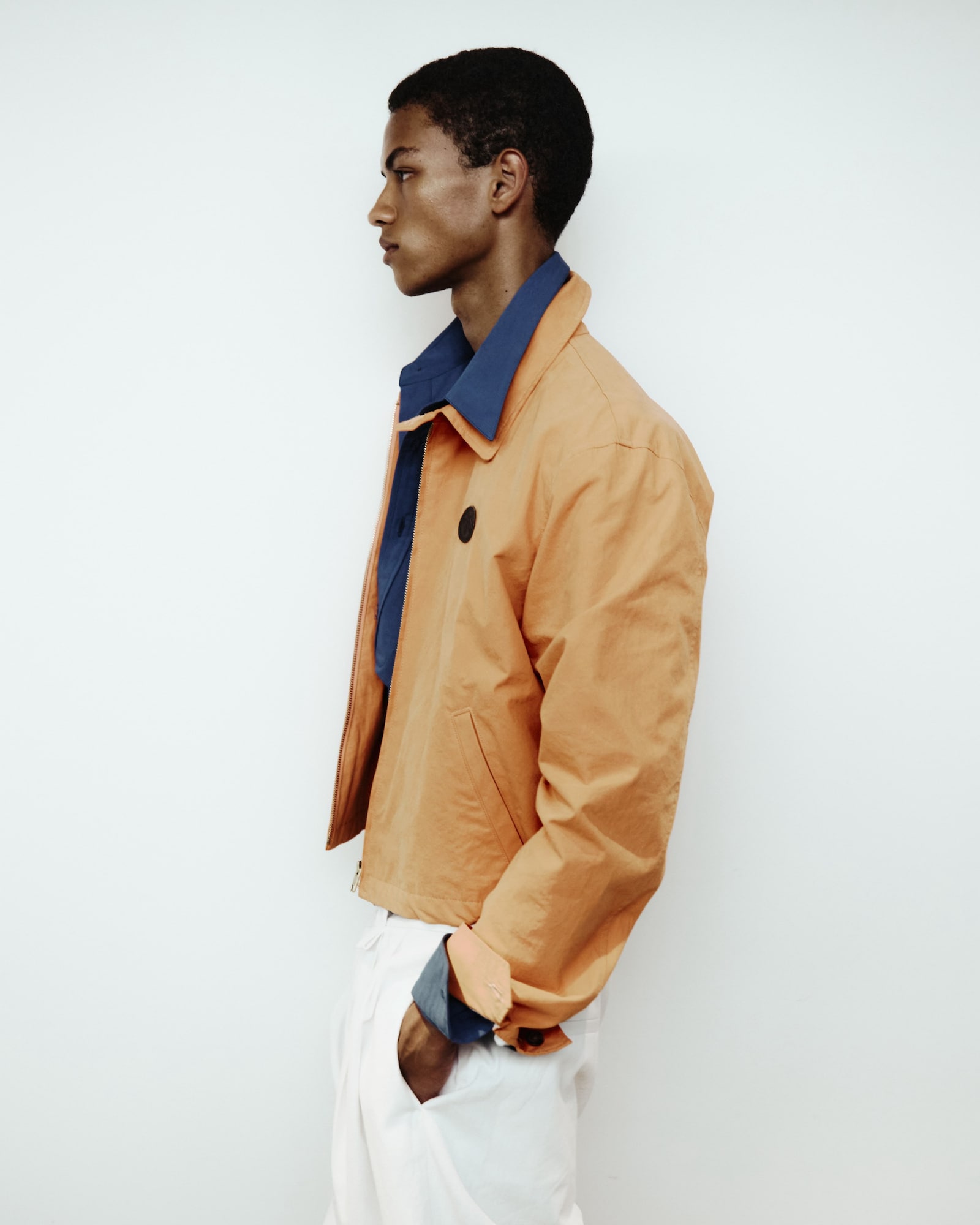
Nothing is accidental when it comes to Willy Chavarria’s clothes, steeped as they are in meaning and purpose, resonant with cultural weight. At least that’s normally the case. Spring/Summer 2027’s focus on layered boxer shorts, by contrast, was born not from deep consideration but from Chavarria’s lived experience pulling his show together in this June’s freakishly subtropical Parisian heatwave. He wound up wearing underwear as outerwear, and the idea spilled over into a show – a show in which slithery layers of light clothing tugged up and open to reveal toned flesh felt appropriately sensual, at a time when all anyone in the audience could think about was stripping off rather than dressing up. It’s nice to contradict yourself sometimes.
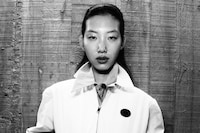
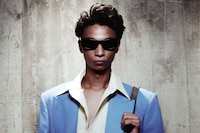
Which is kind of what this show represented. After an Autumn/Winter 2026 show of spectacular proportions, staged like multiple music videos in a concert-sized arena for an audience of thousands, Chavarria opted to bring people not only together, but up close. He called the collection Comunión, as if to underline that point, and showed in the headquarters of the Parti communiste français – that great modernist swoosh of glass devised by Oscar Niemeyer, an arena devoted to the power of the people. Over the past two years, since he began showing during Paris’ biannual menswear week, Chavarria has been outspoken in his opposition to the rightward swing of mainstream American politics – this time last year, Chavarria mirrored the detention of American immigrant citizens with a tableau of models kneeling; the season before that, he broadcast Bishop Mariann Edgar Budde’s sermon admonishing President Trump. Showing here may be his boldest gesture of all.
If Chavarria uses his shows as tools to communicate broadly around our troublesome cultural moment, the clothes within have, by contrast, become about simple pleasures. I remember interviewing him in New York a few years ago, before a show entirely cloaked in black; since he shifted his catwalk to Paris, his colours – rubbery pinks and detergent greens, mustard yellow and ketchup red culled from blue collar workwear staples and fast food uniforms – are exuberant, Chavarria’s very own communist ‘party’. Joy is an idea he talks about a lot – how to find it, how to express it, indeed how to make it. It’s why all that stripping off doesn’t seem like merely an instinctive reaction to an immediate climate, its associated embrace of a virile masculine sexuality is an unmistakable Chavarria signature. Is there anything more joyful, more edifying than making love? If that isn’t too old-fashioned a term today.

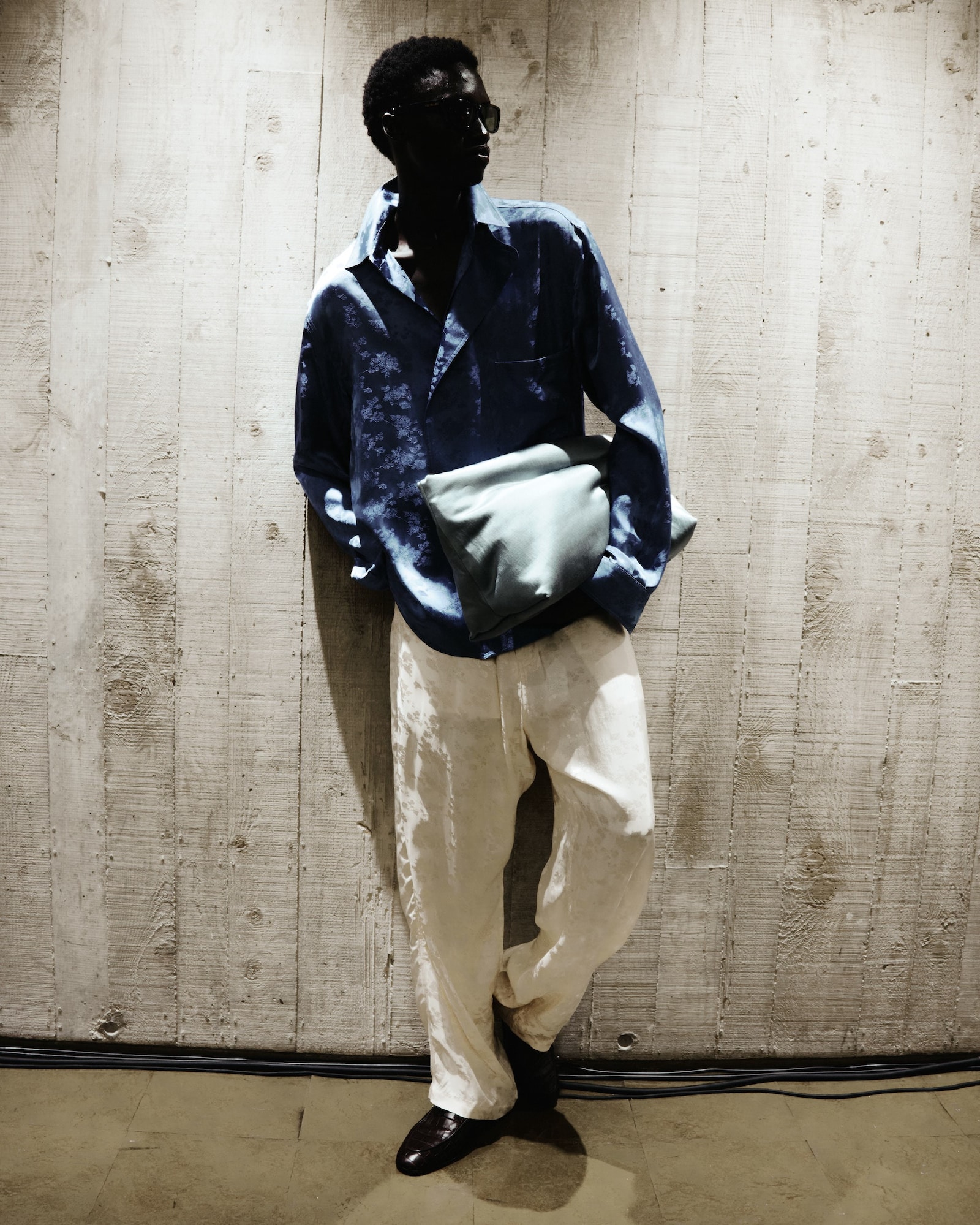

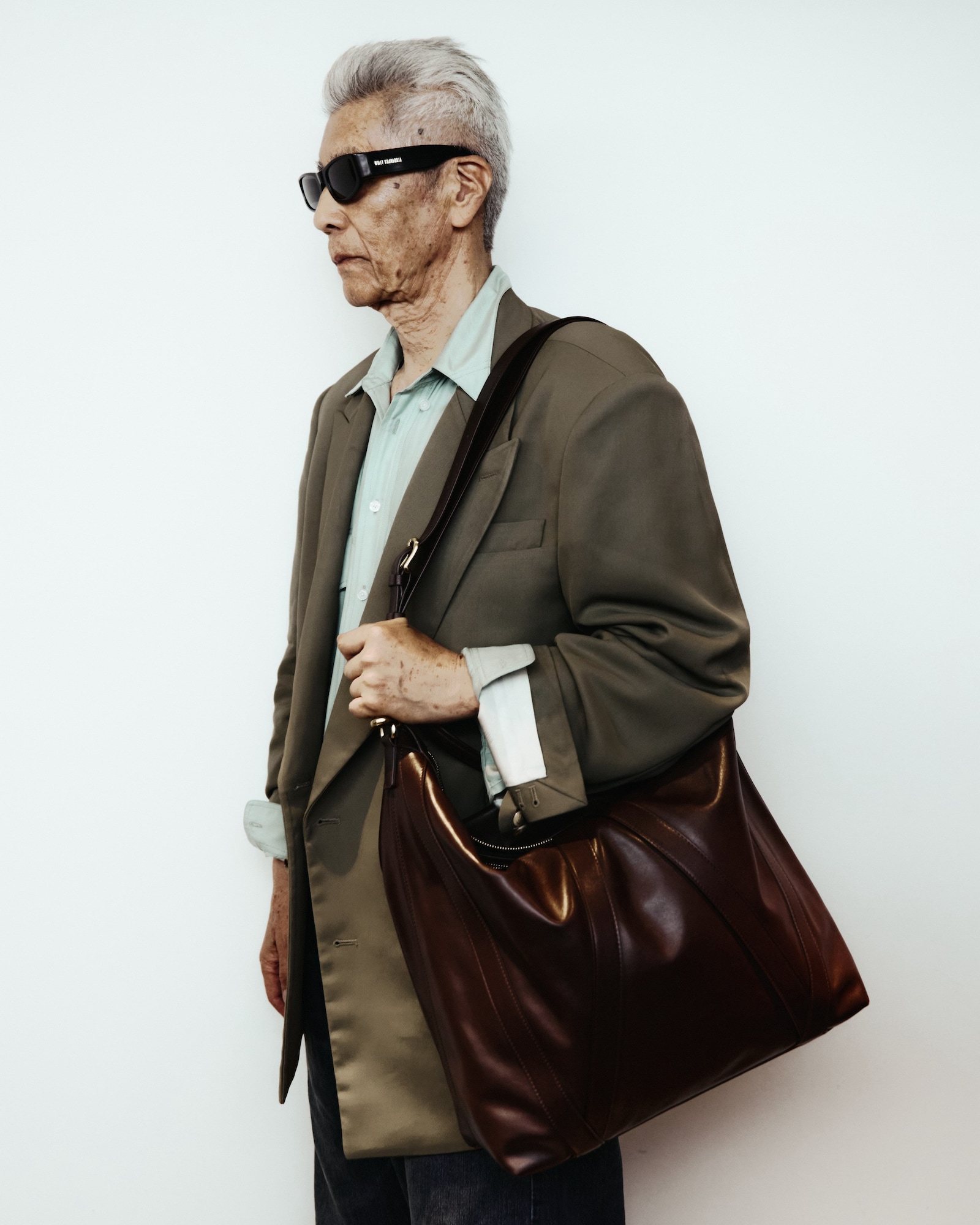
Chavarria’s clothes are unapologetically sexy. In the past, he’s created all-boy pin-up calendars and launched an underwear line with an eroticised video of scantily clad, iron pumping muscle men. His Adidas collabs have leaned into sportswear fetishism, acknowledging that people get sweaty in this gear due to all types of cardiovascular recreations, not only those that take place in the gym. Chavarria isn’t an equal opportunity offender – while his men are scantily clad, his women seem prim and proper, sometimes in West Side Story full circle or slender pencil skirts, other times in mannish tailored suits. They’re dressed with propriety, while his men are gratuitous eye candy, an inversion of well-established tropes that span cultures but have particular resonance in Chavarria’s hyper-masculine Latino communities. That said, the idea of putting women on a pedestal – Comunión, around these 21st-century icons – definitely has a place there too. Chavarria’s casting cuts a wide swathe and it’s always fabulous to see mature women marching like regal matriarchs alongside his sexed-up barrio boys.
This Chavarria show was a restating of his particular design ethos – dandified menswear, elegant womenswear and an undercurrent of streetwise sex cutting through the whole thing. More than anything else, you figured that Chavarria has crafted not just clothes but a real community with depth and rare significance. He’s made love.
