
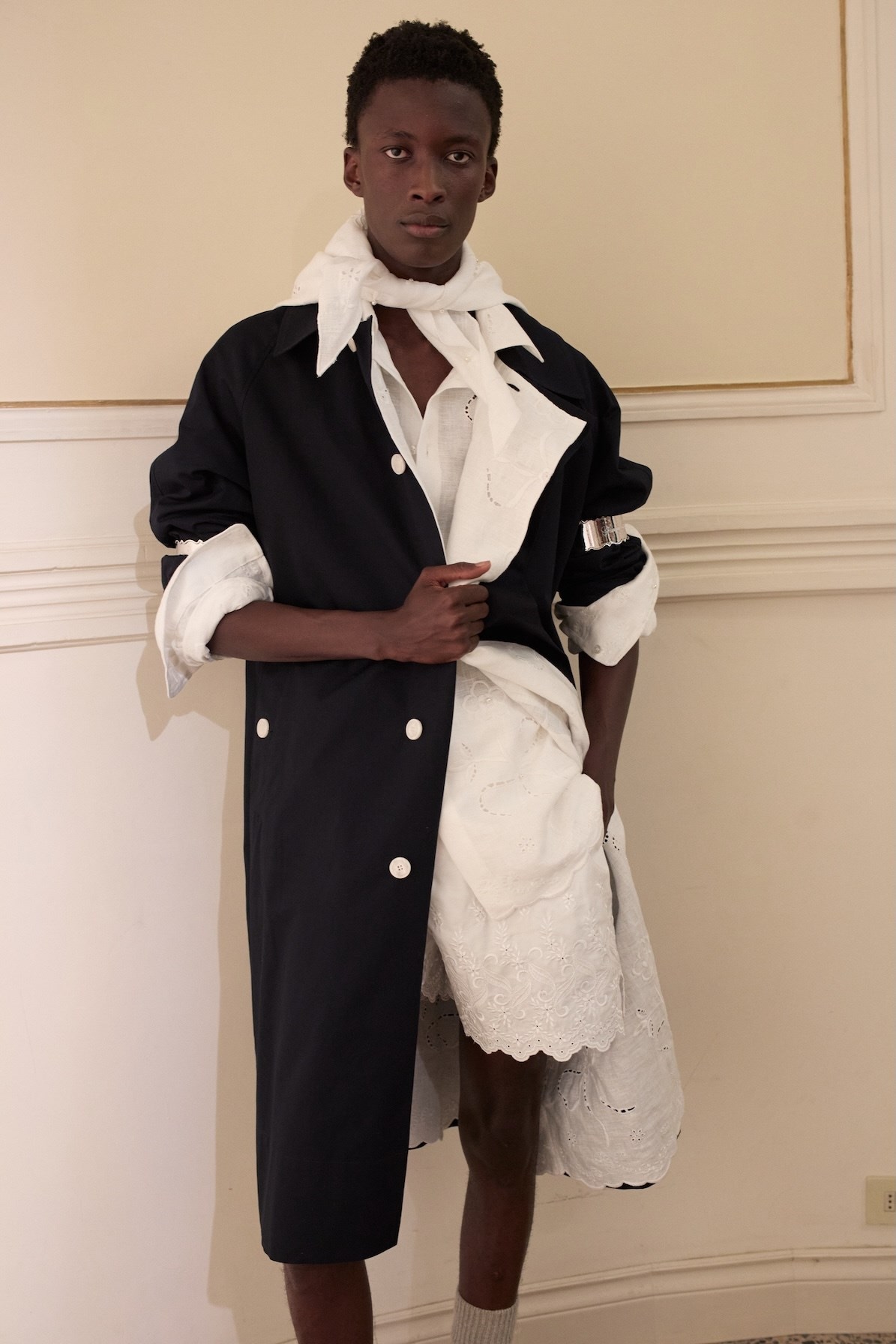
It’s a long way from Dalston to Florence – just shy of a thousand miles geographically, maybe even further ideologically. But still, that’s the distance Simone Rocha travelled to debut her first stand-alone men’s collection, as an unofficial start to the Spring/Summer 2027 season as official part of Pitti Uomo, the Florentine menswear showcase. The collection went in a van – bish, bash, bosh – but as a designer, her men’s journey was slightly more complex.
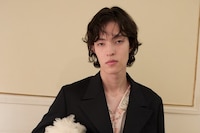
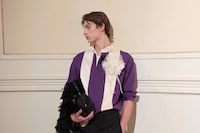
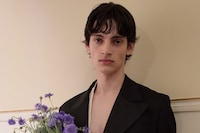
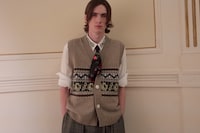
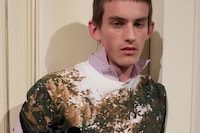
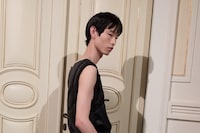
Rocha has been creating menswear outright for around five years, shown alongside her womenswear collections, a boyish counterpart next to her unapologetic, sometimes perversely pretty girlishness. That has only grown in breadth and confidence, establishing items that seem recognisably her – she does a neat line in subverted rugby shirts, like school PE kit gone nuts, for instance one in papery taffeta with a great big flat rose appliquéd at the hem, as if Jeanne Lanvin decided to play five a side. “Identity” is a word Rocha uses a lot, especially during a walk-through in that Dalston studio, models crossing the narrow space in tailoring sliced with sweet pinafore backs or pearl embroideries, shoes studded with spikes or sweetly cutworked like christening gowns, clutching boas of tea-stained scraps of silk organza. Both the identity of Rocha as a designer and her man as a living, breathing individual, rather than a conceptual construct, are on show.
Florence’s menswear showcase formally invited Rocha to present her collection there – the first designer to ever do so was Vivienne Westwood, which feels fitting and sets a precedent – which was the impetus to spin the collection out on its own, and also served as inspirational fodder. It’s tough not to fall in love with Florence, but it’s impossible not to be inspired by it. Yet rather than show in a grand palazzo or topiaries garden, Rocha hunted out a space that felt identifiably her – the Teatro della Pergola, a 17th-century opera house that has some connection with the theatre of the Alexandra Palace, where she presented her last show. “Displacement” is another big idea – and not just the pinny backs grafted onto jackets. The audience is, this time, displaced onto the theatre stage, looking out at the baroque auditorium, and Rocha’s guy feels displaced too. “He’s moving there, journeying there. It’s like he’s got the boat from Ireland, almost,” she said.

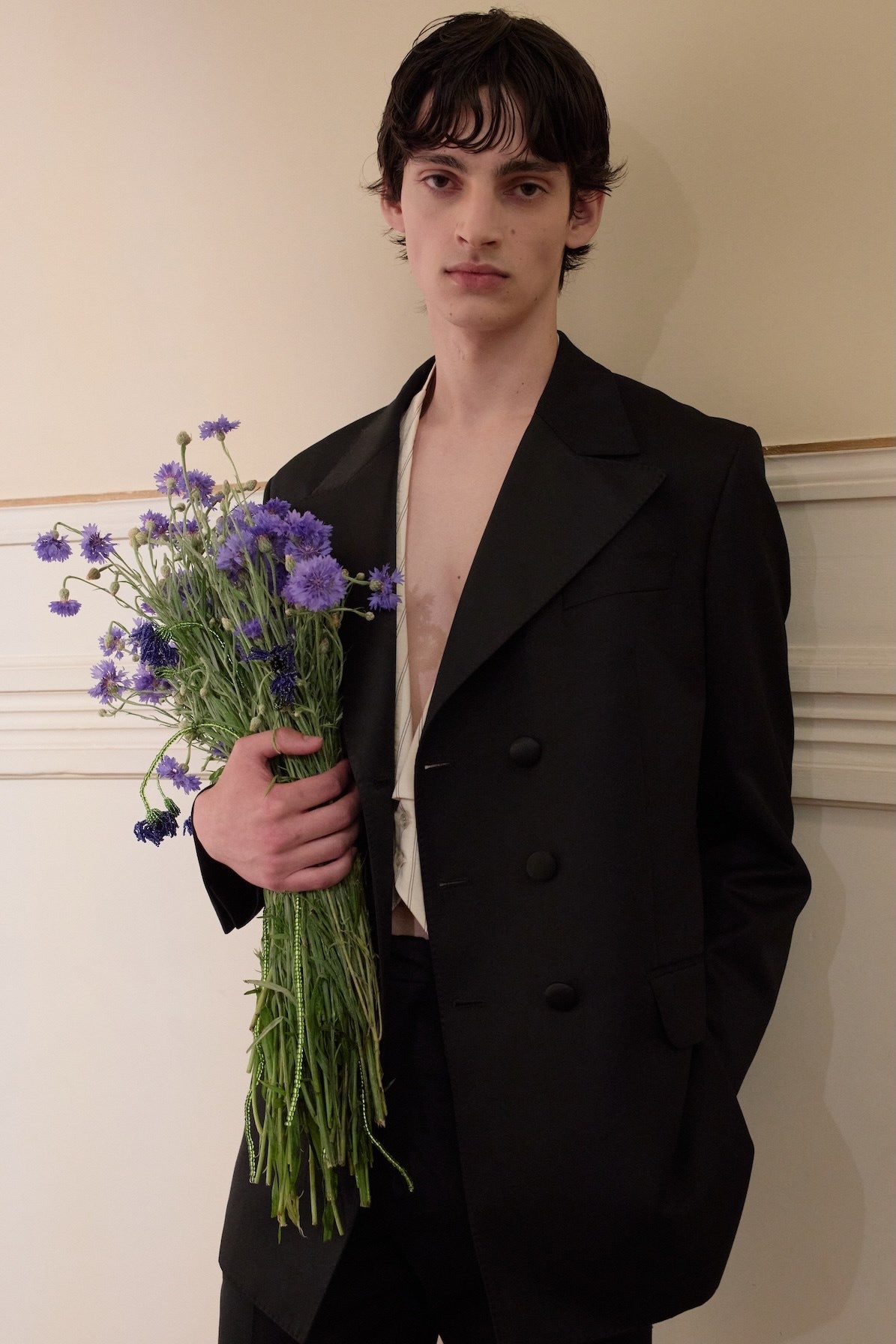

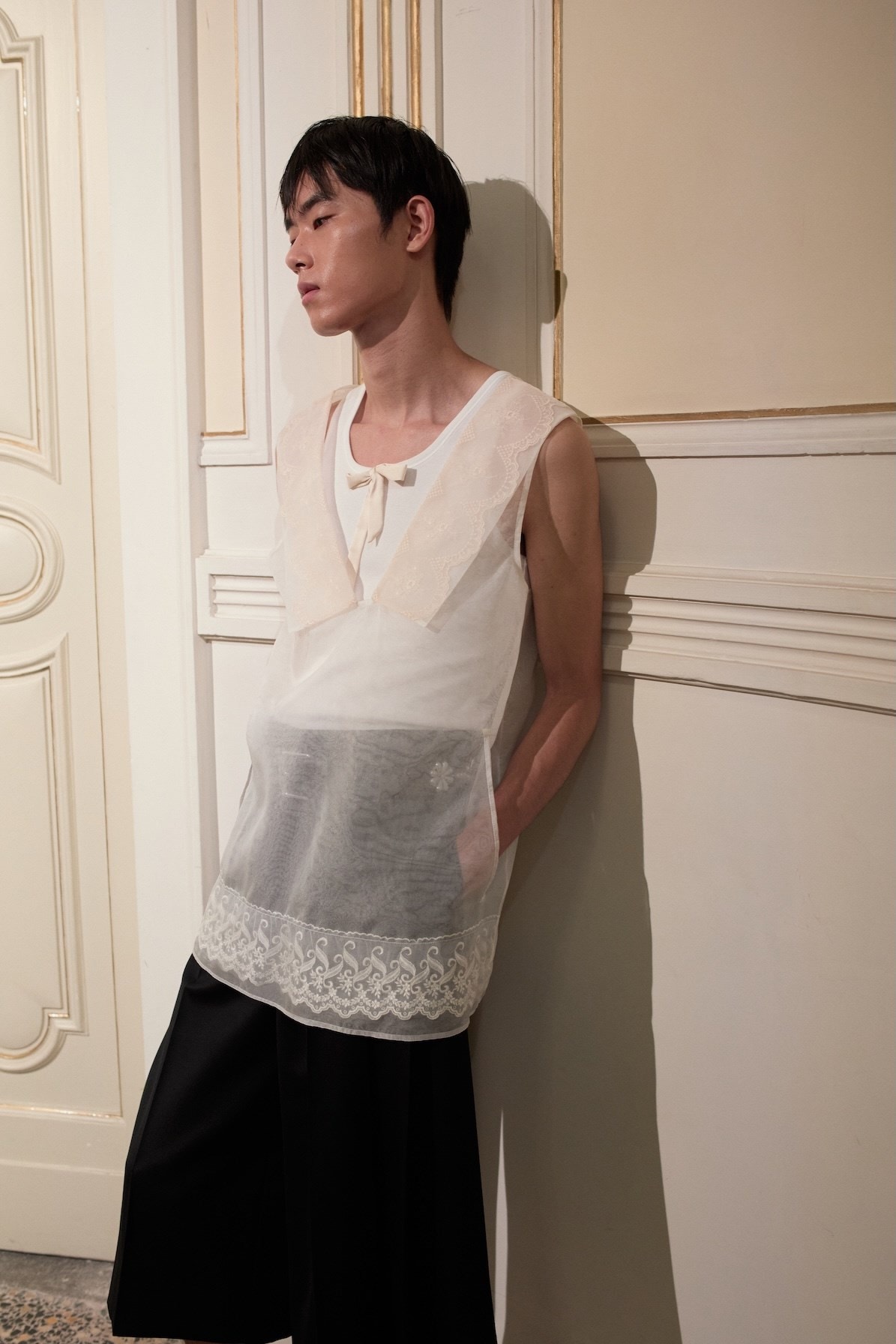
“We wanted to soften a little bit, to make it feel sensitive next to masculinity,” Rocha said of these clothes. Often, her menswear has a boyish, even blokey toughness, cutting through the pretty of her womens. For its solo debut, Rocha countered, “It wasn’t about bringing in a femininity, but a tenderness.”
Sweet was the word too. There was a sweetness to boys seemingly half-dressed in broderie anglaise boxer shorts and shirts, as if they’d fallen into a baby’s bassinet, others clutching bouquets of cornflowers, most fresh, a few painstakingly embroidered. Even workwear jackets and those rugby shirts sprouted pie-crust, Sloane-ranger ruffles, and those boas were flung and flying. “The tailoring is jarring with character performance pieces – found in the costume box,” Rocha said – inspiration drawn from rooting through the archives of the Teatro ahead of time. There were personality studies – a painter’s smock, dancer’s mesh jerseys, a few butch butcher’s aprons in nappa leather with great lobster-claw industrial fastenings cutting through the florals. Thinking of bringing the past to the present, a sequence of coats were lined in crunchy linen, like old tablecloths, open worked with flowers and Rocha’s name. All of that contrasted with her strongest swing into tailoring, formal Edwardian jackets and coats and wide-legged Oxford bags with incorporated kilt pleats that swirl around the legs. A Room With a View, that sun-fuzzed Merchant Ivory nostalgia-fest that’s inescapable when you come to think of Florence, was a port of call. Julian Sands would have loved the stark white broderie anglaise suit that came towards the end. The leather aprons slithering over bared backs were, maybe, a bit more Maurice – if you’ve read that clandestine EM Forster novella.

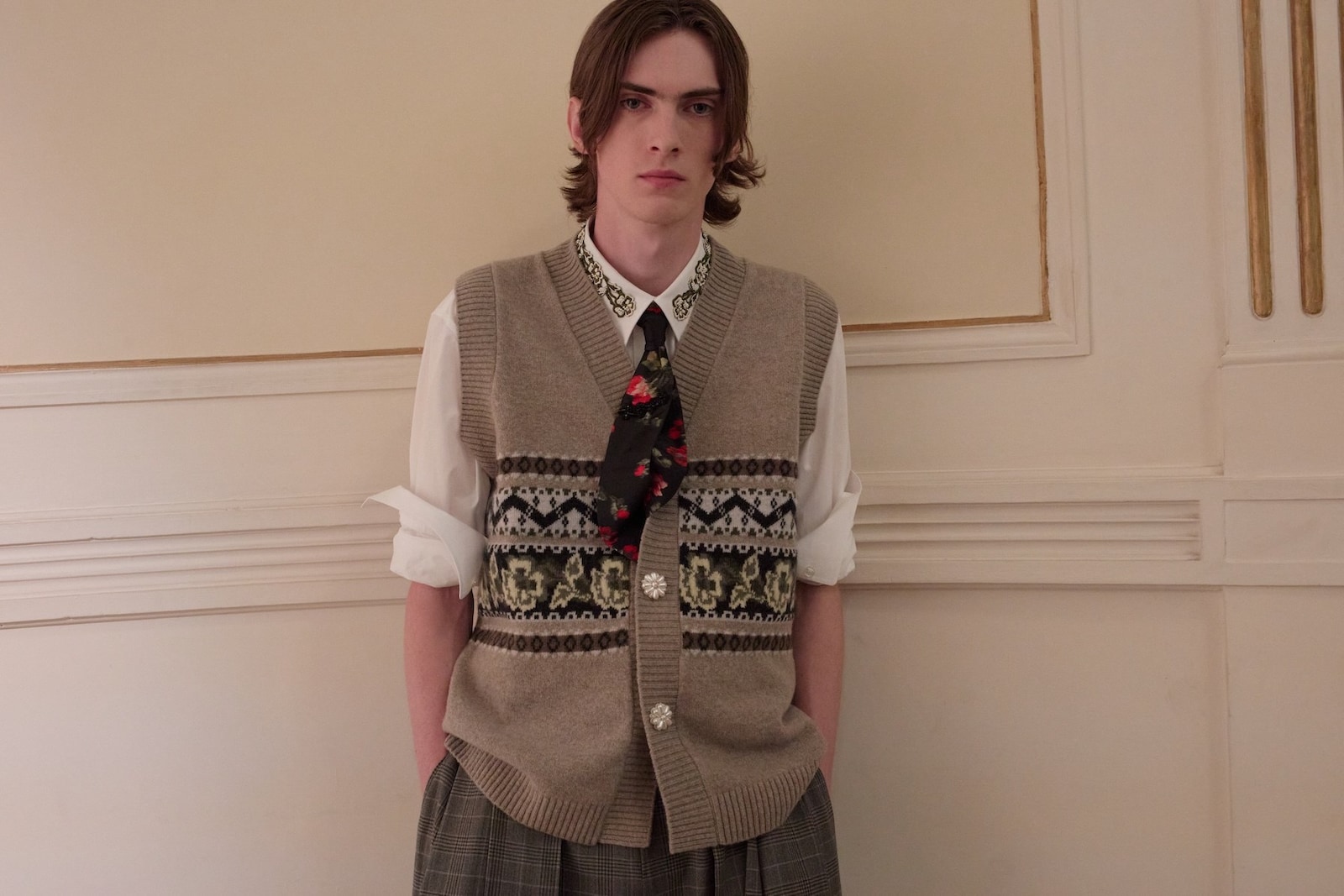

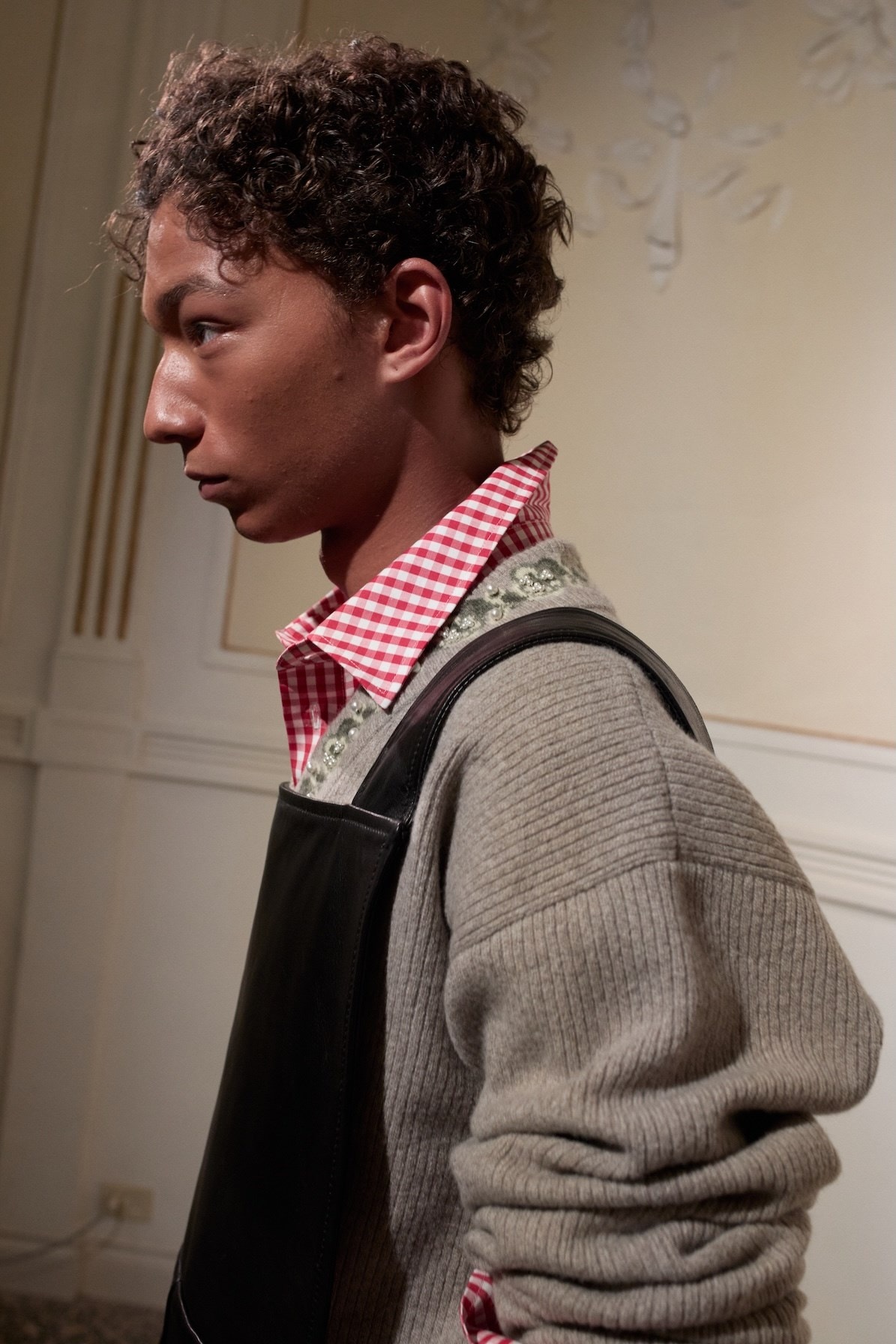
It all rounds back to identity – Rocha has more than enough to go around, and it’s becoming unmistakable. It also here translated across the board, from sweet ballet-trainer hybrid footwear, to daisy-studded Gladstone bags, to belts embroidered with Victoriana jet or dangling lilies and chrysanthemums in tough leather. She’s crafted a whole world – she’s got a view, and it’s not confined to a room. This was the first standalone outing for her man – but you’re intrigued to see where he’ll go next.
