
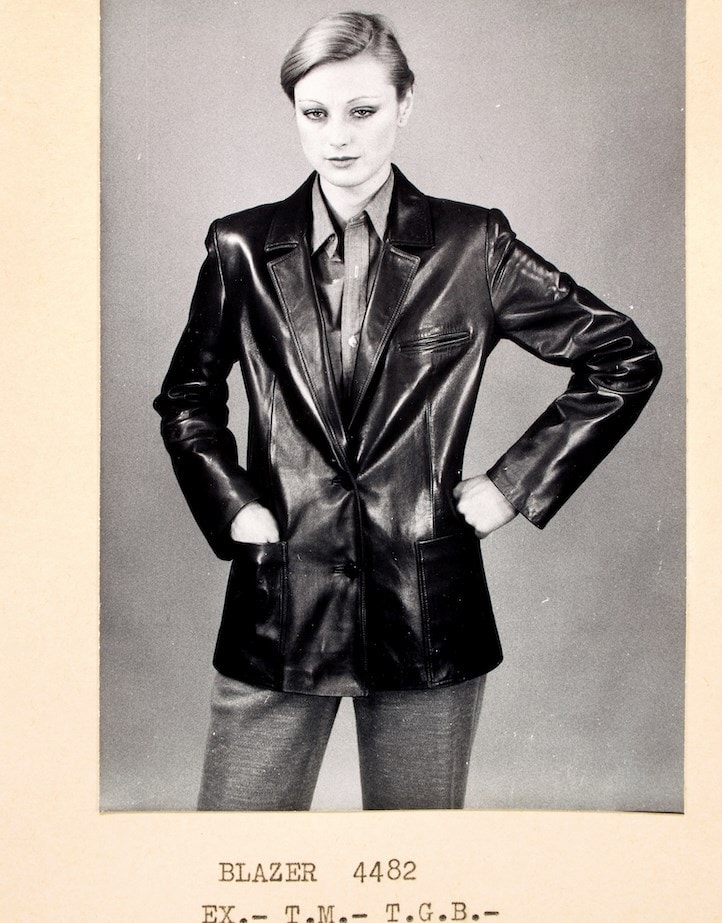
The trouble with turning 180 is that you’ve seen almost everything. Loewe was founded in Madrid in 1846. Across nearly two centuries, it has survived political upheaval, changing social mores, the arrival of air travel, the internet and luxury fashion’s many, many reinventions. Yet for much of that time, the house has remained occupied by a consistent concern: what can be done with a piece of leather in the hands of a skilled craftsperson?
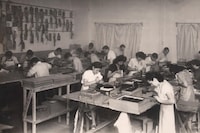
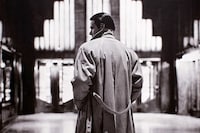

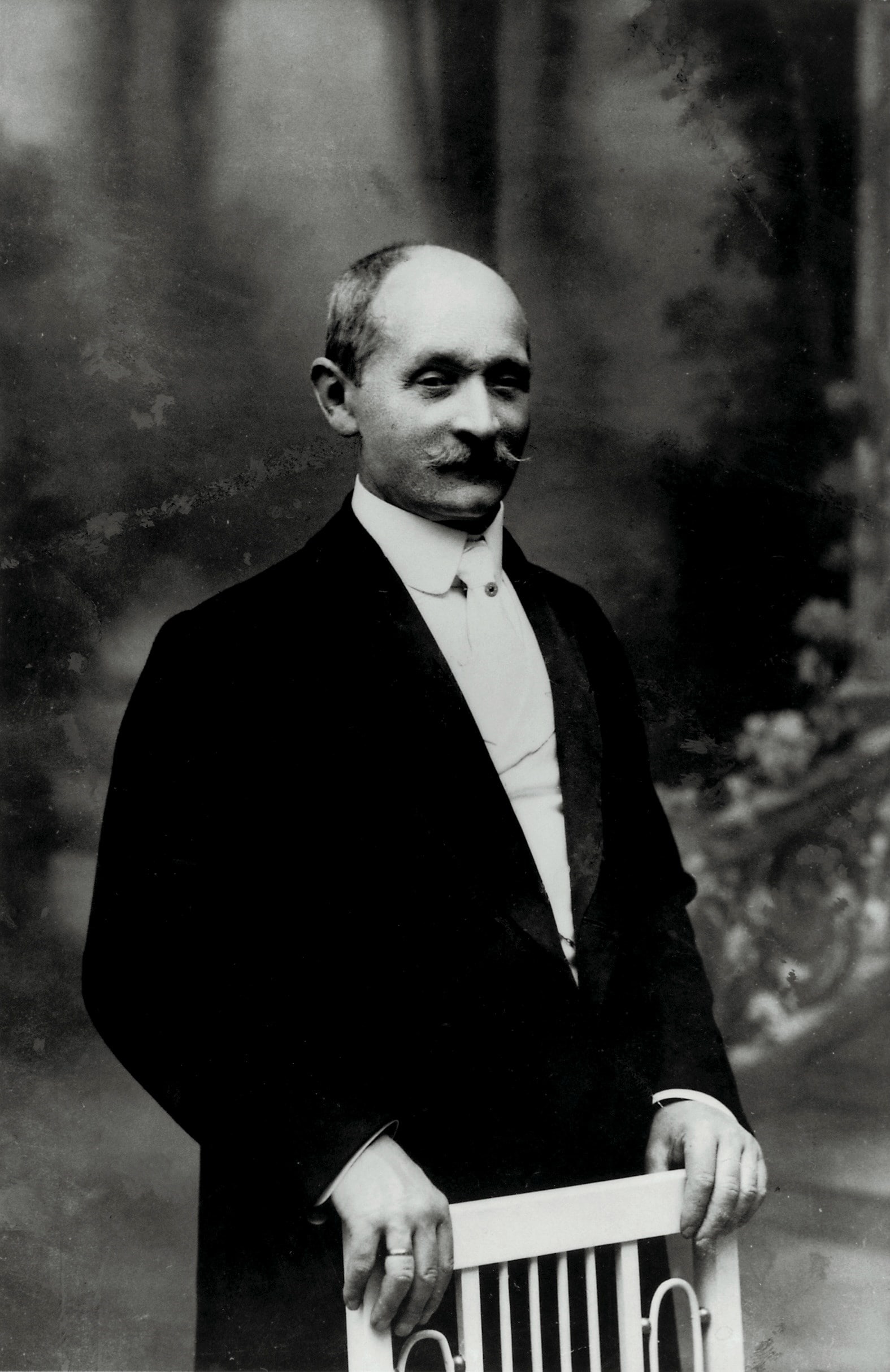
The origins of Loewe are modest compared to the brand’s grand scale today. It began as a collective of leather artisans working in Madrid, before the German craftsman Enrique Loewe Roessberg joined the workshop in 1872 and eventually gave the house its name. By the start of the 20th century, Loewe had become a supplier to the Spanish royal court and, eventually, an international cast that included Ernest Hemingway, Sophia Loren, Rita Hayworth and Marlene Dietrich. But Loewe endured because it kept finding ways to make craftsmanship feel contemporary.
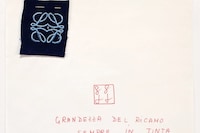
Established in 1996, the brand's archive contains objects recovered from collectors, auction houses and former clients. Some date back to the early 1900s. A wander through it will proffer encounters with jewellery boxes, perfume cases, music boxes and desk accessories. Visitors often react with a version of the same surprise: they could still use these objects today.


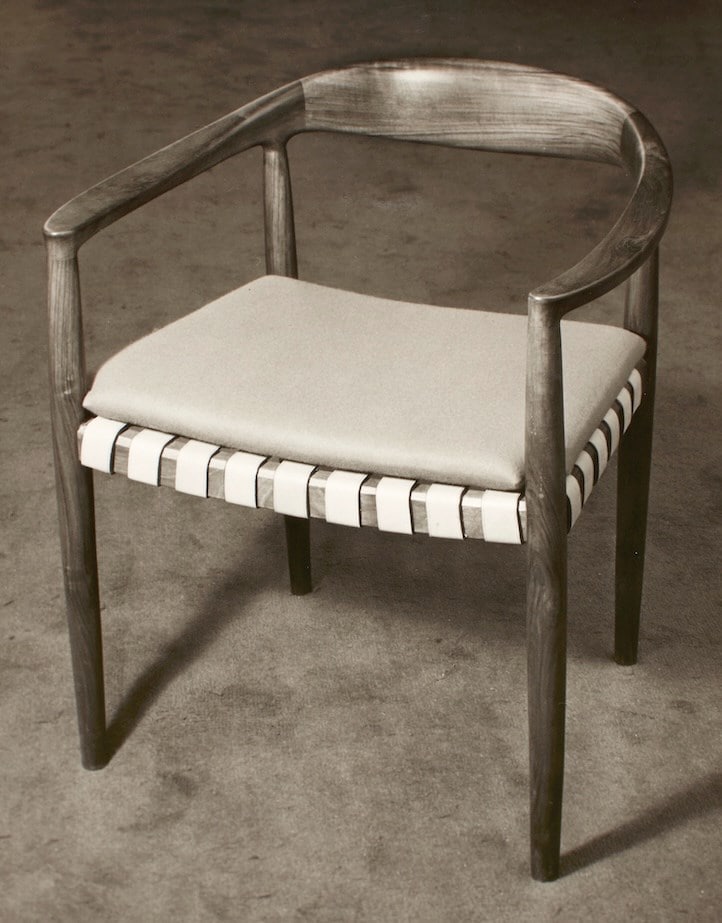
That’s because Loewe’s idea of luxury is rarely rooted in pure pageantry and aesthetic display. One of its longest-standing specialities was leather case-making, a painstaking technique in which an object was built around a wooden structure before being entirely wrapped in calf leather. The results are beautiful but also practical – both utility and imagination appear again and again throughout the house’s history. Techniques are revived, abandoned and rediscovered. Ideas that may have seemed too ambitious or impractical in one decade find a receptive audience in another.
Case in point: The Amazona. When the bag launched in 1975, Spain itself was changing. The Amazona was conceived for a generation of women entering public and professional life in greater numbers, and it looked different from the handbags that had come before it – it had to feel different. It was softer and less ceremonial than the rigid bags that had dominated much of the century. Its reinforced corners and metal feet acknowledged an almost radical idea that a handbag might have to touch the ground.

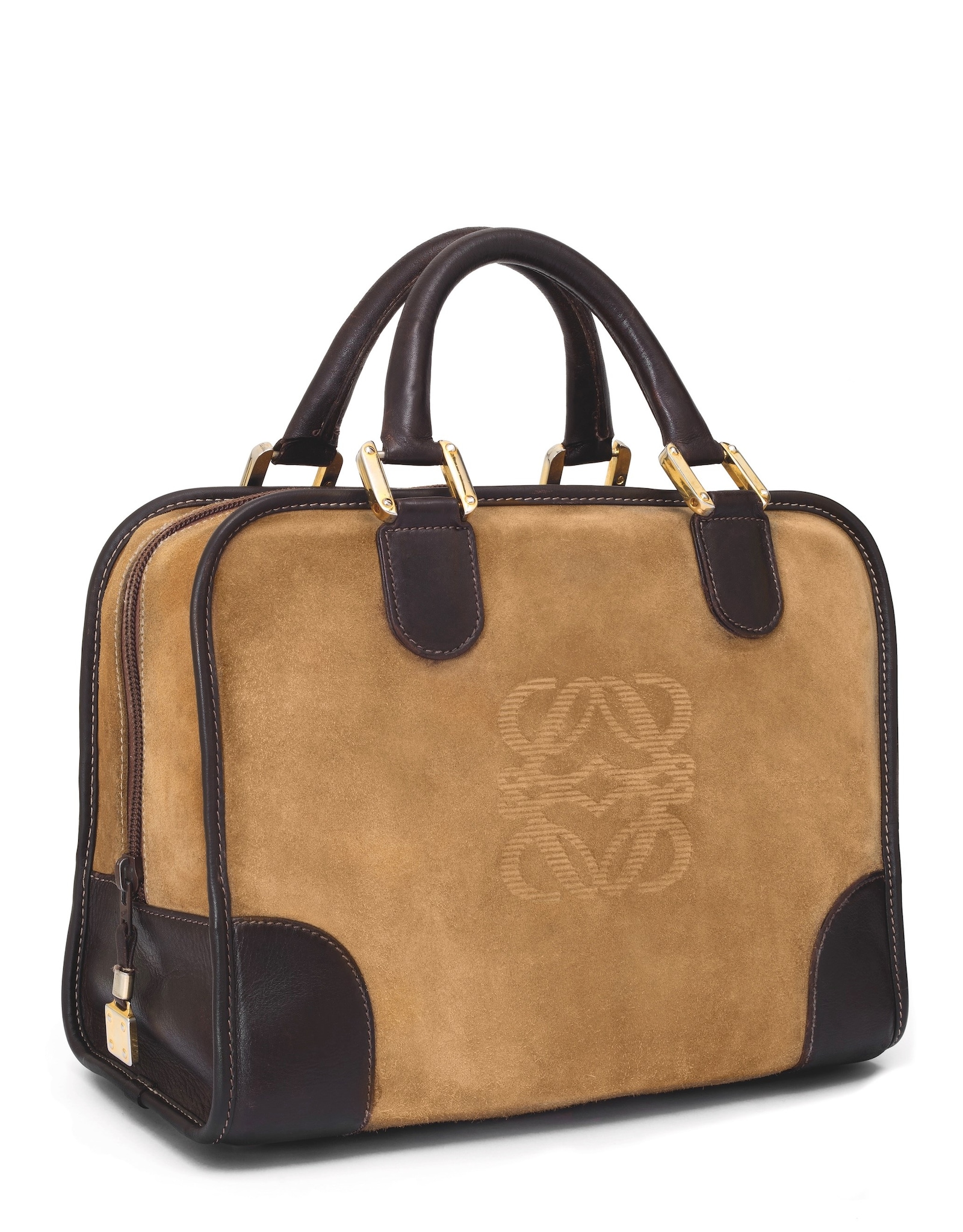

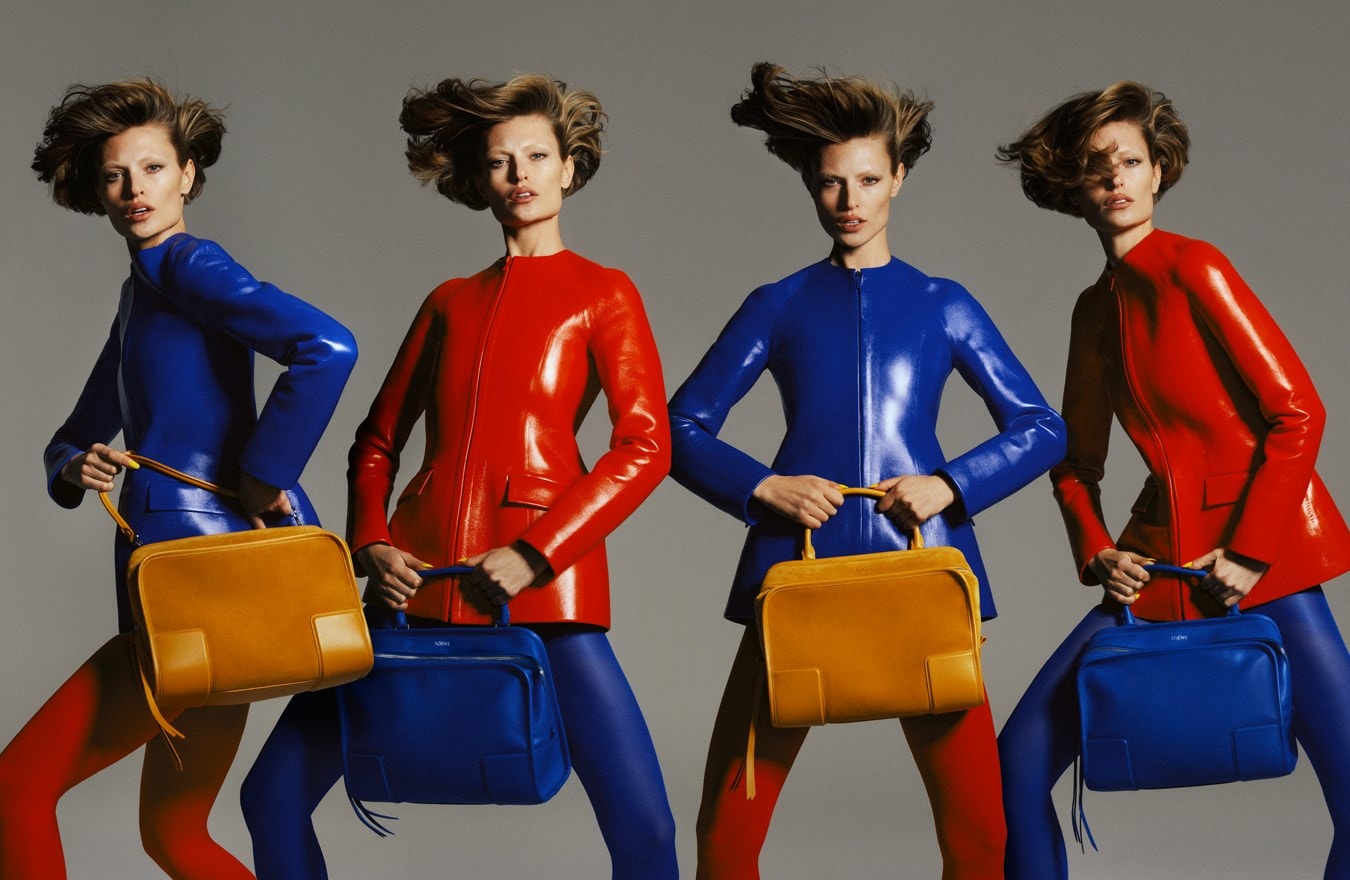
Fifty years later, the bag remains central to Loewe’s story. When American designers Jack McCollough and Lazaro Hernandez arrived as the label's new creative directors last year, the archive was the first department they visited. And they continue to return to it, mining nearly two centuries of objects and ideas for clues about where the house might go next. Their Amazona 180, introduced for Spring/Summer 2026 – which has since graced the cover of this very magazine – is a poppy reworking of the original that’s true to now.
The Amazona 180 sits at the centre of Loewe’s anniversary celebrations. Shot by Talia Chetrit, the house’s new campaign brings together an eclectic cast that spans generations and disciplines, including Julia Garner, Sissy Spacek, Kara Walker, Kara Wai, Salma Abu Deif and aespa’s Giselle. Each appears alongside a different chapter of Loewe’s leather-goods history, from the Amazona to the Flamenco and Puzzle bags. Elsewhere, a capsule collection revisits recurring motifs from the archive, while a new publication, 180 Years of Craft, opens up the house’s history through archival objects, photographs and stories from Madrid. An accompanying animated film, narrated by Antonio Banderas, traces key moments from Loewe’s past, reminding viewers that the house existed before the telephone, the lightbulb and the moon landing.



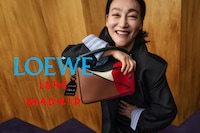

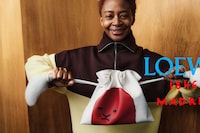
The house is marking the occasion with a campaign, publication and film dedicated to its history. Yet there is little sense of a brand looking backwards for comfort. If anything, the anniversary suggests the opposite. This is a house that has spent 180 years proving that craft is not the opposite of innovation but its foundation. And with a history like Loewe’s, why wouldn’t you show it off?
The Amazona 180 bag by Loewe is out now.
