
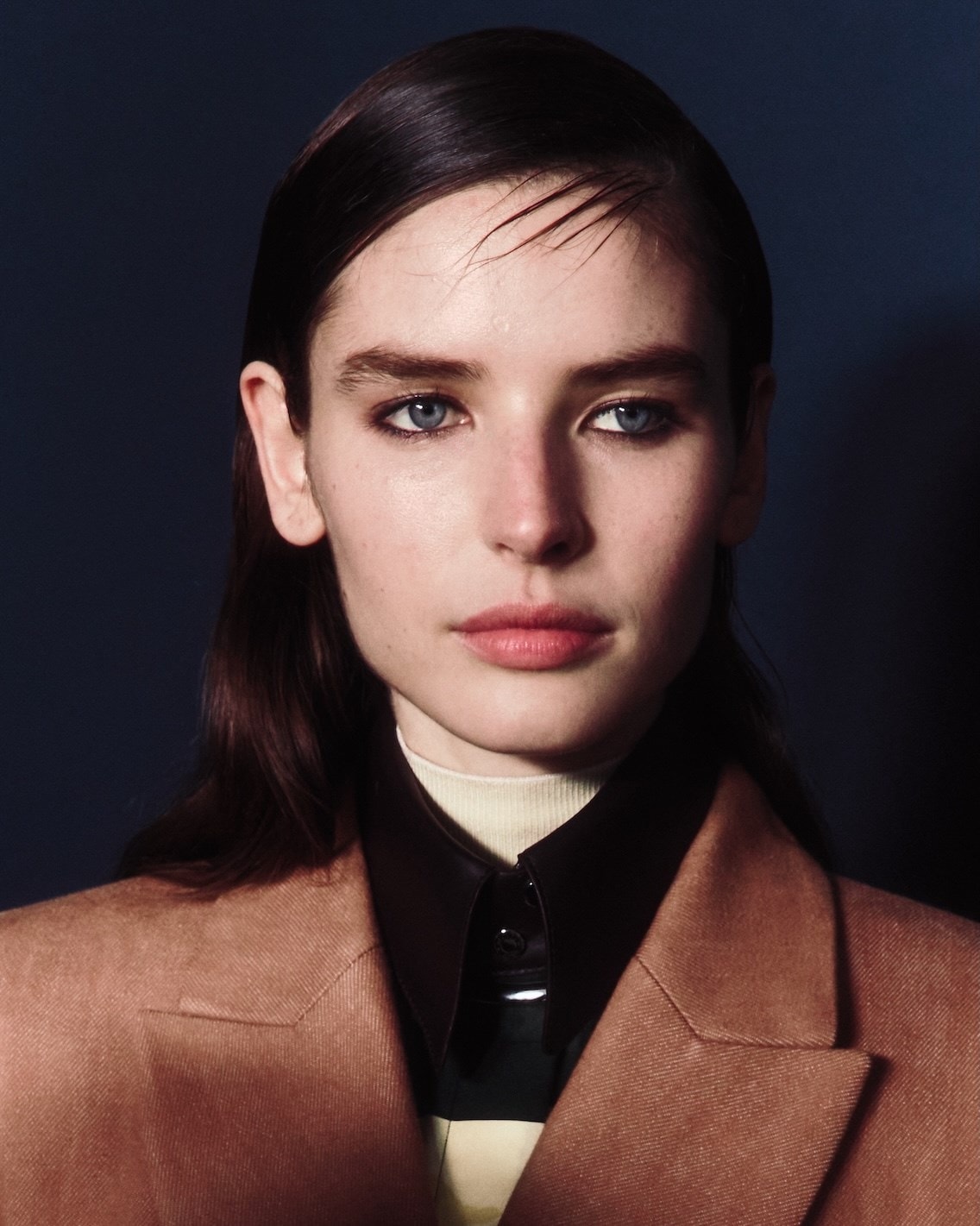
Hermès is a house where you feel anything is pretty much possible. This is the maison that has hand-crafted a leather cradle for a moneyed customer to carry an apple, one that invented a bag for the late Jane Birkin that became a global fetish object. Luxury downturn? Buck that. And for their womenswear director Nadège Vanhée’s latest Autumn/Winter show, they implausibly transformed the barracks of the French Republican Guard into a moss-massed outdoor scene of luminous twilight, brought indoors and in the middle of the day. Why? Because they can.

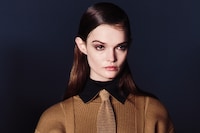
And, of course, because that notion of dusk – a term expressed rather more poetically, en Français, as entre chien et loup – was central to Vanhée’s take on the season as a whole. “It’s where the familiar becomes unfamiliar, strange,” she said, three days before her show. She was previewing in the warm Modernist villa where Hermès decamps to prepare for its biannual fashion shows. Soon, more will be added – Vanhée is planning to launch an haute couture line, the house’s first ever, next year. “It’s a certain way of talking about sexiness – revealing and concealing,” she said, of this collection. “I don’t want to talk about dichotomies anymore. It’s about tandem.”
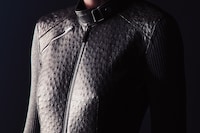
Tandem means that a woman could be undone, or buttoned-up – or, rather, zipped-up via biker dresses that spiralled around the form, slithering open on one side to reveal the skin within. That’s natural, for Hermès, a name synonymous with leather, which was iterated here in second-skin bodysuits, taut miniskirts, and those supple dresses.

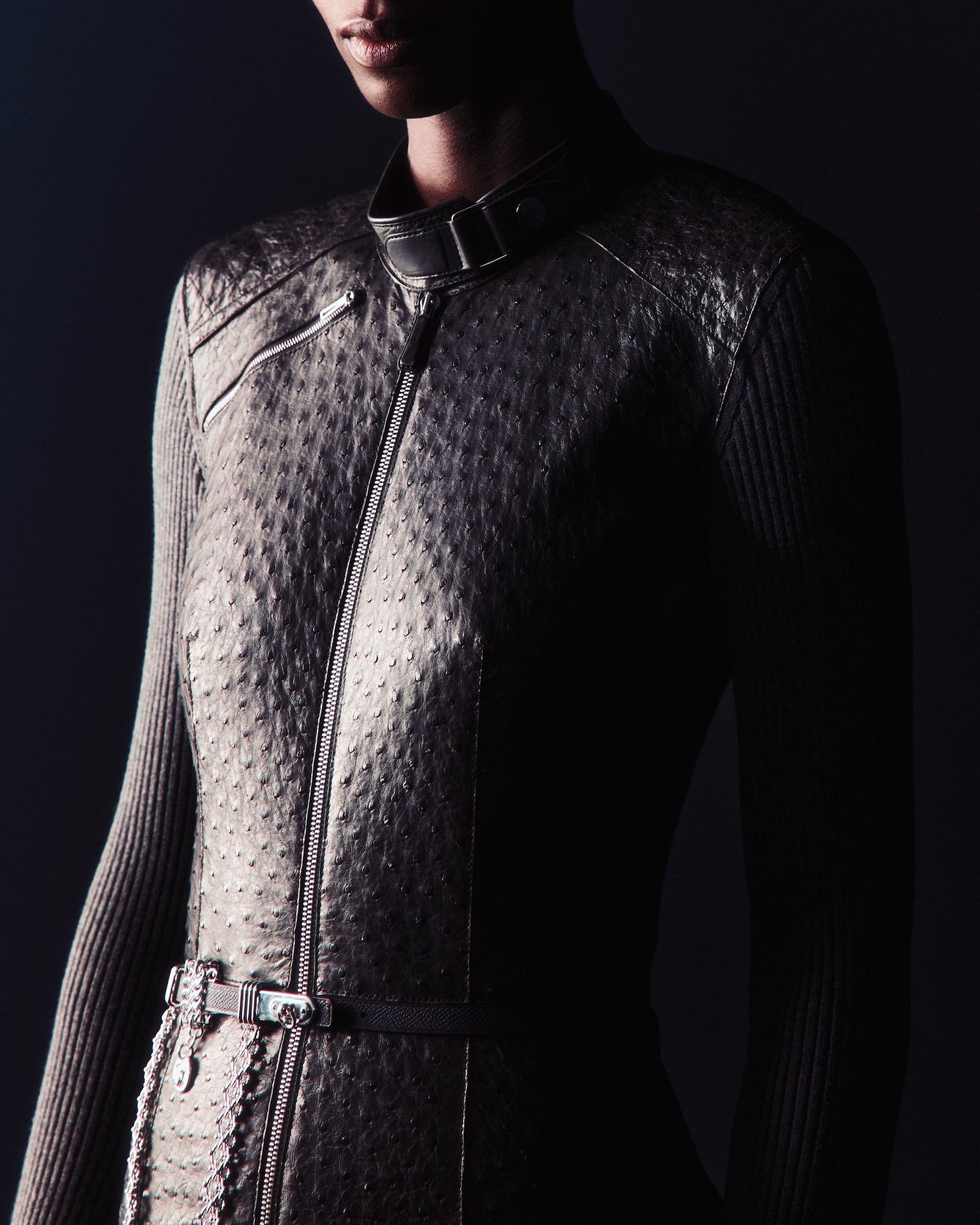

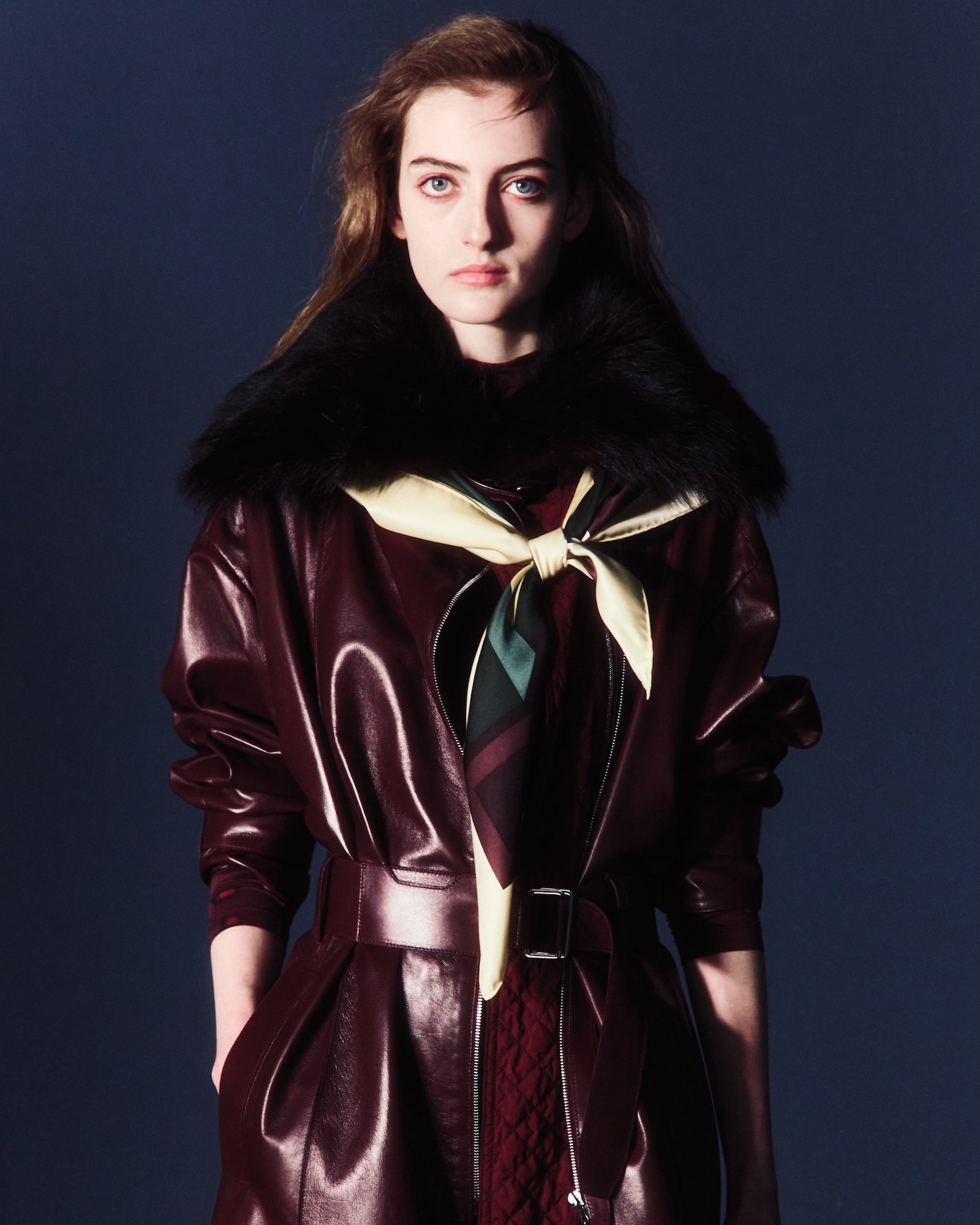
“It’s about bringing a strong female agency,” said Vanhée. She was talking in front of a model dressed a little like Lara Croft from Tomb Raider, in brief cycling shorts under a sliced-out elastic jersey jacket with calfskin collar, a glinting silver châtelaine buckled at her waist. It was all sharp enough to appear as if it was cut by a whip, Vanhée said. Very Hermès. The twilight reference generally came through in a strange half-light of colour, in petroleum blues, merlot burgundies, a phosphorescent lichen chartreuse used for a suede handbag that almost glowed in the dark. “Hecate meets Deborah Turbeville,” she said, conflating Greek mythology – where the name Hermès originates, after all – with fuzzy 1970s romanticism. Though there was nothing misty-eyed or soft about her vision of femininity.
Indeed, Vanhée’s women have been in sharp focus for a while: her Hermès is built on sportswear references, brilliantly reinterpreted, stretch fabrications, closely-hewn leathers, streamlined cuts. Hermès is, famously, an equestrian house – her women dress like riders (they love jodhpurs, including in this show) but they move like horses themselves, engineered for speed and dynamic energy and bounding around the chicanes of her catwalks at breakneck speed. Generally, they’re in flat boots, hair tugged back, streaming past, ergonomic handbags clutched close. They’re modern and free. This collection refined the vision further: jackets were spliced into dresses, seemingly pinched and engineered in go-faster shapes, delineating curves. “It’s to tweak the rigour,” Vanhée stated. “I wanted to bring a sensuality to modernism.”

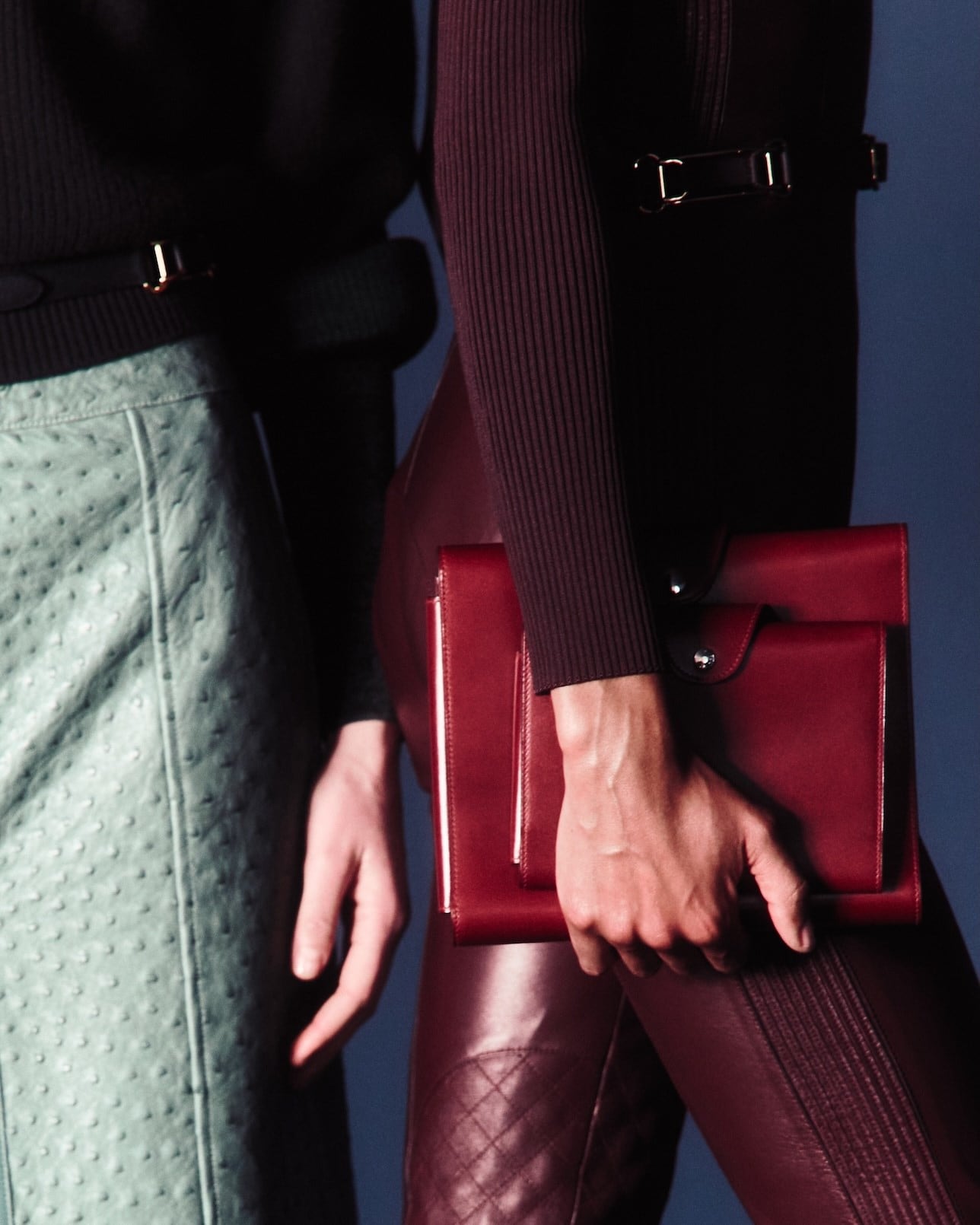

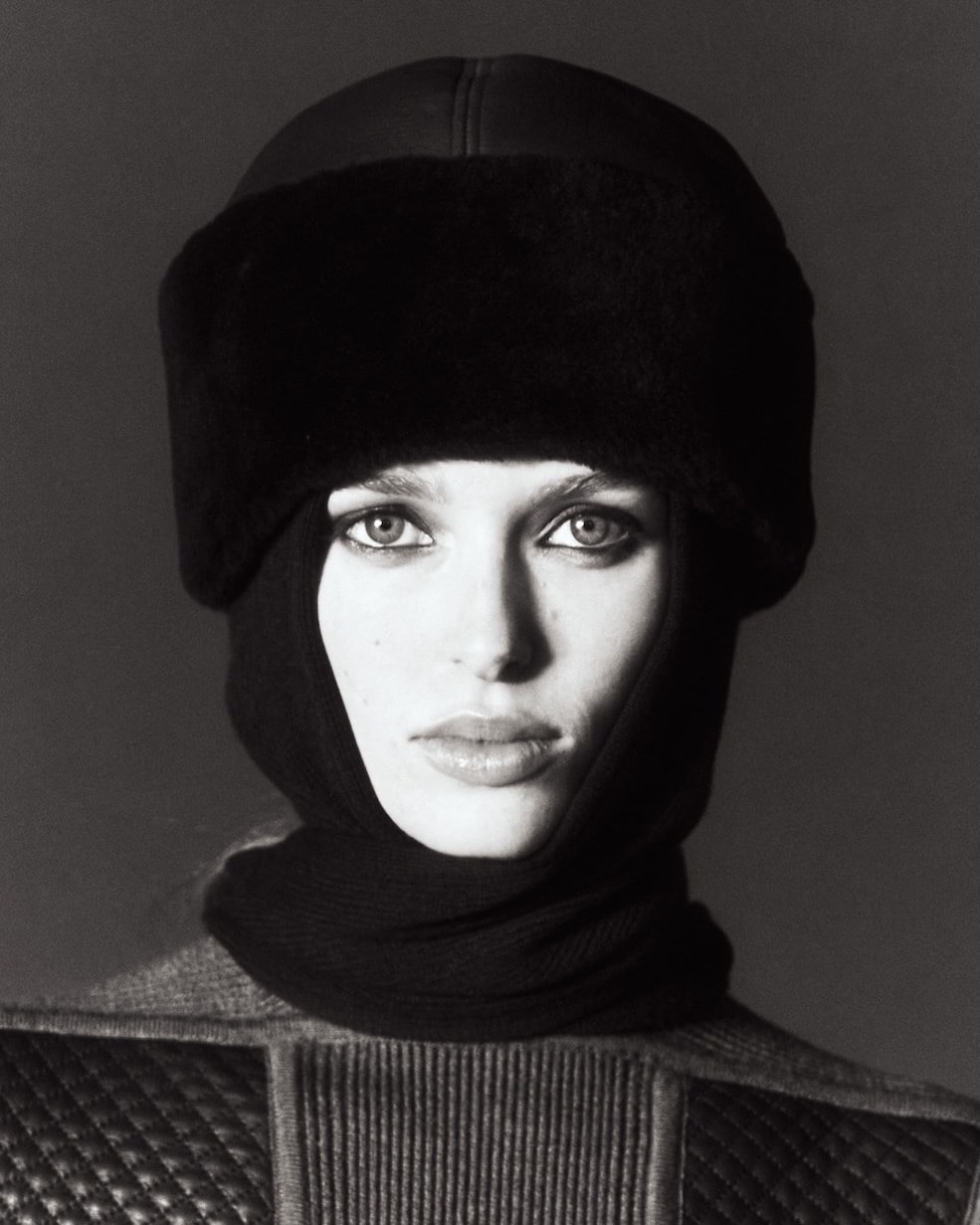
Colour and fabrications did that, often working in tandem: ribbed, body-hugging knits were backed with alternate hues, denims woven in burgundy and brilliant, citronello yellow, say, and leathers burnished with a patination glitter to give an inherent iridescence. Everything was changeable, malleable and mercurial, transforming and shifting under light.
There is a purpose and meaning to everything Vanhée does, a genuine reasoning. Those colours aren’t like anything you’ve seen anywhere else – they’re unique, exceptional, appealing and exciting. It would be easy for a designer at Hermès to rest on their laurels, given the voracious demand, the snaking queues and potent desire for just about anything the house proposes. Vanhée has never done that – instead, she explores and expands the universe of Hermès season on season, often subtracting from her clothes, but adding to her world. This time, she generally stripped back the print – with the exception of one, taken from a carré devised by Cassandre in the 60s showing a scaffolded structure framing a clouded sky, sliced up and pieced into brief quilted dresses. “Not as decoration, but to support the body,” Vanhée said. The same is true of her clothes.
