
The churning morass of designer arrivals and departures are, generally, the subject of much conjecture: it’s rare that a collection is presented with the concrete knowledge that it is a designer’s last for a particular house, under a specific name and legacy. And as far as fashion legacies go, few have the heft nor raw emotional force of Azzedine Alaïa’s, a name that continues to resonate, to mean something specific and tangible. An approach to fabric, to the body, to craft and to women. Not in that order. Pieter Mulier, a softly-spoken, warm-eyed Belgian, has led Alaïa for just shy of five years. This season, it was his time to say goodbye.





It’s no great secret – Mulier is moving over to Milan, to Versace, helming another house founded on supermodels and super bodies and a sexualised, valorised celebration of women, another formidable legacy to scale. He told me that Azzedine and Gianni were friends, which feels appropriate, and Donatella Versace is said to be very, very happy. Mulier will show his first collection there next February. But before that, there was a chapter to close and a page to turn in Mulier’s Alaïa story. He has, it’s entirely fair to say, re-energised the house that Azzedine built. The labels returned to the 1980s original, as did the eroticised silhouettes, the cut, the ideology. Mulier expanded the business, which is great – Alaïa is now, apparently, the best-selling shoe brand in the London department store Harrod’s, outpacing mega luxury competitors. New stores opened, turnover leapt, yadda yadda. That’s all great. But, ultimately, what people will remember is not what you sold, but what you showed. The vision. Mulier’s has been formidable.
A few days before, in Alaïa’s expansive new home in the 11th arrondissement – which is a big, impressive and professional business space, but still has a kitchen at its heart, which is very Azzedine – Mulier was putting the final touches on his final collection. Those touches were minimal, as was the collection. “Minimal, minimal, minimal,” Mulier declared – then asked me to find different words, laughing. He reminded me of Azzedine Alaïa then – who once told me his origin story, of how he studied to be a sculptor at the École des Beaux-Arts, before deciding he wasn’t good enough and shifted to fashion, to become the master of us all. “That’s the story,” he shrugged. “Now, you embroider it.”

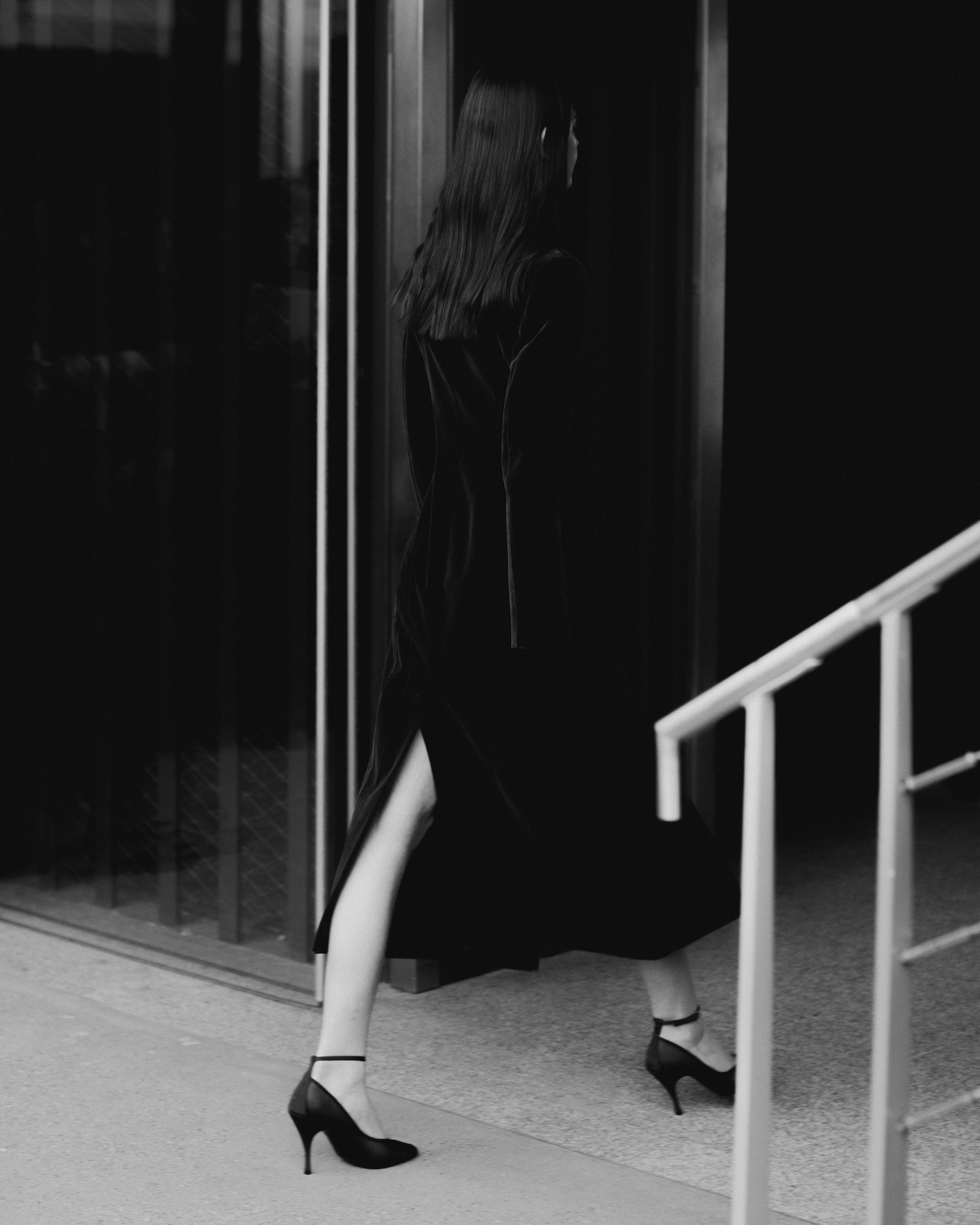

In a sense, this Alaïa show was about closing a circle. Mulier’s first, filled with body-con dresses and hoods and showed in the literal shadow of Alaïa’s maison – fashion house, and home – on the rue de Moussy. It paid reverent homage, as anyone with Mulier’s humility and intelligence would. After expanding the Alaïa universe, experimenting, throwing out ideas like fireworks season after season, Mulier brought it back home for this show, back to Alaïa. The clothes were styled without accessories, in the old house style – there were some gloves (Azzedine loved those), and round-toed shoes in a fine, shiny mesh that threw us back to the Eighties. Ça suffit.
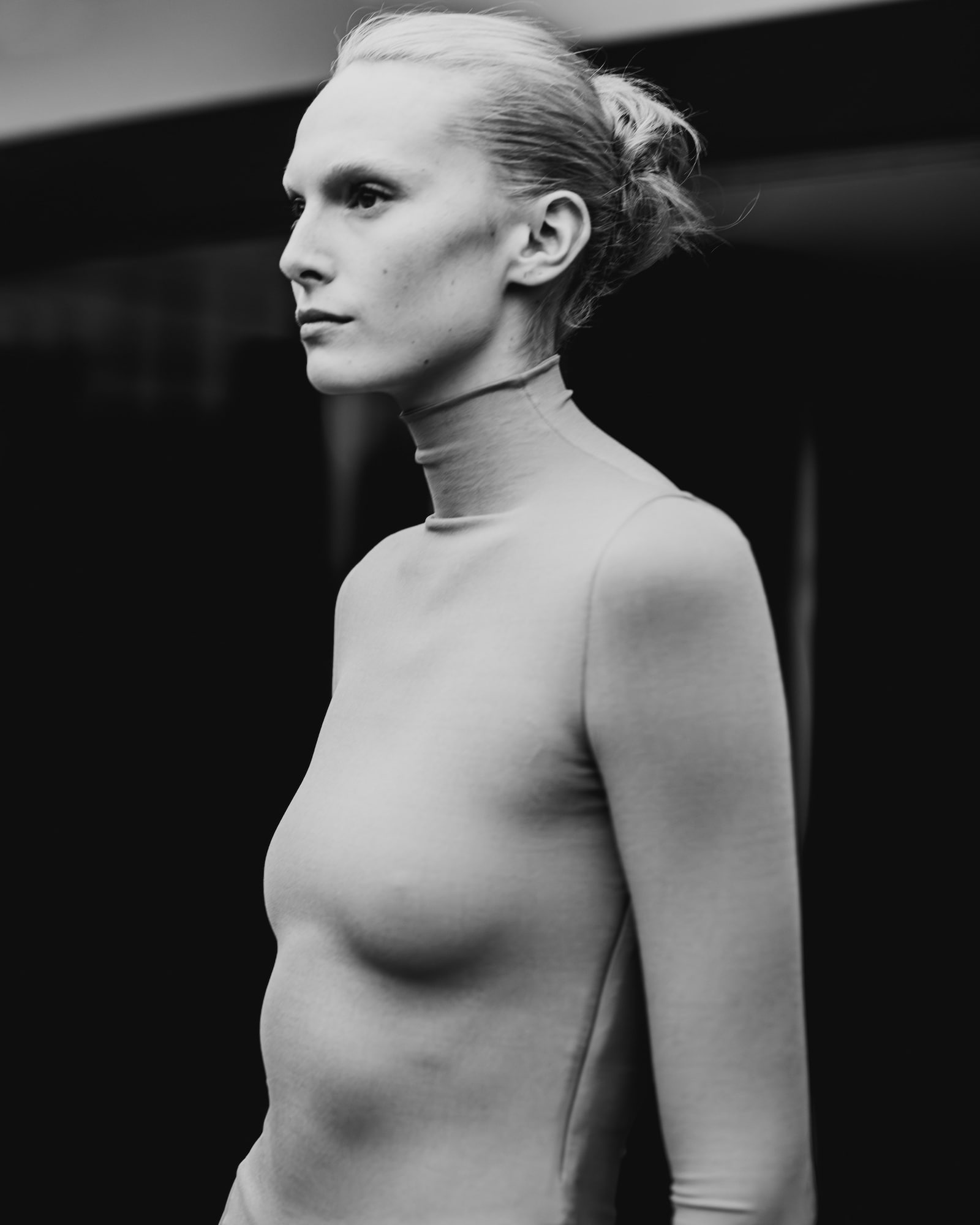
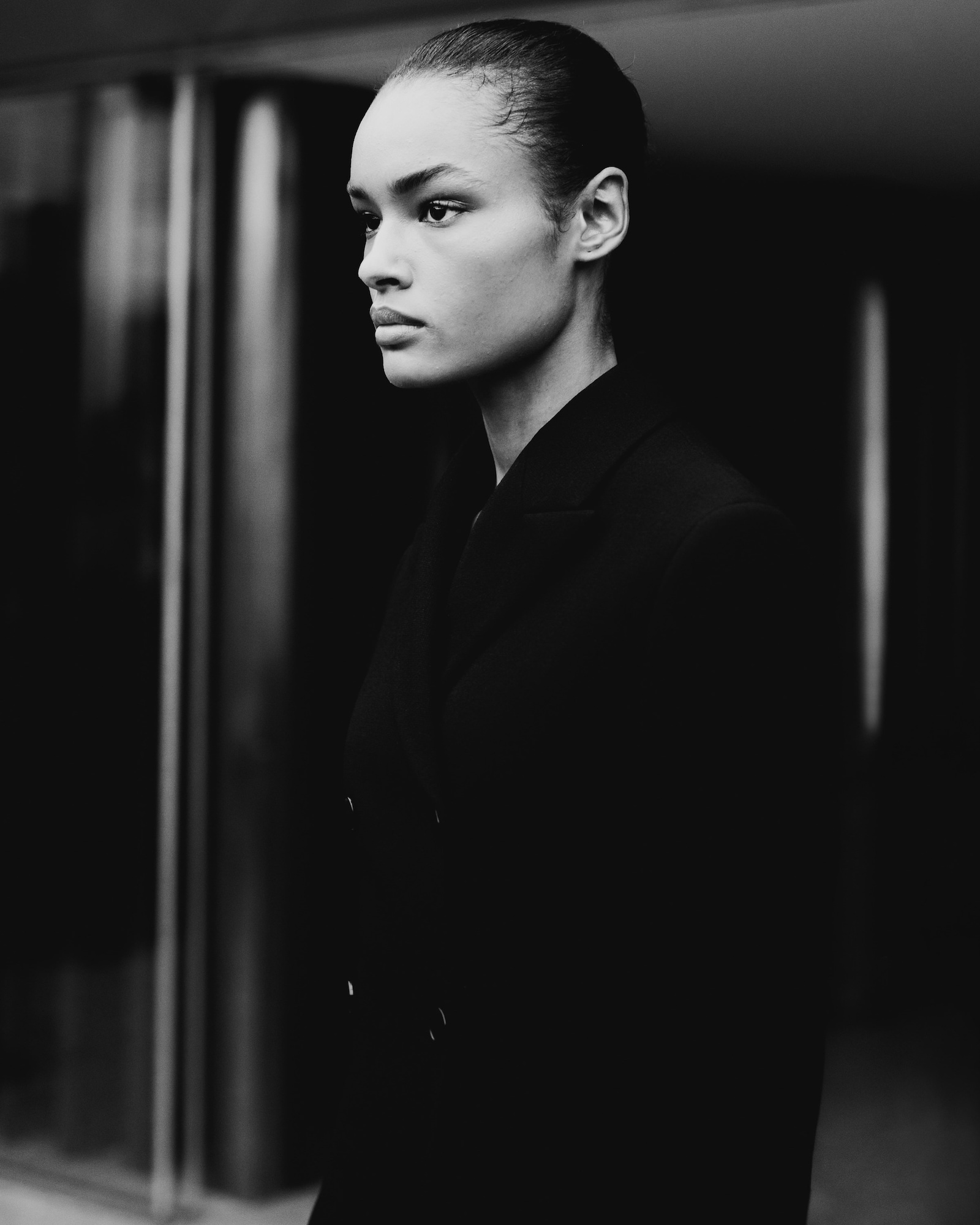
If I say this was Mulier’s most Alaïa collection, I don’t just mean the fashion. That was Alaïa, inherently, intrinsically, from the athletic linearity of the opening lean knit dresses, their hips contoured with a raised dart in a distinct gesture to Azzedine, through poor cotton velveteens drafted into perfect rangy coats and a drop-dead shin-length black skirt suit, to a sequence of gossamer jersey and slithery crocodile dresses. Those combined Alaïa looks from 1983 and 2003 without blinking: time had no meaning here. But the real Alaïa-arity was in the insolence, the nose-thumbing, the contradiction. Everyone else is piling on, piling up, layering and elaborating, gilding every lily. Mulier stripped it all away to an essence. Scraped-clean faces, pulled-back hair, women moving easily through space.

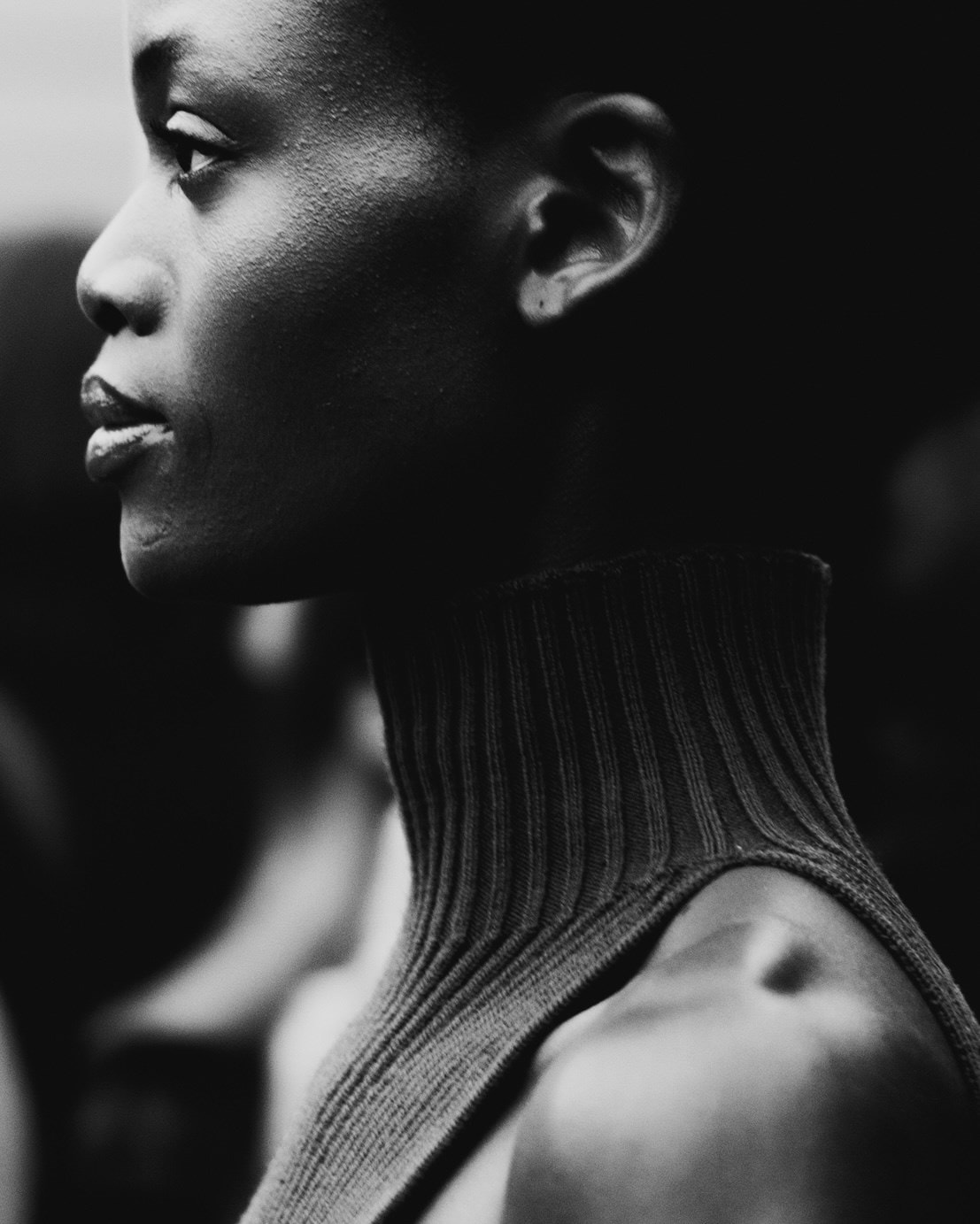

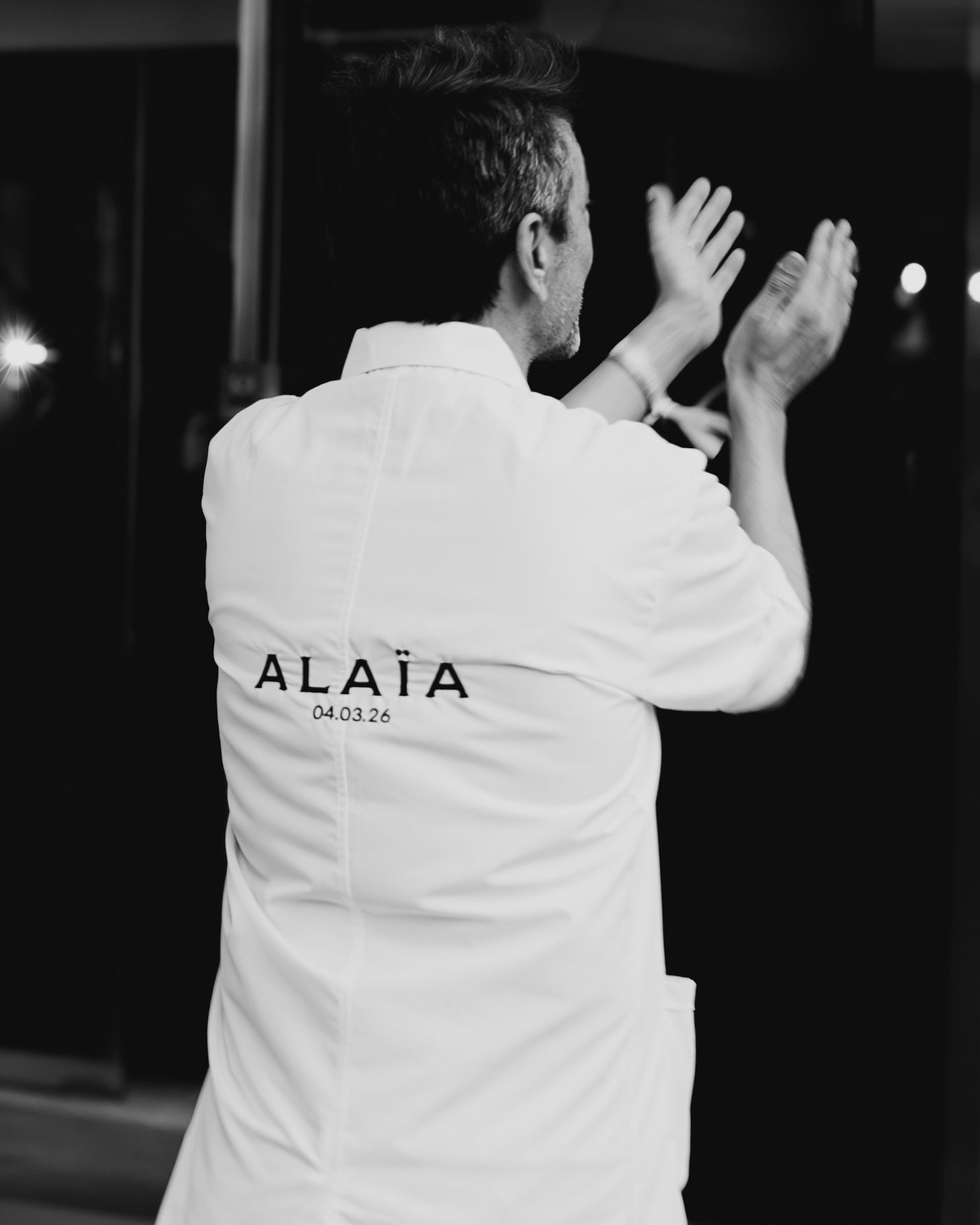
As the collection unfolded, so did the clothes. They expanded, literally, easing into the trapeze shaped coats Alaïa adored, exploding into the ruffles that echoed his obsessions with flamenco. Release, after restraint. Alaïa is a tough gig – expectations can be crushing, so maybe Mulier let go of some inhibitions. By now, he certainly has nothing left to prove. These Alaïa clothes also bore his imprimatur, the mark of his history here – redressed proportions, recut lines, reconsidered materials. Alaïa reshaped for today – I guess time matters after all.
Alaïa is a house that has always vibrated, palpably, with emotion. Mulier also bucked this season’s trend for intimate, restricted shows – his Alaïa was tiny, granted, yet paradoxically all-inclusive, packed to the rafters with well-wishers, friends of friends, admirers and confidantes. The energy within that room was tangible, almost physical. It was filled with love – for him, for Alaïa, and for these wonderful, wonderful clothes.
Now, time to go.
