

Burberry is a historic institution – 170 this year, although it isn’t making a big deal of it – so it makes sense its Autumn/Winter 2026 show was staged both around one, and within one. The latter was the ironworked 19th-century Old Billingsgate fishmarket, where inside the brand erected a fragmented representation of London’s nearby neo-Gothic Tower Bridge, turrets and gabled windows mounted in scaffolding that crissed out the Burberry check vertically in the space. Burberry was also born within that revolutionary Victorian century – it’s a good 20 years older than the bridge, and just as storied. It’s also powerful – powerful enough to move monuments, and to upheave a bunch of well-dressed people to an old fishmongers on a Monday night to see what Daniel Lee has to offer.






There was nothing fishy about the inspiration, thank god. But there were globs of mirror lacquer pooled on the tarmac floor to evoke rain, harking back to Burberry’s well-known, well-worn roots as a protective outerwear house. The show opened and closed with a trench-coat, the first in a powdery-chalk, the last a slithery, shiny asphalt black with checked demarcations (what else) glistening on its surface. Day to night, or maybe white knight to black of night. In both instances, the coat was laden at the collar with jabot ruffles like an especially elaborate Victorian dandy’s cravat. “Clothes for the night, as well as the day,” was Lee’s take, for Autumn/Winter – and Burberry called the white shade of the opening coat champagne, to set the tone.
That mix of times and also locales came across in the juxtapositions of fabric – double-faced wool and knit with brushed cashmere and tuxedo-y grain de poudre. There was also plenty of shearling, cut into bombers, mufflers and full-length, swaggering coats in block colours tricked out with trench-coat detailing, or hatched with Burberry checks. Shirts slithered in silk. Those gussied-up trench coats had an evening air, and fairly down-at-heel staples like jogging suits and hoodies were cut in paper-fine plongé leathers, hoodies dissected to just the cowl as a carré ending in deep cuts of fringe. In the twilight, you had to squint to see the textures, or the details, like the chiselled men’s shoes, toes cleverly brogued in the Burberry check, that are set to fly.

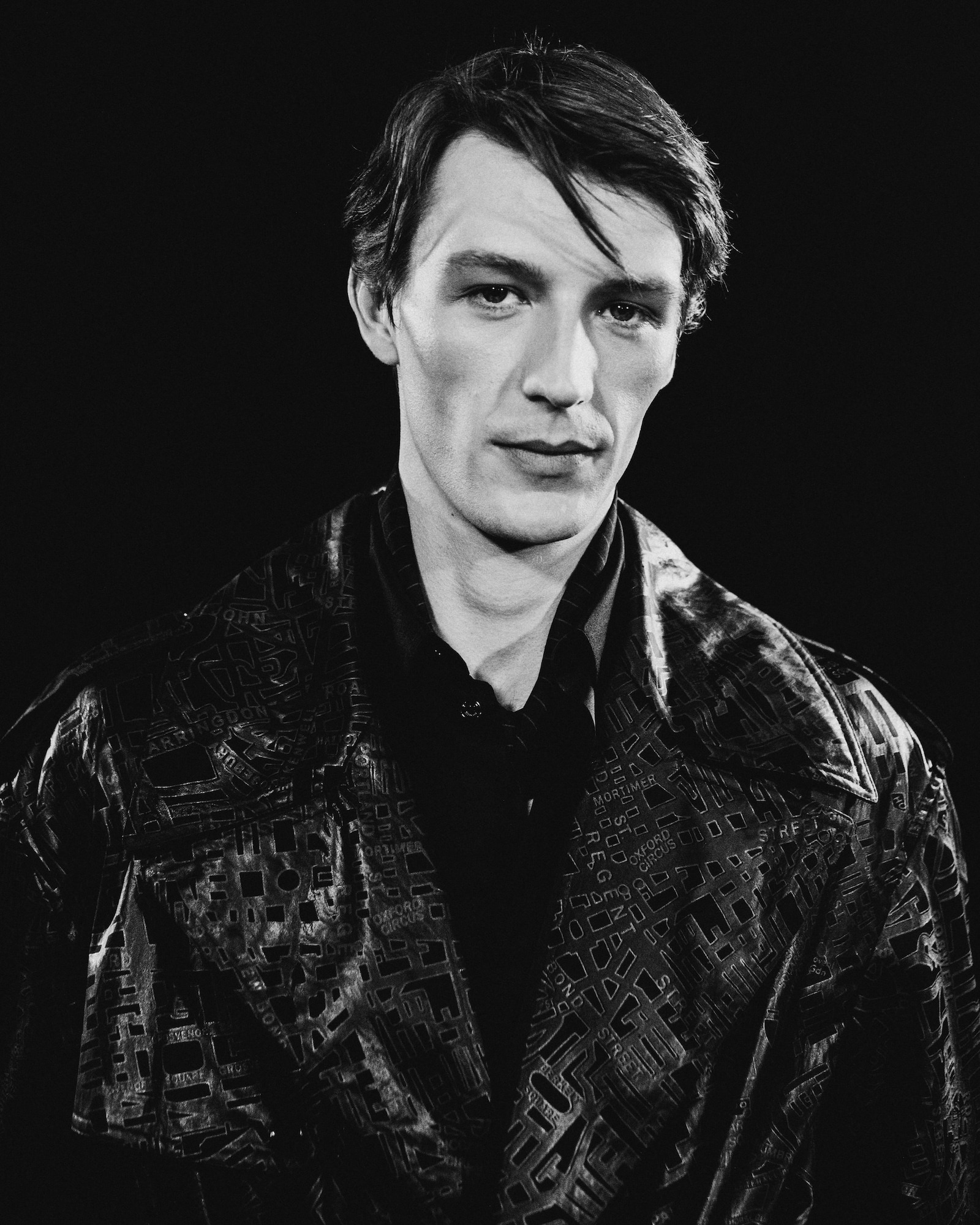

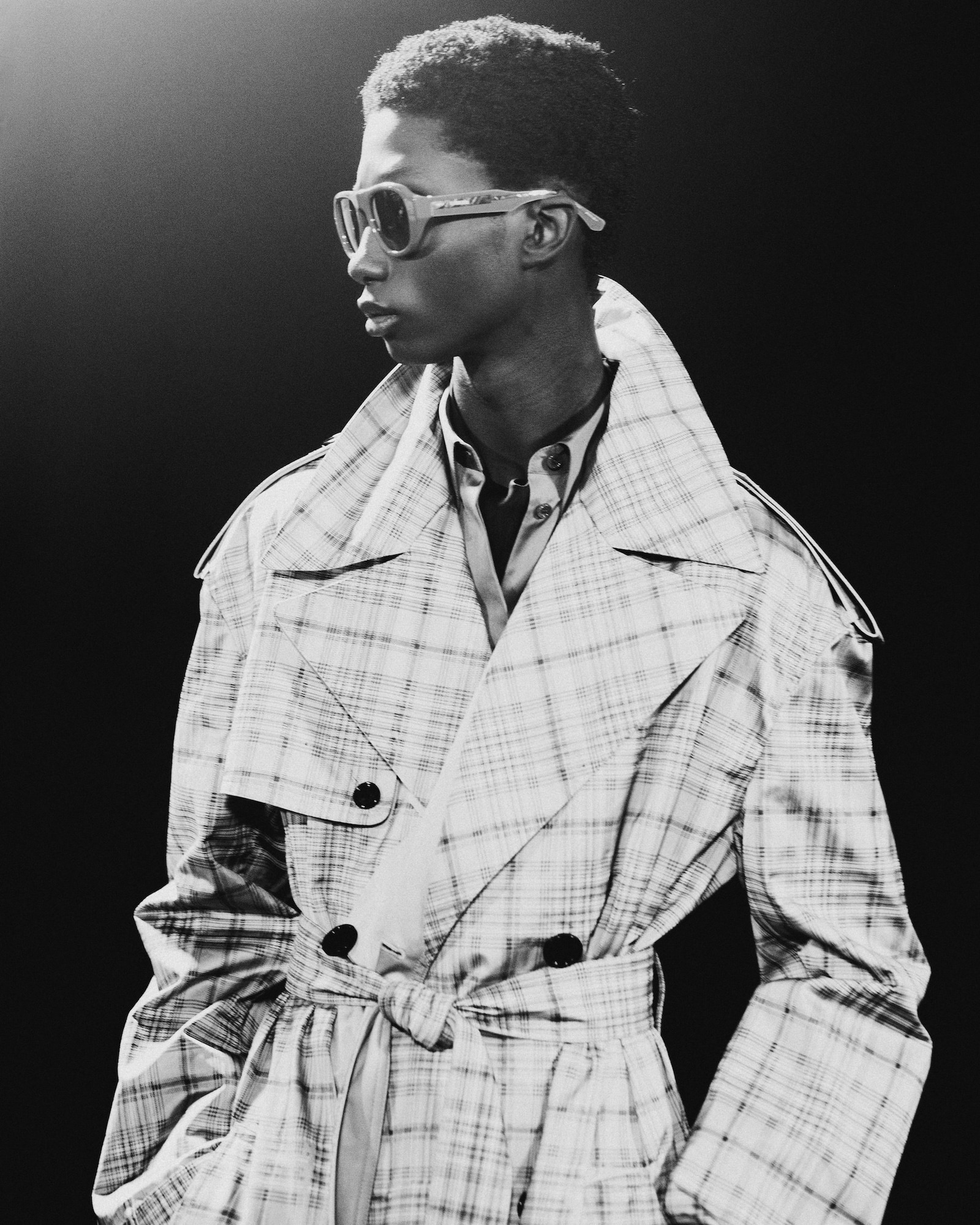
What’s often forgotten in conjecture around Burberry is that Daniel Lee is kind of an outsider, in the way Thomas Burberry was – both came not from London but the countryside, Burberry from Basingstoke and Lee, in a satisfyingly alliterative coincidence, from Bradford in West Yorkshire. As election results often prove, it’s a different country outside the citadel walls – I grew up the other side of the Pennines from Lee in Bolton, so I know that first-hand too. And even outsiders well-attuned to the city after decades can still feel a flush of that familiar-unfamiliar thrill when you pass a piece of cultural iconography in the brick and mortar, a tourist in your own city. Lee was thinking back to his own days as a student in London – there was a pulsing nightlife feel to this show, if not necessarily to these clothes, although there was an Amanda Lear, For Your Pleasure wink in those glossed trench coats worn with the highest heels, which could easily belted over naught. “Everyone’s going out,” Lee stated, maybe in a throwback to university partying days. Or an astute understanding, unlike many luxury houses, that people don’t necessarily just shift between climate-controlled home, car and de luxe destinations, and actually need something to wear when the weather outside is frightful. London provides plenty of reminders of that.

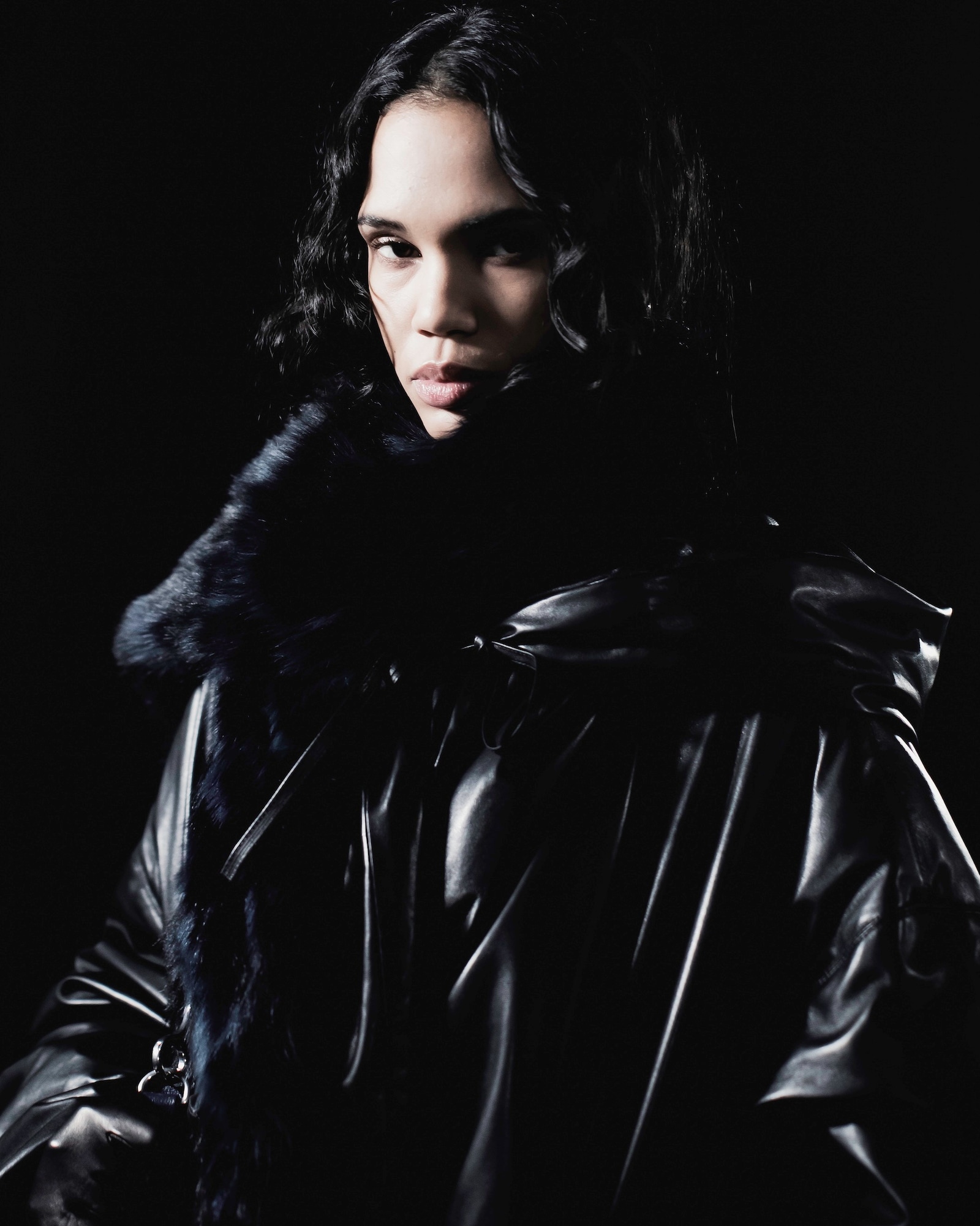

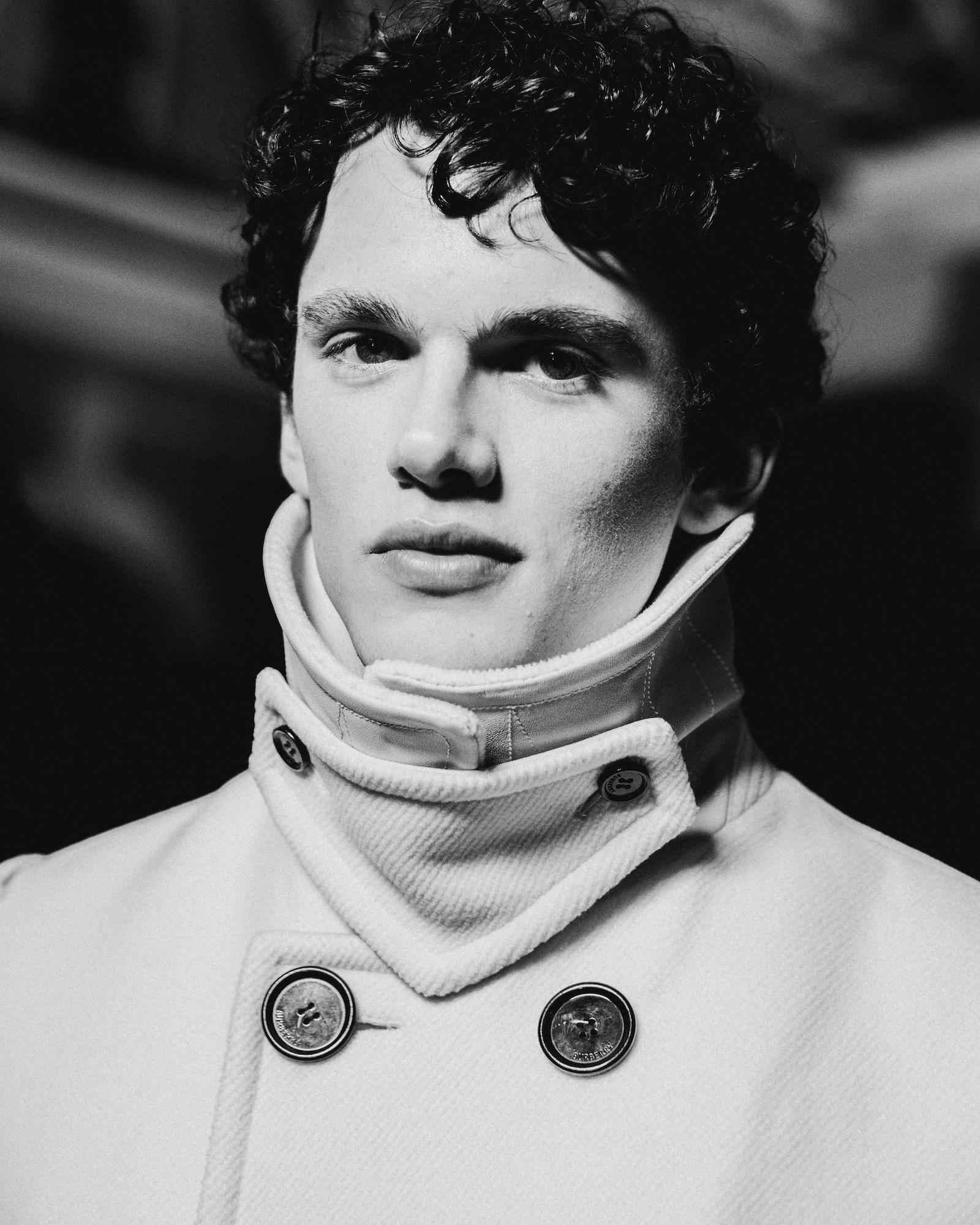
Burberry talked about Tower Bridge as a symbol of glamour turned utilitarian. I’m not sure about that, given that that bridge is crossed by millions every year, many of whom don’t so much as look up at its impressive crenellated turrets. Rather, I’d argue, this collection was about glamorising the utilitarian – twisting the brand’s hallmark trench, again, into something different and new. After all, that is their own grand old tradition.
