
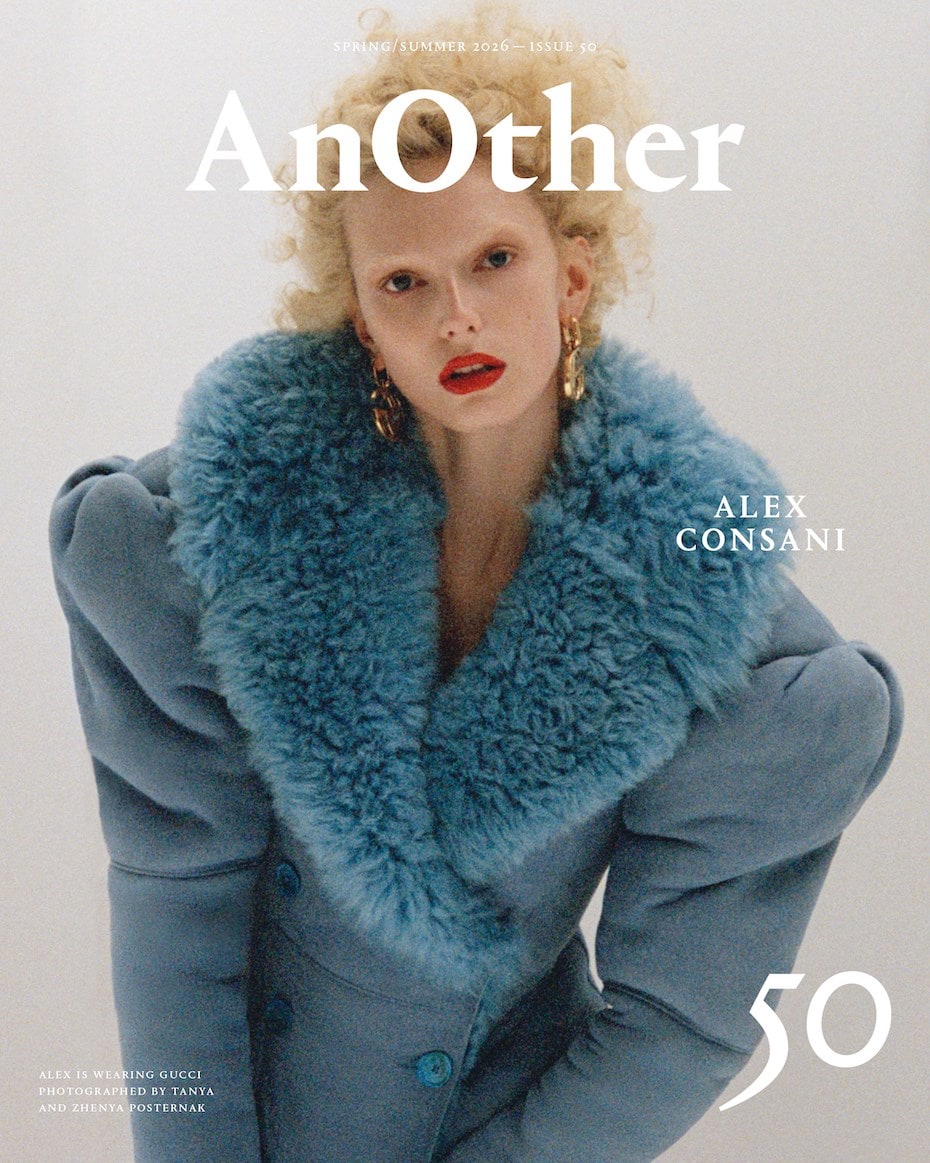
This story is taken from the Spring/Summer 2026 issue of AnOther Magazine:
At school, Alex Consani excelled at maths. She enjoyed it more than interpretive subjects because, she says with remarkable sincerity, maths afforded her hope: “Things are either right or wrong, and if they’re wrong there’s a way to fix them.” Consani argues there’s a “kind of optimism” in knowing a problem can be solved, even if it’s difficult. I find myself wondering whether that childhood craving for certainty lingers in the confident 22-year-old woman I’m speaking to, whose grown-up job as a high-fashion model is all about interpretation – namely, interpreting the vision of designers, as well as her inescapable role as a prominent trans advocate during one of the most difficult times for that community in modern history.

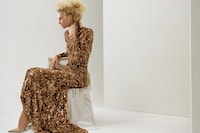
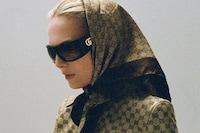
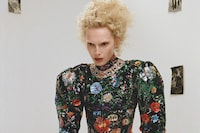
Born in the San Francisco Bay Area in 2003, Consani began modelling at 12. She signed with IMG Models in 2019 and fast gained popularity for her comedic, absurdist TikTok videos – she has amassed more than six million followers on that platform to date. She has walked the runway for Tom Ford, McQueen, Versace and many others – and in 2024 made history as one of the first trans models to be cast in the Victoria’s Secret fashion show.
Flashes of Consani, the canny problem solver, are evident. In the days before our interview at the end of last year, I do the usual background research, exploring who she might be beyond her public persona. When we meet online, I get the sense she has researched me also. As someone who has interviewed many famous young people in my time, this is rare. But it’s the pre-emptive move of a savvy communicator who has been working towards her current position since she was a preteen. Throughout our conversation, she combines a rejection of false modesty with a warmth and courtesy that aren’t always givens.
Consani’s online presence may lead you to believe she is impulsive and flippant, but at her core she is nothing of the sort. This is a person who sees herself as embodying a mission – she mentions Beyoncé as an example of someone similarly motivated by a sense of vocation – and while Consani can project frivolity and looseness along the way, it would be a grave mistake to underestimate her seriousness and the problems she is trying to solve.

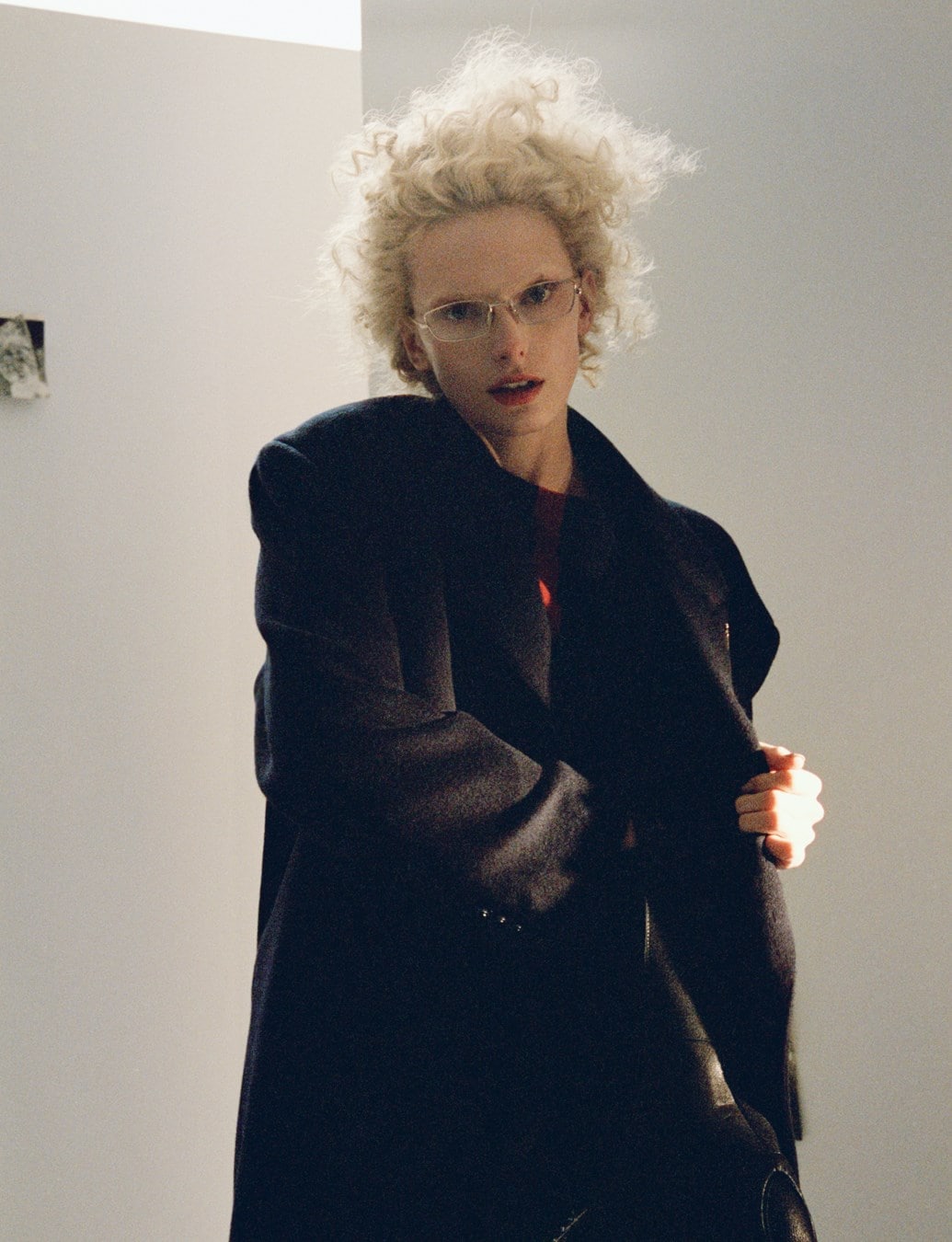
SHON FAYE: There are so many things I want to ask you but I have to start with the fact that I live in southeast London and when I told my friends I was doing this, someone said they swear they’ve seen you in Brockley. So I’m curious about the southeast London connection …
ALEX CONSANI: Yes, I’m a Brockley bitch! All of my fabbest friends are southeast London girls. My best friend lives there, so it’s a place I frequent. It has great Chinese food.
SF: Do you enjoy London?
AC: I love me some fucking London. My only problem with London is the weather. The shopping’s great. The people are fabulous. But I couldn’t live there because it is not sunny at all. I’m from California. But London has so many sexies. There’s trade galore.
SF: So I hear. I wouldn’t know.
“I think that trans people are kind of the backbone of fashion” – Alex Consani
AC: Girl, go to Roses of Elagabalus [in Dalston]. There’s always going to be some trade there.
SF: I was on a date last night and I suggested we go there.
AC: So you do know the trade. Period.
SF: Are you taking time to rest over the holidays? You’ve had a very booked and busy year.
AC: It’s been a blessed year for sure. I did my last job in Antigua, got back yesterday.
SF: Are you someone who lives to work or do you have a good work-life balance?
AC: I live to work. I love what I do, love working in fashion and talking about fashion. So it’s a bit easier for me to have that balance. But I think it’s important to have people you hang out with who are far removed from the industry. My friends are Bushwick lesbians, so that’s a beautiful side of my life that gives me a lot of grounding.

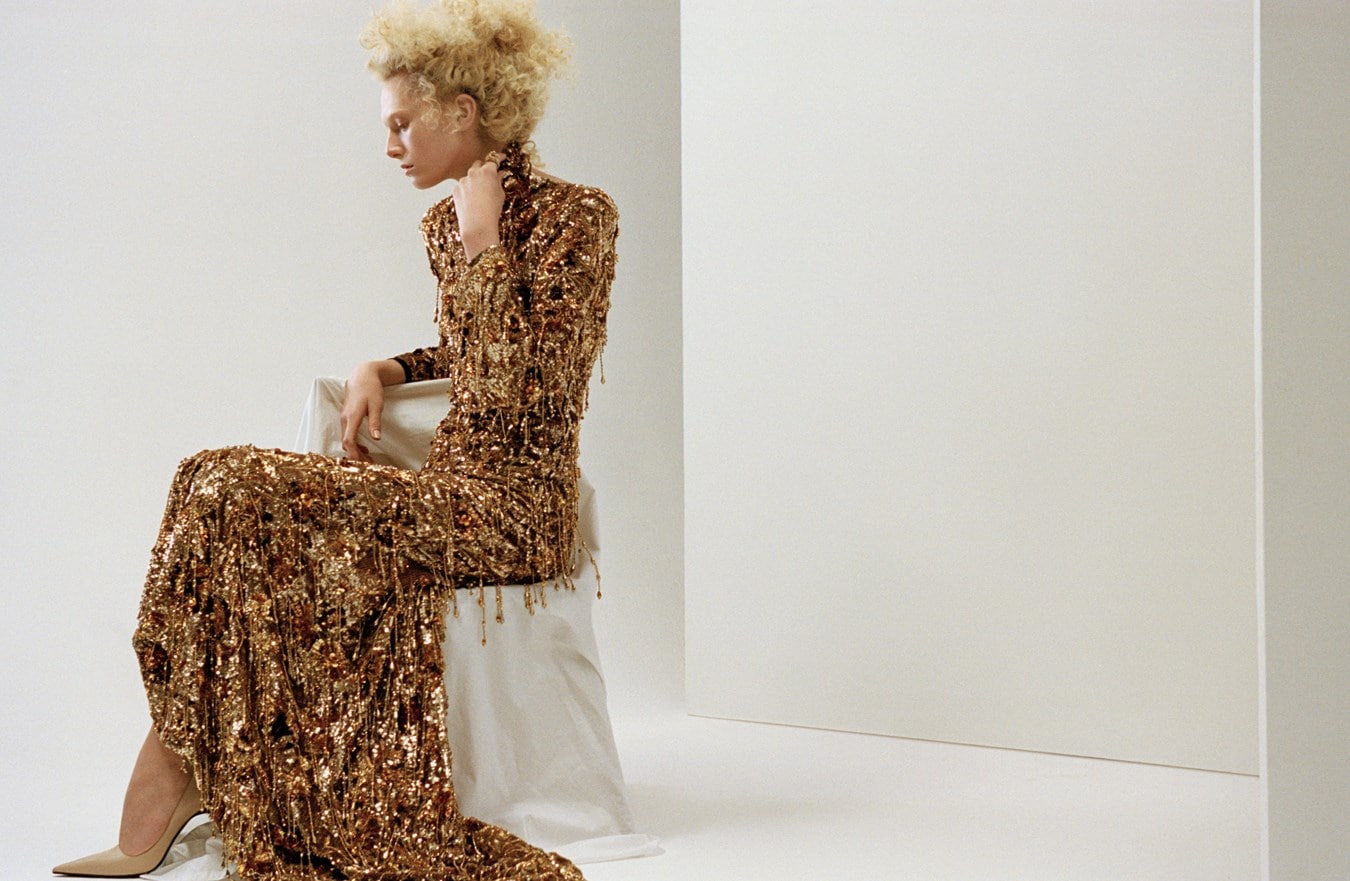
SF: Do you feel like being trans and in the queer community makes that easier because we often have a separate community from our work? So you have fashion, but also queer besties.
AC: It’s like every trans person ever is in fashion. But I definitely agree. Being trans, I’ve always felt othered and so there was a necessity to find that community as a younger person. I see people in the industry who are struggling to find friends they can trust. It’s never been a difficulty for me, because of that experience growing up.
SF: Why do you think so many trans people end up in fashion?
AC: Because being trans is being fab, and fashion is fab. I think that people have a unique way of expressing themselves within fashion. If you look at it, most of the trans people in fashion are creatives – they’re writers, photographers, designers, stylists. There’s so much behind the scenes and fashion has always had that influence from transness. I think that trans people are kind of the backbone of fashion. I’m so blessed to be in a position now where I’m in front of the camera, not just behind it as the muse.
SF: I do feel that you have crossed over into being seen as a high-fashion model irrespective of your identity. And that’s no mean feat. I’ve interviewed lots of models who are trans, and overcoming that “diversity hire” label is hard. Has it made you want to talk about your trans history less?
AC: Yeah, definitely. I think there’s a beauty in just existing because inherently anything that we do as women, and the women that we are, creates some sort of political conversation. And so, for me to have that conversation every time I do my job, takes away from the fact that I’m actually good at it. You know what I mean? I hate to sound egotistical, but it’s true. I feel like I’m good at what I do and my identity shouldn’t be the underlying factor. I have an amazing platform so I’ve used it to talk about my transition. I still do. But I’m so much more. I’m an artist, I like to make music, I have so many things that make me a person. To minimise that down to your identity can be really detrimental, especially when it comes to creating an image of a woman. It’s important to just have people be seen as humans, because that reaches those back-alley people or Middle American people who feel so political about transness.

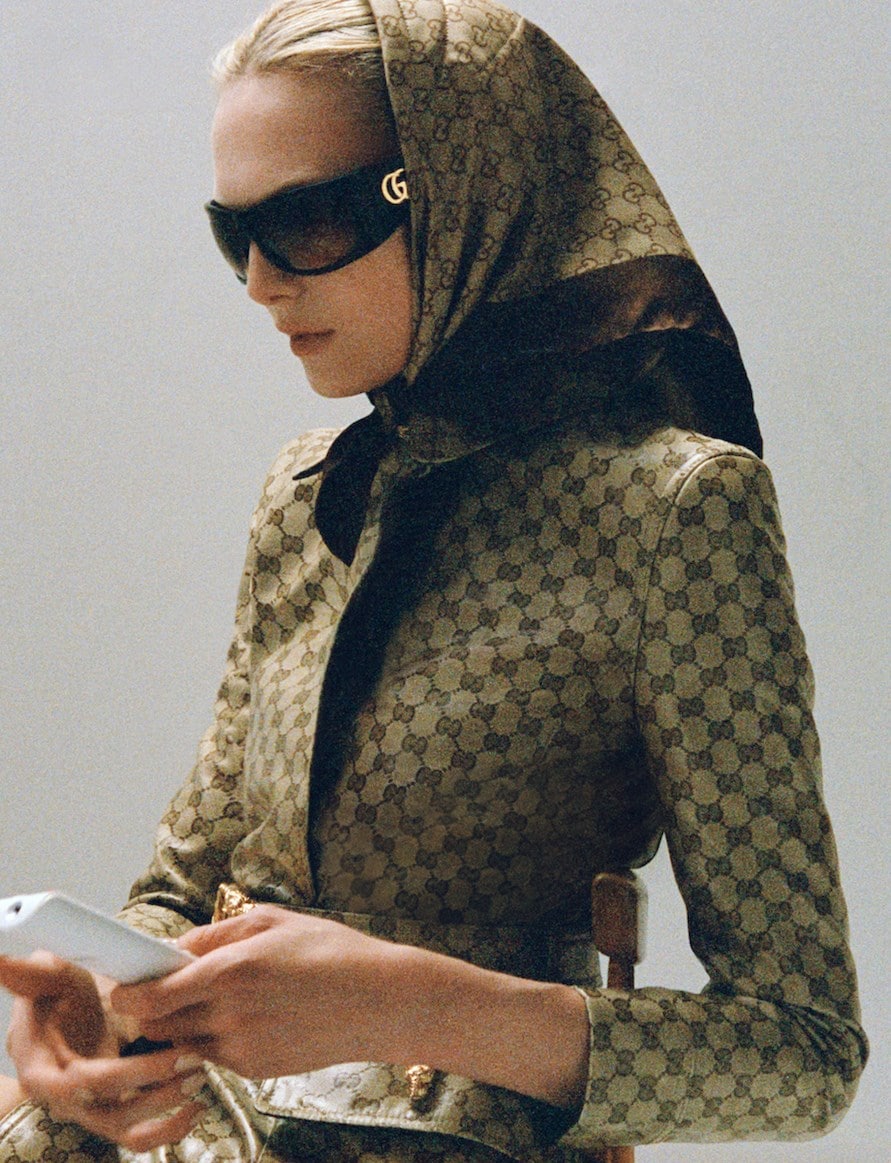

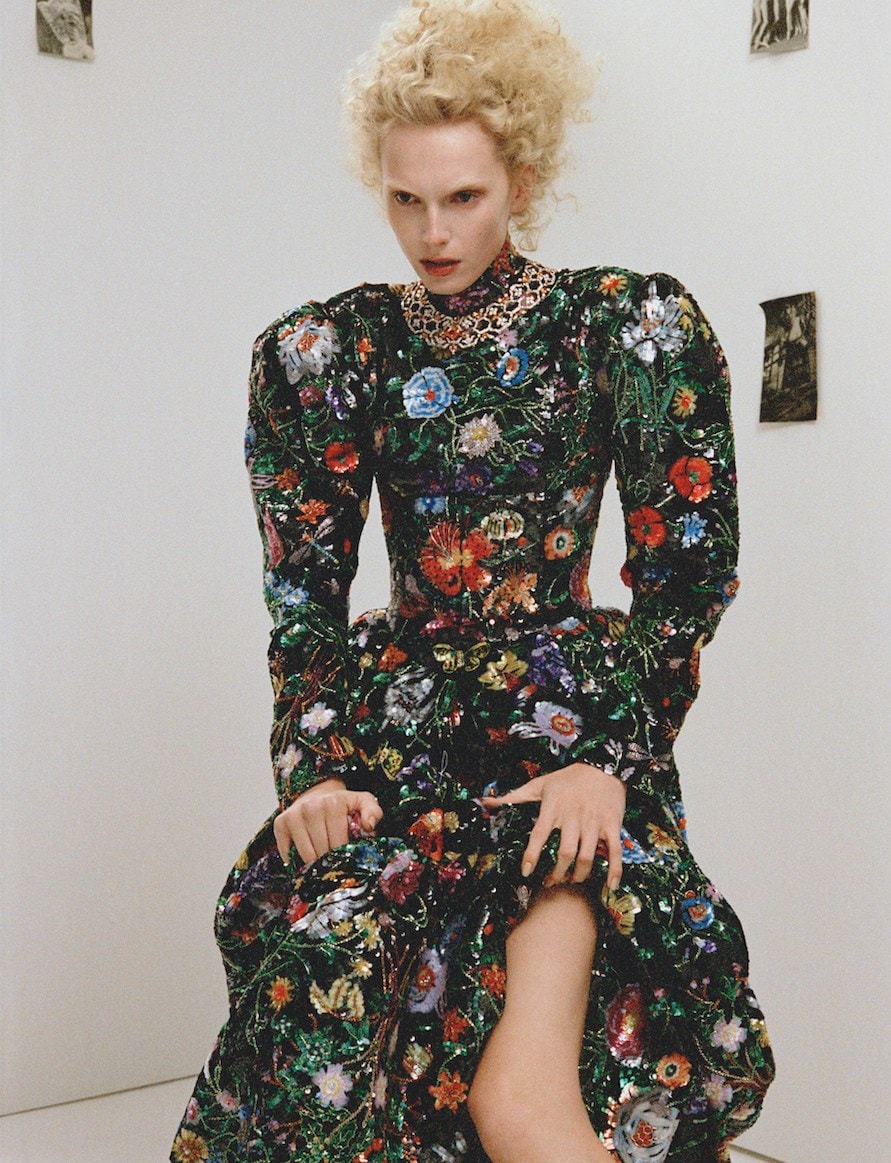
SF: But I wonder if the difficulty with that is that you’re an outspoken person, and the whole thing about being trans is people will project their ideology onto you, won’t let you forget it and pull it back into the conversation on their terms. So it’s difficult not to get pulled back into it or to feel a sense of duty.
AC: I think low-key it’s about the PR training, because a bitch will ask me a question about being trans and I’ll change the subject. I think it’s important to talk about it in interviews like this one because these big cover-shoot moments are so special for trans people.
SF: I noticed when researching you that you’re very good at not answering questions you don’t want to answer.
AC: I PR-trained myself. I’m not going to lie. I love to watch those interviews of celebrities getting asked crazy questions because I think, “What would I do?”
SF: Is that genuinely what you do? You self-teach?
“I feel like I’m good at what I do and my identity shouldn’t be the underlying factor. I have an amazing platform so I’ve used it to talk about my transition … But I’m so much more” – Alex Consani
AC: Yeah. I’ll watch those interviews of basketball players being asked crazy questions on the panel, and I can see the gears working in their brain and then they answer the question differently, and that’s a cool way to take a conversation you don’t want to have and turn it into something you do want to talk about. We write our own narratives. I remember, after my first Victoria’s Secret show, a journalist asked me, “Do you think Victoria’s Secret is too woke?” I’m one of the first trans women to walk Victoria’s Secret and you’re coming up to me afterwards and asking if I think it’s too politically correct? I chose not to answer.
SF: And humour is a deflection method that you deploy. I feel like models are not traditionally thought of as funny. We assume beauty and wit don’t go together in women. The whole stereotype of models has been that they take themselves super-seriously, they’re too hungry, they don’t know how to laugh. You’ve subverted that. There are people who know you primarily through TikTok and through the comedic social media moments you’ve created.
AC: For the longest time, people wanted me to be quiet, to be that mysterious girl. I built a career for myself besides fashion, besides modelling, and I did that through humour, on social media. I think that’s a powerful, beautiful tool, and I’m not going to give that up because someone wants me to be quiet. I’ve always led with humour. I think it’s a beautiful way to give people a digestible conversation that maybe they’re not ready for. When I think about my upbringing and my career, my own sense of voice and my sense of self are very connected to humour.

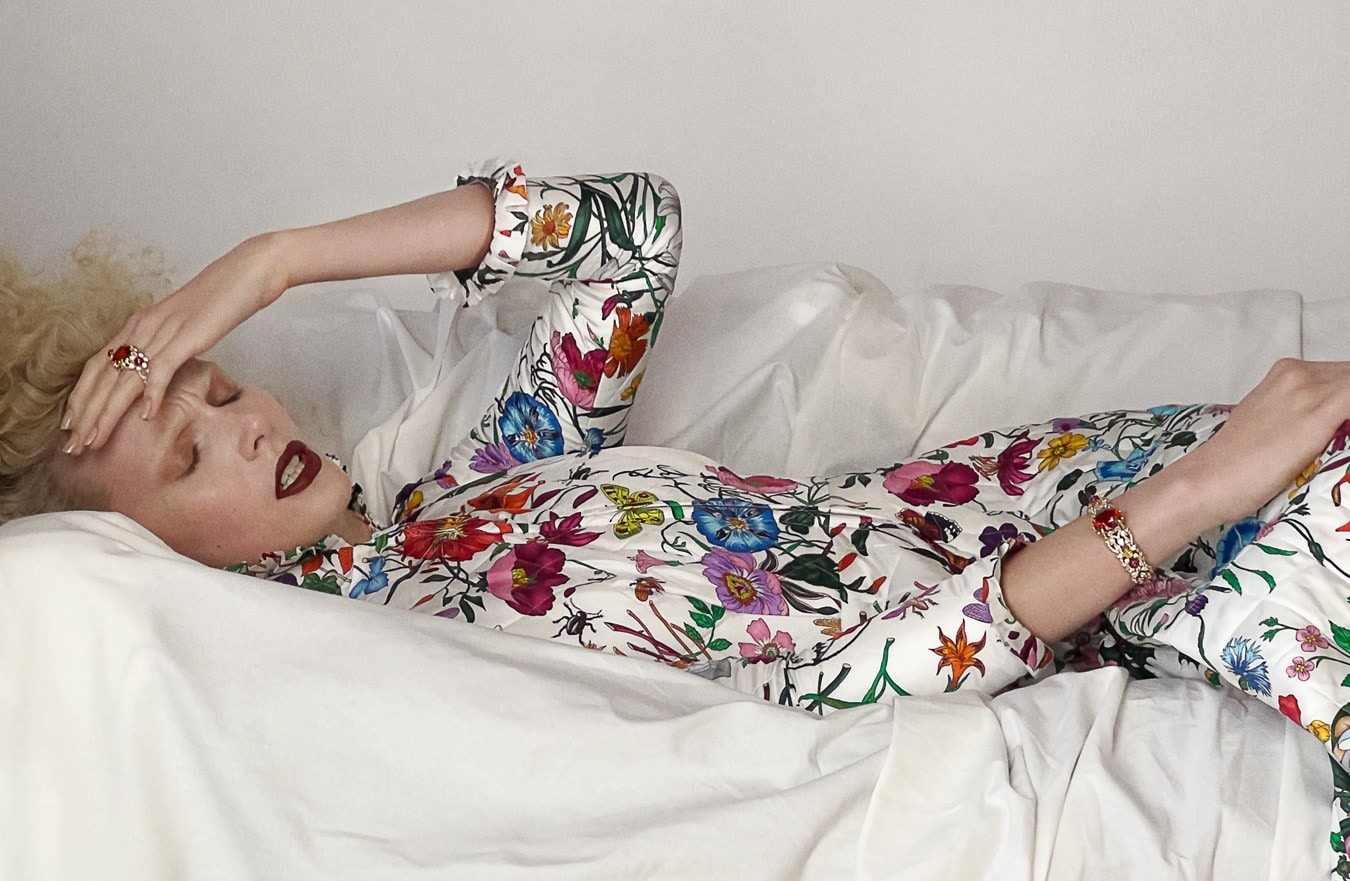
SF: Are either of your parents funny?
AC: Both of them. My dad is my humour inspiration – he’s the funniest guy I know. Very into Monty Python’s Flying Circus – a very British thing, but …
SF: Monty Python makes sense with your TikTok.
AC: Yeah. I feel like the way I move is very Monty Python. It’s a physically comedic type of humour. I like the randomness. I grew up watching Monty Python and there was this poster in my living room of the guy who does the silly walks. I look at my TikToks and I’m like, oh, I can see where this comes from now.
SF: It’s also that disruption of public space. Like when you belted the Rihanna song out at unsuspecting members of the public. It reminds me of a lot of British absurdist comedy.
AC: So British. I don’t think the British are given their flowers for that. I’ve had a lot of conversations about it because I’ve been working on comedy projects outside fashion. When I’m creating these ideas, it’s centred on that physically comedic thing. Also, I went on a first date with this guy recently and he said, “Are you British?” I was like, “No, but I’m British in my heart, in my soul.”
SF: What are your ambitions beyond fashion?
AC: Without saying too much … I work in fashion, so my job is to sell a story that someone else has told. I think now what I’m really inspired by is writing those narratives in a different, more mainstream way – a more accessible way. I think there’s resistance to a woman being a multifaceted, successful queen and that’s upsetting, but that’s also fire under my butt to make that happen.
SF: What sort of media do you go to outside fashion?
AC: I just read Cynthia Erivo’s book [the memoir Simply More]. It was at the airport and the cover reads, “A book for anyone who has been told they’re too much”. I was like, this is my book. I’ll read a lot – I love romance, sci-fi. I fucking hate self-help books – bitch, don’t tell me what to do.

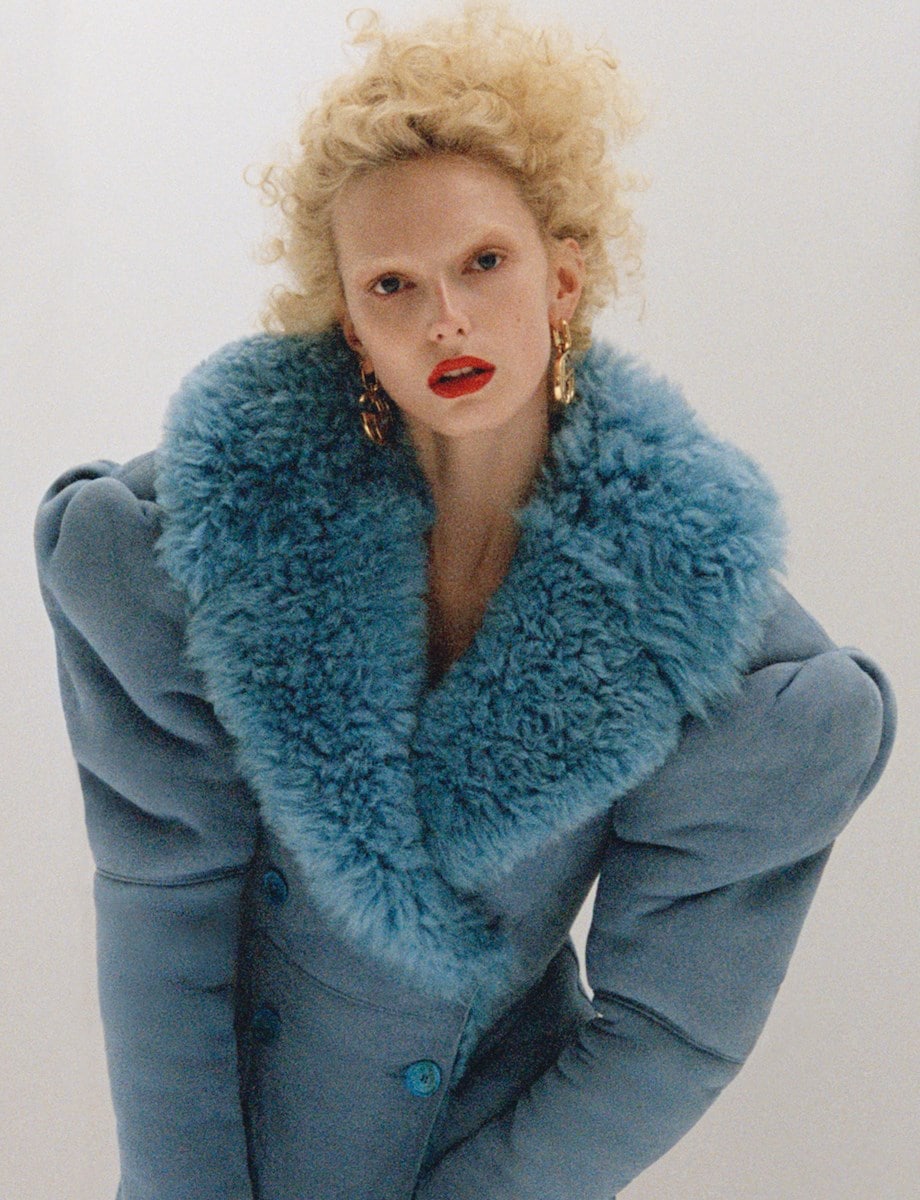

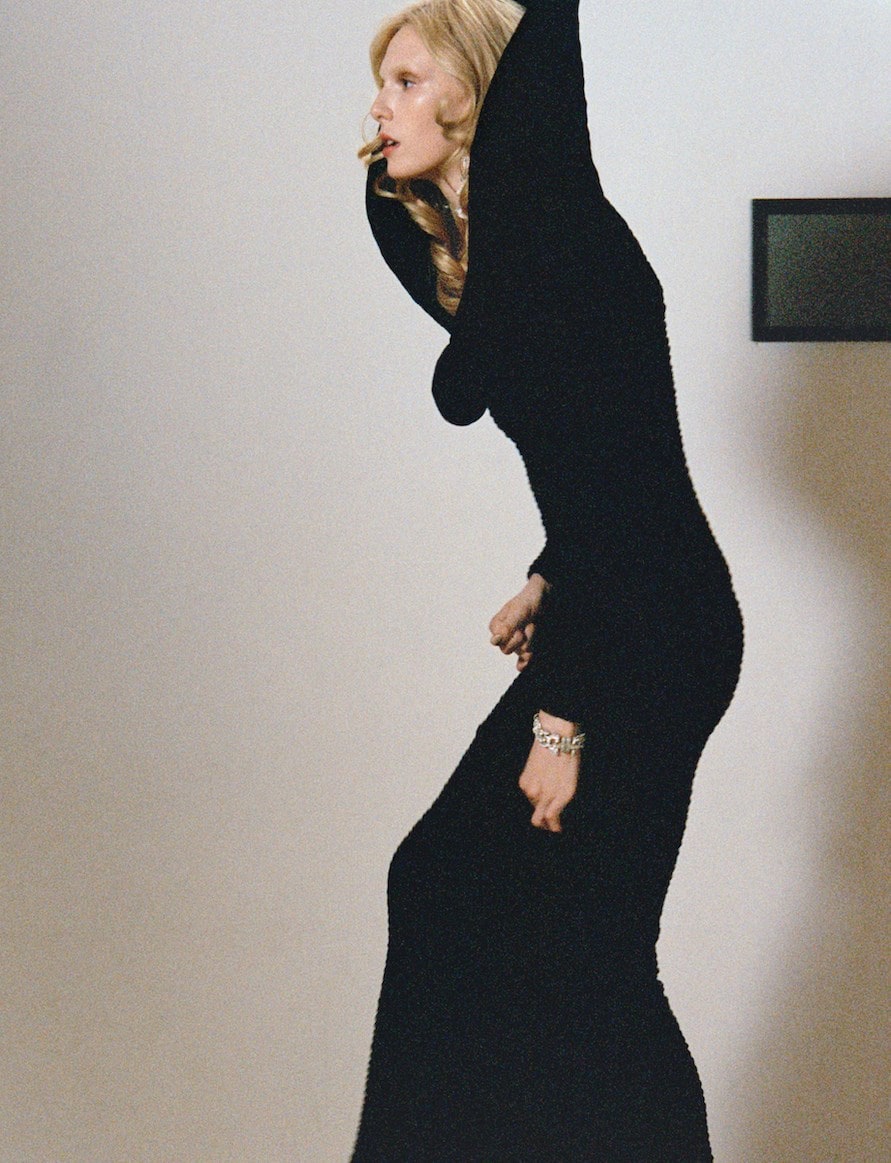
SF: Do you know why you want to be famous?
AC: I don’t know if I want to be famous. Being perceived by a large group of people doesn’t make you a better person, it just makes you a more perceived person. I want to be a voice for people who never had one, especially people like me. That’s the reason I got into fashion in the first place – I enjoy it, but also I saw a lack of representation. And that mission has given me so much inspiration to work hard.
SF: When you say mission, it’s almost got a spirituality to it. Do you believe in a higher purpose … in God?
AC: Definitely a higher purpose. I think especially when you’re in a public job, if you’re not doing it for a higher purpose, then you’re not doing it right. My goal is to have the conversations that aren’t being had. I know these people now who are influential and I can talk to them – “I have this mission and there are ways you can help.” As a model there’s fear instilled in us to keep quiet. I’ll go up to the most powerful person in the room and have a real human conversation with them because power is a delusion, we’re all humans.
SF: Did you have that irreverence as a child?
AC: I guess in school, being someone who hadn’t transitioned, you act out because you have this aversion to yourself. Now I’ve gotten to a point where I feel comfortable in my body and feel safe, I still kind of carry that with me. I’ll question the validity of every single person in power. When you’re a questioning, adventurous person, I think people are willing to have those conversations with you.
“As a model there’s fear instilled in us to keep quiet. I’ll go up to the most powerful person in the room and have a real human conversation with them because power is a delusion” – Alex Consani
SF: Who are the women you’ve looked to for inspiration?
AC: Honestly, it’s my elders in my community. Dominique [Jackson], when I was a kid, was a very big influence in my life. And of course my mother. She did a lot of personal growth to be the best person that she could, which inspires me all the time.
SF: What or who gives you hope?
AC: My community, myself and, recently, Liza Minnelli. I didn’t know Liza Minnelli’s lore, and I discovered her and it made me cry for two days straight. I am not kidding. I woke up every morning, cried and watched Liza, because I found somebody in my adult life who inspires me so much and is so fucking cunt.
SF: Have you watched Cabaret?
AC: I haven’t, but I know the musical. [Alex sings] Everybody … [Shon joins in] loves a winner! That bitch is so tea.
SF: Thank you, Alex. It was lovely to chat.
AC: Thank you so much. Enjoy your day. Have a beautiful time. Go to Wetherspoons for me, girl.

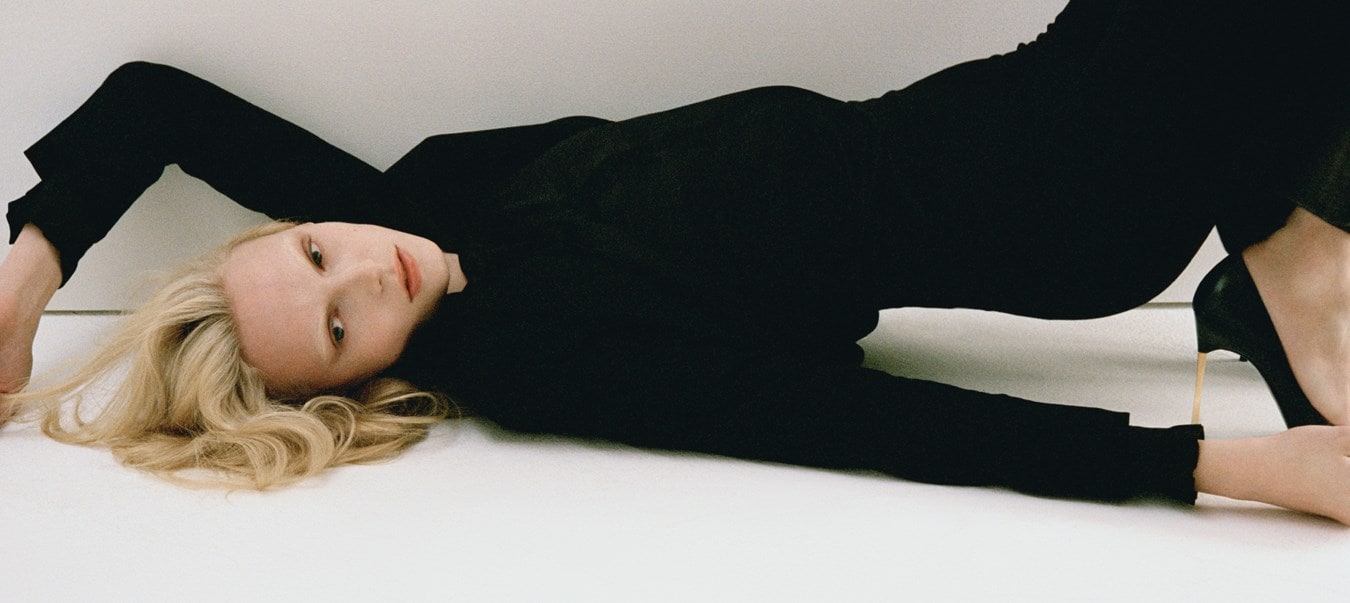
Casting: Greg Krelenstein. Hair: Claire Grech at Streeters using BUMBLE AND BUMBLE. Make-up: Sandrine Cano Bock at Artlist using BYREDO. Manicure: Jenny Longworth using PHLUR. Set design: Jack Appleyard. Lighting: Corentin Thevenet, Benjamin Butcher and Otto Saner. Styling assistants: Amelia Galliford and Amilia Howells. Hair assistant: Kirsten Bassett. Make-up assistant: Sofia Macihe. Manicure assistant: Naïma Coleman. Set-design assistant: Billie Browne. Darkroom: Rapid Eye. Production: Mini Title. Producers: Daisy Hewett and Gabby Wontorowska. Production support: Mags Otaola. Post-production: Imagine
This story features in the Spring/Summer 2026 issue, marking 25 years of AnOther Magazine, on sale internationally on 12 March 2026.
