
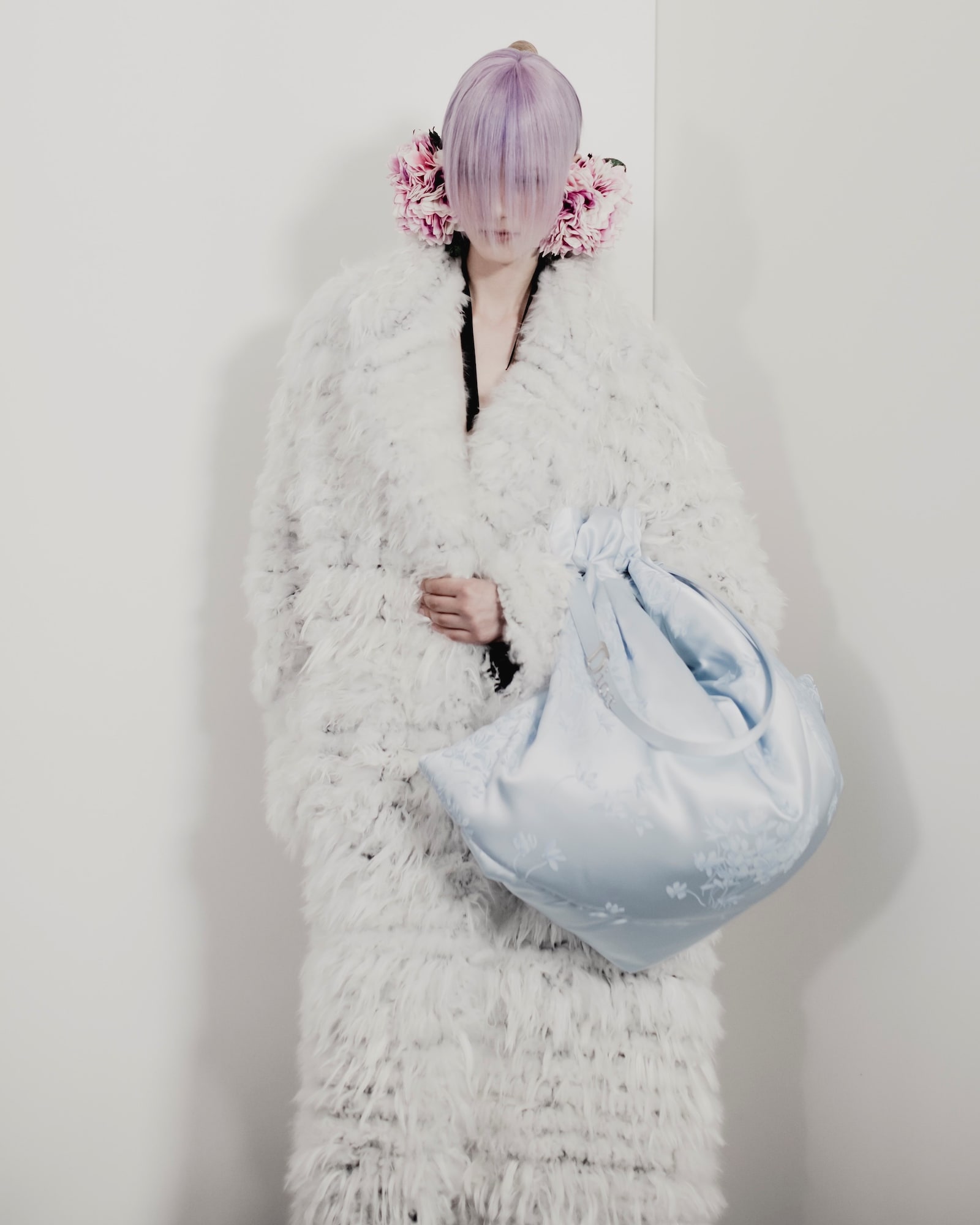
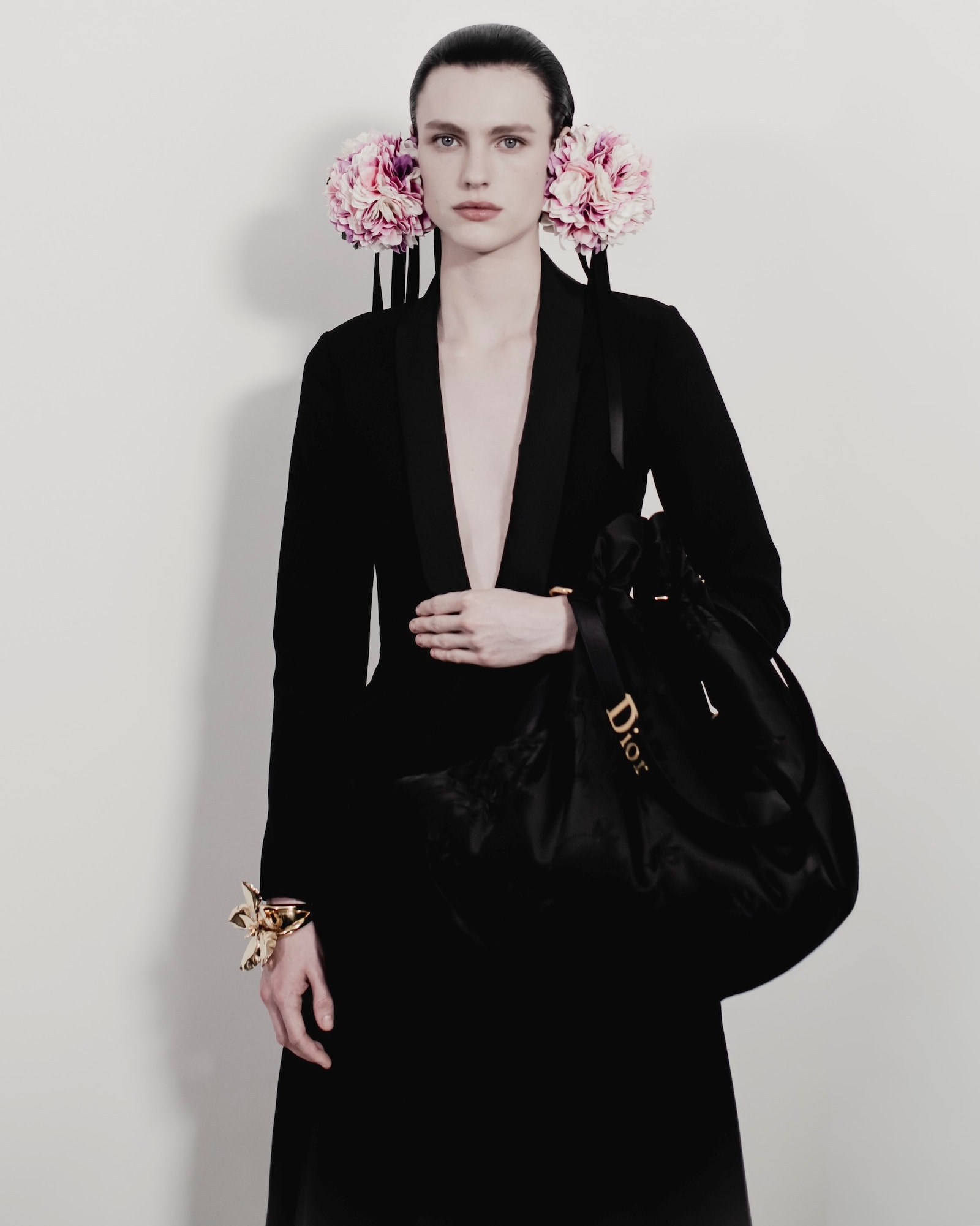
Perpetual youth, predictable futures, a circadian rhythm sufficiently off-kilter to show summer dresses in a frozen January and winter coats in broiling July. Haute couture is nothing if not an unnatural state, excelling in the illusory. That was, in part, the idea behind Jonathan Anderson’s debut haute couture collection for Christian Dior – a house that made its name with flower women, but also with its founder’s self-declared dream to save women from nature. In the Dior studio, flowers were massed on dresses, over dresses, into dresses; at the Musée Rodin, they clustered overhead, a cyclamen-scattered meadow inverted to hang above. “Some things are real and some things are fake,” Anderson said. “I like the juxtaposition of these things.” Reality and fantasy. As he spoke, his wedding dress, the traditional culmination of a couture show, was being worked on in a glass cabine that resembled a terrarium, or the smoking area in an old-fashioned airport, to preserve its unsullied whiteness.
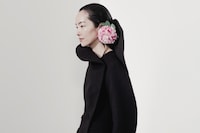
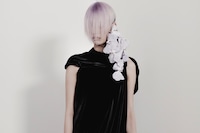
It’s got to be said, as usual chez Dior, fantasy won out. Under that surrealist meadow, in a Louis Quatorze hall of artificially age-worn mirrors, Anderson showed his re-imagining of what Dior could stand for, re-configuring its past and recalibrating its future. The first few dresses, plissé gowns with belling crinolines bore the trace of the New Look (duh) alongside the influence of the ceramic work of artist Magdalene Odundo, who would serve as one inspiration underlying the entire show. They recall an alembic, an alchemical device used to distil. Fittingly, they also represent a distillation of Anderson’s vision for Dior – sculptural, feminine form present, yet precisely minimised, a gesture of a bow hanging at the hem. The second look in white was, Anderson said, the first couture dress he ever made. It set the tone, of Dior sublimated to its essence. Then Anderson could start to gild his lilies.

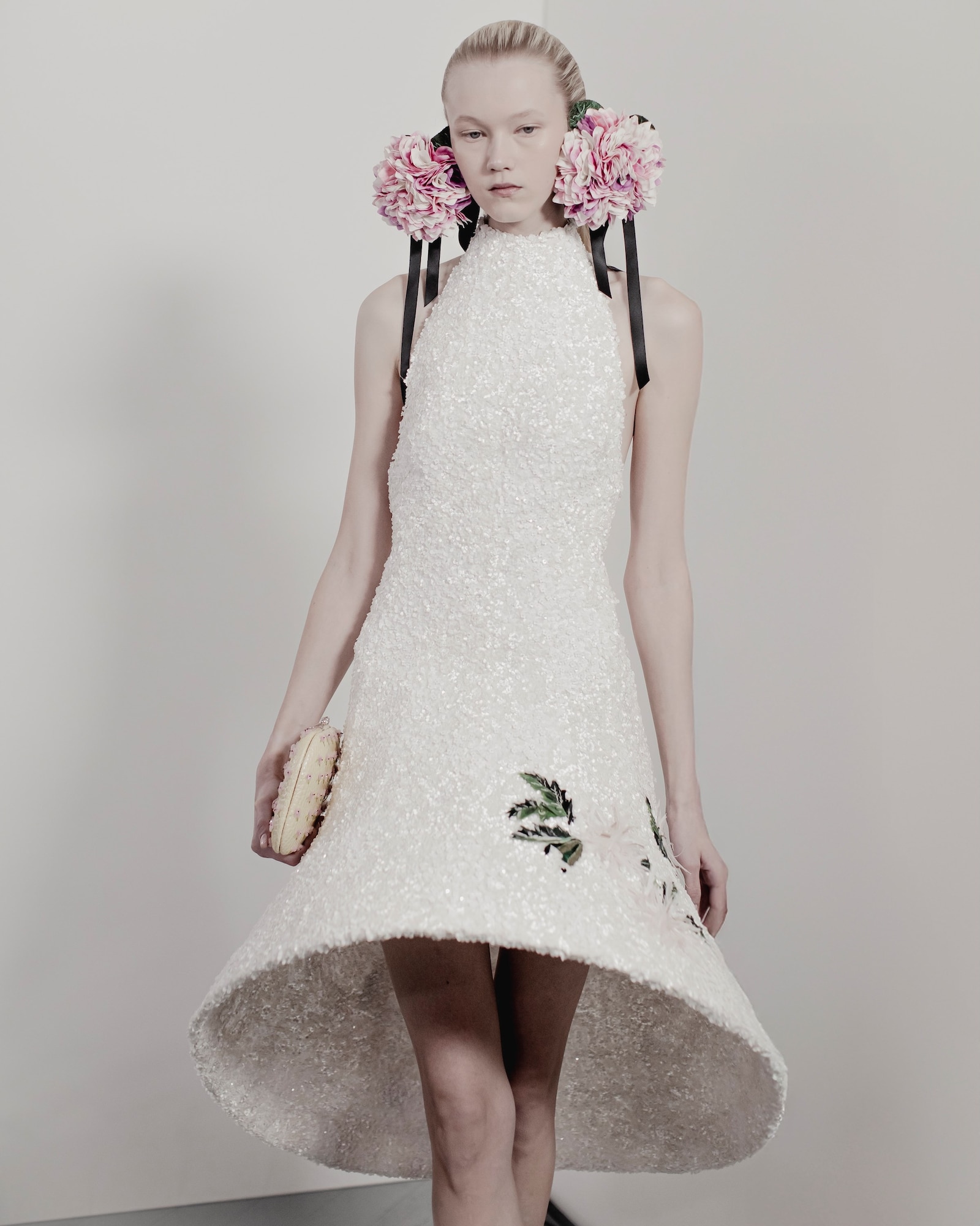

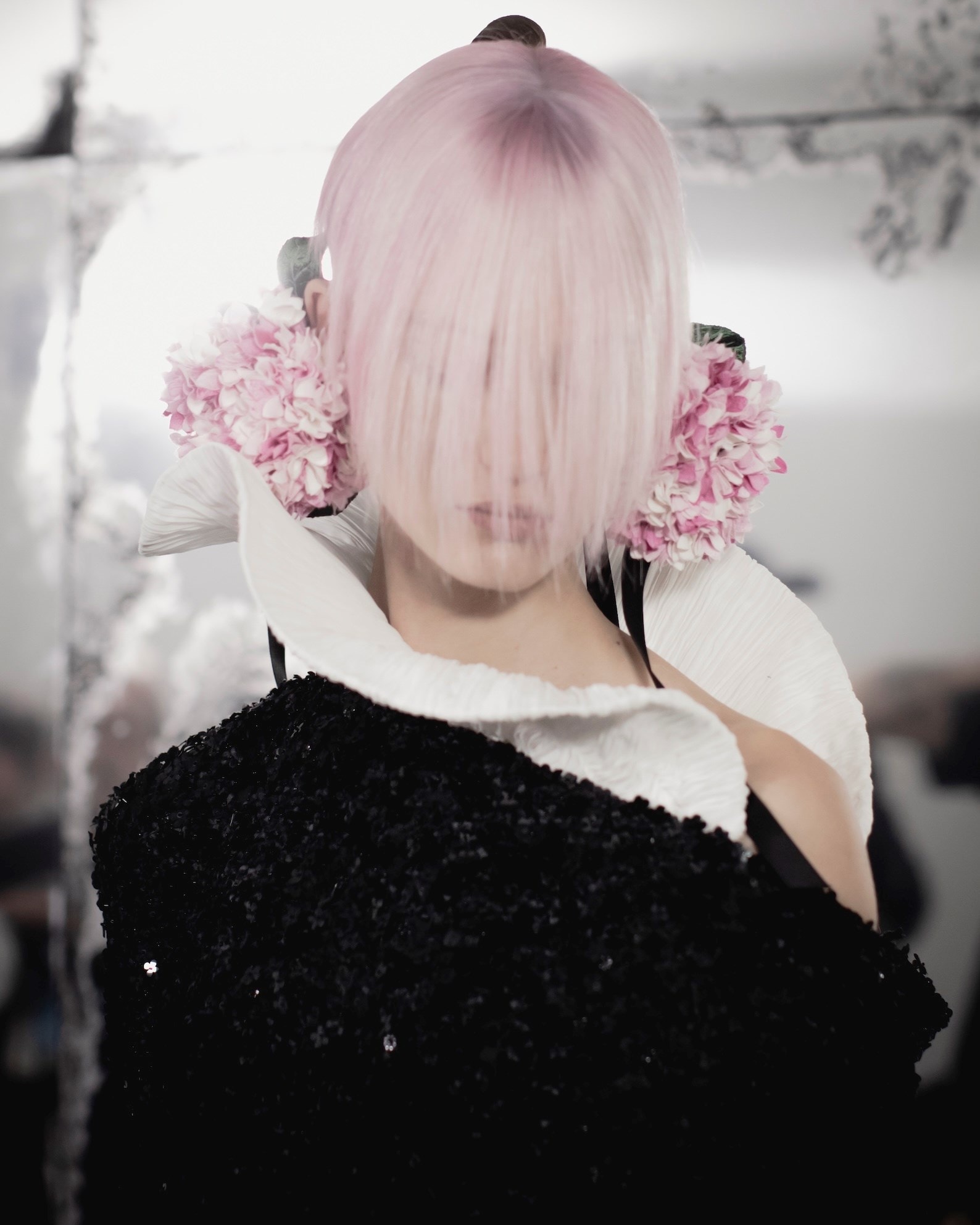
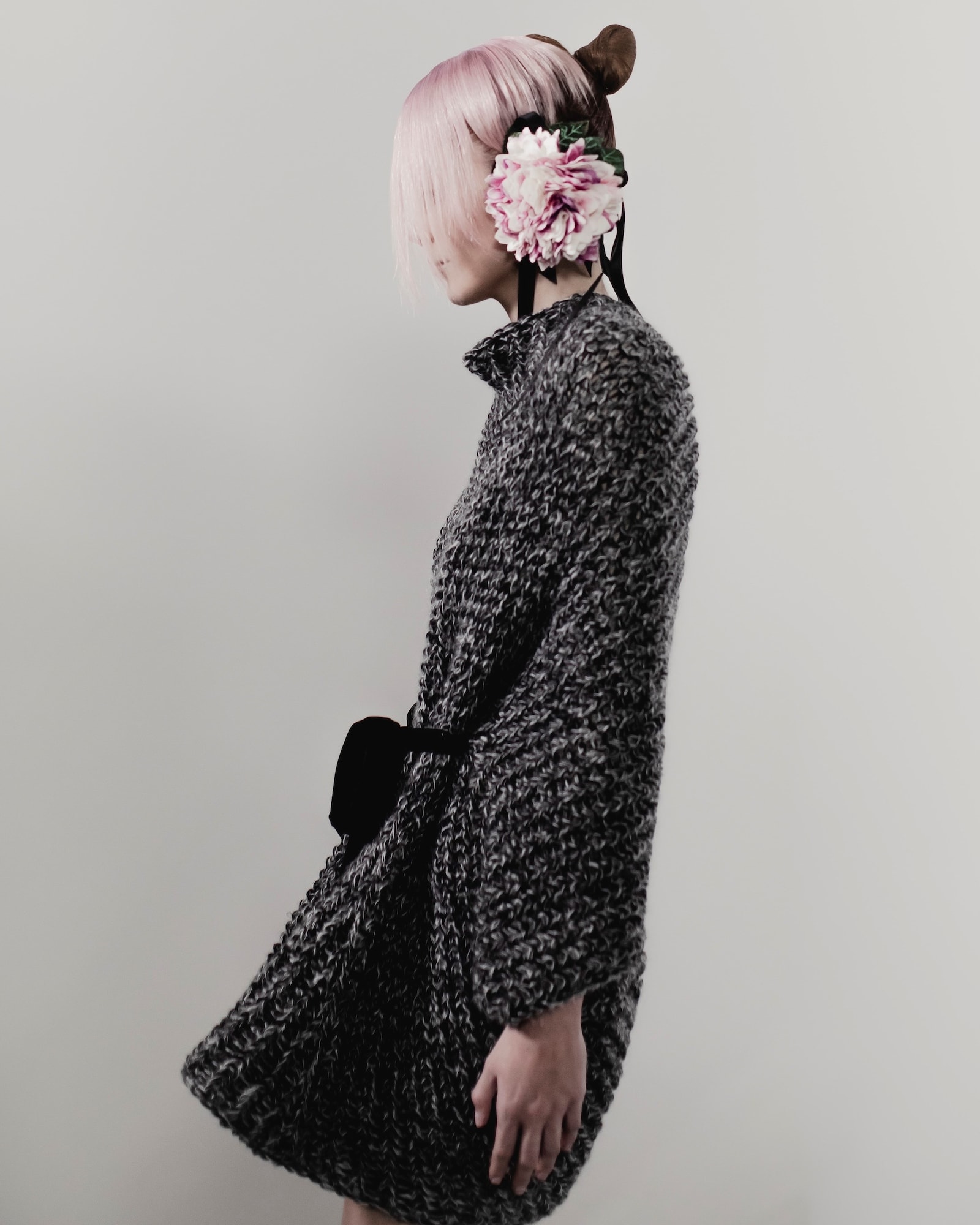
That interplay of real and fake was fascinating to observe in its unpredictability. The softness of Christian Dior’s dresses were often contradicted by their formidable internal structure, iron fists in velvet and silk-faille gloves. Anderson’s strong, curvilinear Dior shapes were, by contrast, weightless, technical masterpieces bowing away from the body through cut and technical fabrication. Feathers were made to look like everything but feathers – cloisonné enamelwork, reptilian scales, mother-of-pearl, or a perfectly-frayed edge to dresses of massaged silk flounces. The only things that did look like feathers were actual shards of organza, in an aerobic work-out of the possibilities of Dior’s ateliers, and a multitude of specialist ateliers around Paris. And of course, there were flowers – the already well-told narrative of this show is that it was triggered by a bunch of cyclamen given to Anderson by former Dior artistic director John Galliano, a floral baton passed, laurels heaped. Like that chapter in À rebours where Jean des Esseintes cultivates a garden of tropical flowers that look unreal, and has material ones created to reproduce nature with alarming verisimilitude, Anderson crowned his models with fabric and leather foliage. One carried a leaf as a parasol, crafted from silk and brass. “There’s a vase that pretty much looks just like this by Magdalena,” said Anderson of another look, a severe black coat defying gravity in a wave at the neck. It presented the model’s face as a bloom.
So that’s the fake – let’s get real. Couture, really, is about the one-off, the handmade and unique today. It’s also a window into history, a connection back to the way fashion was born, methodologies that predate industrialisation and our valorisation of the mass. Anderson pushed that idea to an extreme: jewellery was embedded with fragments of meteorites, antique cameos or, in once instance, an 18th century miniature by the Venetian artist Rosalba Carriera, while shoes and bags were made from fragments of silks from the court of Louis XV. Each will be entirely unlike any other – real fragments of history, reconstituted for tomorrow.


Anderson’s vision is both micro and macro. While the world’s few hundred couture clients cajole their vendeuses for their first choice of looks, a selection of garments will be installed for public view at the Musée Rodin for the next week, presented in dialogues with looks from the archive – ghosts of Dior past – and works by Odundo. “It’s this idea that couture can be more than a show, Anderson says. “It can be an education.” Quite. What this debut taught us was both the span of Anderson’s imagination and the scope of his ambition for Dior. The ideas were ricocheting off the mirrored walls. It certainly felt like a re-energisation of the house, as well as a shift of couture from a made-to-measure side piece for a hyper-wealthy niche to an engine of inspiration and experimentation. That first couture dress had already been distilled into the first look of his ready-to-wear show. And it’s easy to imagine the wealth of ideas here spinning out across the entire cast Dior ecosystem, inspiring clients to buy, and – naturally – people to dream.
