
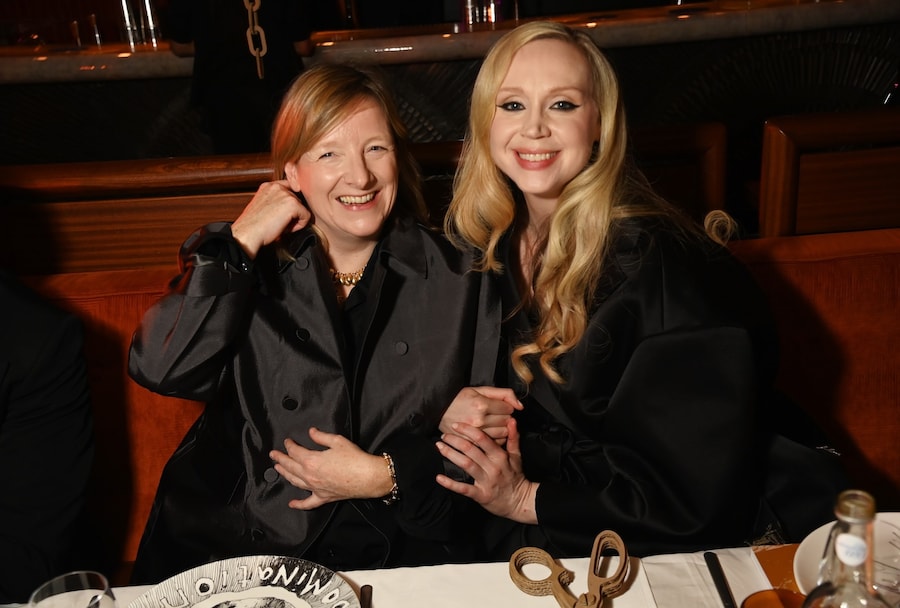
Ten years after Sarabande Studios first opened its doors, the foundation celebrated with a dinner at The Standard – a night honouring the artists and designers whose careers have taken shape inside McQueen’s creative sanctuary
Sarabande was built to keep talent alive. Founded with the estate of Lee Alexander McQueen, the studios were created with a clear belief that creativity should not depend on circumstance. McQueen understood that brilliance often begins unpolished and unfinanced, and during his lifetime he paid tuition fees, rent, and even living costs for young creatives who could not afford them. Sarabande continues that legacy with something far more useful than symbolism: the keys to a room of their own.
Since opening the studios in Haggerston in 2015, followed by an expansion to Tottenham in 2023, Sarabande has supported more than 280 artists and designers with bursaries, mentoring and heavily subsidised studio space. London is often unforgiving to emerging talent, yet inside Sarabande’s converted Victorian stables the foundation offers the valuable and rare space to experiment.




Some of the most exciting names in contemporary culture began here. Craig Green built his label from a studio so small he eventually overflowed into the building’s toilets, rolling fabric wherever he found the space. Michaela Yearwood-Dan, now collected internationally, refined her painterly language in those same corridors and John Alexander Skelton developed his historically charged menswear, sourcing cloth from regional mills and dyeing it by hand. Aaron Esh is currently crafting his red-hot uniforms for London’s bon vivants in the same space, while designers such as Serena Gili and Katie Roberts-Wood, jeweller Charlotte Garnett, and multidisciplinary artists including Harriet Horton and Mircea Teleaga have all benefitted from Sarabande’s support early on. Housing fashion next to sculpture, painting next to photography, and performance next to film, the hum of different processes and cross-pollination is part of the foundation’s architecture.
The support is often practical: residents attend sessions on intellectual property, invoicing, communication with buyers and press. Patrons and mentors drop by – curators, jewellers, editors, directors – to engage with the talent they house. The foundation’s gallery, House of Bandits, allows residents to test work publicly. The aim is not to refine creatives into a single mould, but to protect their ability to take risks.
On Monday (3 November), Sarabande and The Standard, London marked ten years of the studios with The Craftsman’s Dinner. At Decimo, guests including Gwendoline Christie, Riz Ahmed and Daniel Roseberry sat beneath a suspended installation representing the many disciplines Sarabande supports, while plates designed by Sir Ridley Scott, Schiaparelli, Jake Chapman, Alexander McQueen, Francesca Amfitheatrof and Tim Burton were set at each table. A performance by Sarabande artist Darcey Fleming threaded dancers through the restaurant in loops of colour, as Moët Hennessy kept glasses charged with Veuve Clicquot throughout the night.

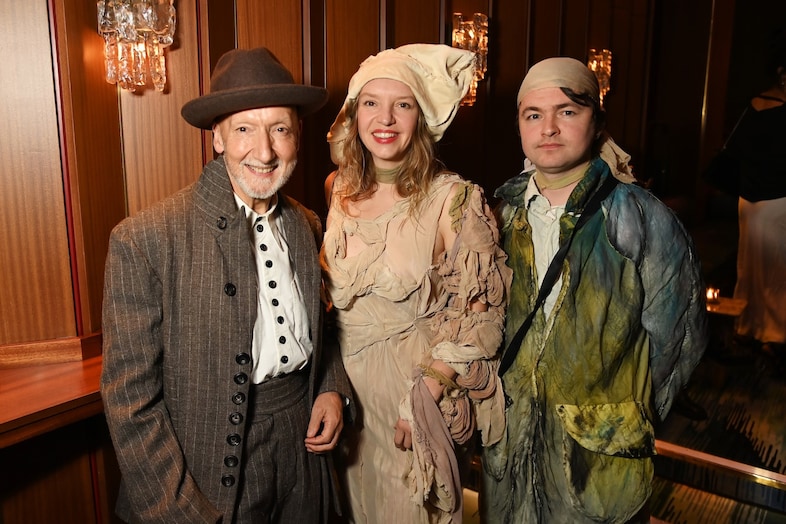
Trino Verkade, one of the earliest people McQueen brought into his business and now Sarabande’s director, put it simply: “True artistic innovation and craftsmanship are under threat.” Sarabande answers that threat with space, mentorship and belief. “These artists are the creative lifeblood of London and the UK.”
The next decade of Sarabande matters as much as the first. The studios have shown what can happen when talent is met with belief and infrastructure – careers take shape, new voices emerge, and culture moves forward. For that momentum to continue, Sarabande needs steady support from those who want London to remain a place where ideas begin. McQueen built Sarabande to keep talent alive; the studios keep it thriving.
