
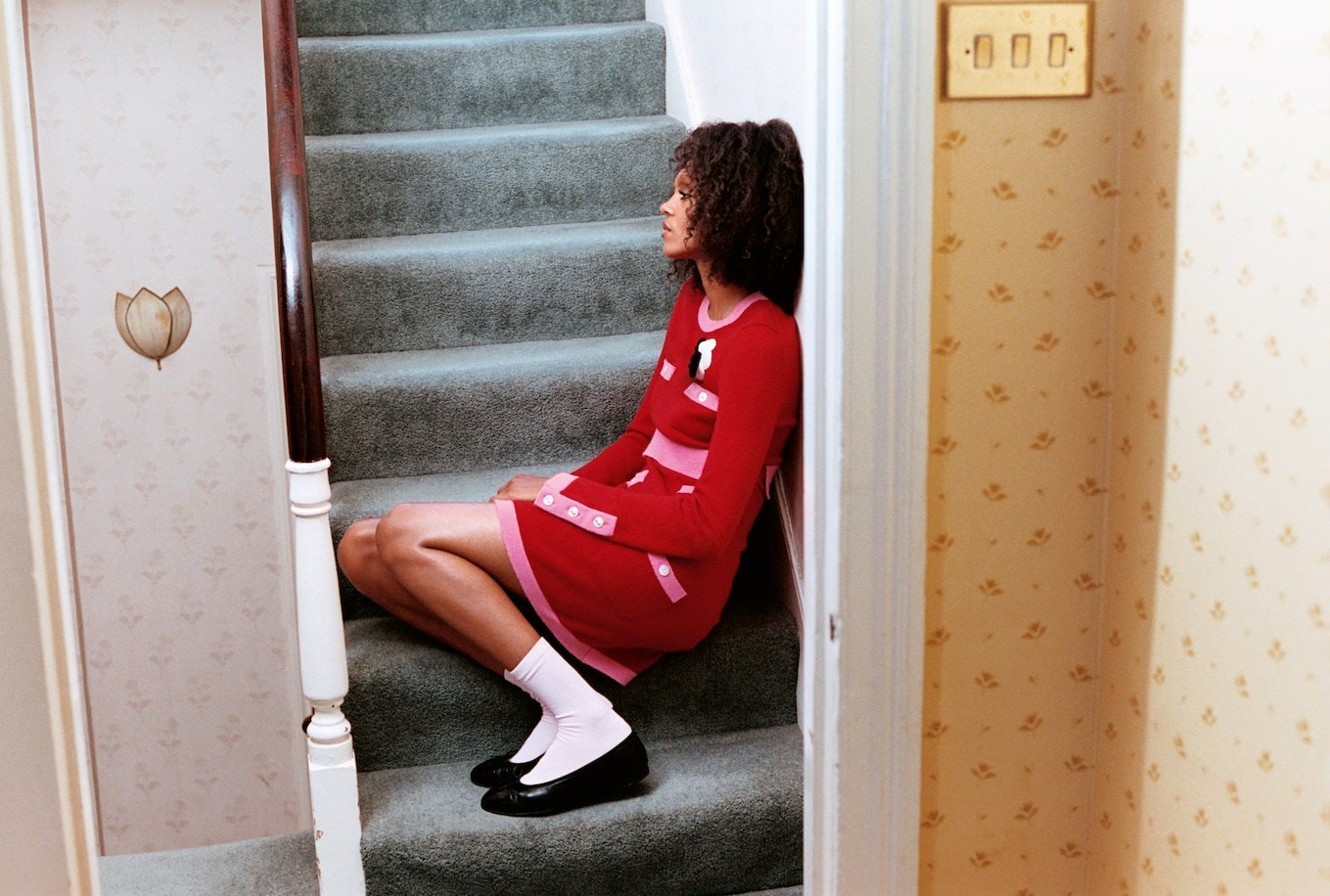
The house of Chanel has always had deep links to the UK – stretching back a century, bang on this year. “I have always succeeded with the English, I don’t know why,” Gabrielle Chanel once said. The ‘why’ may be the fact that the tenets of dress that Chanel was so attracted to are, arguably, inherently British – pragmatism, ease and comfort, a general denouncing of the frill, sportswear worn as everyday wear (albeit riding habits and tweed hacking jackets rather than 21st-century tracksuits). Combined, of course, with a sense of ceremony, of pomp and circumstance and liberal layering of Crown Jewels (in Chanel’s case, costume). Those connected innately to the way British women have characteristically dressed.
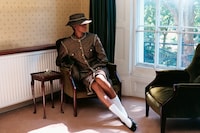
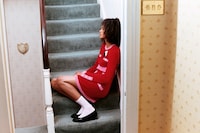
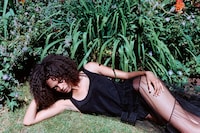
Gabrielle Chanel’s own connection to the UK, however, was more personal. In the 1920s, she became the mistress of Hugh Grosvenor, second Duke of Westminster, well established as such by 1925, the year her name is first recorded in the visitor book of his Reay Forest estate in northwestern Scotland, where she mixed with figures including Winston Churchill. She made quite an impression on the future Prime Minister, who wrote of her to his wife in early 1927: “She is vy agreeable – really a gt & strong being fit to rule a man or an Empire. Bennie [the Duke of Westminster] vy well & I think extremely happy to be mated with an equal – her ability balancing his power.” Indeed, Westminster even proposed marriage, to which Chanel famously replied, ”There have been several Duchesses of Westminster – but there is only one Chanel.” It’s a radical refusal, indicative of Chanel’s self-confidence and empowerment, entirely unconventional for a woman in this period.
Spending time at Reay Forest exposed Chanel directly to both British pastimes – she rode, hunted and was excellent at fishing according to Churchill – and British country dressing. Stout tweeds, many woven in the Hebrides, Fair Isle patterned knits and Scottish cashmeres all shaped the Chanel aesthetic for decades to come. Her signature cardigan suit, incubating in the 1920s to come fully to the fore after her 1954 Comeback collection, would be characterised by nubby tweed fabrics, many made in Scotland by William Linton (the cloth itself is named after the River Tweed, or the Tweed Valley in the Scottish Borders).

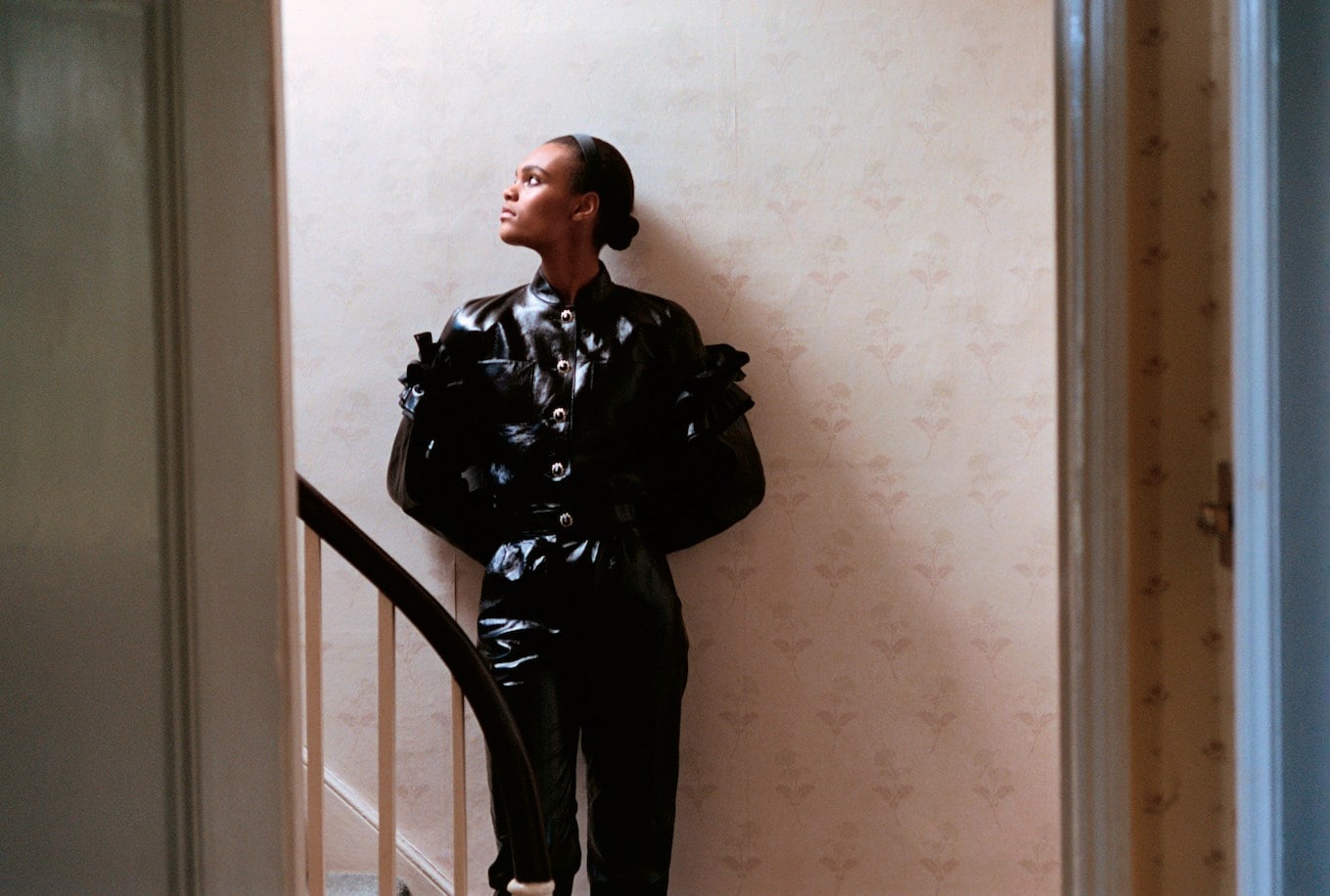
But Chanel’s entanglement with the UK was also part of her first step to global domination: exactly a hundred years ago, a year after the founding of Les Parfums CHANEL in France in 1924, she established the company Parfums Chanel Limited in London, to bring N°5 across the Channel. To do so, she partnered with Théophile Bader, co-founder of Galeries Lafayette – he later orchestrated a strategic merger between Chanel and Pierre and Paul Wertheimer, the family who still own Chanel today. And two years after establishing her first UK business, in 1927, Chanel opened an atelier and salon in Mayfair, employing English seamstresses and models and beginning to collaborate with British fabric manufacturers. Chanel loved many of those fabrics – Manchester cottons, Scottish and Irish tweeds, Huddersfield wools – so much so she used them for the rest of her career. In 1932, Chanel established a second UK company, British Chanel Ltd, a venture that partnered with several British textile manufacturers to produce designs in voile, lace, velvet and wool – she even partnered with a British mill, Broadhead and Graves Ltd, to establish CHANEL Broadhead Fabrics Ltd in 1933. In 1932, she staged a series of daily fashion shows at 39 Grosvenor Square to showcase British Chanel Ltd’s wares.
Just as, in the 18th century, the craze for Anglomania in the French court swept away formal silk frock coats and panniered dresses in favour of English-influenced sober wools and muslin dresses, so Chanel exorcised the exoticism and elaboration that characterised early 20th-century dress, replacing beaded velvet opera coats with twinsets, harem pantaloons with wool trousers. These were indicative of her own no-nonsense personality, but that found direct reflection in a British mentality. Chanel challenged the status quo constantly, in a manner akin to the “English Eccentrics” that peopled aristocratic circles, wilfully rule breaking – amongst their number, Chanel counted friends such as Lady Abdy and Lady Pamela Smith, embodiments of her pragmatic new breed of elegance. She of course broke rules herself: in 1932, for example, she even created a collection of evening dresses in cotton – velvet, lace, organdie – mostly made in Manchester (she had used cotton velvet as early as 1922). It was juxtaposed with her first fine jewellery collection of platinum and diamonds – a paradox that feels very English, and also quintessentially Chanel. Chanel said she liked cotton – especially cheap cotton – because of how well it held colour, but its simplicity and purity chimed with essential elements of what was commonly known as Le Style Anglais, and what later became synonymous with the revolution of Chanel’s relaxed style that gave the freedom to women as a whole that she enjoyed herself.

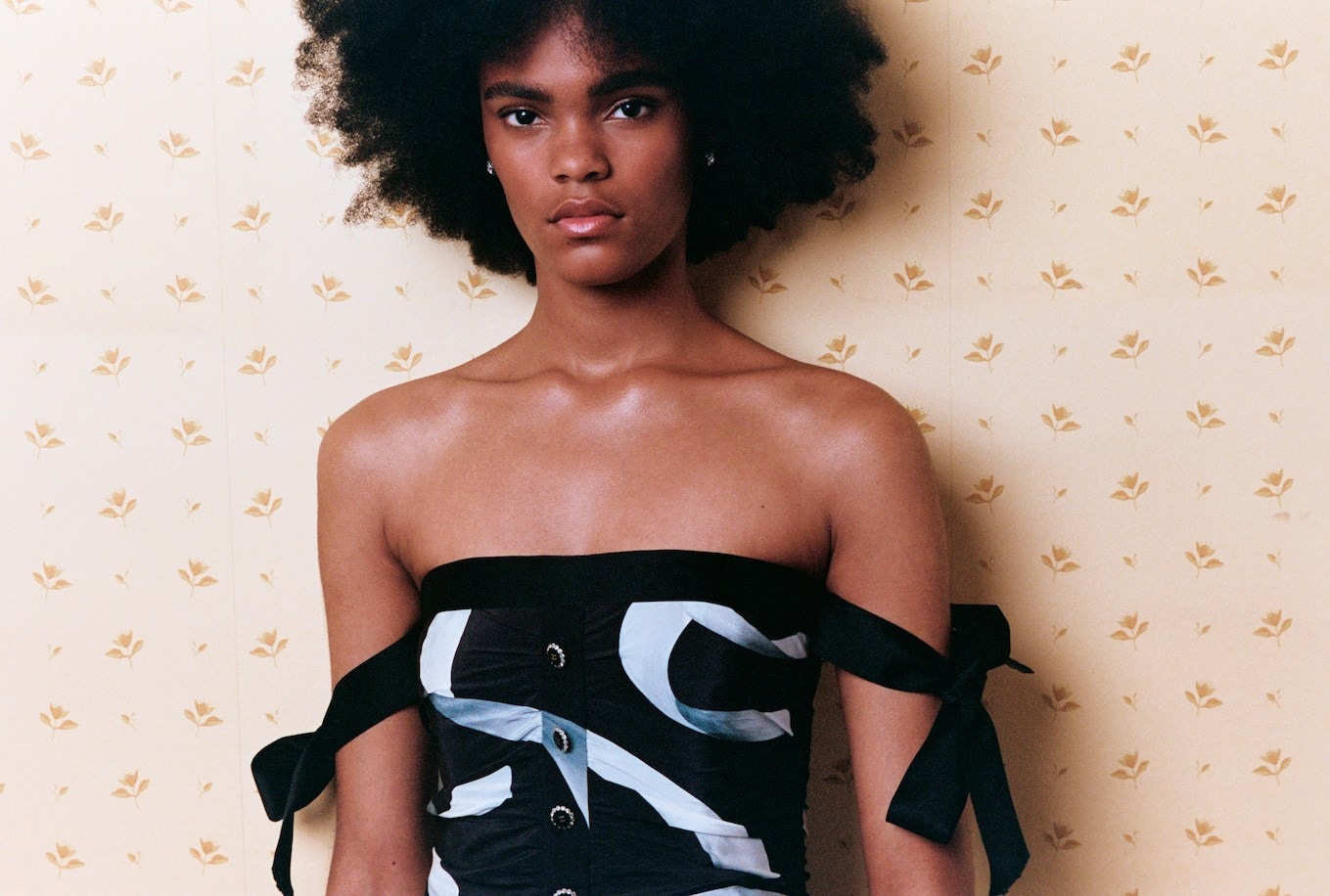
Even after Gabrielle Chanel’s death, the house retained close ties to London – the first boutique outside of France opened at 26 Old Bond Street in 1980, two years before Karl Lagerfeld began to turn Chanel upside down. He himself was often inspired by British style – he shredded the Chanel suit with holes in homage to the punks of the King’s Road, created a collection as ode to the late Amy Winehouse, and wrapped the heads of models for one 1998 couture show in humdrum hairnets, their cheeks dotted with hundreds of carats of diamond ‘tears’, in a sensational mix of the quotidian and operatic. He also often turned to his “outside pair of eyes”, the British Lady Amanda Harlech, for inspiration – she even played the Duchess of Windsor in one of Lagerfeld’s short films, opposite Geraldine Chaplin’s Gabrielle Chanel.
Harlech is one of a number of British inspirational figures and ‘Faces’ that helped shape Lagerfeld’s Chanel tenure, including Stella Tennant, Karen Elson and Tilda Swinton. Artistic director Matthieu Blazy opted to open his own Chanel debut earlier this month with a sharply tailored jacket that nodded to Savile Row, sliced off at the waist above men’s trousers. The look reminded you of images of Chanel in the Duke of Westminster’s tweeds; thistles – whose dried heads are used to comb Scottish cashmere in traditional production methodologies – were pinned at the chest or on ears like a new take on the camellia. And there’s something inherently British about the pairing of a man’s white shirt with an extravagant ball skirt – the practical with the magical.

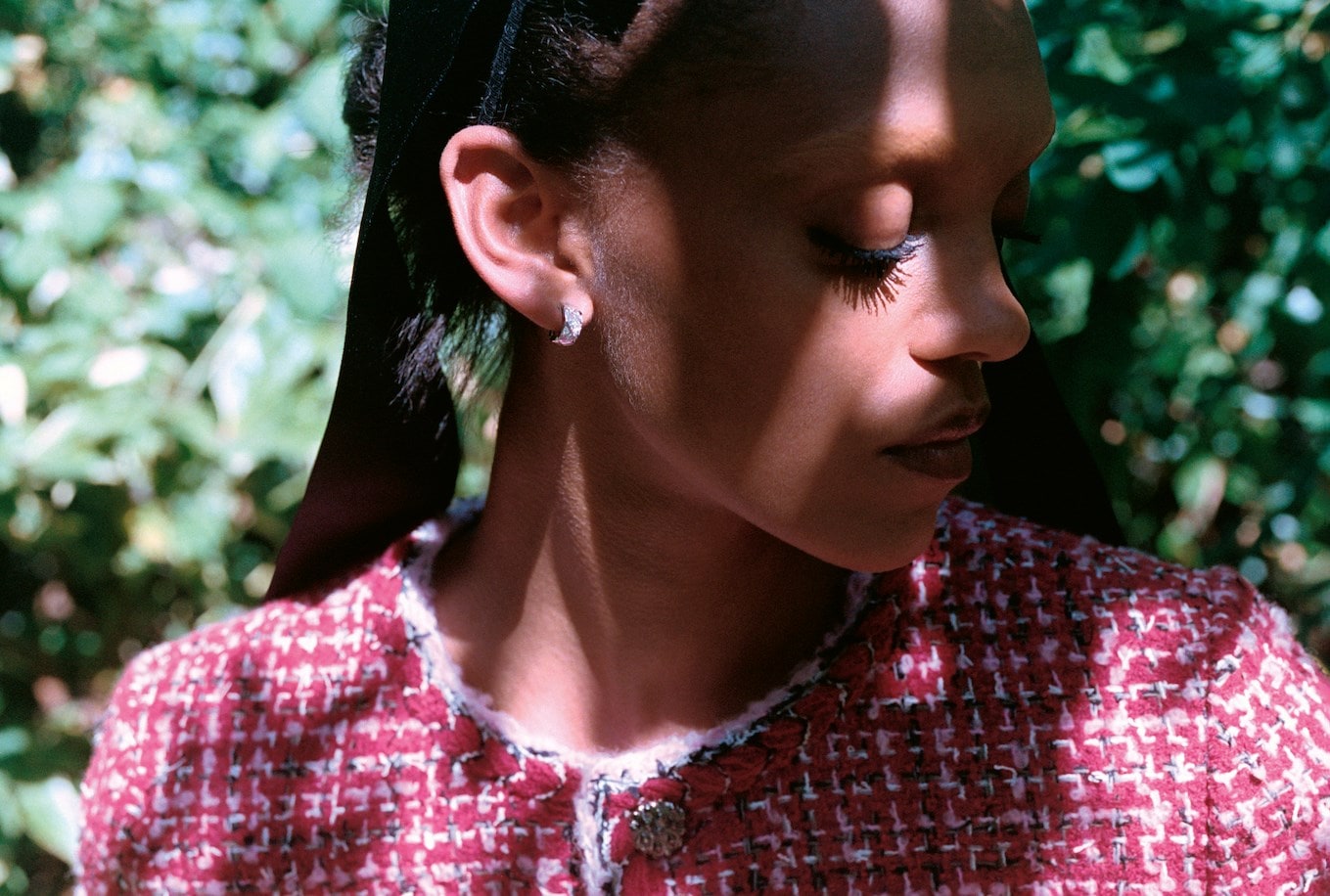
Hair: Kei Terada at Julian Watson Agency using HAIR BY SAM MCKNIGHT. Make-up: Siobhan Furlong at LGA Management using CHANEL BEAUTY. Casting: Monika Domarke. Models: Bebe Parnell at Next Model Management and Kemay Boyce at Boundary London. Photographic assistants: Kae Homma and Ivan Grianti. Styling assistant: Amelia Galliford. Hair assistant: Yasemin Hassan. Make-up assistant: Alice Swindells. Production: TIAGI. Executive producer: Chantelle-Shakila Tiagi. Production manager: Zim Uddin. Production assistant: Tiayana Simms
The Autumn/Winter 2025 issue of AnOther Magazine is on sale internationally now. Buy a copy here.
