The buttocks have long been a site of provocation at Alexander McQueen. With Seán McGirr reviving the silhouette for Spring/Summer 2026, Alexander Fury traces the house’s history of rear rebellion
Lead ImageMcQueen Spring/Summer 2026Courtesy of McQueen
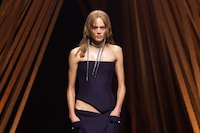
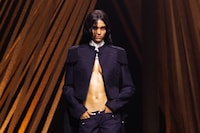
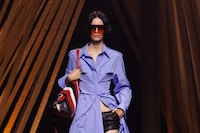
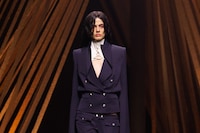
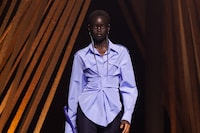
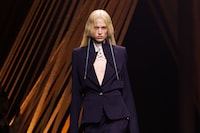
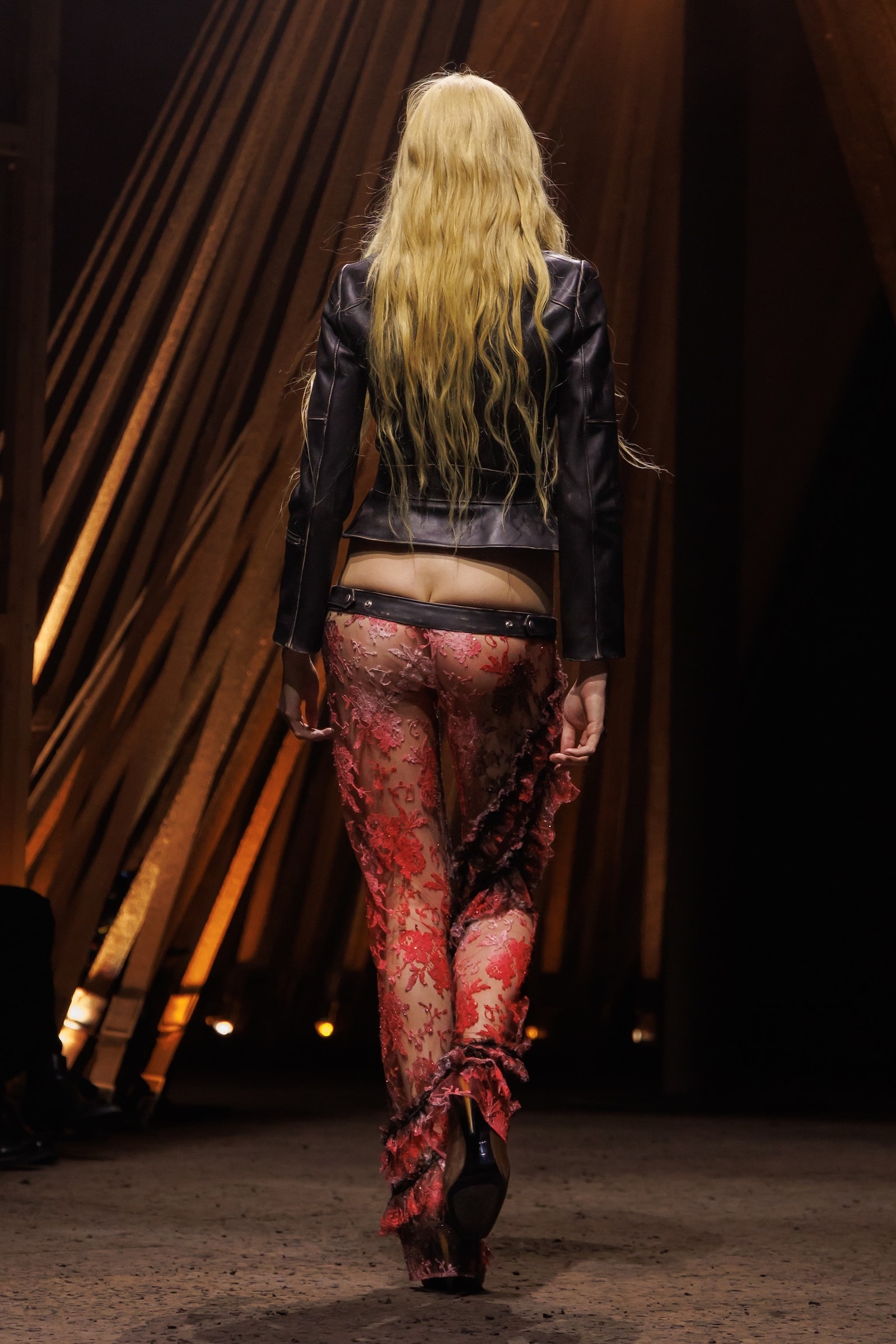
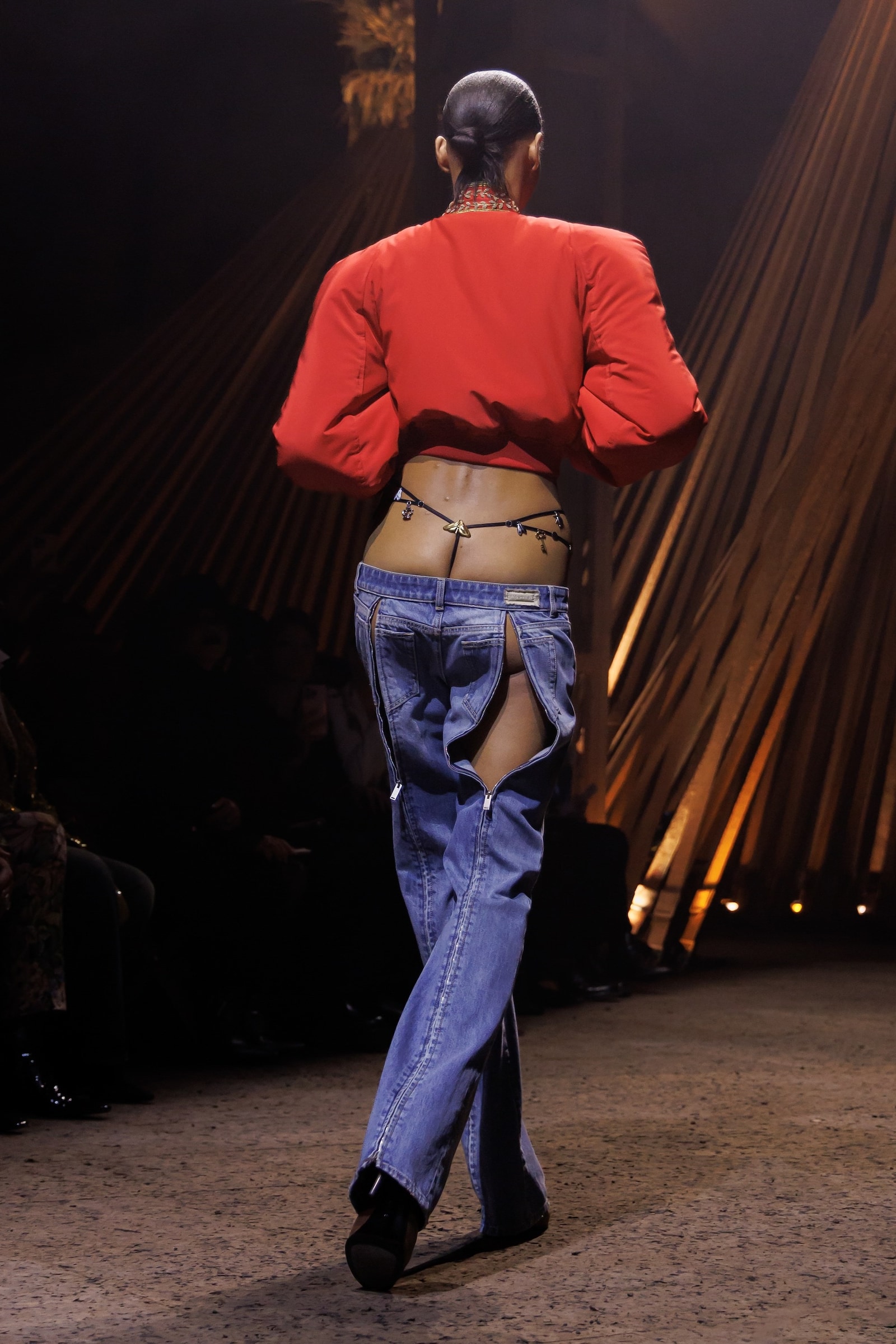
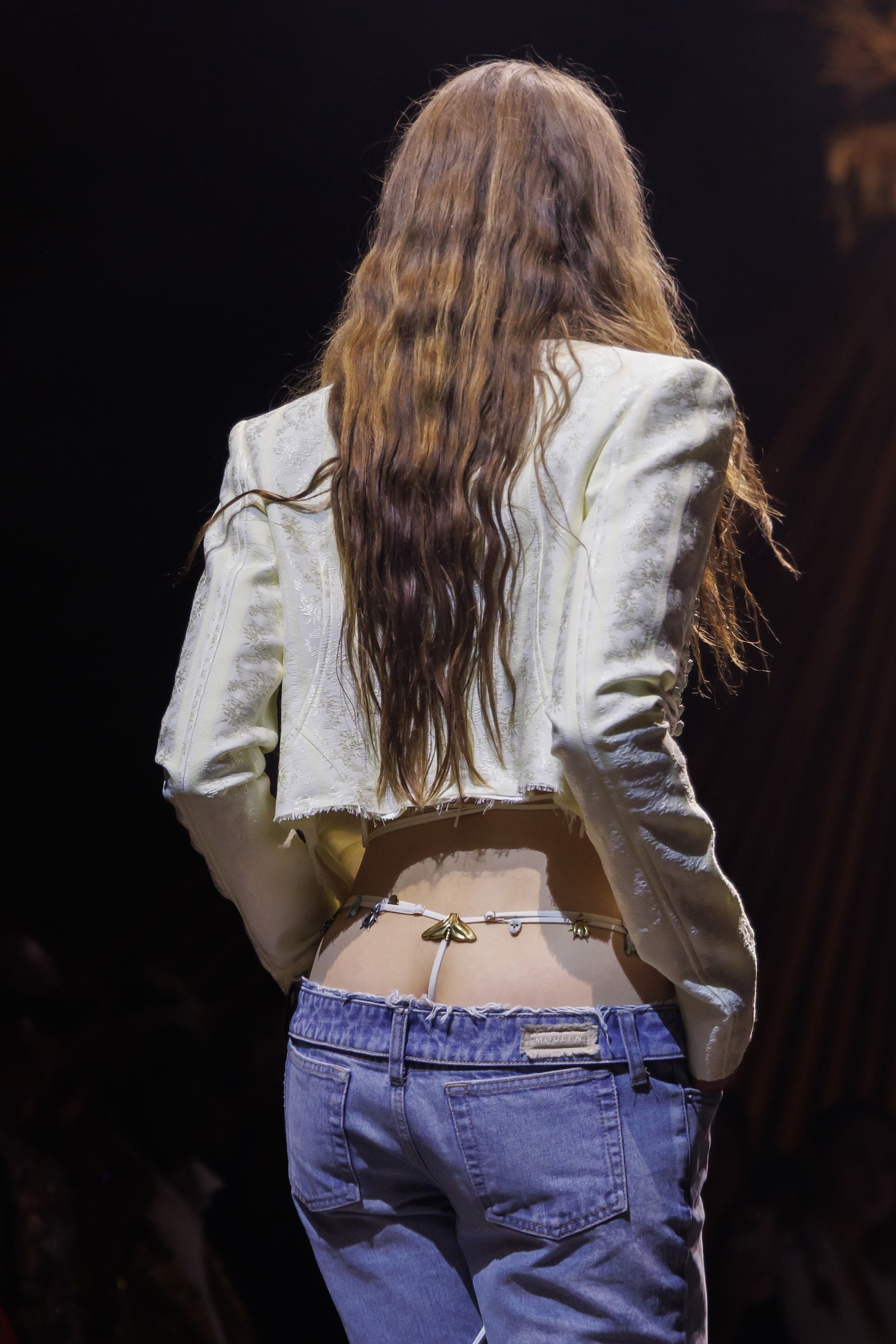
The buttock has a hefty amount of meaning at the house of Alexander McQueen. Which isn’t a sentence you write often. Yet, McQueen first projected his name globally through rear-gazing, eyebrow-raising designs that questioned sexuality and challenged our perceptions of masculine and feminine erogenous zones. Seán McGirr’s Spring/Summer 2026 McQueen collection took direct inspiration from this house code, for want of a better term, with low-slung tributes to his groundbreaking ‘bumster’ silhouette and artful cut-outs placing emphasis on the posterior. Here then is a brief history of the significance of the hindquarters, within the history of McQueen.
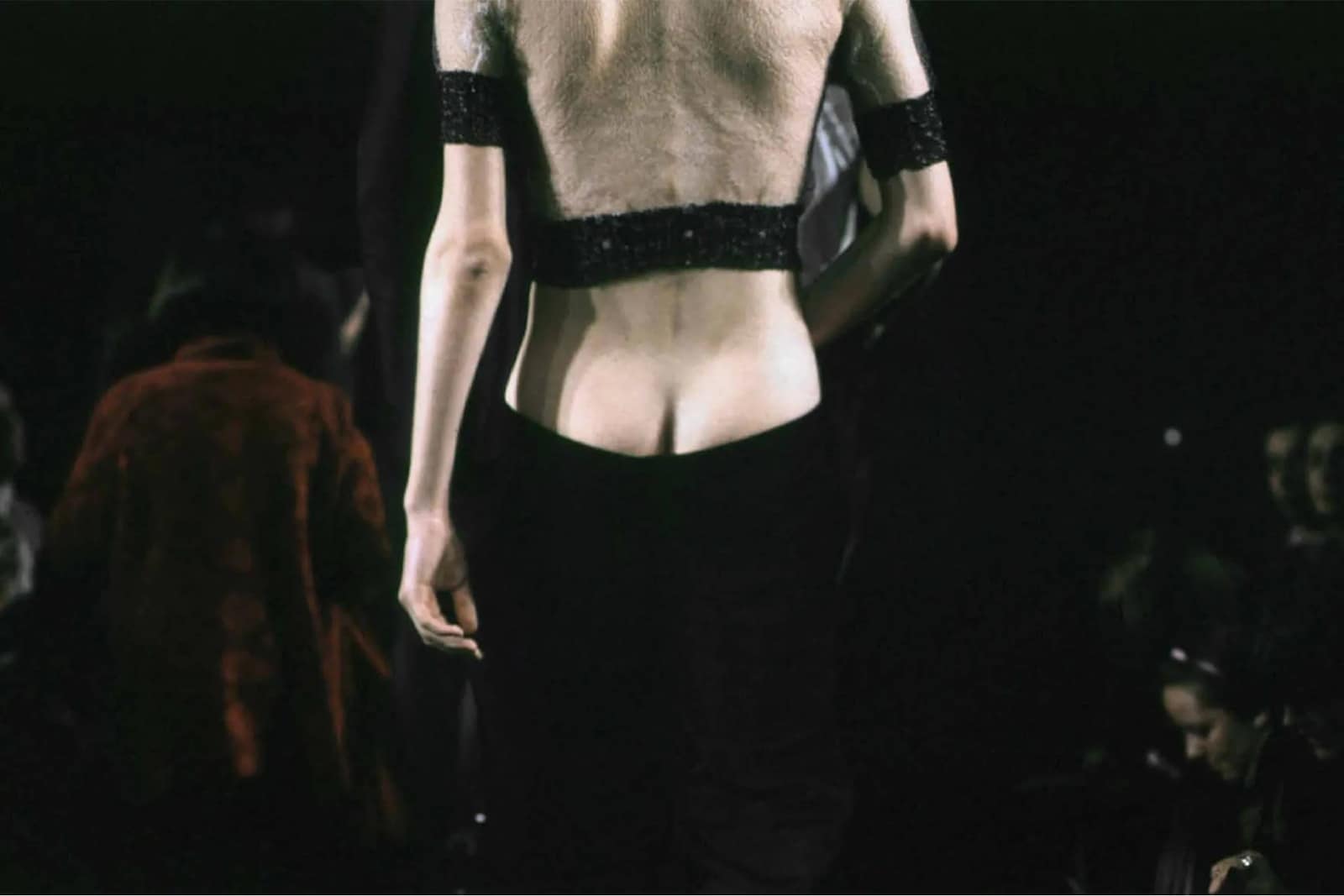
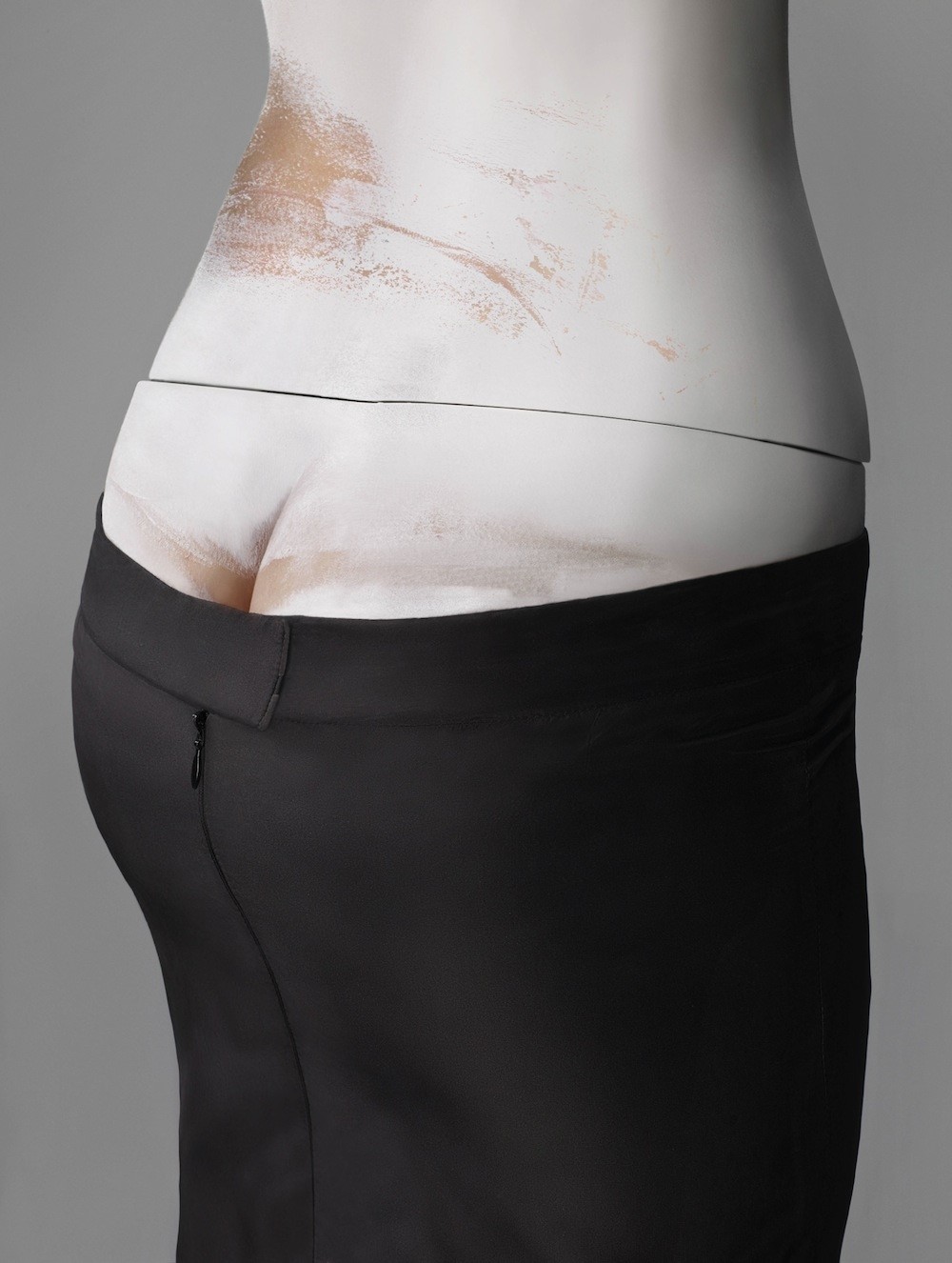
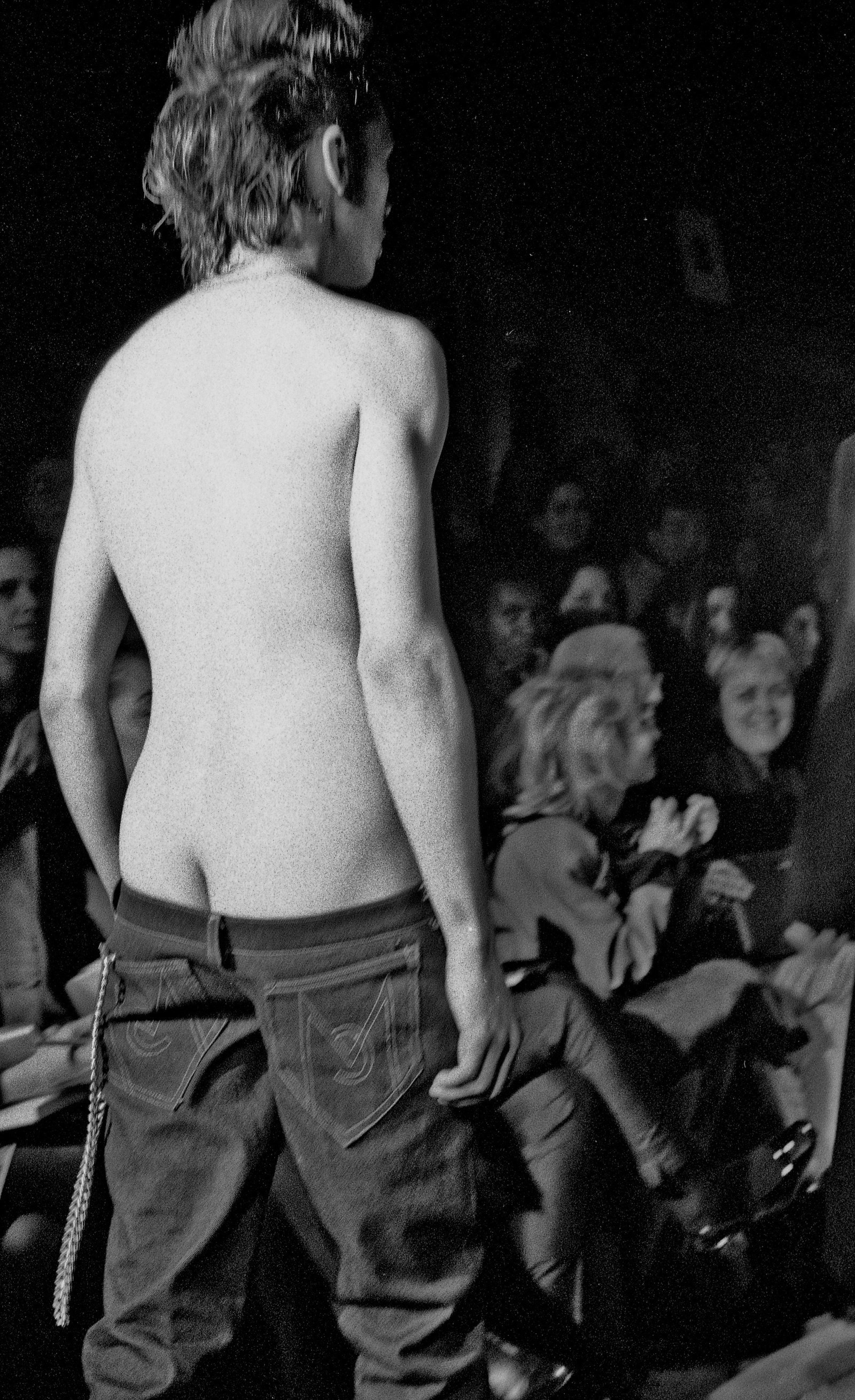
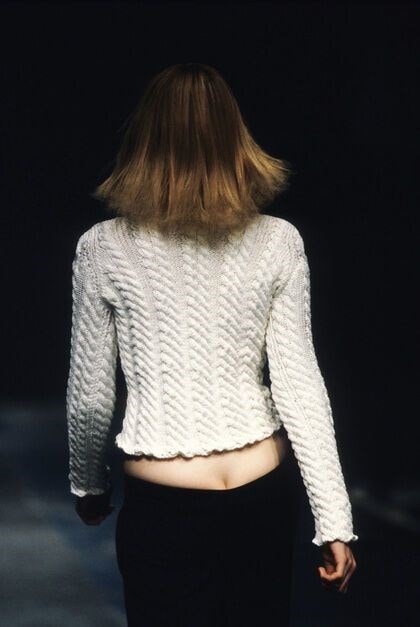
Lee Alexander McQueen introduced his radical bumsters in his very first collection, Taxi Driver, named after the 1976 Martin Scorsese movie and presented on a rail at the Ritz hotel in London for Autumn/Winter 1993. The bumsters originated in McQueen’s teenage training at Anderson & Sheppard Savile Row – as a result, he knew how to precisely calculate the cut to ensure the trousers stayed up, despite their minute ‘rise’ (the distance from the top of waistband to middle of the crotch seam, between the legs). His intention, he stated, was never to reveal the intergluteal cleft – or crack, as we more colloquially put it – but to experiment with attenuated tailoring. “They were never really about the bum,” he said in 1996. “They were a technical experiment in how to elongate the torso.” Nevertheless, he did christen them bumsters – he also mooned the press a few times in place of the usual polite designer bow, as if to underline the reference.
Alexander McQueen Autumn/Winter 1994Photography by Chris Moore
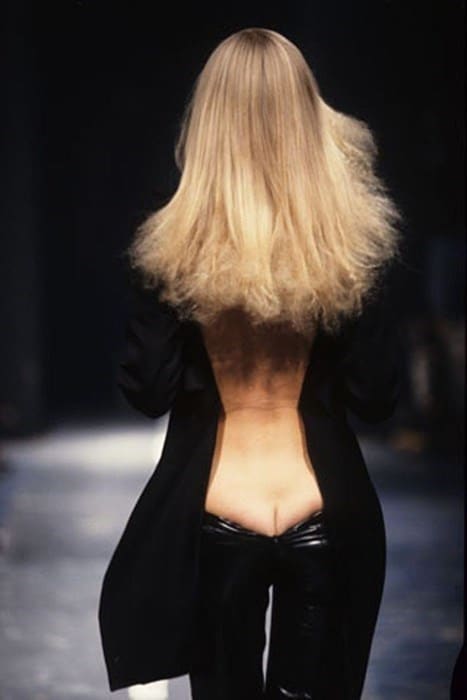
Yet, proving his point, in many McQueen shows the buttocks of bumsters were covered – for instance, in Highland Rape (Autumn/Winter 1995), brief frock coats often kicked out over the rear, placing the emphasis on the perilously low waistband slicing underneath the hipbones at front. “A dangerous two inches lower than hipsters, across the pubic bone at the front,” wrote Marion Hume in the Independent newspaper in 1993. Sometimes, that allowed an erotic tuft of pubic hair to escape – especially when worn by men. Tabloid newspapers obviously had a field day, comparing McQueen’s designs to the accidental low rise of the ‘builder’s bottom’. When McQueen pierced the crotches of his ‘skousers’ (skirt-trouser hybrids, another innovation) with fine silver watch fob chains created by the jeweller Shaun Leane, red-top headlines reported them as tampon strings.
Bumster skirt by Alexander McQueen, Highland Rape, Autumn/Winter 1995Photography by Solve Sundsbo
McQueen Spring/Summer 2026Courtesy of McQueen
That connects to the inherent corporeality of McQueen’s designs, a point of focus over and over – moulded plastic carapaces filled with tapeworms apparently sandwiched against skin, as if the innards were exposed; bodices executed in Plaster of Paris, like casts to repair the wounded; and slashes and rifts and tears in fabric like flesh flayed and torn away, women in battle, women on attack, women surviving.
Extreme, yes, yet McQueen’s bumsters were highly, even wildly influential. They provoked a spate of low-rise trousers throughout the 1990s – cut slightly higher, in the hands of other designers, they became the ‘hipster’, the single defining trouser silhouette of that decade that ran well into the early 2000s.
McQueen Spring/Summer 2026Courtesy of McQueen
Bumsters from Alexander McQueen’s first New York show, a restaging of Dante, in March 1996Photo by Catherine McGann/Getty Images
That said, McQueen did cite the area “not so much the buttocks, but the bottom of the spine” as “the most erotic part of anyone’s body, man or woman.” The bumsters did emphasise that – a cut used first for trousers, later for skirts, the degree of exposed cleft rose and fell according to McQueen’s instinct to shock at any one time.
Bumsters at Alexander McQueen Spring/Summer 1995, The BirdsCourtesy of Alexander McQueen
Bumsters at Alexander McQueen Spring/Summer 1995, The BirdsCourtesy of Alexander McQueen
That said, he appreciated the attention all this focus on the haunches brought. For his second collection and first show, Nihilism (Spring/Summer 1994), McQueen showed the bumsters again but also slashed a formal pair of trousers vertically across each buttock, as if the fabric had been whiplashed open. McGirr mirrored those with zippered vents this season. And, for Spring/Summer 1998, McQueen slashed dresses open over thongs, and sometimes used that underwear as simplistic structures for draperies of fringe, and little else. Those wound up like proscenium arches over the arse. He originally wanted to call that collection, which famously climaxed with a downpour of artificial rain, The Golden Shower, but his sponsors (American Express) baulked. Provocation is an enduring McQueen trademark, too.