
Backstage at his final Balenciaga couture show in July, Demna was talking about the codes of that house – which, he said, were actually limited. “I’ve had to put a lot of myself into Balenciaga,” he stated. That sounds crazy, but it’s true – Balenciaga was all couture cocoon coats, pillbox hats and gazar. But it isn’t a brand – there’s no real logo, no easily extrapolated prints, or emblems. It was about pure architecture, which is a couturier’s dream, but a brand builder’s nightmare. Unlike, say, Gucci, which has a whole array of signs and signifiers, insignia and emblems to choose from. That, Demna said, he was excited about.
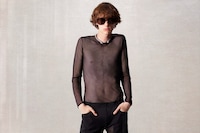
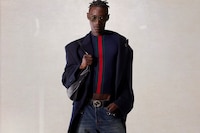
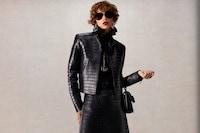
And well he should be. Because alongside all the bits that spell out Gucci – literally in GG’s that reference the founder Gucci Gucci’s initials, and figuratively in instantly identifiable prints and green-red colours and horse-bits borrowed from an imaginary bit of chic, aristocratic equestrianism – there’s an inherent, innate sense of Italianness, an abstract notion of nationality embedded in Gucci. Florentine, yes, but more general than, say, the cool Milan-ity of Armani, the Roman grandeur of Valentino, or Versace’s Calabrian, scorched-earth approach to taste. All of those houses, too, have never been helmed by an outsider – Gucci’s golden years came from when an American projected his ideas of Italy onto that brand, mixed with a dose of Studio 54 and a pretend hedonism captured in advertising campaigns that the former Paris Vogue editor Joan Juliet Buck memorably described as people “behaving slightly badly, in an under furnished house.”
The codes of Gucci are often contradictory – the blatant sex appeal of transparent layers and a few macho-macho budgie smugglers that perhaps indelibly associated the brand with late 90s porno chic, laid up against a 1966 floral scarf created for Princess Grace of Monaco, and the almost-prim look of well bred, well dressed scions of Euro-American cultural royalty (Princess Grace, Jackie Kennedy, Audrey Hepburn) with below-the-knee skirts and pussy-bowed blouses. A well cut fur coat, albeit possibly with no knickers.

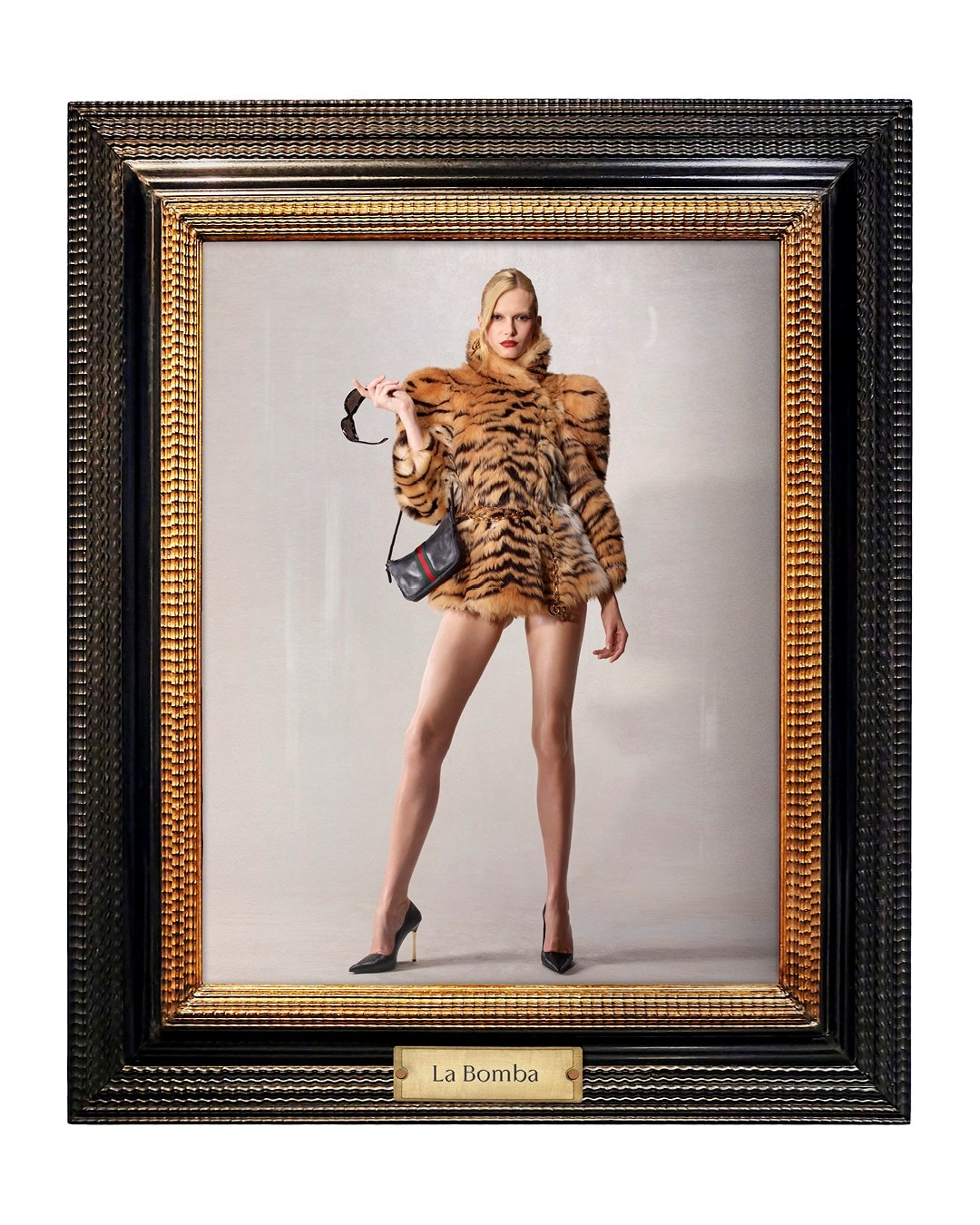

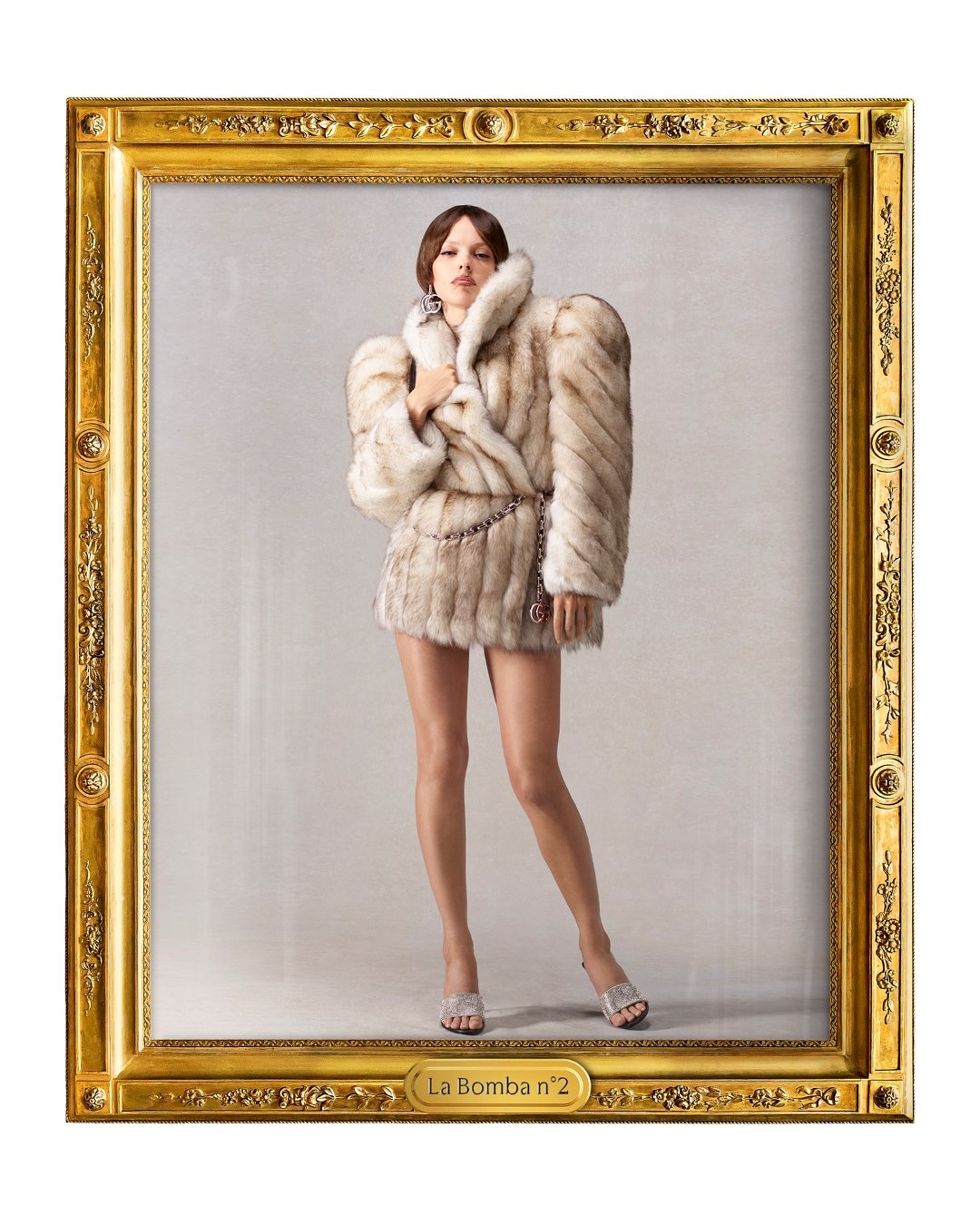
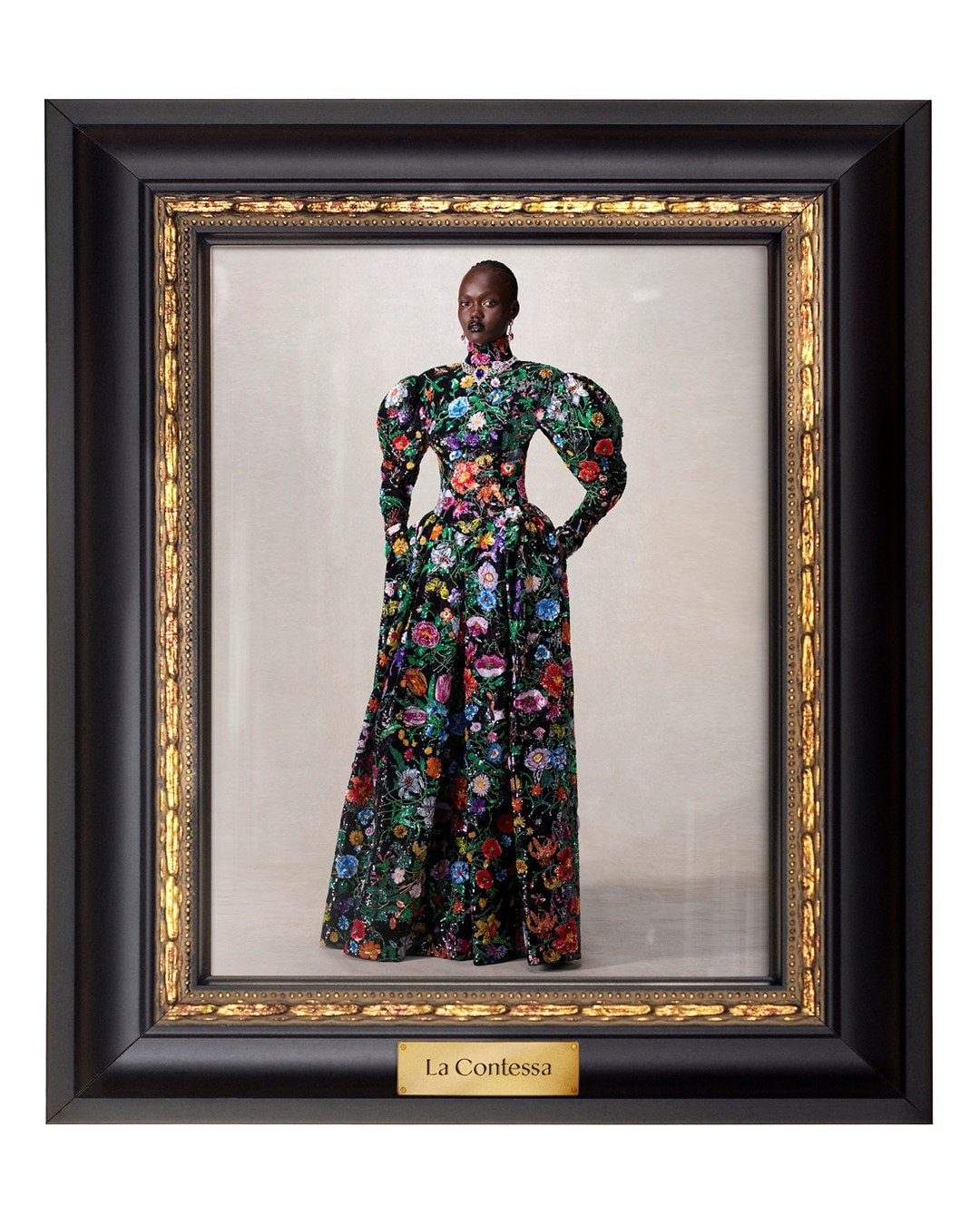
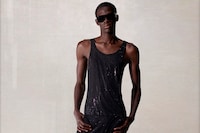
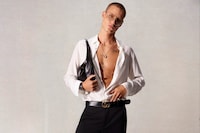
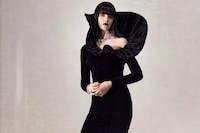
Demna’s first collection seems to be a statement of intent – “a foundation,” was what he termed it, speaking not backstage but front-of-house before the unveiling of his first creative project for the brand in Milan on Tuesday night. The clothes are a whirl through history to show the ideas of Gucci he’s interested in, and how he might remix them to give them a contemporary relevance and resonance with Gucci’s audience. He said it was like his Gucci version of Erasmus. In short, it seemed like all of the aforementioned garments – and then some – were shoved into a big Gucci trunk, buffeted about on a glamorous transatlantic jet-set flight only to emerge shaken but not creased from their Pandora’s box of reference material. That trunk formed the centrepiece to the first of 38 images of Gucci archetypes, no two exactly alike – although, almost like a couture show, they took us through daytime, cocktail and grand soirée.
And the grand soirée these items were designed for seemed to be the unveiling of this new vision of Gucci at the Palazzo Mezzanotte – perhaps pointedly, the seat of the Italian stock exchange, but here banked up with plush seats and velvet drapes. Demna opted to showcase his new wares via a short movie, directed by Spike Jonze and Halina Reijn, starring Demi Moore, and Ed Harris, and Edward Norton, and Keke Palmer, and, and, and ... The notion was a fictionalised, tongue-in-cheek Gucci family, which was also reflected in the collection itself, designed as thematic archetypes – the It-Girl, the ragazzo, la bomba, la snob – and dressed as stock characters to match.
“We’ll all get to go to more than enough fashion shows,” Demna commented wryly, when asked why he opted for a cinema as opposed to a catwalk. Plus, he said, he’d only had a month to work on the clothes. Nonetheless, they will drop in limited numbers into ten Gucci stores worldwide as of the 25th (the rest will be released, as the season suggests, next spring).
Demna’s Gucci reset is the first big shift in a season dedicated to new visions of heritage brands – let’s not even do the maths around the turnovers of the labels being revitalised, as they’d equal the GDP of several not-so-small countries. This one was a bold start – the star power was megawatt, and the clothes were just enough Demna to shift a perception of Gucci out the gates. Proportions felt new, while also nodding to the past – definitely a big, bold re-embracing of Ford, a bit of Michele, even a wink to Frida Giannini in a sculptural collar, and to the brand’s licensee logo mania of the 1970s.
The payoff? I’m ready to go to the Gucci boutique as soon as it all drops. I suspect many others will too.
