
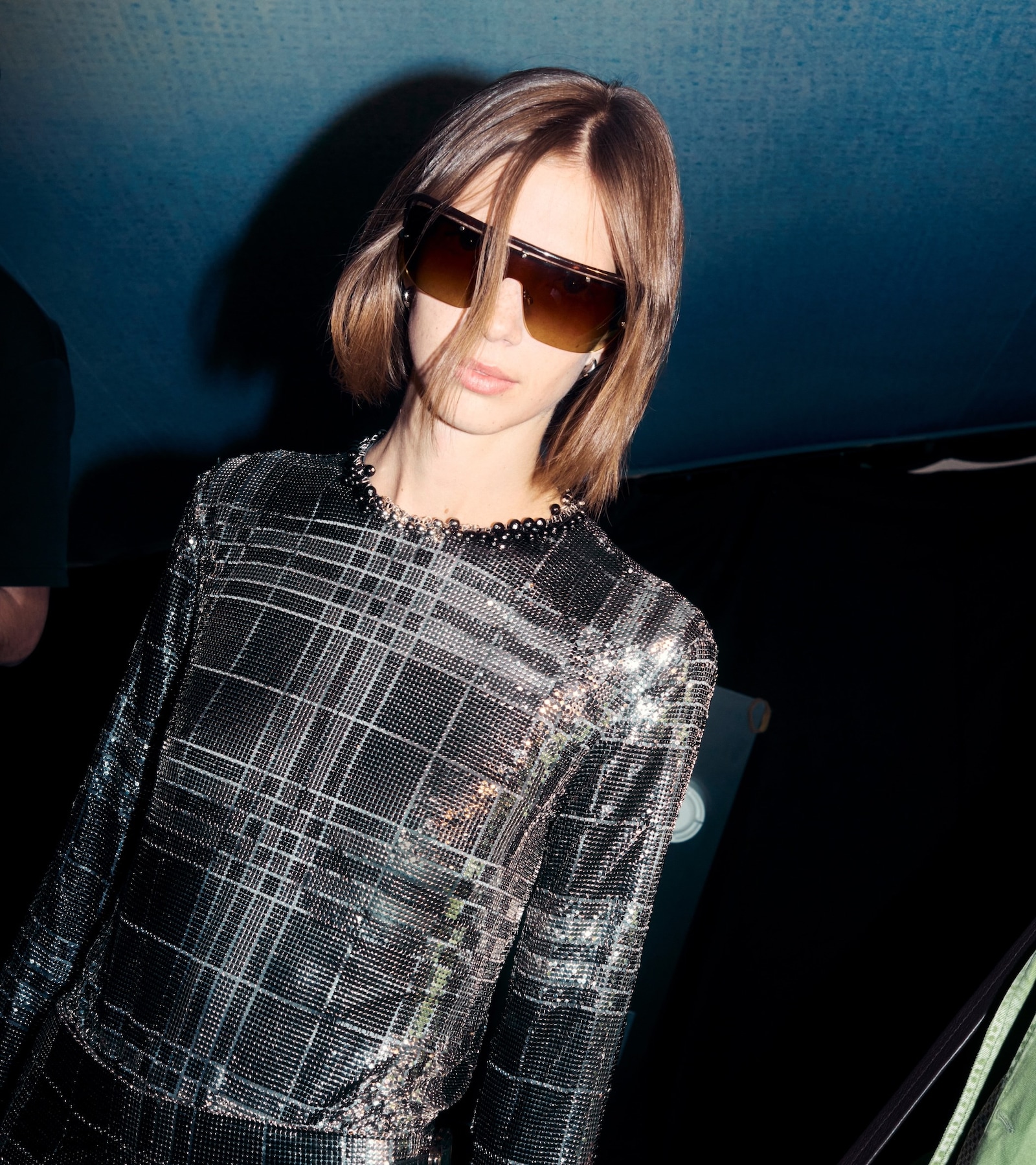
The melding of music with fashion is an age old tale – jazz singers helped popularise the zoot suit in the 1940s, Elvis made his flashy wardrobe as much a part of his act as hip gyrations and vocal gymnastics. And then there was Malcolm McLaren, Vivienne Westwood and the Sex Pistols – not to mention Bryan Ferry and Antony Price. It’s a rich stomping ground for influence, one so specifically well trod at Burberry that it’s practically turned to Glastonbury-esque mulch. Remember those epic Burberry shows with live performances by the likes of Alison Moyet? Or, more recently, an ad campaign fronted by Liam Gallagher and Goldie?
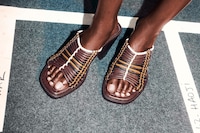
Add in the roster of musicians who’ve worn the Burberry trench in its various forms and incarnations since the middle of the last century, and the brand has more claim than most to that cross-cultural lineage. It was also the straight up inspiration for Daniel Lee’s Spring/Summer 2026 show, pitched like a mini festival in a gabardine tent in the middle of Kensington Palace Gardens, and populated with music stalwarts – rockers and mods, a touch of punk, a bit of hippy and glam.
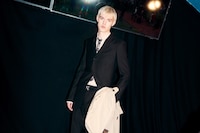
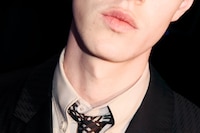
Lee dubbed music “A canvas to paint our own personal style,” and talked about imbuing musicians’ “freedom and swagger” into these clothes. Mod was the dominant mood, a sense of Carnaby Street before it became gentrified and studded with Pret A Mangers and mass-market clothing retailers trading on a lingering sense of cool. The mood was best summed up by Edie Campbell in boy-drag, dressed in drainpipe-narrow suit and tightly knitted tie. Shearling trimmed parkas caught onto that Quadrophenia feeling, as did mini dresses cut up the thigh and swirled thick with embroidery. A psychedelic note was struck with paisley perforations on suede trenches, letting the bright colour of shirts peek through. And there were leather blousons, obviously, and fringes that could wind up Hell’s Angel or Haight-Ashbury depending on your point of view.


The Burberry show notes talked about “pressing shuffle” on these styles, which seems a bit glib. Shuffle is a randomiser, a throwing out of disparate genres hoping to hit a sweet algorithmic niche and divine what you really, really want. Lee’s music melange was more intentional – like sampling or remixing, or like the work of the DJ Benji B, who fused together songs pulled from Black Sabbath’s back catalogue to form a soundscape as backdrop. Those songs were readily recognisable, familial, but here were combined to strike a new chord. The same is true of the clothes.
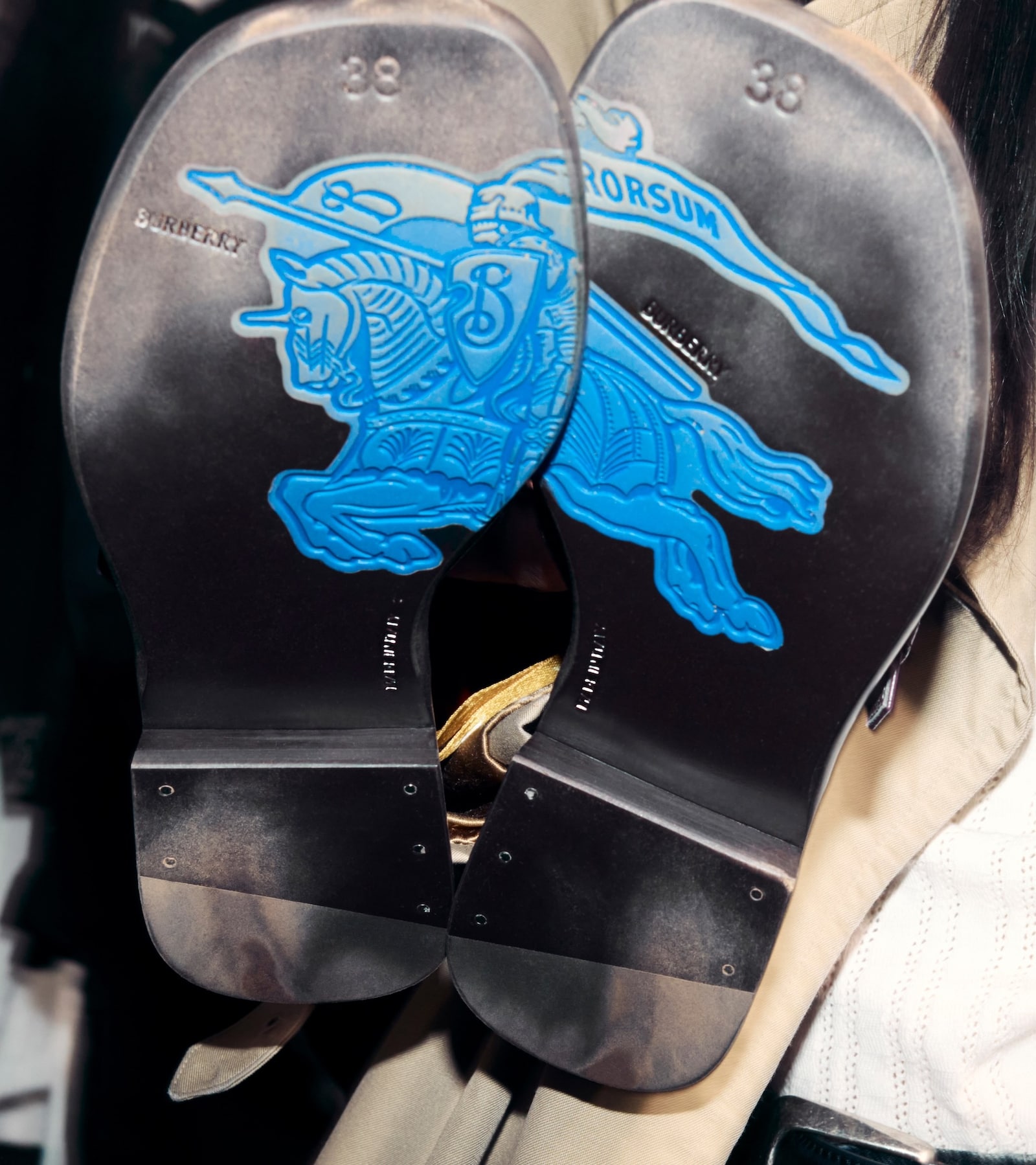
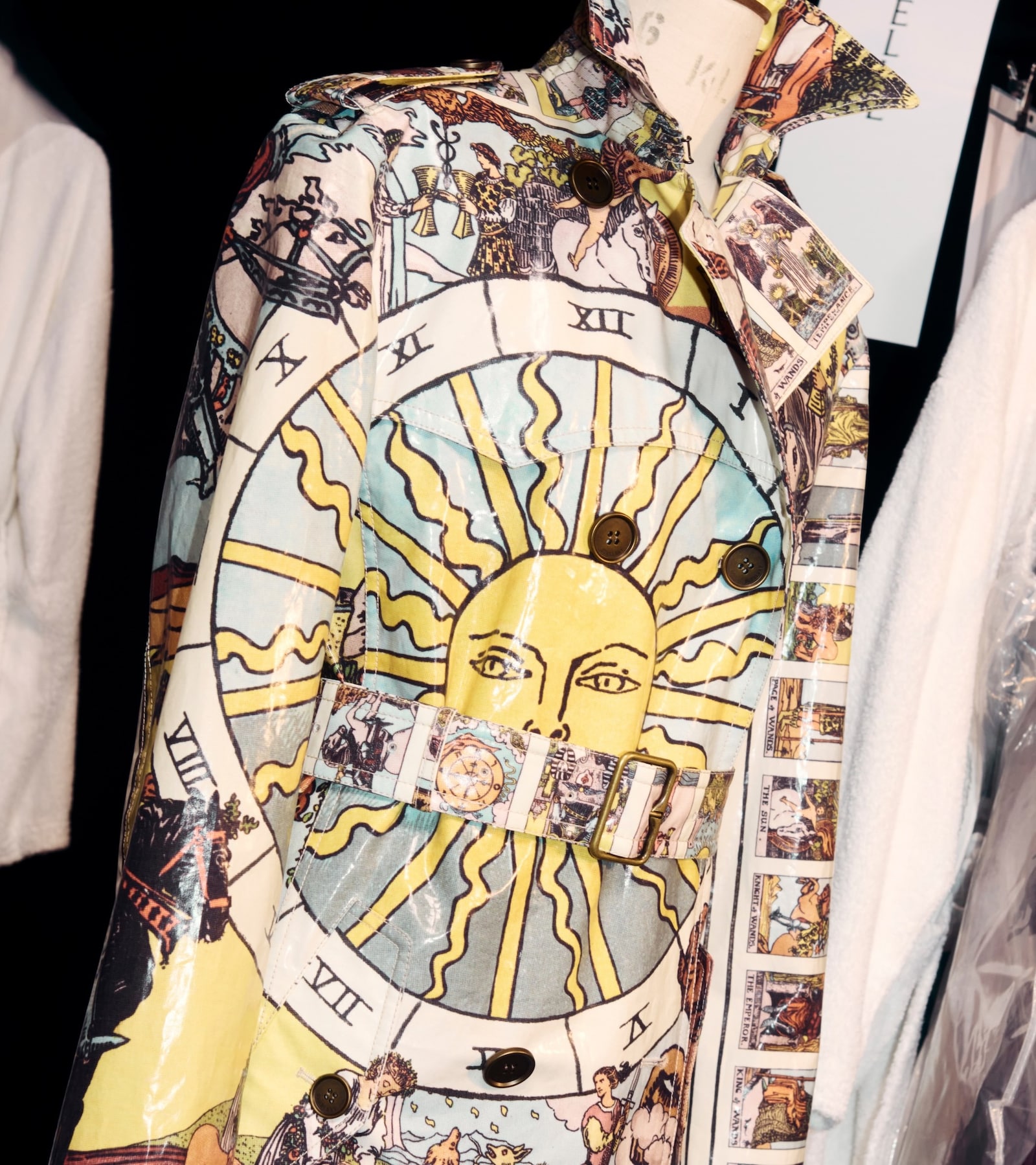
There was, of course, also plenty of Burberry simply marching to the beat of its own drum. The check was there – subtly recoloured – and denim was plasticised and waterproofed in a seeming homage to its signature gabardine (water-resistant yet breathable, the latter is great festival attire). There was also a segue into tarot card embroideries – namely, the blazing sun of the major arcana, a natty weather reference that resonated as truly Burberry. If you’re having your fortune told and that card turns up, it’s commonly associated with joy, success, vitality, and positivity. Burberry has just re-entered the FTSE 100, and its show was the highlight of London Fashion Week.
From a fashion perspective, what stuck out here was the focus on skinny – in tailoring, slender shifts, tightly belted coats. Lee is often credited as a tastemaker, an agent of change whose work has, in the past, shaken up and reset ideas of proportion and beauty – a marked measure of the impact of his tenure at Bottega Veneta. Perhaps, once again, he’s showing the direction the fashion winds are shifting. Let’s see if he’s played his cards right as we hit Milan.
