
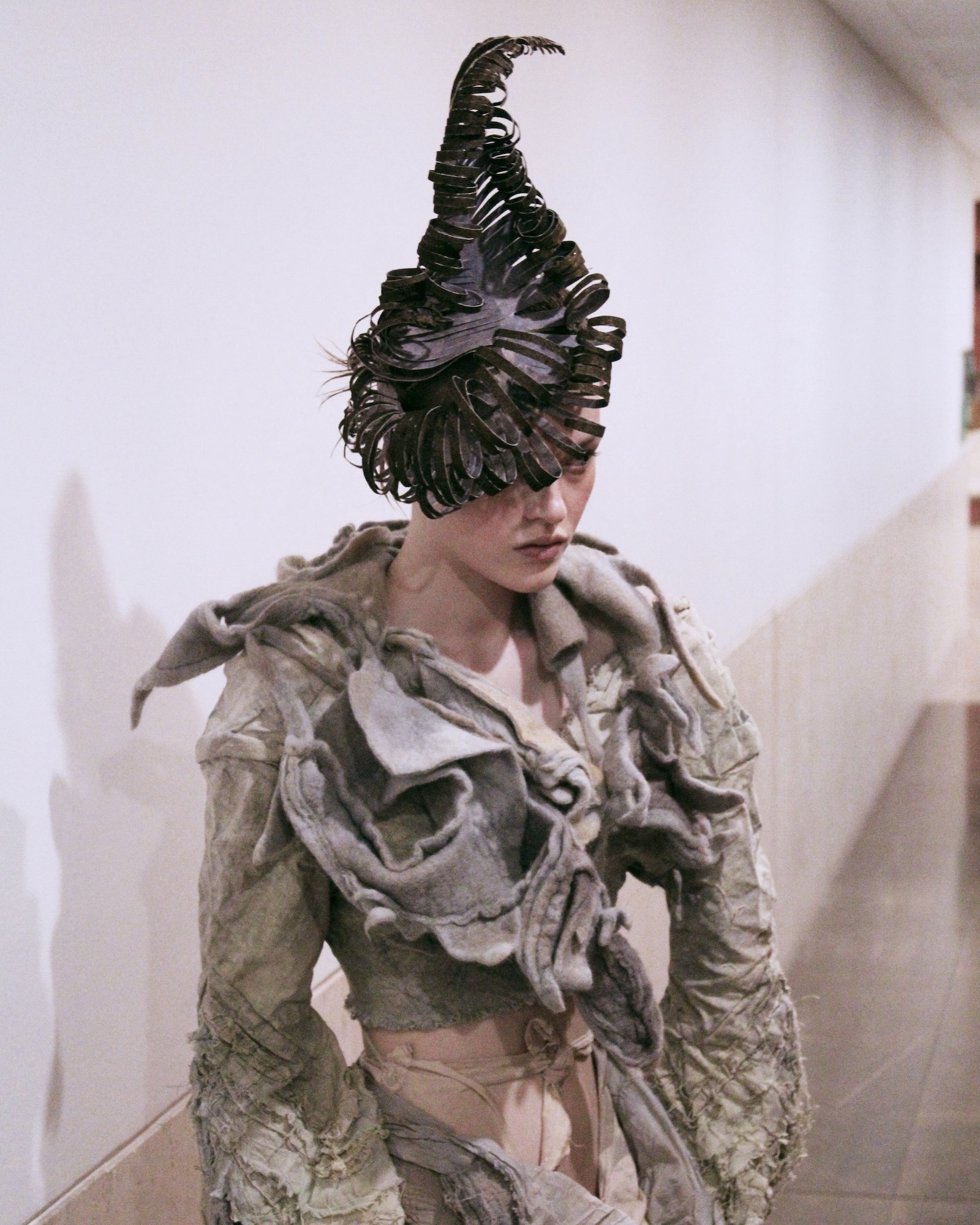
Paolo Carzana’s fingers were stained a deep navy ahead of his Spring/Summer 2026 show, the inevitable consequence of a practice that involves hand dyeing every garment. He works with tinctures brewed from vegetables and fruit, sometimes brushing them on in loose gestures, sometimes rinsing them through until the shade feels exact against his otherworldly silhouettes. Outside Smithfield Market, where his studio is housed with the help of the Paul Smith Foundation’s residency program, those fingers rolled plenty of cigarettes: hemp paper, biodegradable filter, organic tobacco.



It feels wrong to offer Carzana the label of ‘sustainable designer’. For him, ecological responsibility is less a talking point than a condition of working at all. Muslin is organic, padding is bamboo, dyes are coaxed from onion skins and turmeric. His clothes read both fragility and rigour and the insistence that to make something new is also to reckon with the world it enters.
For S/S26, Carzana named his collection The Last Pangolin on Earth. “I started with the idea of the supernatural,” he explains. “Not something far away, but something that already exists here. The Earth has these unbelievable creatures, these underwater cities of octopuses, or colours so bright you can’t believe they’re real.” The supernatural in his telling is inseparable from and threatened by the ecological crisis. He frames it less delicately in his press notes: “Mother Earth as the genius and humanity as the monster.”
Carzana watched David Attenborough’s ocean documentaries on repeat, absorbing their rhythm of despair and hope. “There’s always this moment where he takes you to the deepest, darkest, most devastating point,” he says, “but then there’s always a way out – resurrect, regenerate, change.” His collection attempts a similar sense of hope. The colours begin as the pallid whites of coral bleaching before reawakening, garment by garment, into an electric spectrum that insists upon survival.

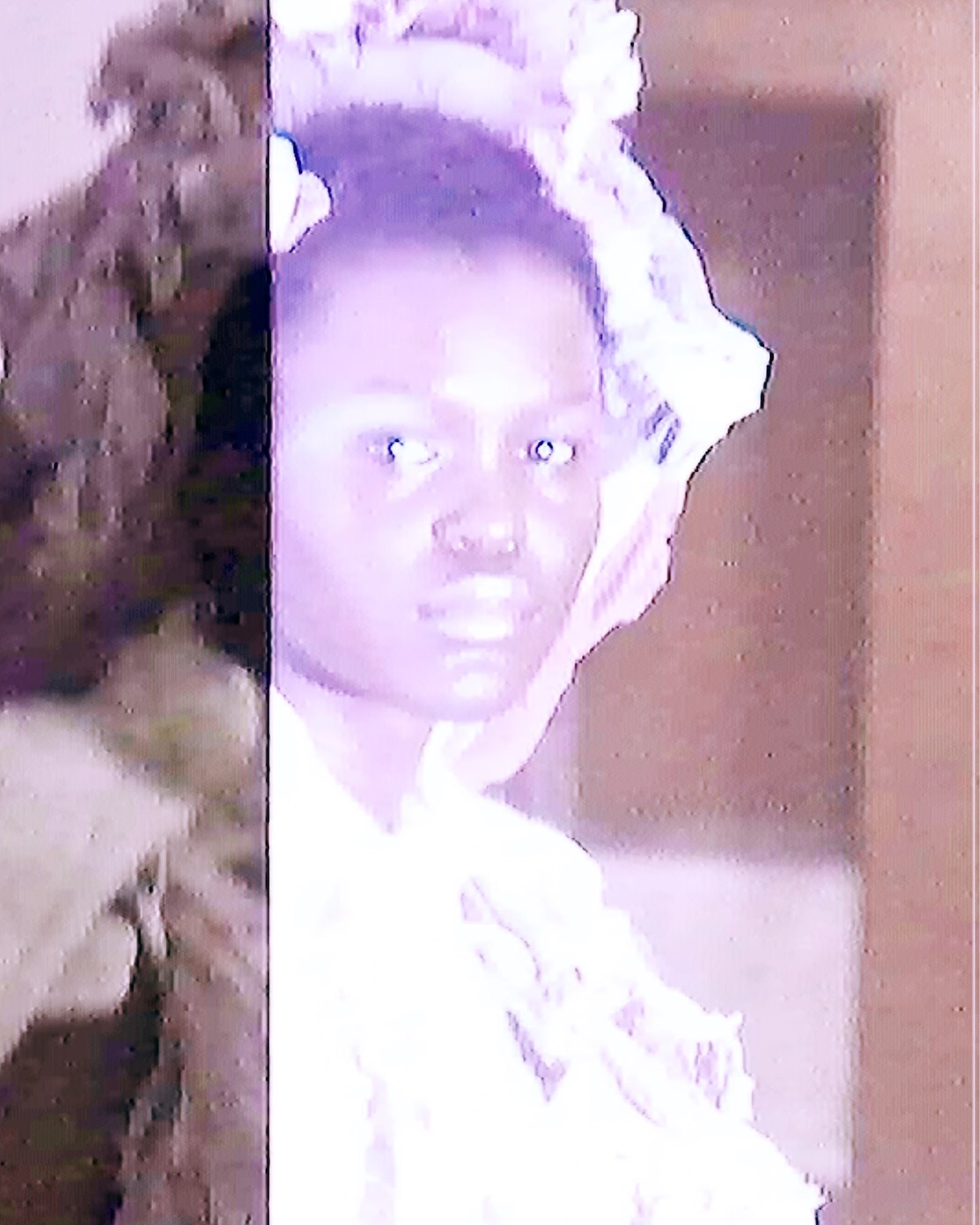

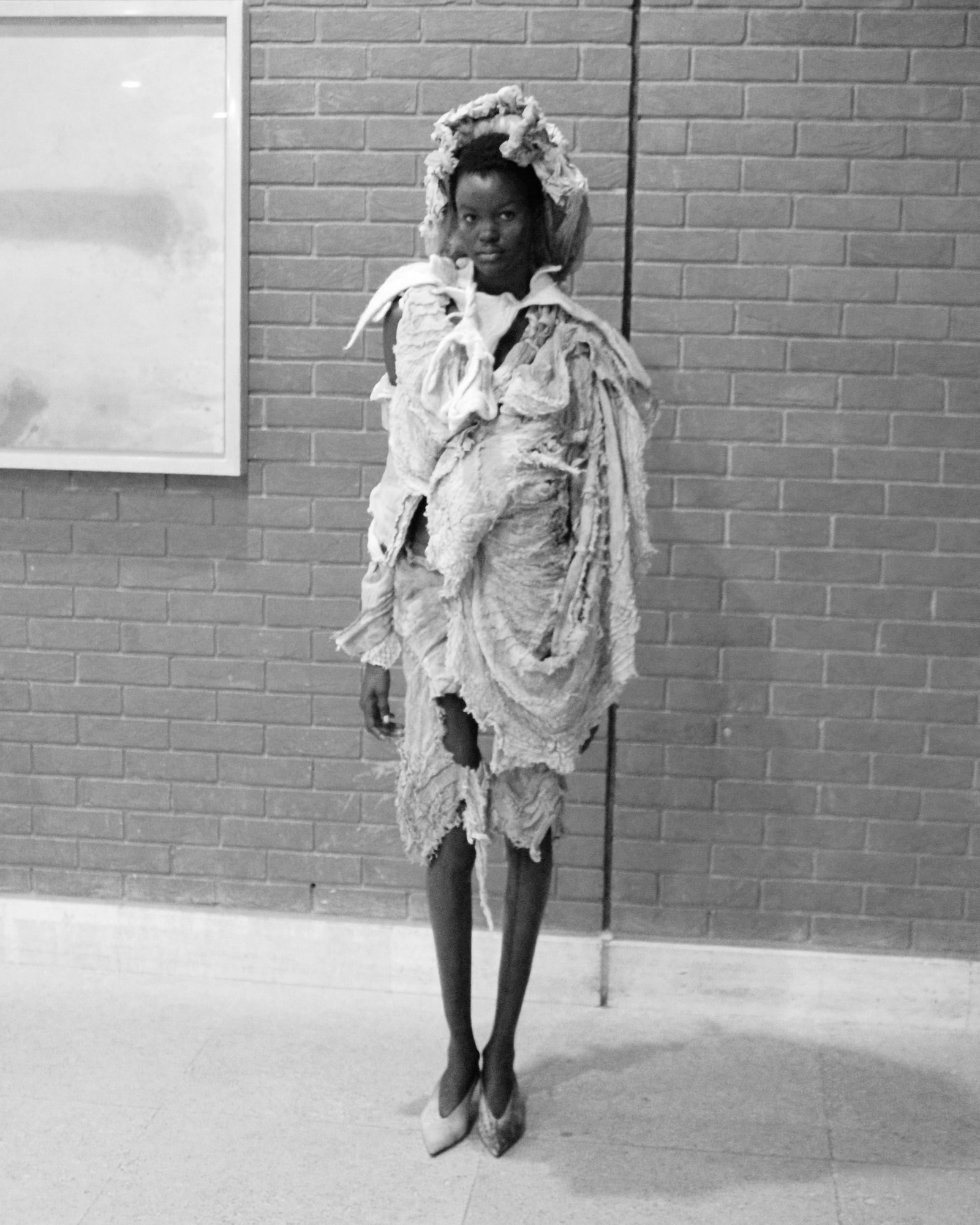
Those colours are produced by hand. Indigo, alkanet, pomegranate, seaweed, vinegar, lemon juice. Every shade mixed and painted directly onto cloth with small brushes, sometimes shifting mid-fabric through the mordanting process. “There’s one silk organza top where it moves from black into rust brown into purple, just through the mordant,” he says. “It’s all natural dyes, but I wanted to push them into this supernatural territory, to make them look almost synthetic while still being of the Earth.”
Many of his silhouettes are constructed around animals that appear in Carzana’s British Library research – endangered, extinct, or imagined creatures. The show itself took place in the Rare Books and Music Reading Room, a space whose architecture was designed to resemble a ship – an uncanny fit for a collection conceived as an underwater voyage. “As a vegan I’ve never worked with animals as inspiration. But then I thought, if we’re losing everything, isn’t it important to honour them? If I can be inspired by their textures and colours in an abstract way, maybe that’s meaningful.”
A sleeve textured with scales recalls the armour of a pangolin; a headpiece of rag paper cut into feathers references birds; chiffon folds fall like translucent fish fins. The crumpled effect is intentional. Every piece is carefully sewn, often with French seams, and then hand dyed to create shifting dimensions of colour and texture. The rough edges, he insists, are not improvisation but a way of revealing the cloth’s beauty after it has been transformed by dye.

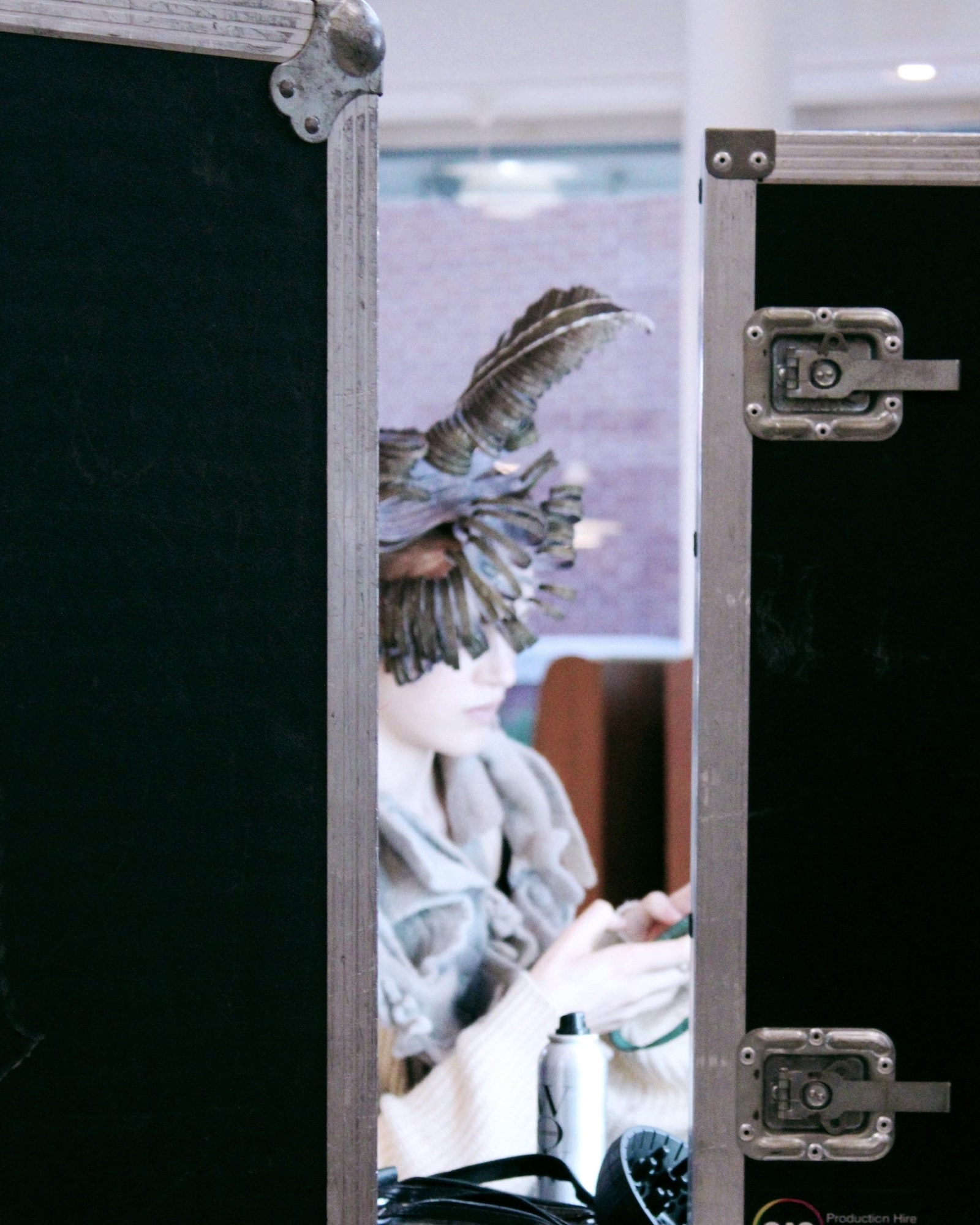

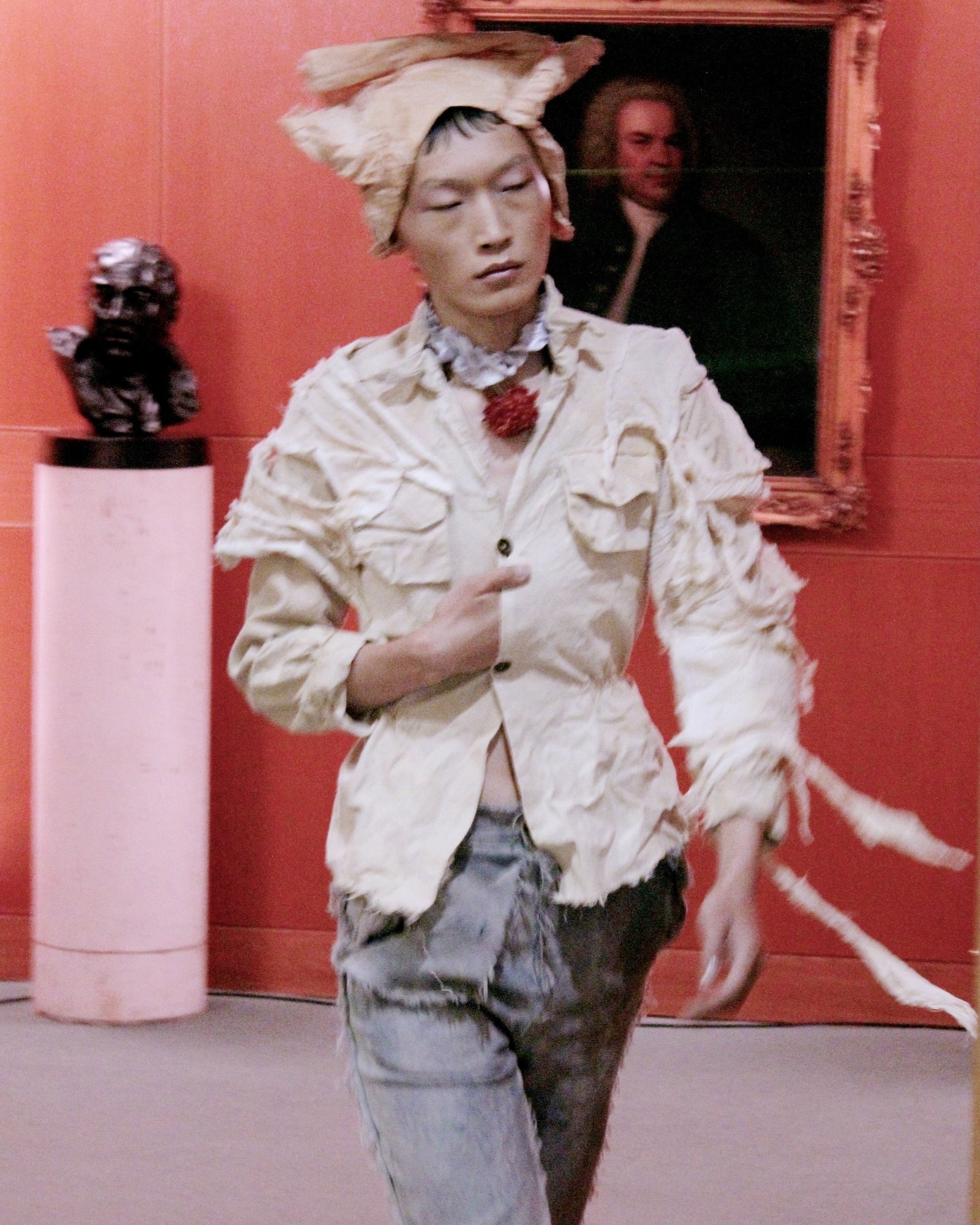
“I’m building a house slowly, brick by brick. What I’m interested in is value, work that’s in harmony with nature. Why should we compromise on that? Why do we call something luxury if it involves exploitation? That’s not luxury, and it’s not the future,” he says, but the house he imagines is not metaphorical. Students help in the final weeks, mentors from the Sarabande and Paul Smith Foundations check in, collaborators like Nasir Mazhar contribute headwear. But mostly for now, the work begins with his hands: fingers stained, cloth brushed, behind a sewing machine. There is a spirituality to it. Carzana is laughing as he describes moments of uncanny guidance – a wasp that appeared daily in his studio as he was searching for a collection title, tapping against the window when he spoke of it. “A lot of times things feel like miracles to me,” he admits. “It feels impossible that there isn’t some force of nature behind it.”
That spirituality and self-reflection guides his new collection and entire practice to date. There’s a reason that there aren’t any other designers on the schedule designing pieces that look like his, who reference his references, eschew commerciality in this tricky financial climate. But it reminds us, as Carzana does, that the supernatural is already here in fragile ecologies and impossible colours, in creatures fighting to survive. The question is whether we will listen and whether there will be anything left to honour.
