Traditional Chinese Medicine has shaped health and skincare for thousands of years. Now, its philosophies of balance, self-cultivation and time-tested botanicals are finding their place in modern beauty routines
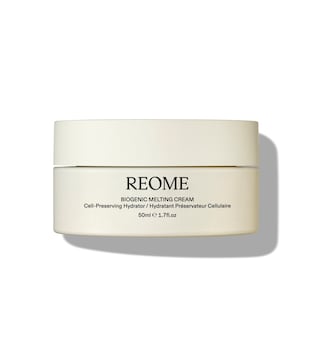
The Western beauty and wellness industry has long drawn inspiration from ancient healing practices – sometimes reverently, but often in ways that strip them of context. Traditional Chinese Medicine (TCM) is no exception. Cosmetic acupuncture, often dubbed “nature’s Botox,” has been on boutique spa menus for years, while jade rollers and gua shas remain beloved – and frequently misused – by TikTokers around the world. “The high point of gua sha was probably around 2021, 2022,” says Joanna Ellner, acupuncturist and founder of new skincare brand Reome. “At one point, I couldn’t go a day without seeing a video of someone using it completely the wrong way.“
But the last few years have marked a more substantive shift towards TCM, with many people feeling drawn to its broader philosophy of balance and holistic care, as well as its effective botanicals, refined over centuries. Google has seen a steady rise in searches for classic TCM ingredients like tremella, mugwort and ginseng over the last 12 months, while the market for TCM skincare products is projected to double by 2033, outpacing growth in the wider beauty sector. So what makes it so good, and why are we turning to it now? “No system of medicine survives more than 4,000 years unless it’s inherently efficacious,” adds Ellner. “It works, but it is also so sophisticated.”
What is the TCM approach to beauty?
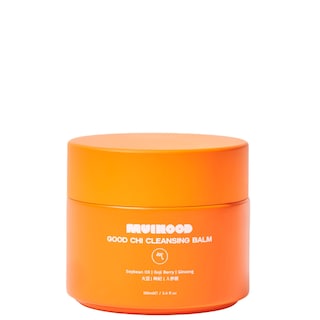
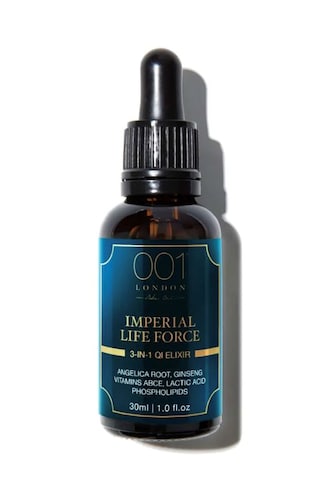
At its core, TCM sees the skin as a reflection of the whole body. Where Western skincare often targets symptoms – like breakouts, dryness or pigmentation – TCM looks at the overall balance of your body’s underlying energy, known as qi. “When qi is flowing, you feel healthy and your skin looks vibrant,” explains Charlotte Yau, founder of TCM-inspired skincare line Muihood. “When qi is blocked, you see dullness, breakouts, fatigue.” In other words, sleep disruptions, stress, anxiety, poor diet, even heartache and grief, can all show up on the skin. “In TCM, identifying the root cause and triggers is just as important as treating the local skin areas,” says Ada Ooi, Chinese Medicine practitioner and founder of 001 London.

Unlike the Western approach to beauty, TCM isn’t focused on tweakments and quick fixes. It is about prevention, enacted through daily routine and the steady pursuit of balance. To settle qi and keep it flowing smoothly, people might consult a licensed Chinese medicine practitioner, see an acupuncturist, take herbal blends or practise yang sheng (literally “nourishing life,” a philosophy of self-cultivation through everyday habits). “Yang sheng can show up in many different ways, like qi gong, yoga, pilates, or even painting or reading a book,” says Ellner. “I would describe it as something that busies the hands and quiets the mind, that you can do in a repetitive motion every day.” Skincare, she adds, is a potentially good example. “For many Western women, it’s the only moment of the day that’s purely for them.”
What are the key ingredients?
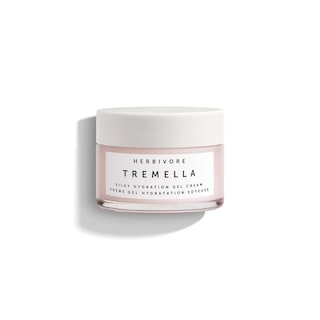
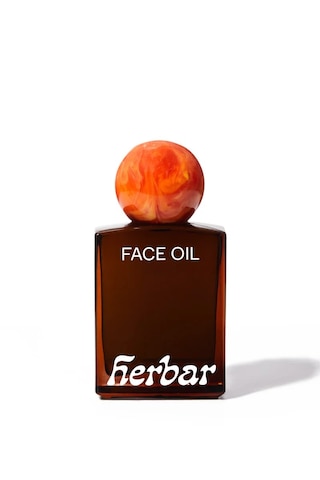
While it’s reductive to talk only about ingredients in TCM, there’s no denying the efficacy of the botanicals themselves. Ingredients like tremella (a natural hydrator that may be “more effective” than hyaluronic acid), ginseng (a circulation-boosting antioxidant), licorice root (brightening, anti-inflammatory), and mugwort (for menstrual discomfort and sensitive skin) have been used for centuries in China, and are now turning up in serums, supplements and masks worldwide. “Just like vitamin C or lactic acid, ginseng, tremella and licorice are backed both by modern research and centuries of real-life results,” says Ooi. “In ancient China, if formulas didn’t work, the consequences could be fatal – that pressure meant ingredients had to be both effective and safe.” Other mushrooms used in TCM, like Turkey Tail, Poria, Chaga and Split Gill, are equally potent for skin health, and formulated to great effect by brands like Herbar (you can read their guide here).
What should you buy?
Chinese medicine is an intricate, sophisticated system, but it can easily be exoticised or reduced to aesthetics. If you’re not sure where to start, brands like 001 London, Reome and Yina are founded by licensed practitioners, while others like Muihood, OMAD, Mount Lai, Herbar and NOOCI all work closely with experts or have Chinese founders who grew up around the practice. “Consumers should look for brands that have a genuine connection to the tradition – do they educate about why an ingredient is used? Do they work with TCM practitioners? Do they respect its cultural context?” says Yau. “I don’t want TCM to be watered down, I want people to understand its depth while still making it accessible.” It’s also worth noting that every person is different – if you want to find out what needs balancing in your body, your best bet is to go to a licensed TCM doctor or acupuncturist.

Tips for getting started
So where should you start if you’re curious? For Ooi, the gateway is tending not just to the skin but to the spirit. “If someone is curious, begin with the spirit (Shen). A simple ritual like our Relax Acu-Patch can calm the nervous system, ease tension and boost radiance.” She also swears by the basics: “A warm foot soak is medicine for both body and mind.” And her personal favourite ingredient? “Licorice root – I drink it as tea, and it calms both my skin and nervous system.”
Yau also agrees that small steps are best: “The best way to approach TCM is through small rituals. Mugwort baths to calm the body and circulation, five minutes of gua sha to move qi, rice water for hydration.”
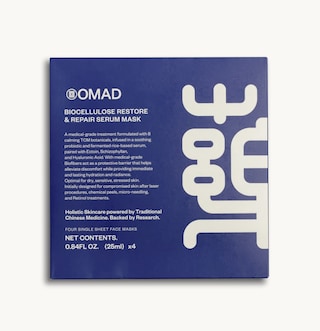
Ze Yan of OMAD, a breakout beauty brand focused on merging TCM wisdom with modern science, suggests looking to the rhythms of nature: “The easiest way into TCM beauty is through personalisation and seasonality. Let the 24 micro-seasons guide you. And start with licorice root – gentle, effective, and beginner-friendly.” As for their own non-negotiable? “I can’t live without acupuncture – it resets my skin and my nervous system.”