
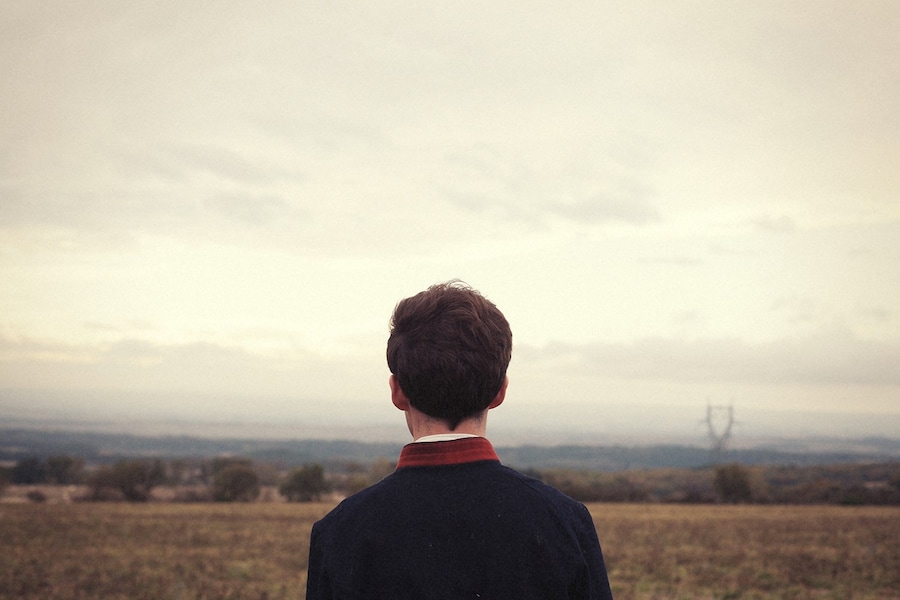
The British director reveals the potent symbolism behind his sumptuously shot coming-of-age drama
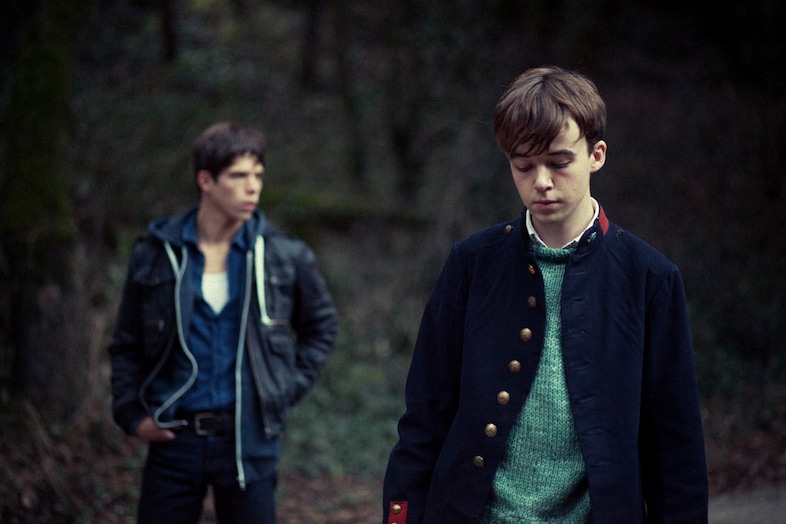
In the autumn of 2009, British writer and director Andrew Steggall was staying with some friends at their beautiful house in rural France, surrounded by forests and rambling fields, when he was struck by an idea. "I was walking up to the reservoir near the house when the whole thing came together in my head: the idea for a story about a son and a mother, both of whom were going through a kind of transition from one version of their lives to another. I was intrigued by the thought of them anticipating that transition subconsciously, and seeking it out while almost being fearful of it." He began drafting a script for what would become his first feature-length film, fleshing out the two main characters – Elliot, a gay 15-year-old, with great intellectual ambitions and equal amounts of teenage self-indulgence; and Beatrice, his mother, repressed and unfulfilled in her marriage and life in general. Five years later – following the usual kerfuffle that surrounds getting a debut film off the ground, from endless funding applications to the hunt for private equity – Steggall found himself back at the house in France, cast and crew in tow, shooting the film in the verdant surroundings that had inspired it.
The resulting movie, titled Departure and featuring rising star Alex Lawther as Elliot and veteran actress Juliet Stevenson as Beatrice, hits screens this week. It is an exceptionally beautiful film, with every colour, texture and prop serving to enhance the natural beauty of the location, drenched as it is in low autumn sunlight. This sublime visual melancholy is the perfect backdrop for the quietly impactive storyline, which follows son and mother as they struggle to overcome the burden of their current circumstances – from Elliot's burgeoning desire for his new friend, the nonchalant (and distinctly muscular) Clement, to Beatrice's longing to relocate her former, carefree self – while being forced to evaluate their own relationship along the way. Here, ahead of the film's UK launch, we sit down with Steggall (who will be marrying his partner in the very same French village next year) to discover more about his inspirations and aspirations for the film.

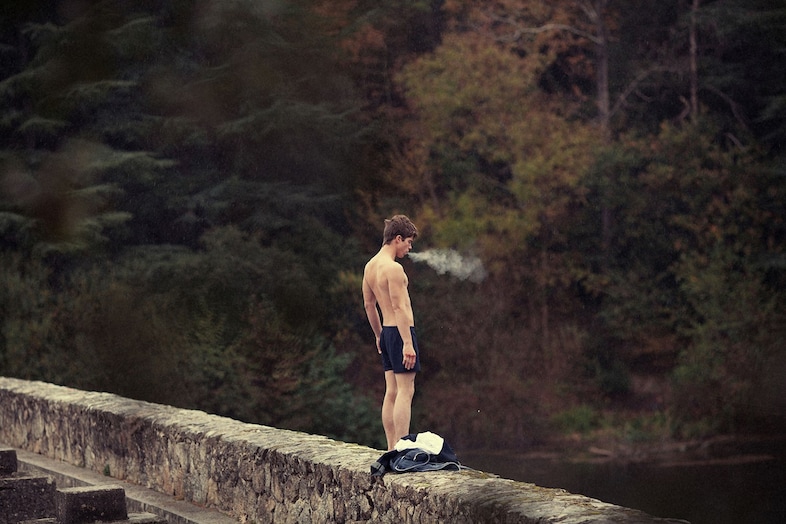
On the location...
"Being able to shoot the film in the location where I'd imagined it taking place lent it a geographical integrity that was really important. I had created scenes in response to rooms in the house, the river next it and the forest that surrounds it, as well as the reservoir higher up the hill. I got to know the village while shooting and they all came on board and supported the film – the farmers, the mayor!"
On the film's symbolism...
"I think that that landscape, with all the Freudian motifs – the forest of the unconscious, the water expressing sexuality and danger, and then, more particularly, the reservoir expressing death and change and consequently rebirth – felt really potent. It was expressive of something which underscored what I was trying to explore in the film. And not long before that, I’d see the opera Rusalka by Dvořák, which is the story of a water nymph who yearns to be human; she sees a prince out hunting a deer with a bow and arrow and falls in love with him. It’s all very complicated, but she sings to the moon a wish to be made human so that she can be physically embraced and loved by the prince. That feeling of yearning and longing to be recognised as a physical being is what I really felt Beatrice and Elliot shared. And so the most famous aria from the opera, the song to the moon, is what we used to accompany the climax of the film."

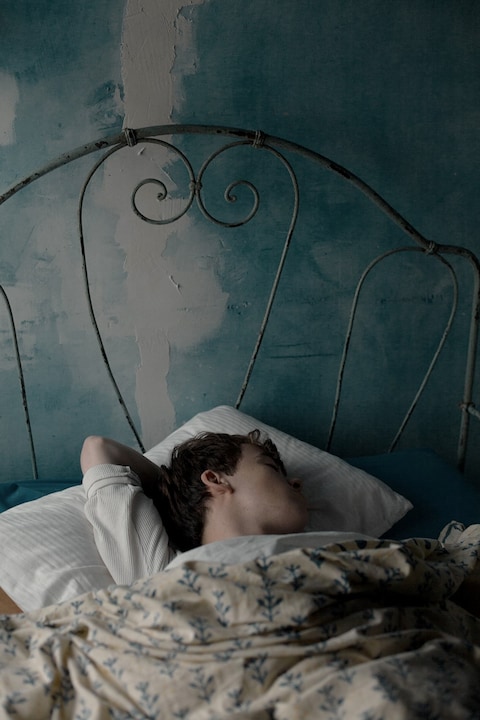
On finding his Elliot...
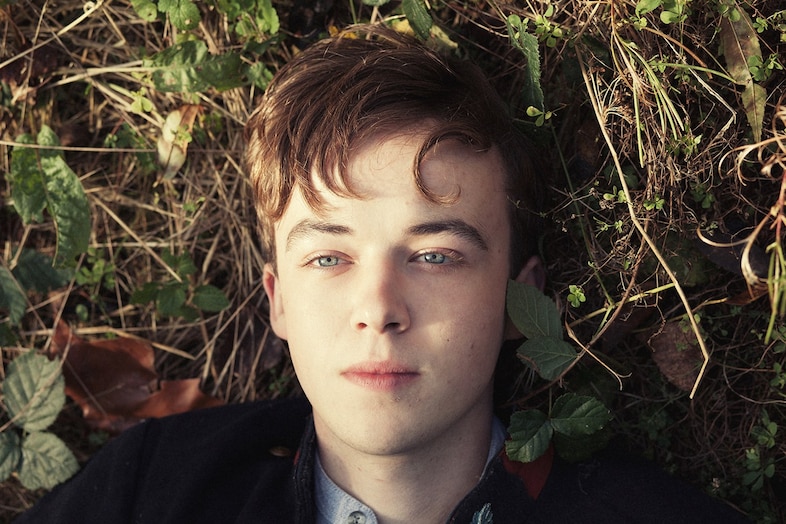
"I had seen Alex Lawther in a play in the West End when he was 17 and I had approached him at the stage door. A couple of years later, having secured the money for the film and auditioned other actors, I came back to Alex. He was about to shoot X + Y in Taiwan, so I went down to his hometown and he was sitting waiting for me at the train station in a duffle coat, reading Camus, and I thought, ‘that’s my Elliot’. At that point he was 18 or 19, so he was more grown up than Elliot but he shared his thoughtfulness and intellectual aspiration. Elliot is caught up in the clumsiness of being not quite a man and not quite boy, and it manifests itself through his unpleasantness towards his mother and the artlessness of his seduction of Clement. Alex had grown past that stage, if he ever went through one, but he was able to convey that really brilliantly in the film. He has a sort of translucency that you can read in his face, and so does Juliet; they’re telling the story constantly through the vulnerability that their faces and bodies convey, which is something you can’t teach."

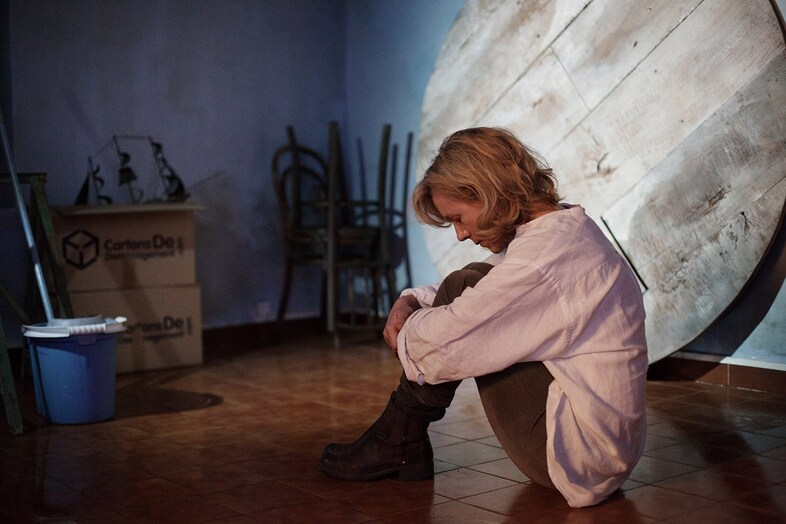
On the importance of details...
"I wanted to create not a magical realist, but an expressive environment where the inside of the house would feel almost underwater, so we painted the walls with a mixture of egg powder and milk powder paint to create a subaqueous effect. I’d hope you wouldn’t directly notice it, but I spent but two or three years of collecting bits of glassware from junk shops, which we could shoot to capture the light and create the impression of bubbles. And there’s a table in the film, which is round and pale, that we’d made to look like a moon. It leans against the wall when Beatrice is finally mopping the floors, and is an echo of the moon at the opening of the film. So all the costumes and props, and the textures and the patterns of the film were really thought out.
We didn’t have a production designer, so it was me being quite controlling, working with a great DOP and a great design team. There was talk of shooting in spring at one stage, which I then had to work hard to put people off because I wanted an autumn shoot – it’s called departure not arrival, it’s about the end of something. I wanted that melancholy of the autumnal colours and the feeling of the end of the year."

On the coming-of-age stories that inspired him...
"Les Quatre Cents Coups by Truffaut, Le Souffle by Damien Odoul, Wild Reeds by André Téchiné, and also My Summer of Love by Pawel Pawlikowski – they were very present in my head while I was writing. Also some more recent films like North Sea Texas by Bavo Defurne, a Belgian director. I went to meet him in the process of making this.
My favourite film when I was a teenager was Dead Poets Society – it has an autumn feel, I was always moved by that. Then I’ve read lots of coming out, coming-of-age fiction; there’s one particularly poignant one called In Youth is Pleasure by Denton Welch. And then there's Ted Hughes’s translation of Ovid’s Metamorphosis – for that feeling of transformation in the forest, from one form to another. The film opens with the Narcissus image of Eliot in the mirror, then finally sees him entering the reflective surface of the reservoir when he has overcome his narcissism."

On the film's lasting impression...
"I’ve been to festivals and screenings and all the people who liked it and made a point of expressing that to me have all indicated explicitly or implicitly said that they recognised something in the narrative or characters. Whether that's because it directly correlated with their experience or because it resonated with them more distantly. I think the more people recognise something in the particularities and idiosyncrasies of the characters, the more they tend to embrace and be moved by them. So the more people for whom there’s a feeling of recognition, the better."
Departure is in cinemas from May 20, 2016.
