
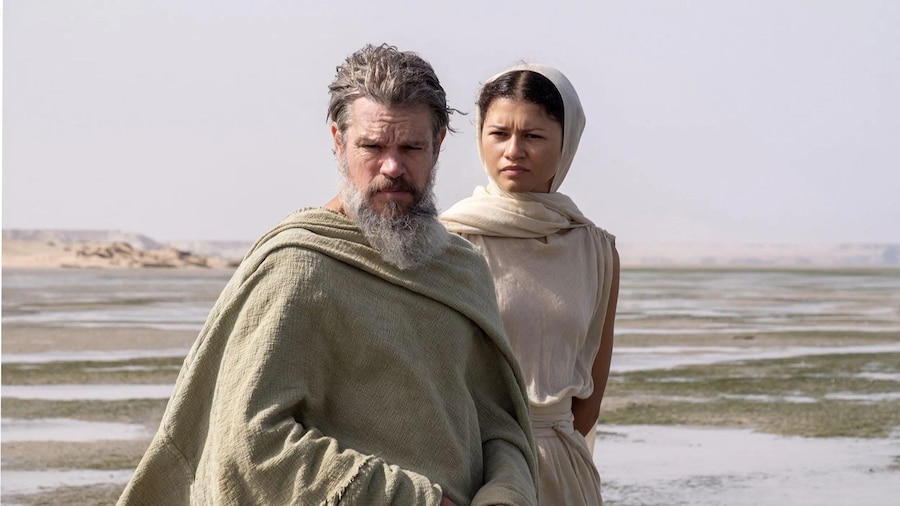
As Christopher Nolan’s The Odyssey sails into cinemas, we uncover the films that find fresh and surprising ways to play with Greek mythology
Stories, like the deities and demigods that define the mythology of ancient Greece, are immortal. But it’s a curious fact that, while the Roman sword-and-sandal flick has long been a part of Hollywood’s repertoire, Greek epics are altogether harder to come by. Director Christopher Nolan has cited this gap as a motivating force in his decision to bring Homer’s epic poem The Odyssey to the screen. But Homer’s telling of the story is just a surviving relic from an oral tradition spanning a thousand years of ancient Greek culture. Just as each narrator would have brought their own slant to the material with their own particular audience in mind, filmmakers have been borrowing story beats and archetypes from Greek mythology since the dawn of cinema – they just don’t always advertise it that way.
Before you take to the seas with Christopher Nolan’s The Odyssey, here are five Greek myth-inspired films to start you on your journey.

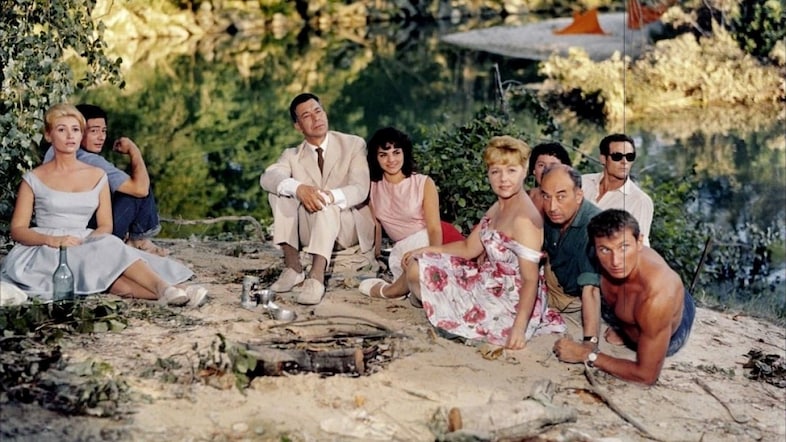
Picnic on the Grass (1958)
Jean Renoir’s satirical comedy doesn’t take its cues from any one Greek myth in particular, but instead draws on demigod archetypes to expose the fallacies of enlightenment rationalism. In a nod to Pan, from which we derive the word “panic”, an old goatherd named Gaspard wreaks havoc by playing his flute among a group of biologists and journalists pompously holding forth on science and politics, reminding them there is more to life than logic. In the uproar that follows, Etienne sees his nymph-like servant girl come back from a spot of skinny-dipping in the lake, and nature takes its course in this late-period gem from the French master.

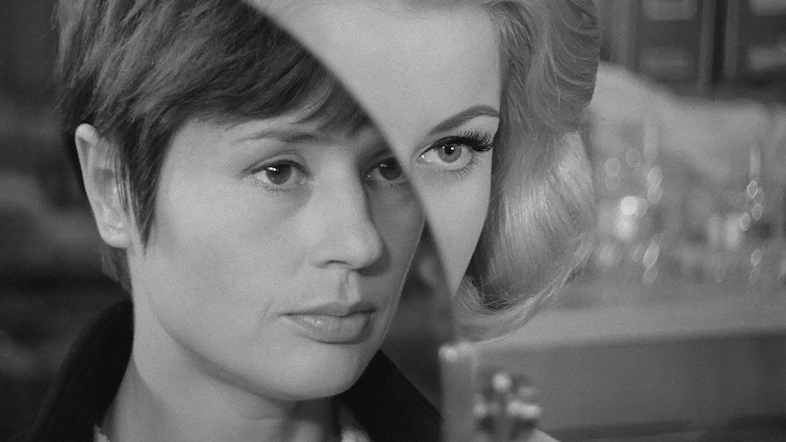
The Girls (1968)
Aristophanes’ play Lysistrata depicts a group of women abstaining from sex with their husbands in an attempt to end the Peloponnesian war, inventing the femcel 2,000 years before contemporary culture decided to run with it. Skip forward a few centuries to 1960s Sweden, and Mai Zetterling’s The Girls places three actresses – Liz Lindstrand (Bibi Andersson), Marianne (Harriet Andersson) and Gunilla (Gunnel Lindblom) – on tour with the play. Drawn to its themes, the trio reflect on how they themselves want to influence the world and the roles that men play in their lives in this striking drama, unfairly maligned on release despite praise from Simone de Beauvoir, who called it the best film ever directed by a woman.

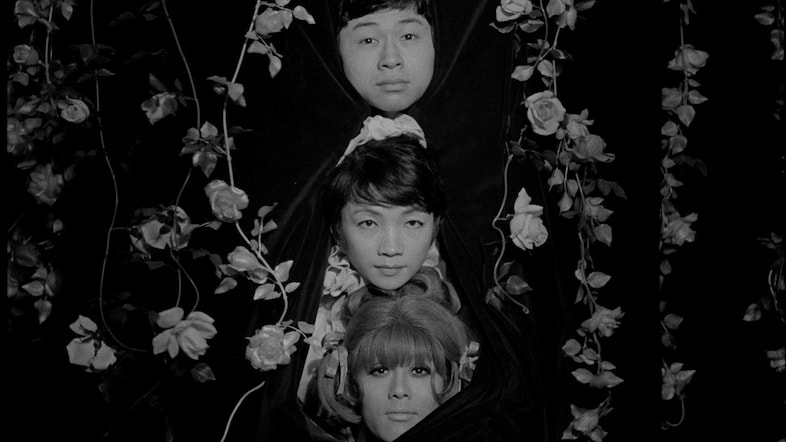
Funeral Parade of Roses (1969)
A pillar of Japanese new wave film, Toshi Matsumoto brings the ancient Greek play Oedipus Rex to the underground queer scene of 1960s Tokyo in Funeral Parade of Roses. Nightlife, violence and lust fuel the nonlinear narrative in this cult landmark of LGBTQ+ cinema, which casts trans bar hostess Eddie as a latter-day Oedipus, the tragic king whose colourful family life gave the Freudian complex its name. In this avant-garde telling of the story it’s Eddie’s biological father, not his mother, that he sleeps with unknowingly – though the outcome is just as painful.

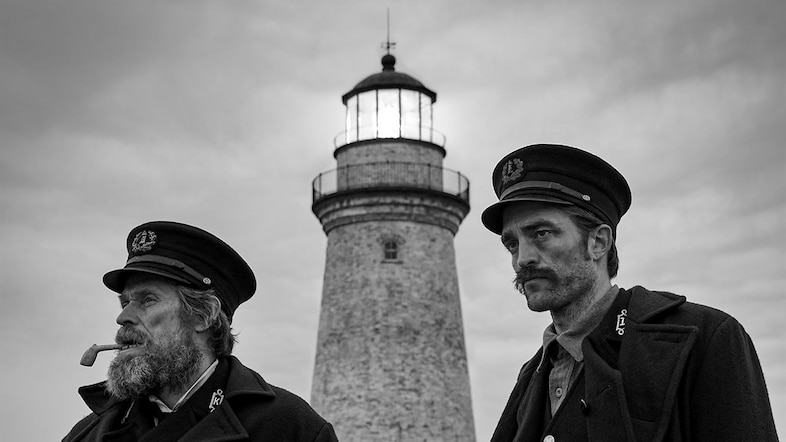
The Lighthouse (2019)
Before filmmaker Robert Eggers took on vampires and werewolves, he gave us this moody and outlandish spin on the legend of Prometheus. Ephraim Winslow (Robert Pattinson) and Thomas Wake (Willem Dafoe, perfectly mad) drink and make merry and argue and fart as “wickies” working on a lighthouse in remote 19th-century New England. Soon the repetitive nature of the job threatens to send them under, as they find themselves lashed to this godforsaken rock just as Prometheus was bound to his rock as punishment from Zeus.

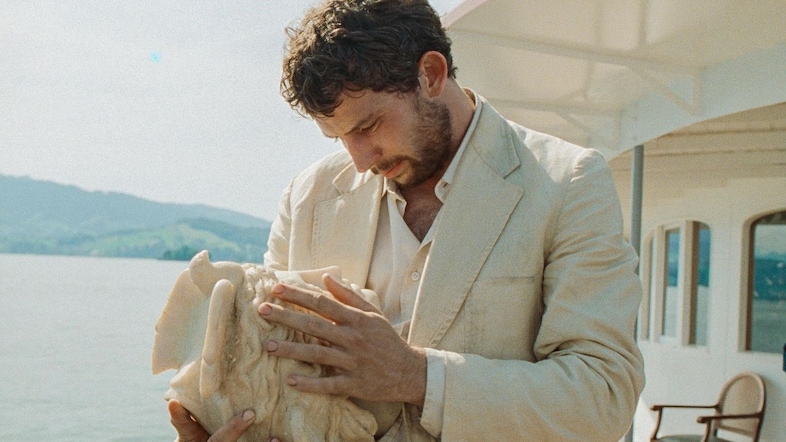
La Chimera (2023)
The past bleeds into the present in Alice Rohrwacher’s sun-drenched tale of a group of grave robbers hunting for treasures in rural Italy. Josh O’Connor plays Englishman Arthur, a lovelorn archaeologist in a scuffed white suit who knows that this work is beneath him. Only he is compelled to keep digging, not for treasures made of clay or bronze, but for one at the end of a string: his lost love, who vanished without trace some time ago. The red thread he keeps seeing evokes the myth of Ariadne, who used a ball of twine to help the hero Theseus navigate the Minotaur’s labyrinth. But in truth it’s Orpheus, the grieving poet who goes to the underworld in search of his dead lover, Eurydice, that Arthur most closely resembles.
