
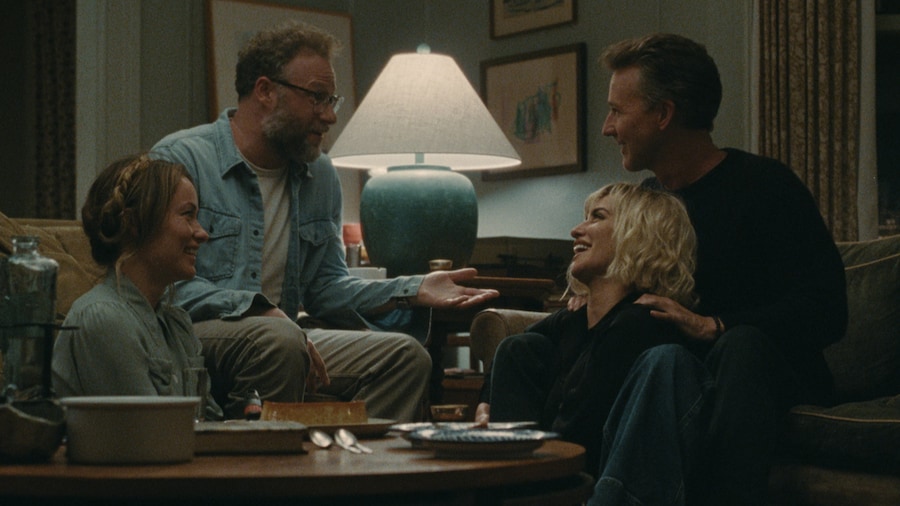
Olivia Wilde brings a couples’ soiree to the brink of disaster in her daring new comedy The Invite – here, we trace the time-honoured link between farce and fine dining in cinema
In Olivia Wilde’s The Invite, a constantly bickering couple invite their neighbours, who can’t keep their hands off each other, for dinner. Wilde’s script subtly and effectively peels back the layers of these four characters (played by herself, Seth Rogen, Ed Norton and Penelope Cruz), and what was supposed to be a standard dinner turns into a night far stranger – and far sexier. It affirms a cinematic tradition: there’s truly something special about a dinner party.
The get-together has long been a source of fascination to filmmakers, with films like Dinner at Eight (1933) and The Rules of the Game (1939) using them as a jumping-off point for disaster. In your typical dinner party film, polite chit-chat reveals subtle dynamics at play before verbal jousting ensues, and complete and utter chaos takes over. Dinner parties have featured in comedy, horror, science fiction and more, as filmmakers use elaborate dining to unearth long-lasting rivalries, bring forth new conflicts, and throw everyone – audiences included – for a loop.
With The Invite bringing the dinner party back into cinemas this week, it’s the perfect opportunity to sit down, relax and be served up a slice of cinema’s dinner party history.

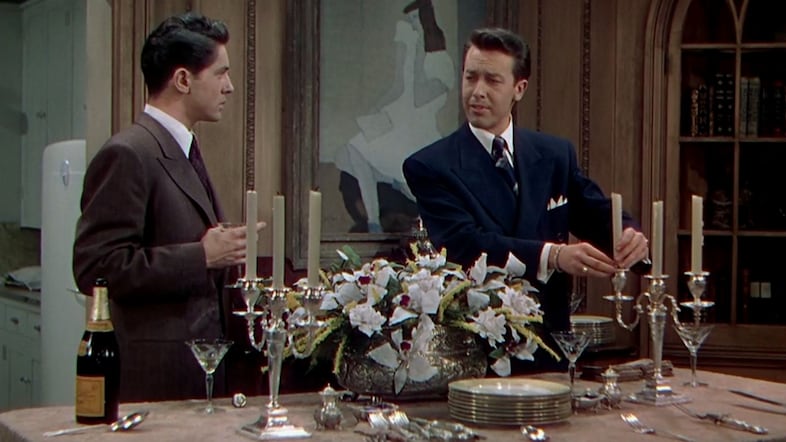
Rope (1948)
How do you celebrate pulling off the perfect murder? How about throwing a dinner party full of the victim’s friends and family? That’s precisely what Brandon (John Dall) and Phillip (Farley Granger) do in Alfred Hitchcock’s Rope. The 1948 thriller is edited to feel like one continuous shot, giving Hitchcock’s sustained tension an extra boost.
It’s also loaded with queer subtext; Patrick Hamilton’s original play portrays Brandon and Phillip as being in a relationship, and while the Hays Code prevented them from being so in the film, there’s plenty of homosexual intrigue brimming below the surface. Dinner parties are often cinema’s set up for having things go awry. Rope does the opposite, using it to shroud the chaos that’s already occurred.

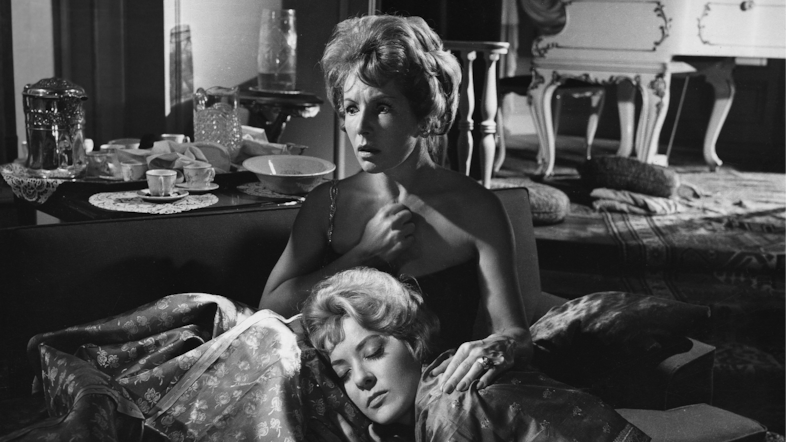
The Exterminating Angel (1962)
The concept of Luis Buñuel’s The Exterminating Angel is a straightforward one: exceptionally rich folks attend an extravagant dinner party, but when it ends, the guests find themselves inexplicably unable to leave. In cinema’s most scathing critique of the bourgeois (a common theme in Buñuel’s work), those who so willingly cackled at a stumbling servant or a chained bear become stripped down to their most carnal, animalistic states.
Buñuel was a master provocateur – his 1930 film L’Age D’Ôr was banned in multiple nations for its critiques of the Catholic church. In many ways, The Exterminating Angel is even more shocking. The filmmaker masterfully uses the setup of a dinner party to unravel the ruling class, both mentally and physically.

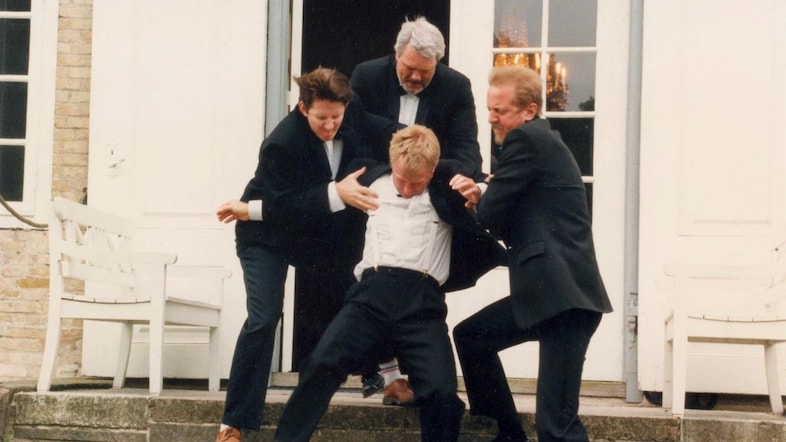
Festen (1998)
If there’s one rule of dinner party cinema, it’s that what should be a cause for celebration ends up being anything but. That’s certainly true of Thomas Vinterberg’s Festen, which sees a Danish town’s elite come together to toast the 60th birthday of businessman Helge (Henning Moirtzen). The merriment comes to a quick end when Helge’s children reveal something that threatens to shatter the family’s foundation.
And yet, the party continues. Vinterberg’s film is a tragicomic examination of collective denial that pressure-tests how societal power structures exist to prop up those at the top. The first film in the Dogme 95 movement, which demanded on-location filming, handheld camera work and no extra lighting or effects, Festen is a waking nightmare you can’t look away from.

Gosford Park (2001)
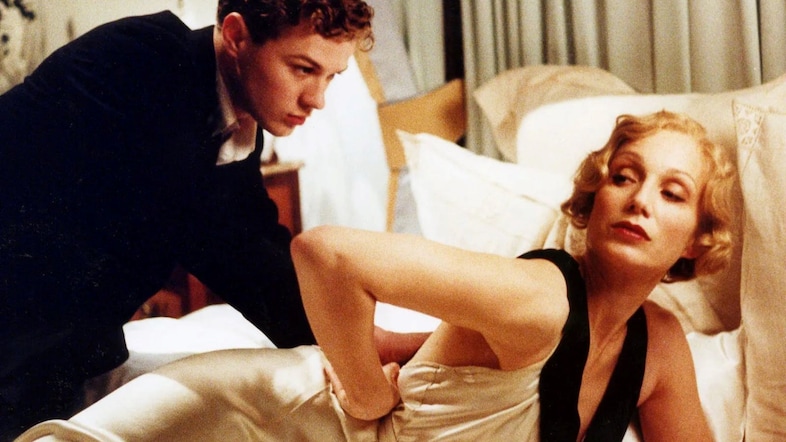
Dinner party movies naturally tend to laser in on a small group, but Robert Altman’s Gosford Park features a sprawling ensemble of characters who come together for a shooting weekend at the titular English country home. Written by Julian Fellowes (who would later change the landscape of television with Downton Abbey), the film weaves together a murder mystery with pointed critique of the British class system of the early 20th century. It’s also inspired by one of the all-time great dinner party movies, Jean Renoir’s The Rules of the Game.
Fellowes’ script uses the conceit of a dinner party not for jaw-dropping reveals, but to delicately reveal the layers of these complicated characters while highlighting the importance of class, peppering in red herrings to keep the viewer on their toes. Gosford Park overflows with witty barbed dialogue like a bottle of popped champagne.

Between the Temples (2024)
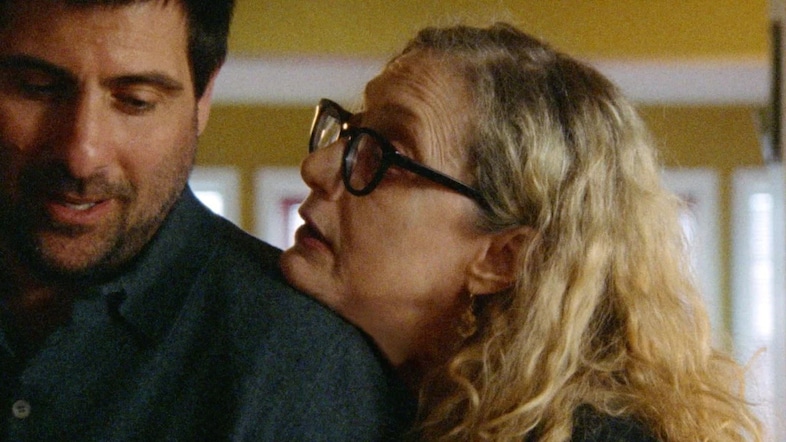
Some films don’t have a dinner party as the film’s cornerstone, but still feature one that’s so memorable that it practically becomes a dinner party movie. Nathan Silver’s brilliant Between the Temples, about Ben (Jason Schwartzman), a cantor who agrees to help tutor his former music teacher Carla (Carol Kane) for her late-life bat mitzvah, is one such film.
The pivotal sequence happens in the third act, and feels incredibly authentic, full of overlapping dialogue as awkward pauses swirl around with the need to fill the silence. It sits somewhere between screwball comedy and pure horror, employing rapid editing, whip pans, crash zooms and plenty of extreme close-ups. In Between the Temples, the dinner party provides the film’s climax, with revelations and surprises aplenty.
The Invite is out in UK cinemas now.
