
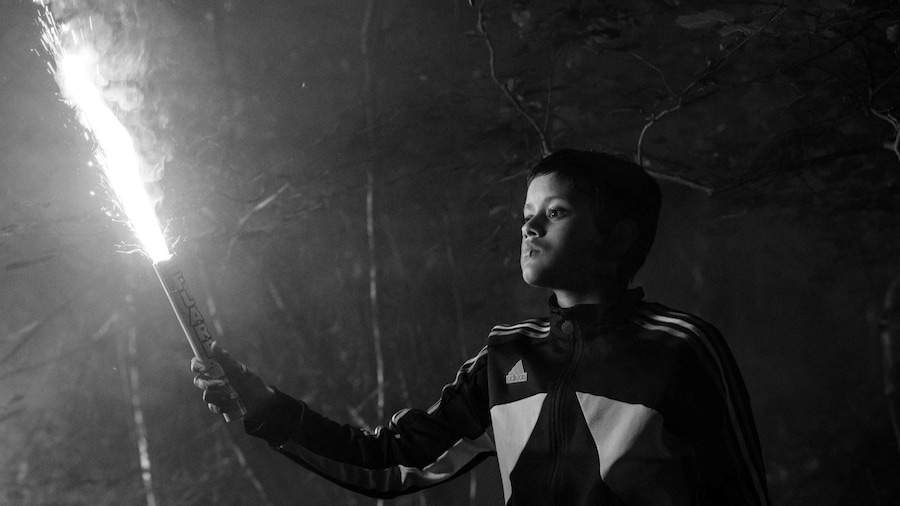
A vibrant coming-of-age film from Imran Peretta and a heart-stopping love story from war-torn Syria are among the picks of this month’s cinematic releases
Ish
Out now
Bringing a lovely, lyrical eye to the kind of urban edgelands Andrea Arnold shoots with such feeling, Imran Peretta’s first feature tells the story of two friends from Luton whose bond is tested by a moment of racially motivated violence. Ish (Farhan Hasnat) is a British-Bangladeshi kid on the cusp of his teenage years, whose friendship with Palestinian Maram (Yahya Kitana) occasionally leads him into trouble. When he flees the scene as his friend is bundled into the back of a police van one day, an incensed Maram tries freezing him out from their social group – and Ish, who is also dealing with the loss of his mother, must work his way back into the group’s affections. Shot in crisp black and white by cinematographer Jermaine Canute Edwards, the film benefits greatly from a pair of empathetic performances from its young leads, who do a fine job working with a script with a great ear for wannabe rudeboy slang as sprung from the mouths of babes: “Come try these blackberries, they’re fucking leng!” It’s a gorgeous study in strained communal bonds that grips right up until its haunting final shot.

My Father’s Island
From 3 July
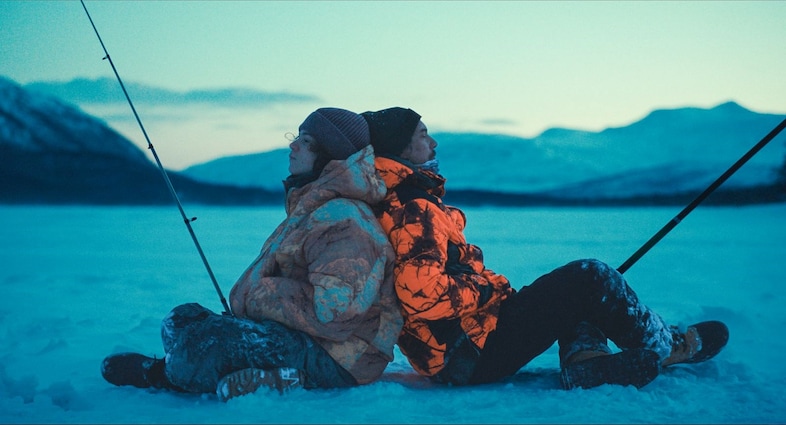
When troubled Frenchman Tom (Anatomy of a Fall’s “hot lawyer” Swann Arlaud) invites his teenage son Roy (Woody Nelson) to live for a year on a Norwegian island with no cars, no phones and no people, it’s kind of a given that none of this is going to end well. This much we know going into Vladimir de Fontenay’s affecting drama, which opens with the adult Roy (Ruaridh Mollica) going back the island ten years after his father’s death before inviting us to witness what went down on the trip. What follows is, for the most part, a mournful coming-of-ager in the Aftersun mould, blessed by some fabulous location photography and excellent performances from Arlaud and Nelson, who got his break opposite Joaquin Phoenix in Mike Mills’ C’mon, C’mon. But as the father-son bond begins to fray and the plot amps up in melodramatic fashion, the film morphs into something more akin to a psychological thriller, which undoes all the delicate work of its first half.

Birds of War
From 3 July
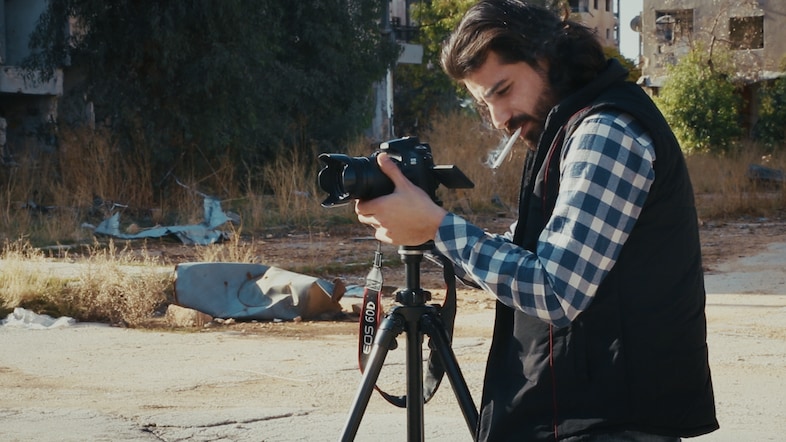
An audience award winner at Sundance, Abd Alkader Habak and Janay Boulos’s documentary is a love story sparked by the unlikeliest of meet-cutes: Abd, a cameraman and activist living in Aleppo during the Syrian civil war, starts receiving texts from Janay, a Lebanese journalist covering the conflict for the BBC. Abd becomes a reliable source for Janay, supplying her with valuable footage of war crimes being committed by the Assad regime. The film juxtaposes these visceral and often terrifying scenes with text messages exchanged by the pair (“I was thinking about you while trapped under the rubble,” reads one), a touching way to frame their blossoming love story without erasing the wider context in which it unfolds. Indeed, it’s war that finally drives Abd into Janay’s arms, when he is forced to flee Syria for neighbouring Turkey as the tanks roll on Aleppo. The pair relocate to London, where they are later married – but life in exile for the two lovebirds, who tell their story with great feeling and sensitivity, is not always so idyllic.

Shoot the People
From 10 July
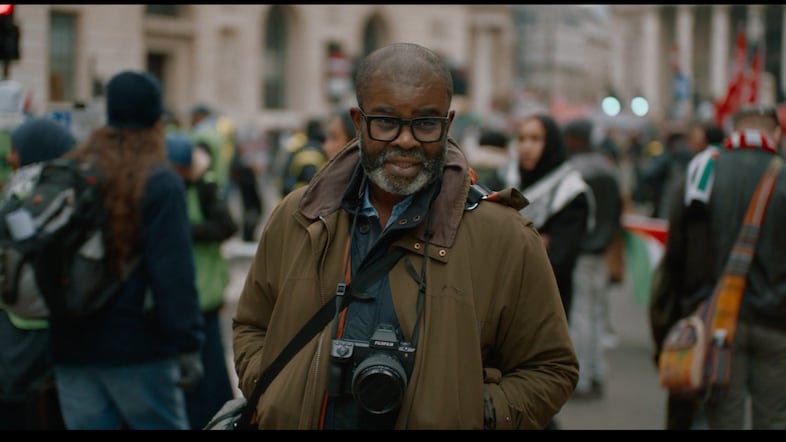
Andy Mundy-Castle’s new documentary arrives at an alarming moment in the history of protest. The White Nanny, Black Child director’s film is a portrait of Misan Harriman, the son of a Nigerian real-estate tycoon whose damascene journey from City recruiter to photographer, filmmaker and activist began in 2017, his shots of the Black Lives Matter protests during Covid propelling him to the cover of Vogue. Plugging his story into a broader historical context – a trick that leaves the film frustratingly unfocused at times – the film takes Harriman around the world to meet with activists including Martin Luther King III and David Meyer Gollan, who gives an extremely moving account of his friendship with late Apartheid photographer Peter Magubane. Anyone who follows Harriman online will know he’s a fiercely articulate subject, but he opens up here on his fears and insecurities – as well as his passion for social justice – in ways both surprising and affecting.
