
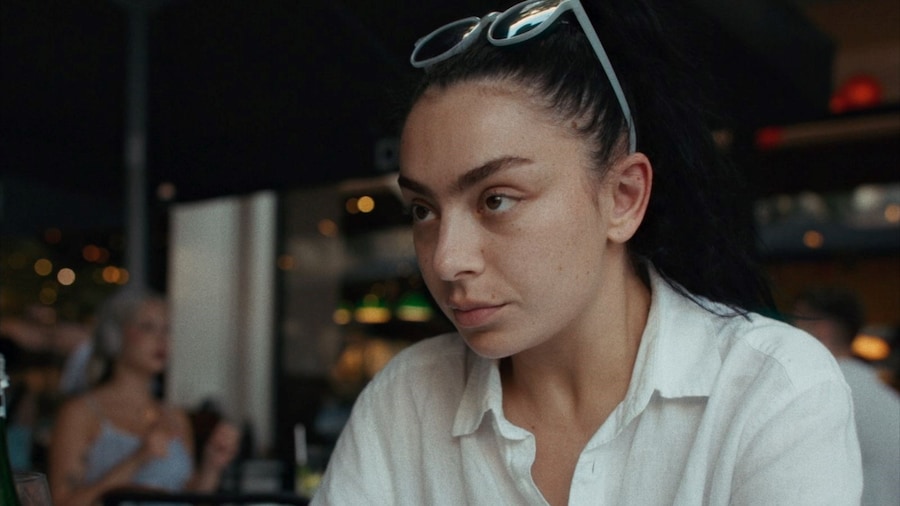
A choice cut from Charli xcx’s pivot to the screen and a devastating family drama from Sophy Romvari are among the picks of this month’s cinema releases
Erupcja
Her much-hyped pivot to cinema may have so far failed to catch fire, but Charli xcx is a compelling screen presence in Erupcja, Pete Ohs’ pleasingly spiky and irreverent tale of a romantic weekend gone awry.
Bethany (xcx), a distracted-seeming Brit in her early 30s, is whisked off to Warsaw by her boyfriend, Rob (Will Madden), who is secretly planning to propose. If that seems an odd choice of destination, it is – but Bethany has other reasons for wanting to be there. Soon after arriving, she takes off across town to see her old friend, Nel (Polish actress Lena Góra), a florist who is still sore about Bethany’s failure to stay in touch. Their antics set the scene for a weekend of rising tension as Rob and Bethany’s flight home is delayed by the eruption of Mount Etna.
At 71 minutes Ohs’ film is slight but it packs a surprising literary punch, with shades of The Worst Person in the World in the tart narration and a keen eye for the joys of that modern rite of passage, the Airbnb city break. (A suitcase-POV shot click-clacking across the city is particularly choice.) In Bethany, he presents a character still hanging on to the freedom she felt in her 20s, when commitments could be shrugged off at a moment’s notice and the world seemed to revolve around you. That’s where the film’s title comes in, a running joke between Bethany and Nel that their meet-ups always seem to coincide with a major volcanic eruption. Is it fate that keeps bringing them together? Or are they both, as an artist played by Jeremy O Harris tells the poor lovelorn Rob, full of shit?

Blue Heron
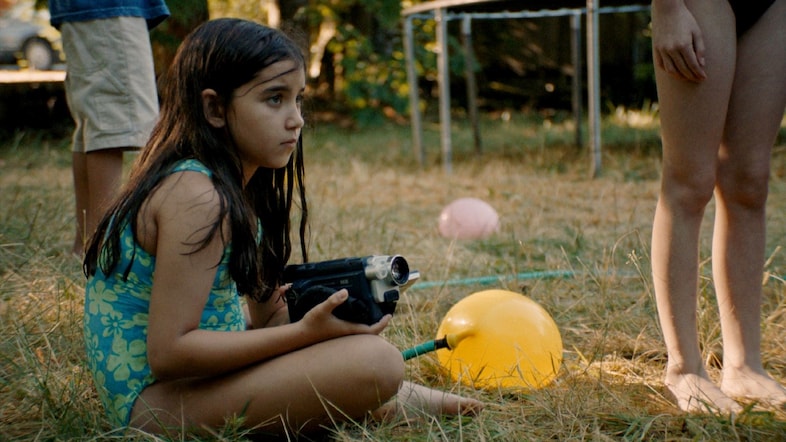
Halfway into her feature debut, Canadian director Sophy Romvari makes an artistic leap of faith that risks bringing the whole thing crashing down around her. The first half of her film – a self-described “semi-autobiographical” drama set on Vancouver Island during the late 90s – tells the story of a Hungarian migrant family’s shattered home life through the eyes of their eight-year-old daughter, Sasha (Eylul Guven). Shot in soft, dusky tones evoking her memories, the film zooms in on Sasha’s bond with older brother Jeremy (Edik Beddoes), an emotionally disturbed teen whose increasingly erratic behaviour plunges the family into despair. The healthcare authorities step in but are unable to offer a convincing diagnosis, and Jeremy’s mother and stepfather make the heart-wrenching decision to have him moved into a foster home.
At which point, Romvari pulls the plug completely, shifting the action to the present day as a grown-up Sasha – played by the director herself – consults with a team of healthcare professionals for a film she is making. How would they diagnose Jeremy, based on the evidence she presents them with? Could things have turned out differently if her parents had known what modern psychotherapy now knows? It’s a bold formal choice that threatens to pull you out of the film altogether, but instead only serves to deepen its themes of memory and unresolved family trauma, especially in a devastating scene where Romvari-as-Sasha, miraculously returned to her childhood home, lays out in unflinching detail what the next 30 years will look like to her parents. Laid out in this way it all sounds offputtingly meta, but the brilliance of Romvari’s film is that it all makes intuitive sense when you watch it. It’s as if Sasha – and by extension Romvari – started to sense the limitations inherent in her approach to the film’s first half, and tried turning it inside out to get closer to her brother.

A Private Life
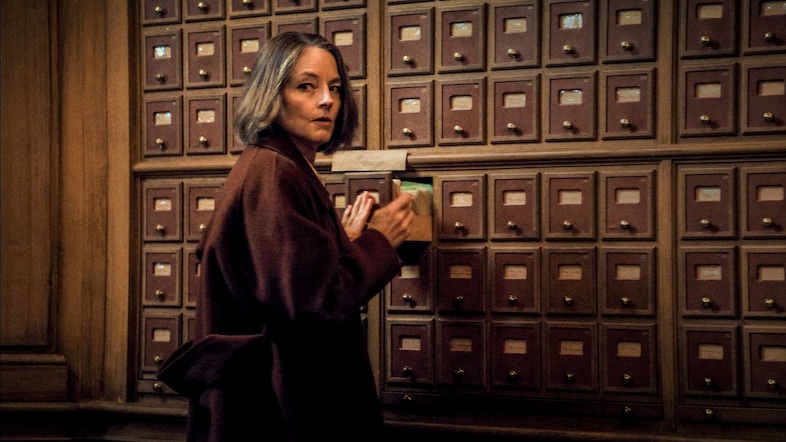
Dr Lilian Steiner (Jodie Foster) is a shrink who can’t stop crying, though she has no idea why. Against better judgment, she goes to see a hypnotherapist who uncovers a bizarre past-life connection between Lilian and a former patient, Paula (Virginie Efira), who has just committed suicide with some pills she’d prescribed. Going back to her tapes, Lilian comes to believe that Paula was murdered, and confesses her suspicions to her ex-husband (Daniel Auteil), who secretly wonders if Lilian has lost the plot but agrees to tag along anyway, mostly because he’s horny. Rebecca Zlotowski’s film seems stuck between comic and dramatic modes, indulging visual cliches about the subconscious mind – Basement doors? Really? – that seem years out of date. It does, however, boast a commanding French-language performance from Foster, whose easy chemistry with Auteuil is perhaps the best reason to see this Hitchcockian oddity.

Enzo
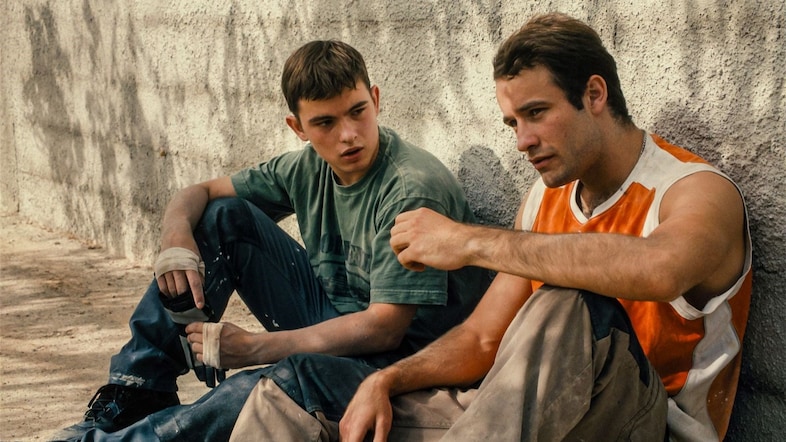
Robin Campillo is perhaps best known for BPM (2018), his pulse-jacking drama about AIDS activists in Paris, but he first got his break on a script he wrote for Time Out (2001) with the film’s director, Laurent Cantet. Campillo returns the favour with Enzo, a queer coming-of-age film Cantet intended to direct before his death in 2022, and it’s a lovely portrait of lost souls connecting that serves as a touching tribute to his friend. When surly teenager Enzo (Eloy Pohu) takes up work as a labourer in the south of France, his wealthy parents are at a loss to understand why, not least because he doesn’t seem to be any good at it.
After narrowly avoiding the sack, Enzo takes a shine to a Ukrainian builder, Vlad (Maksym Slivinskyi), a charismatic but quick-tempered man in whom he senses a kindred spirit. Vlad, who has at least ten years on his young admirer, lets Enzo get close, but rebuffs his advances when he makes a clumsy attempt to get intimate. Later, when Vlad must reckon with the prospect of returning home to fight in the war, Enzo lashes out in increasingly worrying ways. Cantet and Campillo’s film maintains a sympathetic lens on its teenage protagonist, while allowing him to be ridiculous in the way sensitive young men his age are apt to be: in one touching scene, he tells Vlad he wouldn’t be afraid to fight in the war with Russia “if you were there with me”. Their relationship is perhaps not destined to last, but the film still finds a way to give them a happy ending of sorts – a pleasure.

Effi o Blaenau
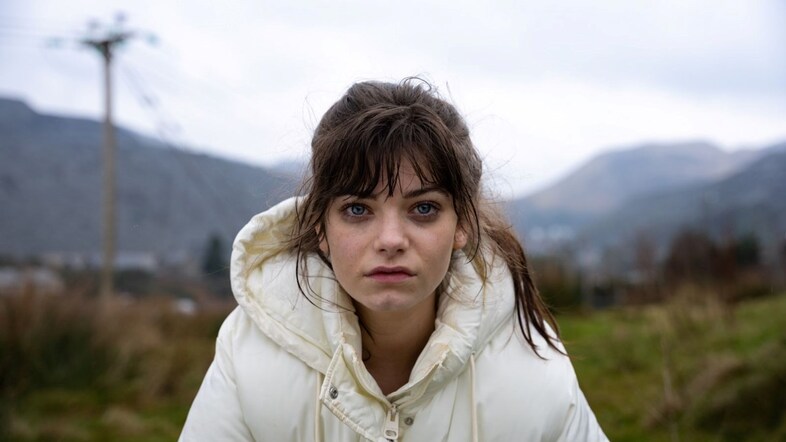
In Marc Evans’ Welsh-language drama, 20-something Effi (Leisa Gwenllian) lives for weekends getting wasted with her best friend Leanne (Nel Rhys Lewis), and hungover days where your “teeth fizz from the puke acid”. She’s a mess, in other words, but when she hooks up one night with a soldier, Tom, who was maimed while on duty, a note of warmth seems to enter her life in the ex-mining town of Blaenau Ffestiniog, where pebbledashed homes crouch for warmth under scarred slate mountains. Tom, though, doesn’t return her calls, and when Effi learns she is pregnant she soon discovers the reason why. Can she do it all on her own? Evans puts his protagonist through hell even as her transition from sinner to saint seems a bit neatly delineated at times, though Gwenllian gives a brilliant, fully rounded performance as Effi, loosely modelled on the tragic Greek heroine Iphigenia.
