
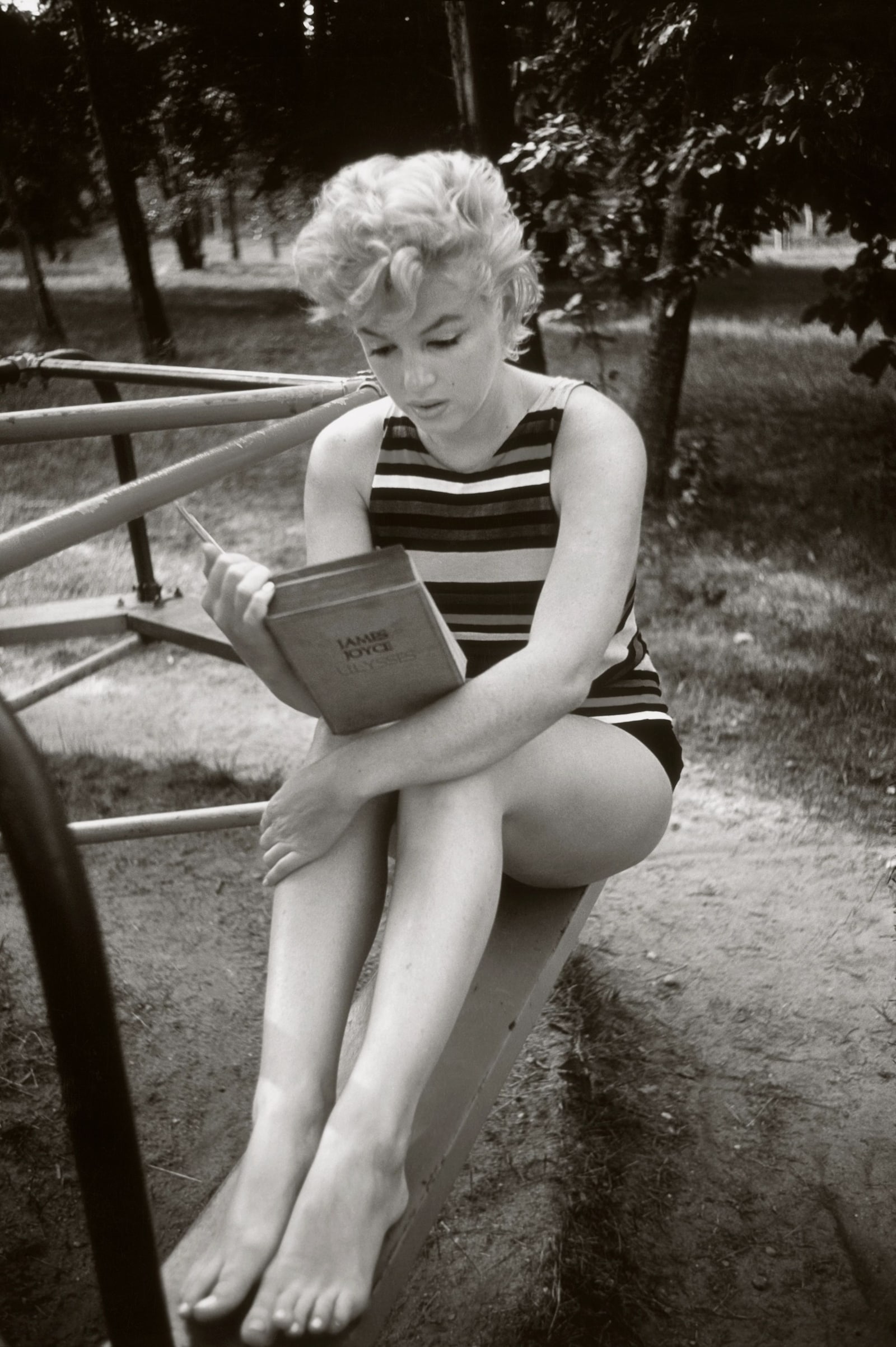
One hundred years since her birth (on 1 June, 1926), Marilyn Monroe remains one of the most mythologised and photographed figures of the 20th century. As an image, she’s as famous as Jesus or Coca-Cola, infinitely reproduced and canonised as an avatar of a specific species of intense, tragic glamour. Starlet, teen bride, addict, pin-up, introvert, sex symbol, orphan, exhibitionist, platinum blonde, depressive, sequin-clad goddess, divorcee, fantasy, comedienne, cautionary tale, possible suicide, potential homicide, death by misadventure; her legend emerges from a melange of fact and myth, encompassing the many and varied contradictions she embodies as a cultural signifier. Yet, of all the raked-over facets of her life, the idea of Marilyn Monroe as an avid reader is one crucial but less-explored aspect of her legacy.

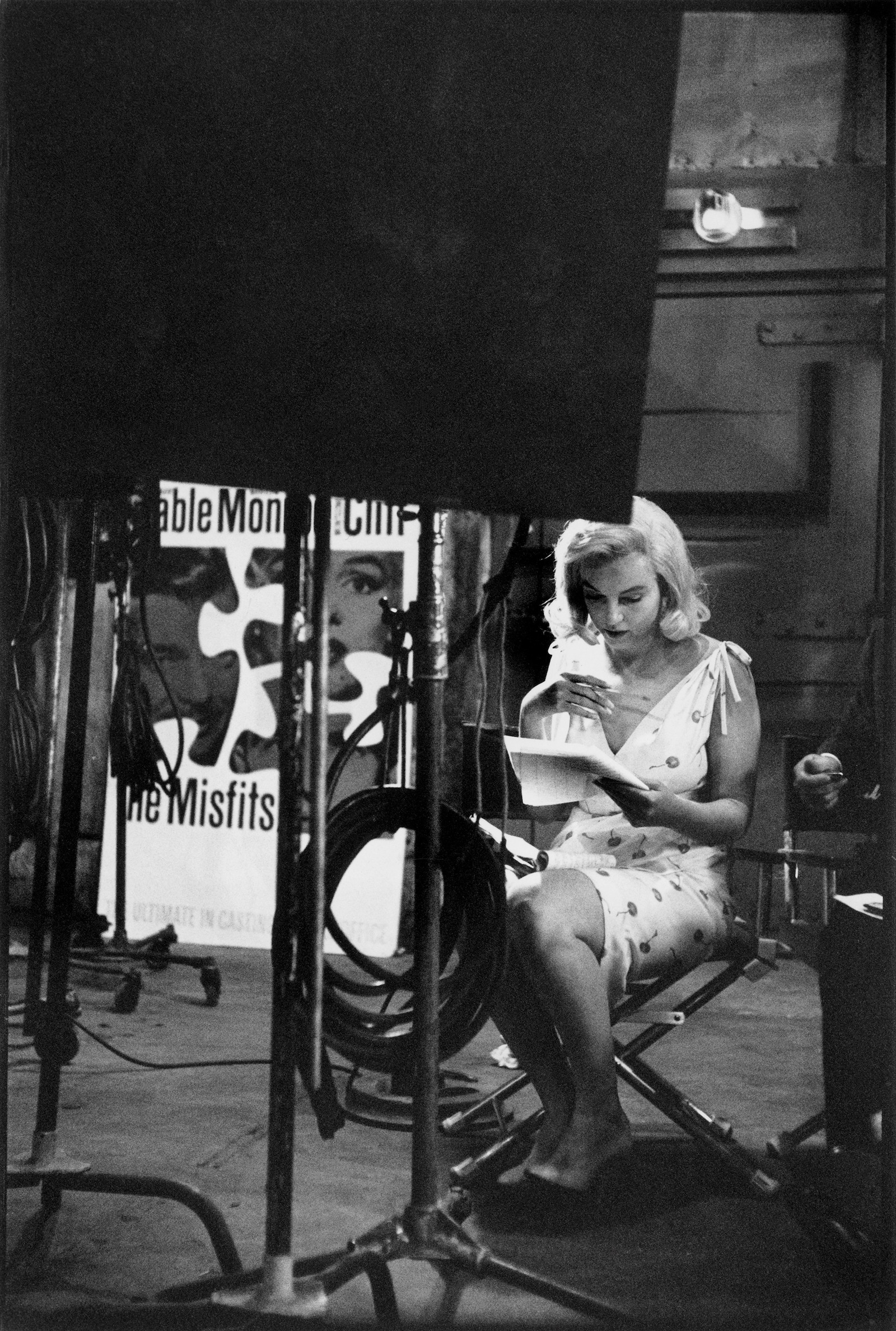
Inspired by a list of Monroe’s library in her estate sale, Gail Crowther’s new book, Marilyn and Her Books, takes a look at the legendary actress’s life through the prism of the literature she consumed. “I have always been fascinated by other people’s bookshelves and what they can say about a person, so I immediately wanted to engage in an in-depth shelf-snoop of Marilyn’s library to see what that would uncover,” Crowther explains. “I found myself daydreaming my way around her bookshelves in the rooms of her final home in Brentwood. I had so many questions, and I tried to address all of them in the book, exploring not only her reading, but her relationship to various writers.”
From plays to poetry, classics and philosophical texts, self-help, modern fiction, translations and much more, the inventory of Monroe’s bookshelves attests to the scope of her reading and her curiosity for knowledge. Below, we take a look at five significant volumes from the actress’s bookshelves.

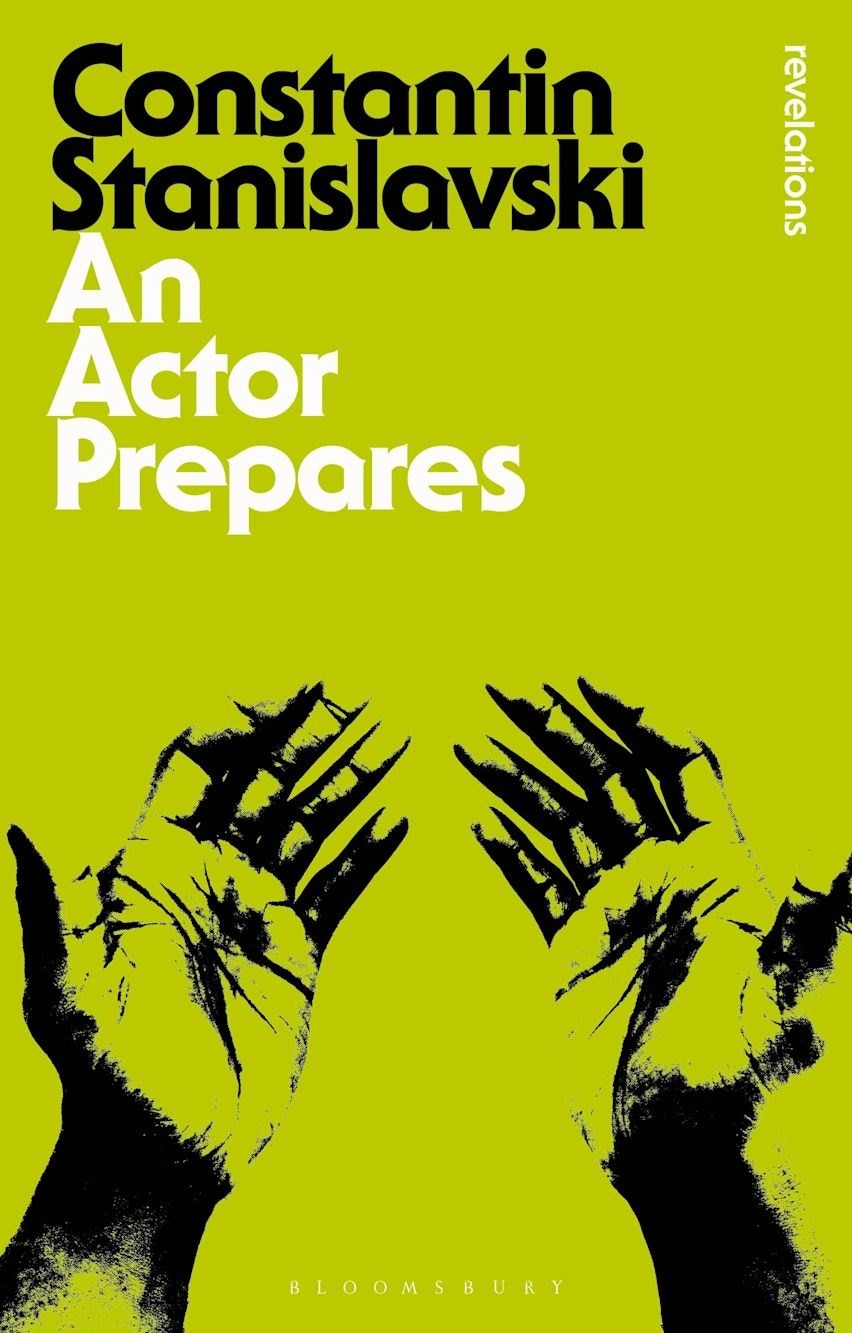
An Actor Prepares by Constantin Stanislavski (1936)
Chronically underestimated, Monroe always aspired to take on dramatic roles that went against the typecasting of her as a dumb blonde. In 1955, she abandoned Hollywood to study method acting at the Actors Studio in New York, under renowned acting coach Lee Strasberg. “Professionally, this was so important to Marilyn in terms of learning her trade and developing as an actor,” Crowther tells us. “The school of Method Acting was something that Marilyn immersed herself in, and Stanislavski was essentially the father of this technique, encouraging actors to draw on their own life experiences to inform their roles. From annotations on Marilyn’s film scripts, it’s possible to see her instructing herself exactly how to do this.”

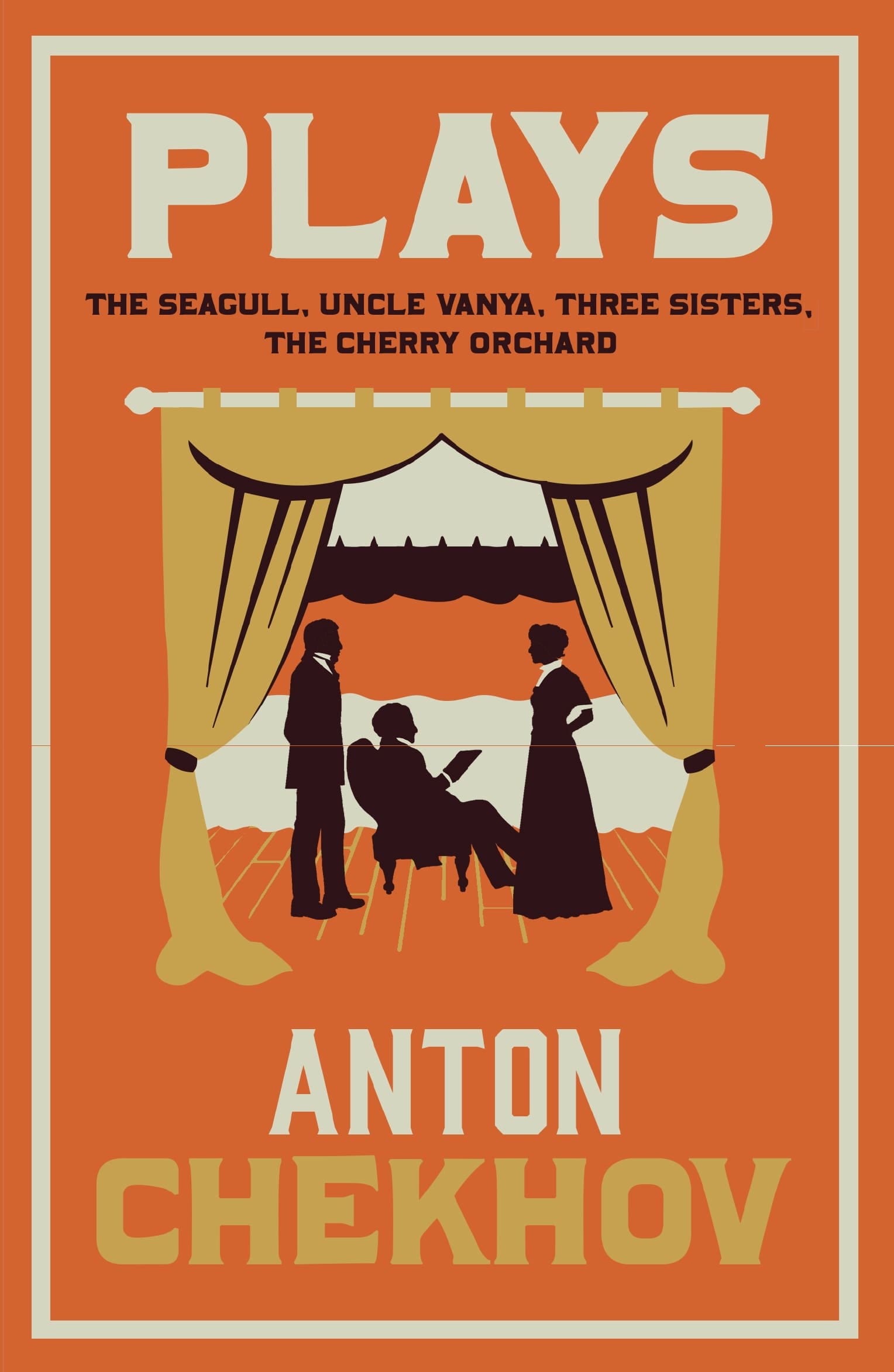
Plays by Anton Chekhov (Various)
Monroe was drawn to roles with more emotional depth than the parts the studio considered for her. She particularly admired the work of the Russian playwright Anton Chekhov. “Reading plays is such a vital part of learning the timbre and rhythm of dialogue and speech for an actor,” says Crowther. “And reading Chekhov would have had particular significance for Marilyn as one of her acting coaches was Michael Chekhov, nephew of Anton.” Monroe and Strasberg apparently discussed the possibility of her playing either Irina or Natasha on the stage in Chekhov’s The Three Sisters, but it would never materialise.

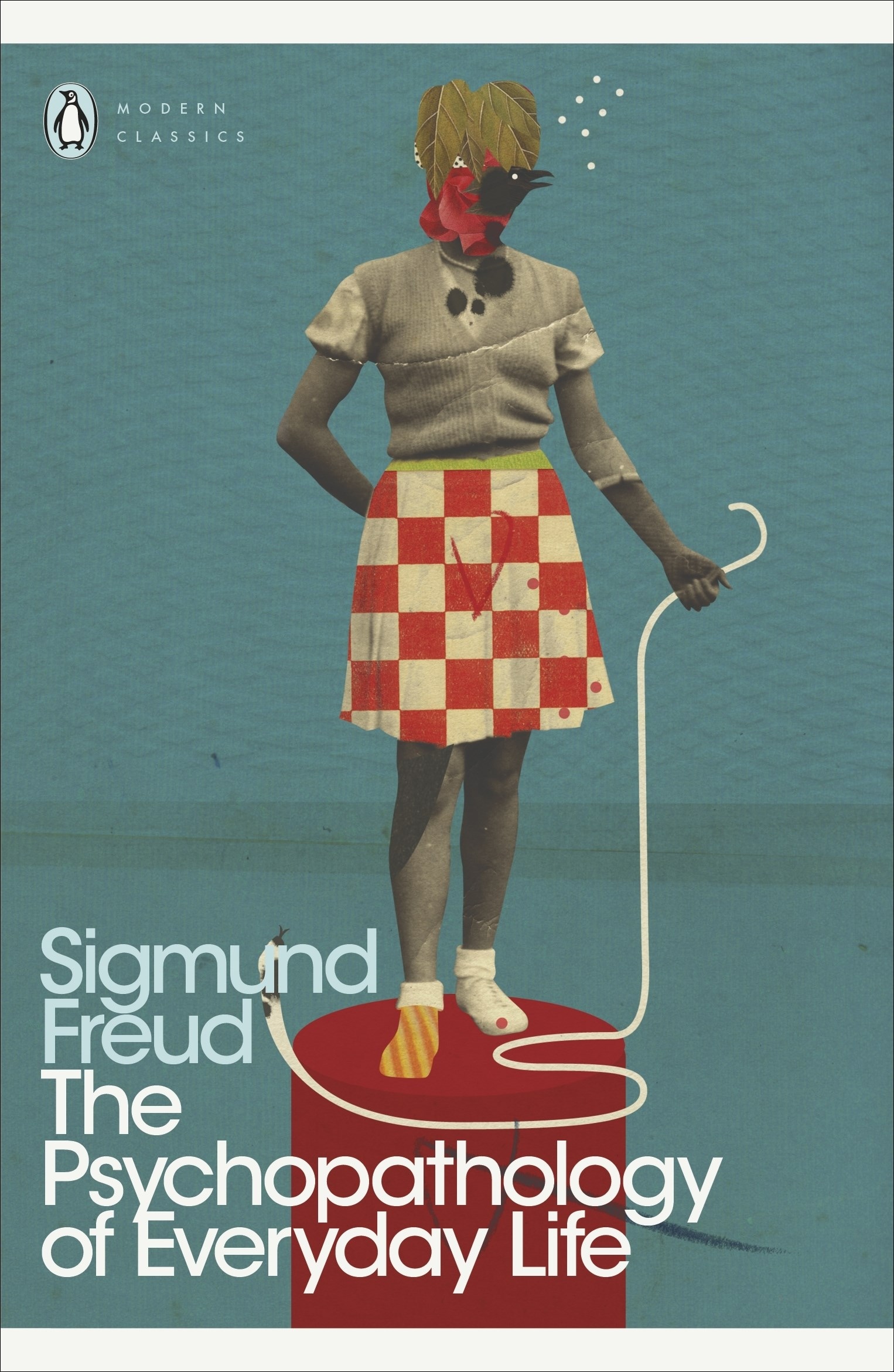
The Psychopathology of Everyday Life by Sigmund Freud (1901)
Monroe’s own struggles with mental health are well documented. She engaged in intense, daily psychoanalysis for much of her adult life as a way to manage her personal trauma and more deeply understand her inner life. “Freud was hugely influential for Marilyn. She read him at a devastating time in her life when she was receiving treatment in a psychiatric clinic, and she said he made her cry because she felt he was sad and unfulfilled in his life,” Crowther says. “She was asked to star in a film about his life directed by John Huston, but she knew his daughter Anna did not want the film to be made, so she turned down the role out of respect for his family.”

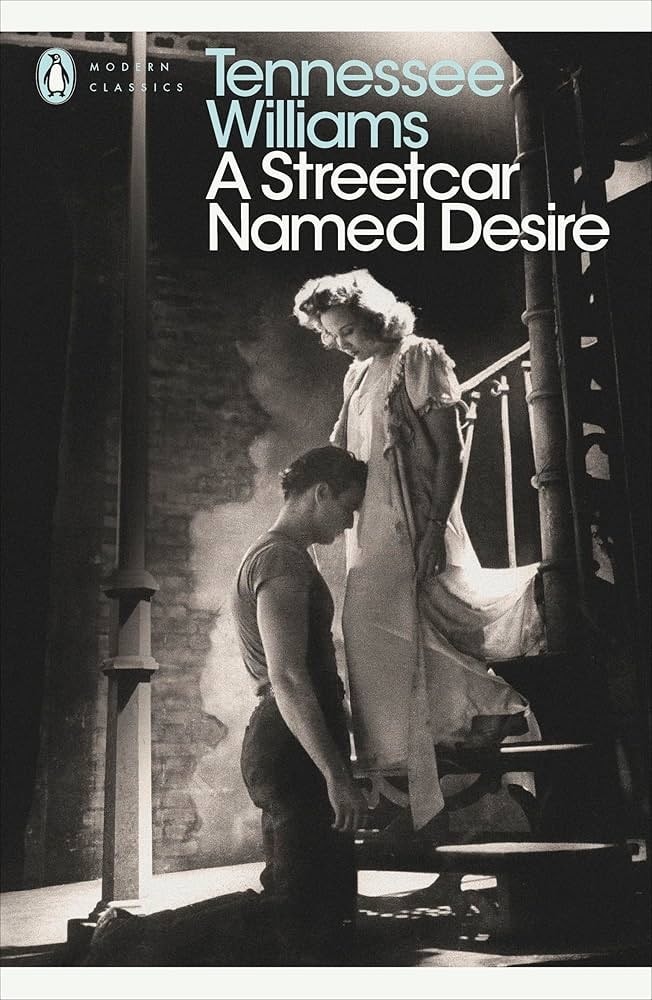
A Streetcar Named Desire by Tennessee Williams (1947)
There was a deep mutual understanding between Monroe and Tennessee Williams and, certainly, obvious parallels between Monroe and the tragic heroine of A Streetcar Named Desire, Blanche DuBois. Of the actress, the playwright once said, ”I wanted to love Marilyn: I fall for myths, too. She was fragile and she was beautiful and she was silly ... She was the lost kitten in the rain ... She knew her power and she abused it, but in the demonstration of it she degraded herself and she knew this, so the spiral of destruction deepened and intensified.” Crowther tells us, “I think this was such an impactful play when it came out, and Marilyn’s copy contained annotations and notes as she studied the play closely. Indeed, she acted out parts in her private lessons with Lee Strasberg during her time in New York at the Actors Studio.”

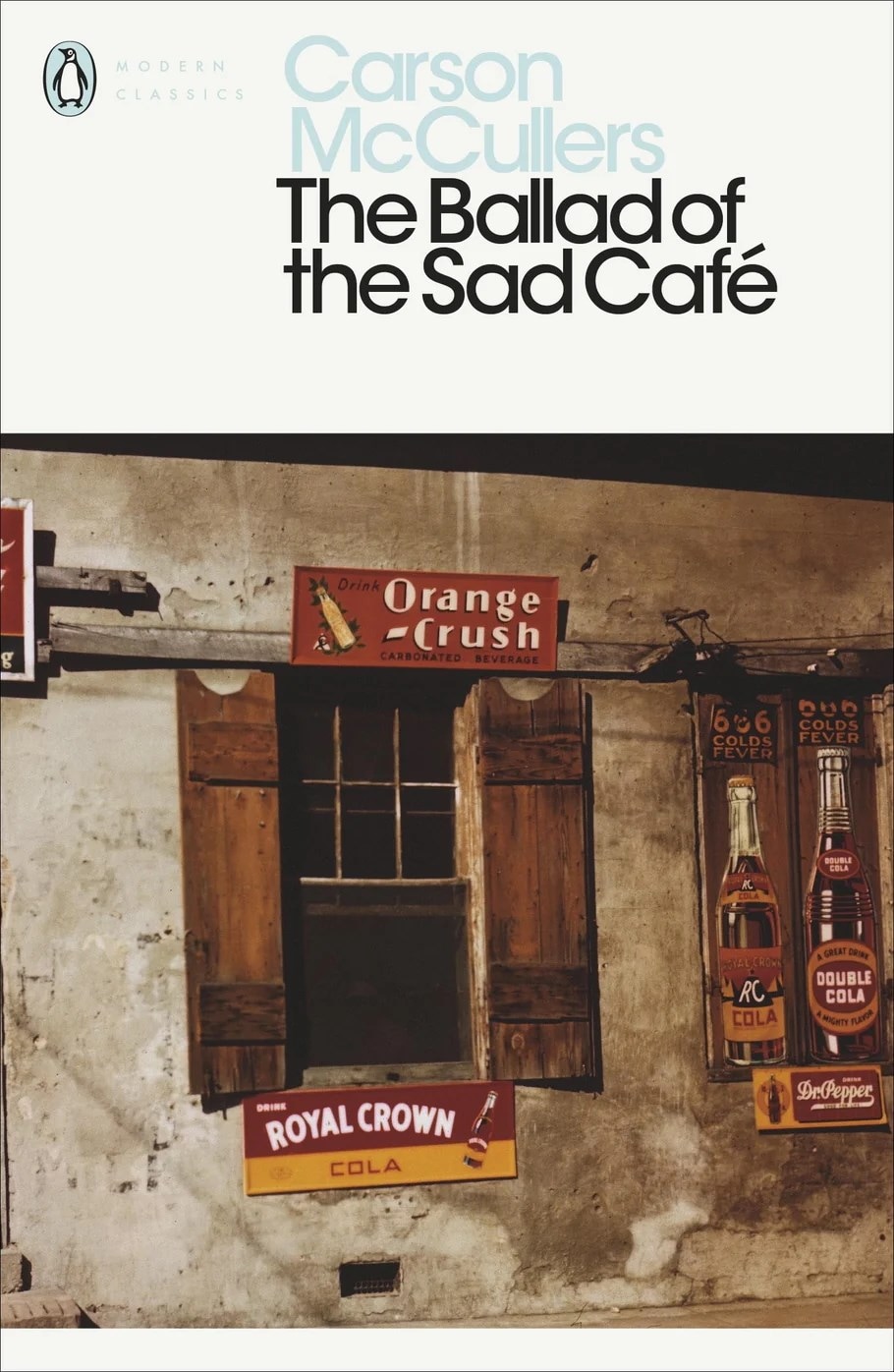
The Ballad of the Sad Cafe by Carson McCullers (1951)
Monroe possessed a well-thumbed copy of Carson McCullers’ poignant and odd tale of loneliness and unrequited love, and there existed a seemingly unlikely friendship between the actress and the author of this strange Southern Gothic story of small-town heartbreak. “McCullers and Marilyn knew each other and liked each other very much,” says Crowther. “There is a story in my book about a delightful meeting that took place between them at McCullers’ home, with Isak Dinesen [Karen Blixen] joining them for lunch. I think it is significant that Marilyn met and knew so many of the writers in her personal library, and that so many writers really loved Marilyn.”
Marilyn and Her Books by Gail Crowther is published by Corsair and is out now.
