
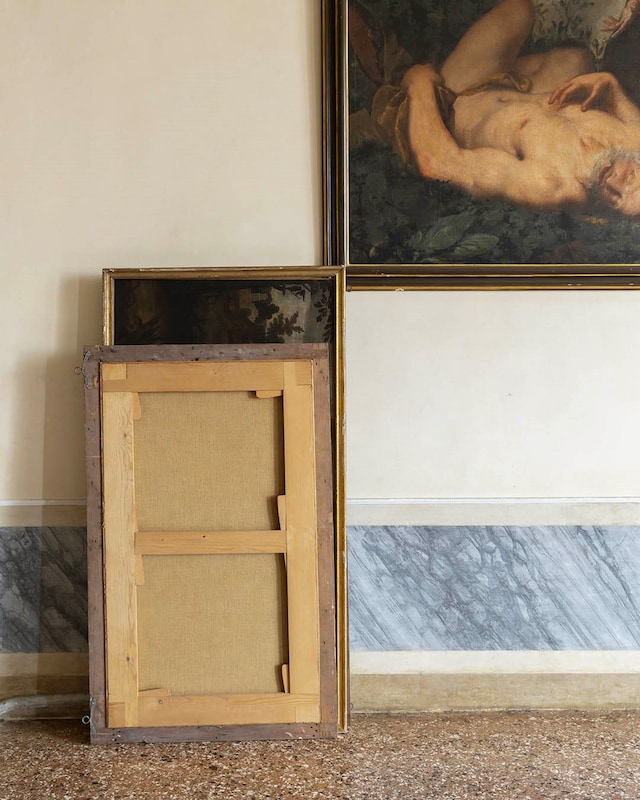
The Only True Protest is Beauty features hundreds of works spanning fashion, jewellery, glass, ceramics, photography, furniture design and sculpture. “Making makes your life so much richer,” says Van Noten
“I think the boundaries that you had in the past, where you had pigeonholes of art and craftsmanship, are over,” says Dries Van Noten when we meet in Venice. “The machines are taking over.” We’re in the Palazzo Pisani Moretta on the banks of the Grand Canal, originally built in the 15th century and used as a warehouse, a place of trade. Today, it’s been reinvented as the home of the Fondazione Dries Van Noten, home to a different kind of exchange.
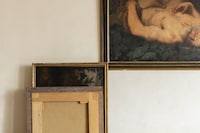
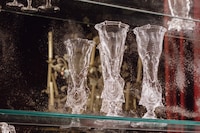
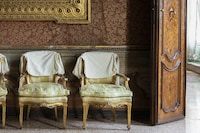
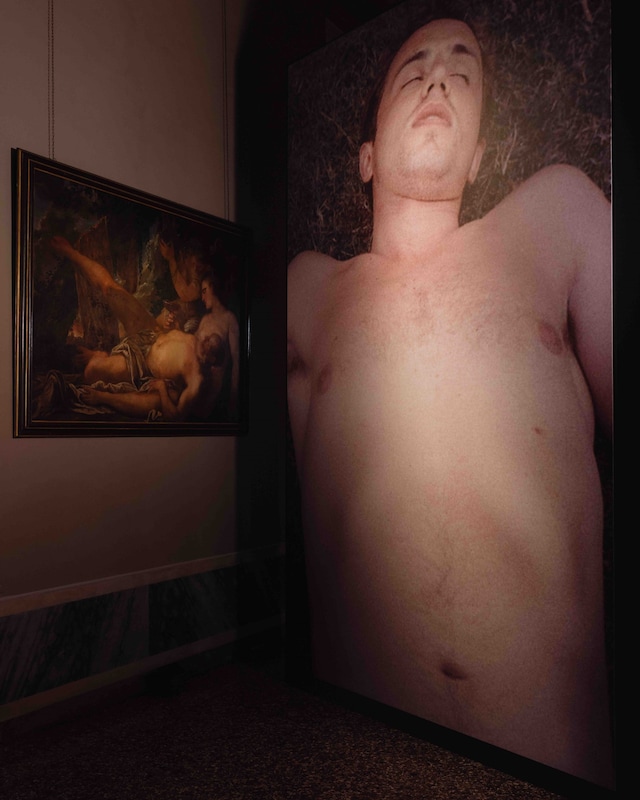
Founded by Van Noten and his partner Patrick Vangheluwe, the foundation aims to create a space where the man-made, in whatever capacity that may be, is celebrated. This focus on “the human dimension of creating” is made explicit in the architecture of the foundation’s debut exhibition, The Only True Protest is Beauty. The group show features hundreds of works, spanning fashion, jewellery, glass, ceramics, photography, furniture design and sculpture: in each room, sleek black totems with built-in screens showcase the voices of their creators. This small but vital detail unlocks a new dimension to the show: “You don’t only see the hands, you see the person,” Van Noten observes. Side-by-side, the videos expose how the artworks came to be. “You don’t necessarily realise by looking at a piece how much work it takes,” he continues. “You can look at all the beautiful objects, but it’s only when you see them, how they are made, that it really becomes fascinating.” Through these portals, we’re transported to studios, foundries and furnaces, with delicate brushstrokes and fingers shaping clay or carving wood.
Yet the line-up also showcases those integrating digital tools into their practice. “We don’t have to go to the Middle Ages,” says the Belgian fashion designer, smiling. “AI is a tool, but it can’t take over creation.” On the second floor in the Palazzo’s former music room, an extravagantly jewelled game of chess unfolds, programmed to play by AI. “I only finished it last night,” says its creator, the 23-year-old French designer Joseph Arzoumanov. Unlike other artworks that arrived fully formed, his ornate installation was crafted in the space; it took a team of artisans to make it a reality, with robotic components adorned with gold and silk haberdashery, Armenian volcanic stone, a table of marquetry with birch wood, smoked eucalyptus and blue-stained sycamore. Van Noten found him on Instagram.

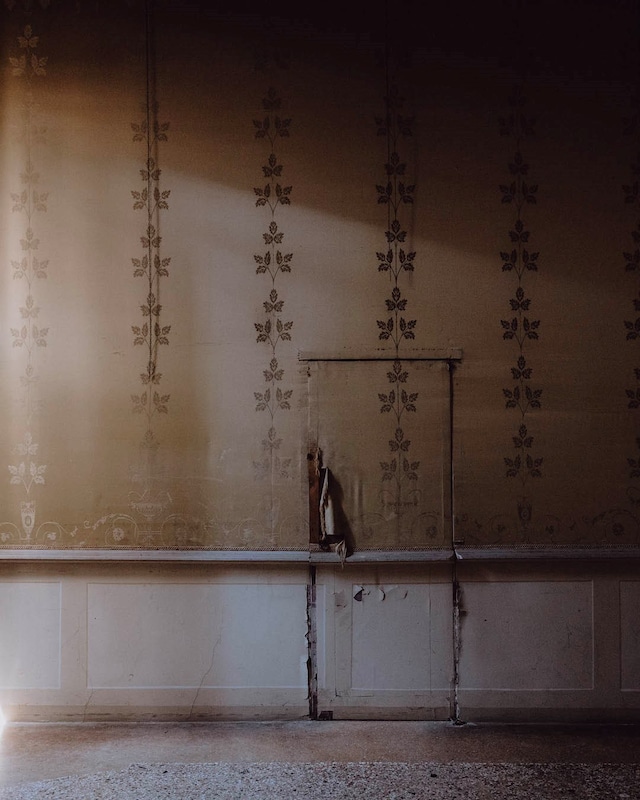
“In creativity, coincidence and error have always had a very important place,” says Van Noten. “We can’t lose the possibility of accepting errors and accepting coincidence.” Lukas Wegwerth combines smashed ceramics with hand-grown crystals. “Each piece is a conversation,” he explains. “Chopping off pieces, you try and shape it in certain ways, taking off certain parts, but you can never predict which way it’s going to go. It’s a bit like gardening.” In a green room, ceramics by Kaori Kurihara develop like “a living organism,” where she doesn’t decide the colour beforehand but lets the process dictate. “It’s all about expressing the vitality of life.” Set on a series of original plinths, the site-specific works feel like natural extensions, as if they have simply slipped from the Nature Mortes canvases that surround them. In the Palazzo’s former chapel, Ann Carrington crafts totems made of twisted forks which frame a Madonna and child, a rich bouquet of nails and whisks is set on the altar, everyday objects bent into new life. “Everywhere there is a kind of narrative or communication of attention,” Van Noten explains. “I think beauty has to be a constant evolution.”
Beauty can emerge in unexpected ways and from unexpected places. On the streets of Venice, seeing a poster emblazoned with the exhibition’s title next to a call for a protest about genocide seems initially jarring; yet one of the most moving moments of the show is the work of the young Palestinian designer Ayham Hassan, in dialogue with Comme des Garçons and Christian Lacroix. “He's doing very interesting things,” Van Noten observes. It wasn’t just Hassan’s constructions of delicate embroidery, pleated paper, hand-etched metal and repurposed leather from the sling shots of Palestinian children that captivated Van Noten – it was the way he spoke about his work. “He was saying [that] in Gaza, you can’t only mourn, you can’t only be sad. You also have to survive, you have to think about the parties of tomorrow, and you have to think about what you’re going to put on, and address how you’re going to dress to celebrate life.”

Humans have an innate need to create. “The world is going to be a very poor place if we lose our making,” says Van Noten. “Making makes your life so much richer. If robots and AI are going to take over, what are we going to do? To have a happy life, you have to be able to make things.” Craft is connection. “When you connect with items and objects, you connect to other people, and that, for me, remains very important.”
The Only True Protest is Beauty is on show at Fondazione Dries Van Noten in Venice from 25 April – 4 October 2026.
