
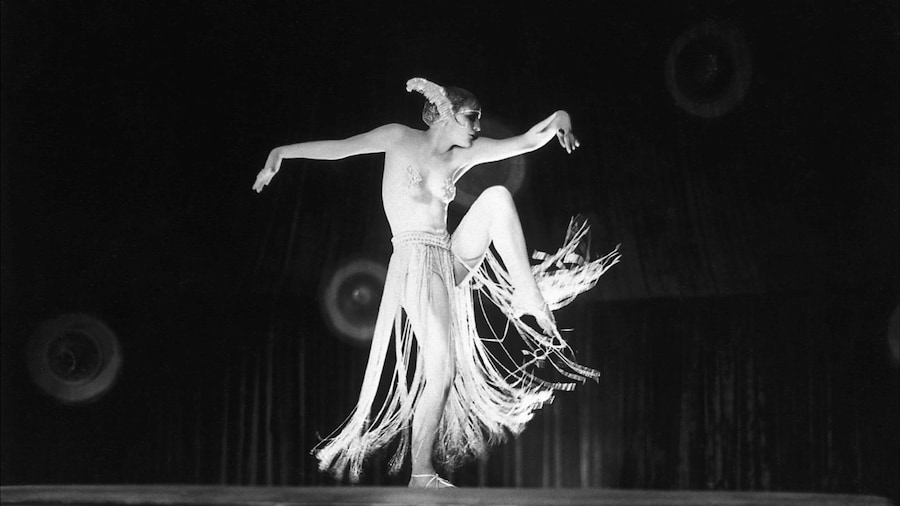
For the release of his new documentary Kinaesthesia, Gerald Fox shares the silent-era classics that used strikingly modern techniques to invent a new visual language for dreams
When Gerald Fox attended a film studies course taught by renowned scholar Vlada Petrić, he was struck by the late Harvard professor’s essay Film & Dreams. The essay offered a survey of the “oneiric style” – a style that evoked the sensation and substance of dreams – that flourished in silent cinema. Decades’ worth of early 20th century films were analysed through “the prism of dreams”. As surrealist master Luis Buñuel put it, “Dreams are the first cinema invented by mankind.”
Later in his career, Fox returned to the essay and used it as the basis for Kinaesthesia, a documentary essay that traces the burgeoning techniques of the “dream film” – not just the trite, woozy tropes of the dream sequence we know today, but an expansive, experimental language of psychological subjectivity, where fears and desires are animated through cinematic form. “So much of our daily life is hallucinations, dreams and daydreams,” says Fox, speaking over Zoom. “Film is like that. It developed from [the silent era] into Fellini and Bergman, Buñuel and David Lynch. [They] took these ideas and created a film that was really like a dream.”
Kinaesthesia – meaning “the sensation of movement” – marks the centenary of three major “dream films”: Dmitry Kirsanoff’s Menilmontant, Teinosuke Kinugasa’s A Page of Madness and Fritz Lang’s Metropolis. But the documentary is practically bursting with archive clips from the silent era. As Fox sees it, these filmmakers were unofficially competing with each other with ambitious dream sequences allowing for an explosion of style within more conventional narrative films.
To mark the film’s release, we asked Fox about five dream sequences featured in the film that laid the foundation for the depiction of dreams on screen today.

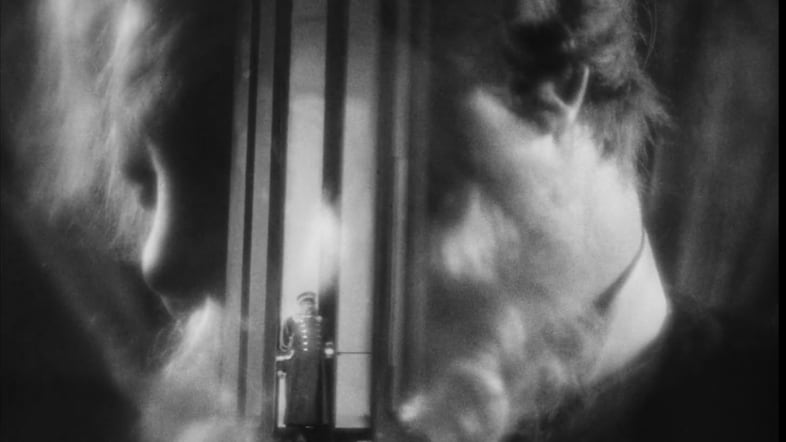
The Last Laugh (1924)
In FW Murnau’s tragic melodrama, a destitute hotel doorman dreams of regaining his old job. The director adopts an early point-of-view perspective to exit the hotel’s revolving door and discover the doorman dazzling onlookers with renewed prowess. Slipping into stylised reveries of sentimental nostalgia and gratification pre-empts the psychodramas of Bergman, and later David Lynch, who, in the ending of Twin Peaks: Fire Walk with Me, uses a dream style to bring a tragic, bittersweet comfort to Laura Palmer that she was denied in life.
Gerald Fox: “It’s a really amazing, wish-fulfilment anxiety dream. As you move into that double exposure of the revolving door, slowly he’s restored to his greatness. He is able to achieve the things that he couldn’t do. The idea was to get to what they believed was the essence of a dream. Not just recording it, but to put the viewer inside the dream itself and to experience the moment. At the end, it comes back from this scene of everyone applauding him and suddenly he’s just sitting in his room on his own. [It’s] a psychological defence mechanism.”

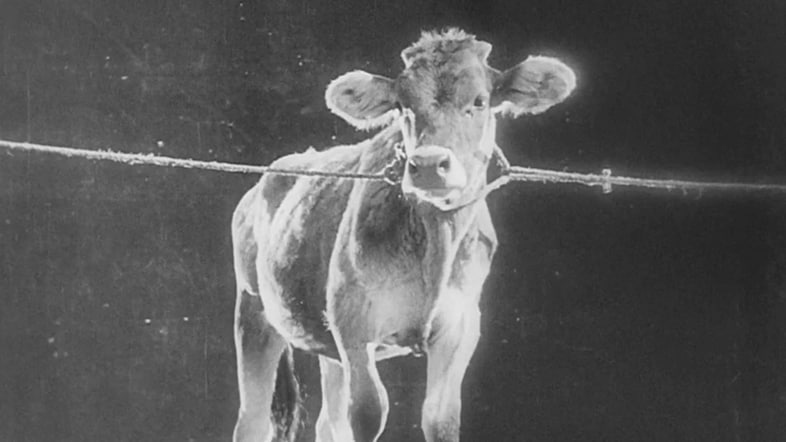
The General Line (1929)
In Sergio Eisenstein and Grigori Aleksandrov’s propaganda film, a farmer’s daughter builds a collective farm. At one point, she dreams happily of hard-working machinery unleashing torrents of milk and superimposed, gigantic animals. Future filmmakers would later create montages that evoked the texture of dreams to distress rather than inspire: in Requiem for a Dream, Apocalypse Now and 2018’s Suspiria remake, the montage’s incredible rhythm is used to disorientate and almost suffocate the audience.
GF: “[It takes] on this fantastically lyrical energy. Having the milk come out, then intercutting that with whooshing rivers, so you get the sense of this cacophony of visual images coming together to say something. “As [Eisenstein] said, he was stimulating psycho-physiological sensations in his viewers to excite them about, presumably, collectivisation. I’m sure he felt very inspired and optimistic at the time he was doing this, and that sequence is [like his] cascading torrents of joy. It’s the use of montage, the way things get faster and faster and blurred in your mind, to link all these things together. The milk, the cream, the river, the shimmering light – all melding together in a symphony.”

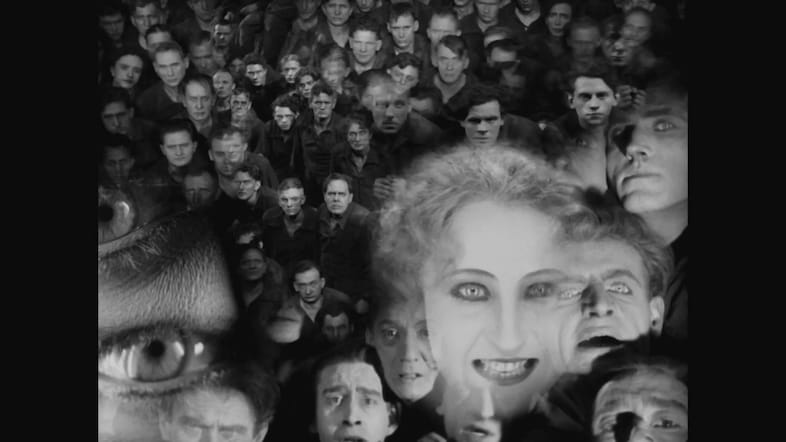
Metropolis (1927)
In Fritz Lang’s expressionist sci-fi classic, the son of the futuristic city’s founder hallucinates visions and omens of death related to advanced machinery – including a grim reaper and a dancing robotic double of Maria, the woman he loves. In Ridley Scott’s Blade Runner, Deckard’s dream of a unicorn combines spiritual symbolism with an unsettling implication about technology’s invasive reach, just as Lang explores in Metropolis.
GF: “It’s cutting between him clearly having a hallucination and this woman dancing, and the eyes of everyone [watching] becoming more and more interwoven. You’re almost not even sure – is [Lang] intercutting or is it a hallucination? You get this slightly unsure quality that takes you into this nightmarish vision. It’s that idea of trying to create an abstract conglomeration of images that illustrate the dreams and hallucinations of the characters. [Lang] does it through photographic means, through montage, through architectural means. Every film director who has wanted to do sci-fi with that kind of edge has gone back to that film, because it has all those elements.”

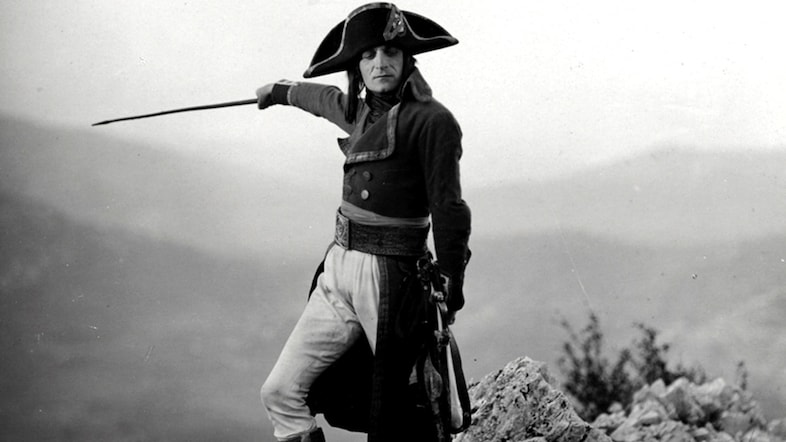
Napoleon (1927)
Abel Gance’s historical epic includes a dazzling montage of Napoléon’s dreams of conquering the world – an onslaught of personal and powerful symbols driving him forward. This conquering vision would later be subverted in the 1985 anti-war film Come and See, which climaxes with a rapid-fire montage reversing the entirety of World War II as a young partisan imagines undoing all his suffering.
GF: “It’s his dream of world domination. He’s mesmerised by the possibilities of what the future is going to bring. That dream conveys everything that the rest of the film is about. I think that’s what Gance was trying to do – give you in a one-minute dream sequence a sense of his interior machinations. By [1927], Gance had the whole of the French impressionist movement to draw on, so he’d clearly learned a lot. He was able to take all the best things from René Clair and [Jean] Renoir and use them all in the most fantastic way. He was utilising the form as far as he could possibly go.”

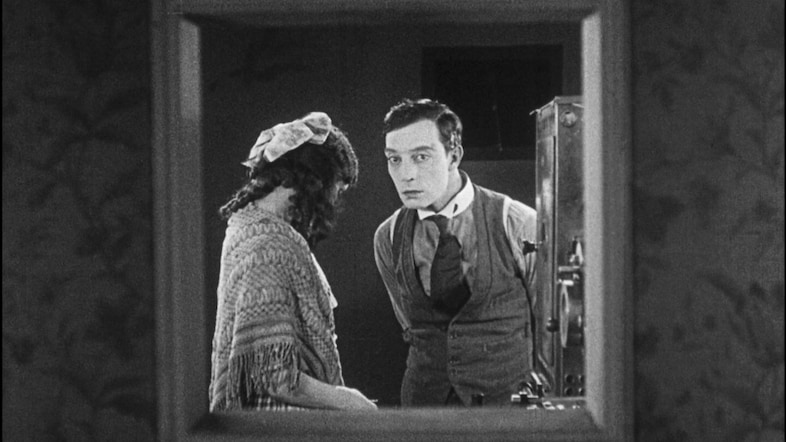
Sherlock Jr (1924)
Buster Keaton’s virtuosic comedy shows a sleeping projectionist who dreams of climbing inside the cinema screen to become a heroic detective, getting into a dangerous motorcycle chase from which he emerges miraculously unharmed. The fantasy of transgressing the border of the screen becomes a nightmare when it is reversed – the oneiric horror of Videodrome and The Ring shows how unnerving it is for the inhabitants of our screens to come out into our world.
GF: “The precision of those effects; they’re actually better than CGI. You sense the authenticity of the imagery, which is what makes them so amazing. Anything is possible in a dream, so in a way, Buster Keaton had such licence. He can do anything. [The character he plays is] a broke projectionist but through this fantasy and the film, he becomes this man of brilliant manoeuvres. Even though the aim was more comic than it was dreamlike, it’s the use of a dream as a way of saying, ‘This is what films are all about.’”
Kinaesthesia is out in UK cinemas now.
