
As a new season at BFI gets underway, we uncover the bad-taste classics that still have the power to shock and delight
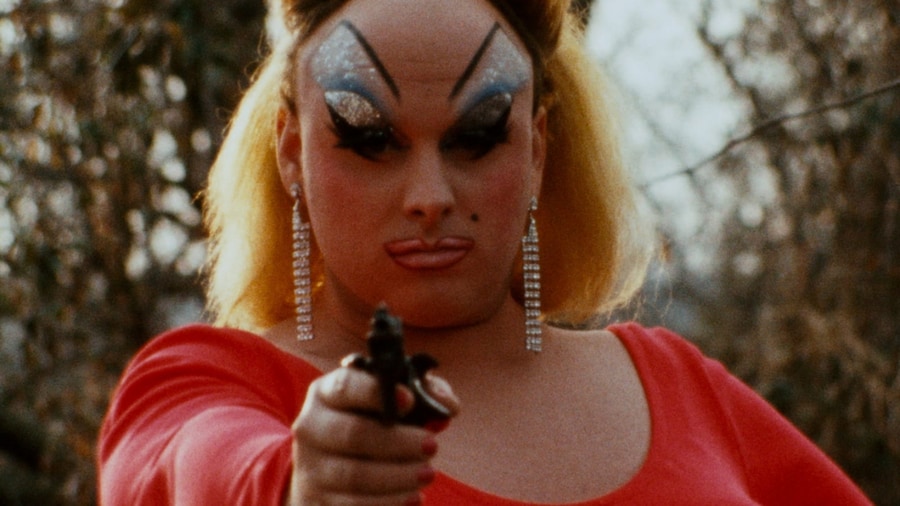
The infamous John Waters film Pink Flamingos has the tagline “an exercise in bad taste”. Like a lot of early Waters projects, the film trades in shock value, outrage and the grotesque, with the kind of cinematic excesses that force viewers to sit up in shock, asking themselves, “Can you do that?” While Waters has become the touchstone for this kind of boundary-pushing filmmaking, it’s an approach to cinema that includes everything from no-budget sci-fi shlock, experimental camp shorts and marathon-length pornographic epics.
The BFI’s new season Trash! The Wildest Films You’ve Ever Seen showcases not just a lineage of sex, violence and bodily fluids, but a cinematic tradition that delights in subverting expectations. These are films that have sharp political teeth, gleefully artificial sensibilities, and complicated relationships to questions about gender, queerness and power. If you can stomach the outrage, these are films that can genuinely challenge the things we think of cinema as being capable of.


Plan 9 From Outer Space (1957)
Ed Wood’s sci-fi romp carries with it a dubious distinction. It’s one of the first names someone will reach for when asked to name the worst film ever made. A story of alien invasion and the resurrection of dead humans, the film features the final performance of horror icon Bela Lugosi (actually footage from other, unfinished projects that Wood inserted into Plan 9), and is replete with wooden performances, cheap effects and bizarre narration by The Amazing Criswell, a psychic who was friends with the director. It’s a grab-bag of B-movie weirdness that needs to be seen to be believed – and while by any objective measurement of quality, Woods’ film is pretty disastrous, there’s a charm and energy here that makes its formal flaws easier to overlook.


Faster, Pussycat! Kill! Kill! (1965)
Russ Meyer is the kind of filmmaker that often – unfairly – gets associated with the most sexist excesses of early exploitation cinema. Both he and his camera have a well-documented affection for a certain kind of a woman, and the way he shoots the female body can often feel close to the bone when it comes to objectification and the male gaze. But all of this gets complicated by the dynamic, powerful roles that women play in his films, perhaps nowhere more abundantly than in Faster, Pussycat! Kill! Kill!, which follows a trio of go-go dancers who embark on a rampage of kidnapping and violence. Meyer’s women are able to claim the roles that are so often associated with men in action cinema, and the film’s sprawling desert landscape creates a distinctly American cocktail of excess, violence and a winking, self-aware eye about just how ridiculous everything that’s going on is.

Sins of the Fleshapoids (1965)
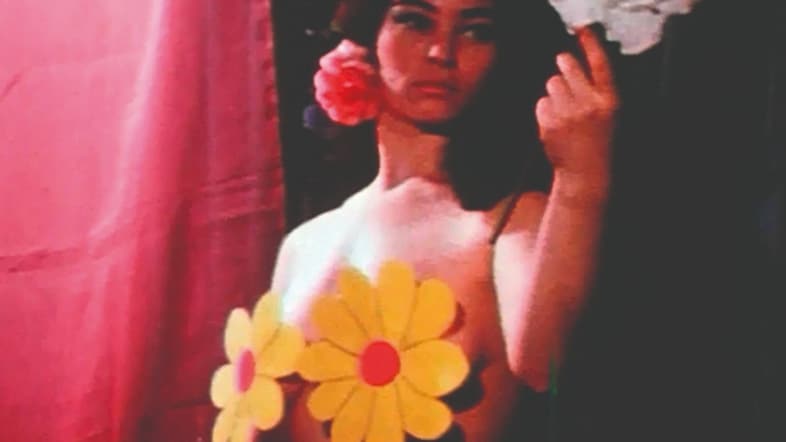
John Waters has cited this camp comedy about robotic rebellion as a major influence many times, describing it as something that “really shows what an underground movie was”. Sins … looks like an elaborate home movie, shot in apartments, actors wearing clearly homemade costumes and store-bought props. Telling the story of an uprising of the “fleshapoid” slaves who serve lazy, bacchanalian humans that turn away from knowledge and towards the pleasures of the senses in the wake of a nuclear war, Sins is much lighter and more comedic than this description might imply. Full of anachronistic visuals that keep it perched somewhere between the aesthetics of ancient civilisation and the angular futurism of something like Metropolis, the film is an exercise of doing a lot with a little, animated by the desire to simply make art. It’s a credit to Kuchar and his collaborators that the end result is so constantly smart, surprising, and visually inventive.

Pink Flamingos (1972)
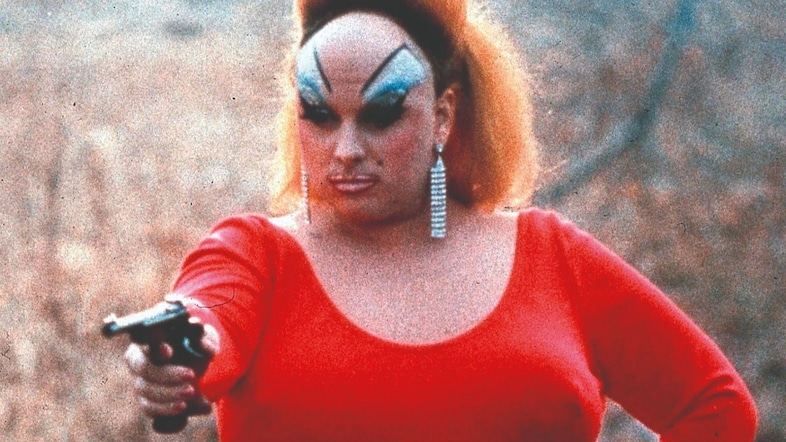
“Kill everyone now! Condone first-degree murder, advocate cannibalism, eat shit! Filth is my politics, filth is my life.” This is what Divine declares when a reporter asks her to explain her political beliefs in a scene from Pink Flamingos, the most infamous film in the long career of Pope of Trash John Waters. And while it’s tempting to simply list the shocking moments that make up Pink Flamingos (which of course, includes Divine’s proclamation to “eat shit”), to do so understates the sharpness of the film, an edge that hasn’t been dulled over time. Waters has always described his films as being for “minorities who don’t fit in with their own minorities,” and Pink Flamingos offers the most perverse found family in queer cinema. Divine and her family live on the outskirts of Phoenix, Arizona, and she’s just been named the “filthiest person alive”. For Waters, filth truly is politics; and Pink Flamingos is a series of subversive excesses, a giddily unsettling and boundary-pushing approach to art by and for outsiders.

Thundercrack! (1975)
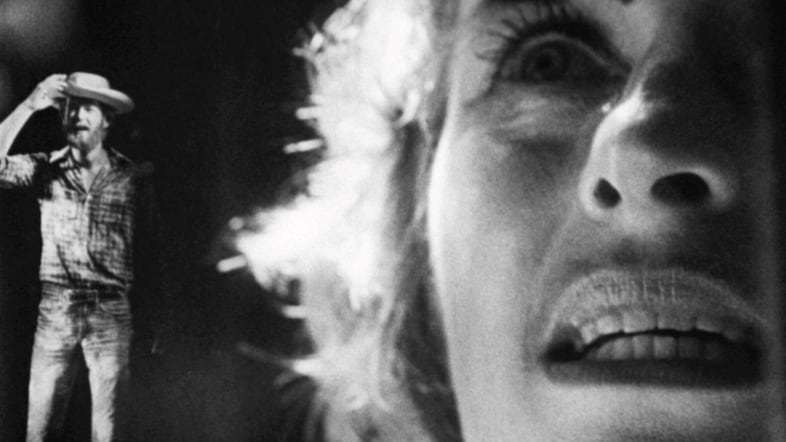
Running at over two-and-a-half hours and featuring an intermission, Thundercrack! never does what you’d expect an adult film to do, bringing together a band of misfits in an old dark house on a stormy night each with different relationships to sexuality, desire and heartbreak. Shot starkly in black and white, with theatrical compositions and bizarre, often hilarious flashbacks to the tragedies that bring these characters together, it’s less of a porno and more of a sprawling black comedy. It’s tempting to dismiss films with explicit sex in them out of hand as nothing more than cheap shock or titillation, but Thundercrack! expands on the traditions of both porno chic and experimental queer cinema (it has the DNA of underground icons like Kenneth Anger and Jack Smith all over it). And while it might ask viewers to step out of their comfort zones, the reward is more than worth grappling with any uncertainty about the purpose of bodies and sex on screen.


Salvation! (1987)
This kind of subversive, poor-taste cinema is the kind of thing that can often feel like a bit of a boys’ club, but Beth B managed to cut through the chorus of male provocateurs with Salvation!, her incisive satire on the hypocrisy and excesses of a televangelist. A working-class wife obsessively watches a televangelist reverend on TV, to the sometimes violent frustration of her atheist husband (an early-career Viggo Mortensen). These scenes, with the camera lingering on wide shots of bodies on the couch, framing the TV like it were a sacred, religious object itself, feel like a sitcom from hell. But things only get weirder from there after a series of unhinged sexual encounters give way to music-video style montages that weaponise the visual language of the 80s and show just how far from God even those who claim to speak for Him so often are.
Trash! The Wildest Films You’ve Ever Seen is on at BFI Southbank in London until 30 April 2026.
