
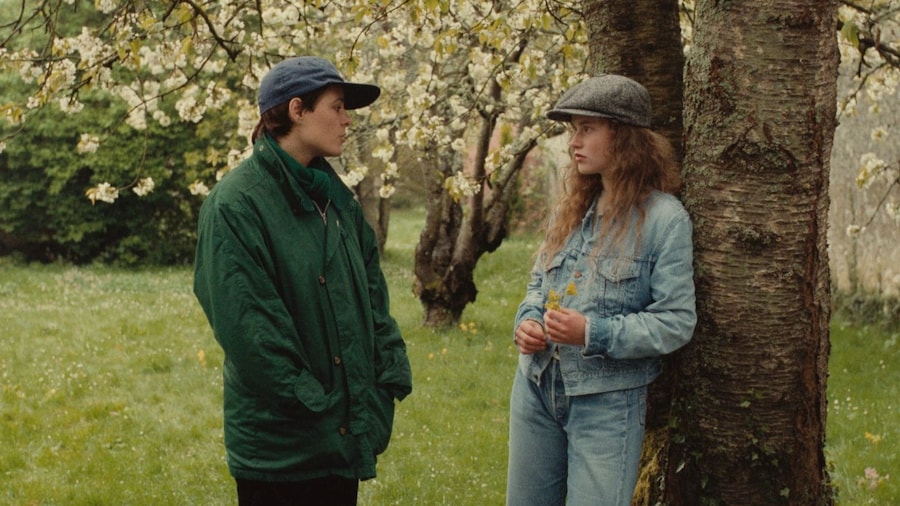
Cult new wave classics and an undersung Studio Ghibli gem are among our picks of the films that celebrate spring’s transformative power
Spring offers the chance for renewal, bringing warmer weather and longer days as winter thaws and the first signs of blossoming flowers and greenery appear. For filmmakers, the season is ripe for explorations of revitalisation and transformation: characters blossom and grow, second chances at love emerge, and a new lease of life is imparted on to romantic and dramatic stories.
These narratives, caught between the chill of winter and the heat of summer, are often uplifting, following individuals through moments of profound change. As the season ramps up, here are ten invigorating films to add to your springtime watchlist.

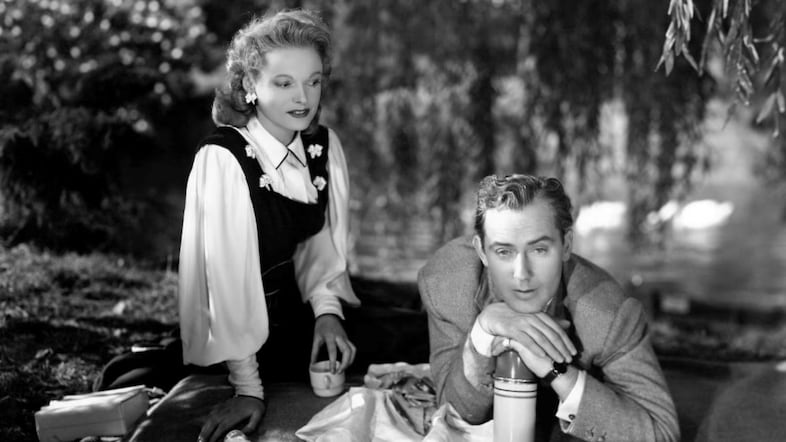
Spring in Park Lane (1948)
Set on the blossom tree-lined fringes of Hyde Park in London, Herbert Wilcox’s black-and-white rom-com blows in like a fresh spring breeze. The film charts the will-they-won’t-they romance between Richard (Michael Wilding), a wealthy lord masquerading as a butler, and Judy (Anna Neagle), the niece of the family who employs him. With Richard’s new position and Judy’s unconventional attraction, high society is observed through a renewed lens. This idea of shedding one’s past self and blossoming anew is underscored with warm charm and witty spirit.

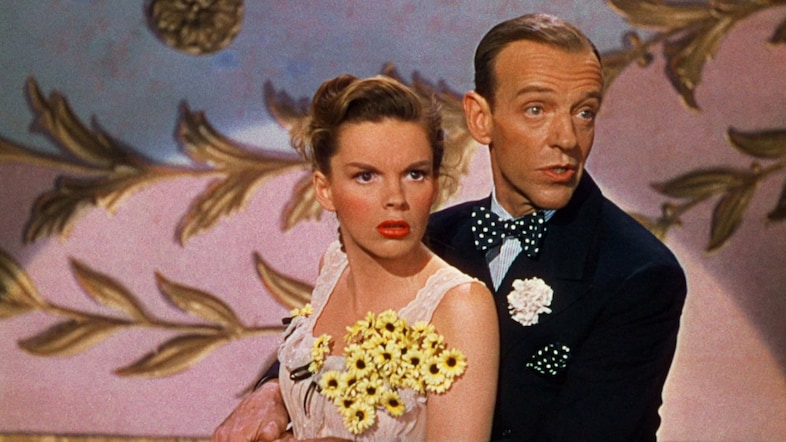
Easter Parade (1948)
Charles Walters’ Technicolor musical opens on Easter weekend in 1912, following Fred Astaire as Don, an ambitious dancer who becomes enamoured with Judy Garland’s singer Hannah when he picks her as his protege to train ahead of next year’s Easter parade. Spring bookends this tale about learning to stand back and watch someone grow into their true selves. Nearly 80 years on from its release, it’s still a joy to see icons Astaire and Garland opposite each other as the world around them bursts into song and dance.

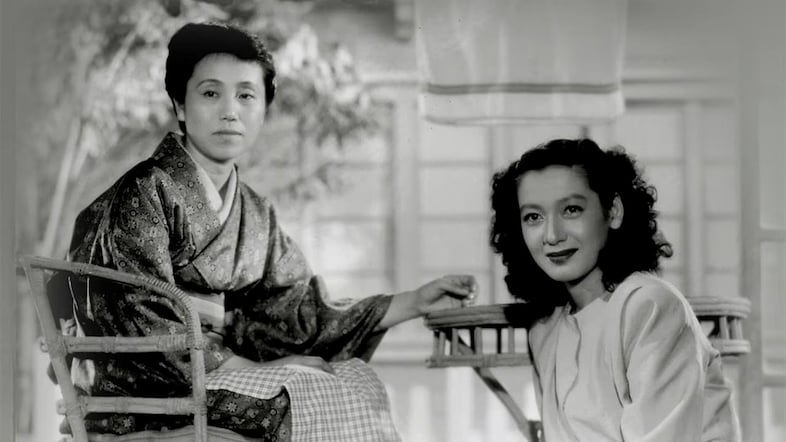
Late Spring (1949)
In life, some are late bloomers, a topic central to Yasujirō Ozu’s drama Late Spring. The film follows a widowed father (Chishū Ryū) as he tries to play matchmaker for his unmarried 27-year-old daughter, Noriko (Setsuko Hara). As the pair clash over each other’s respective hopes and happiness, Ozu’s film quietly captures the passing of springtime and the shifts that come with a family unit growing older. From swaying trees and Noriko’s hair flowing in the breeze, the reinvigorating nature of spring is plentiful in Ozu’s celebrated “Noriko” trilogy.


Where the Boys Are (1960)
Spring Breakers and Ferris Bueller’s Day Off may be the more well-known spring break movies, but Henry Levin’s Where the Boys Are is a refreshing take on a cinematic sub-genre that’s older than you might think. In the bubblegum romantic comedy, four young women embark on a spring break in Fort Lauderdale for a chance to shake off school and be revitalised under the Floridian sun. As each young woman seeks romance and memories, adolescent sexuality, flourishing youthfulness and spring fever are thrust into the spotlight.


Daisies (1966)
Věra Chytilová’s iconic contribution to the Czechoslovak New Wave movement is perfect for springtime viewing. Daisies – a radical, surrealist, avant-garde satire – sees teenagers Marie I (Jitka Cerhová) and blonde Marie II (Ivana Karbanová), wreaking havoc on the world around them. Spring details, from Marie I’s floral crown to a fresh seasonal fruit in a lavish banquet, are sprinkled throughout. And its depiction of young, anarchic women liberated from conservative ideologies and censorship chimes perfectly with the season.


The Young Girls of Rochefort (1967)
Jacques Demy’s seminal French New Wave musical’s candy-coloured aesthetic is like spring wrapped in a bow. The film follows twin sisters Delphine and Solange (portrayed by real-life sisters Catherine Deneuve and Françoise Dorléac, respectively) as they arrive in the French seaside town of Rochefort looking for love. Particularly memorable in Demy’s gorgeous film is the sight of the twins donning matching wide-brimmed hats and dresses, Delphine in pastel pink and Solange in pale yellow. The Easter colour palette glows under the sun in musical numbers like “Chanson de Maxence”, a song about maintaining hope in winter, as spring will always follow.

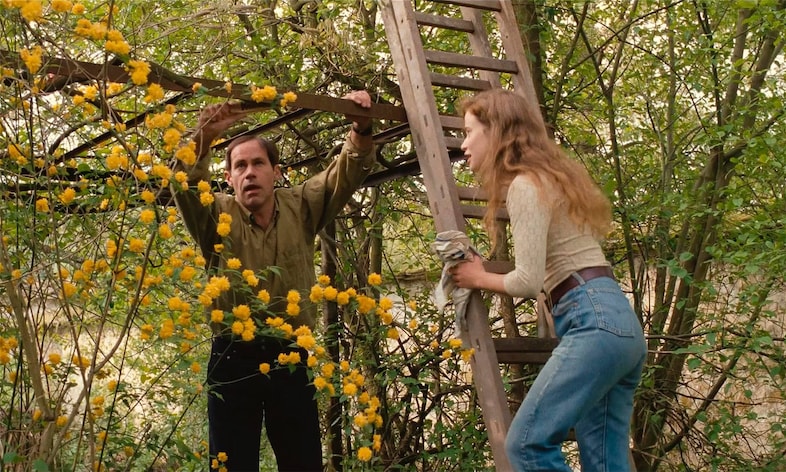
A Tale of Springtime (1990)
A Tale of Springtime is the inaugural instalment in French writer-director Éric Rohmer’s Contes des Quatre Saisons (Tales of the Four Seasons). It’s telling Rohmer’s cinematic quartet begins with spring, marking the start of something new. The film follows pianist Natacha (Florence Darel) as she tries to set up her father (Hugues Quester) with her new friend, philosophy teacher Jeanne (Anne Teyssèdre). Throughout Rohmer’s film, the brightness of spring blankets the desires of this central trio as they all long for a fresh beginning.

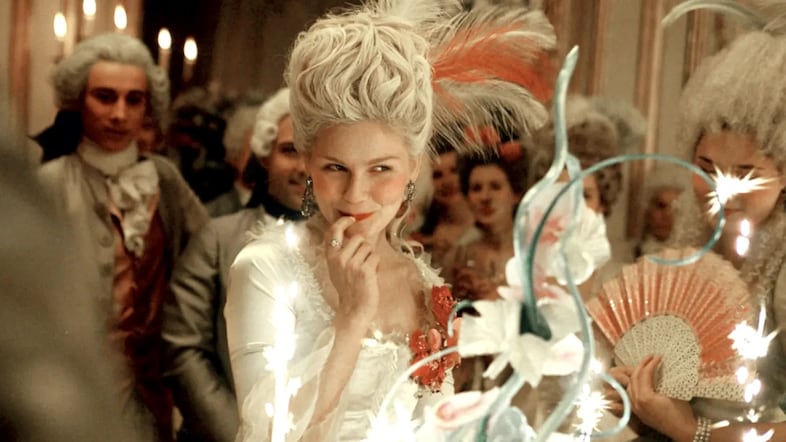
Marie Antoinette (2006)
The Austrian princess who married into French royalty is the star of Sofia Coppola’s masterfully stylish pastel symphony. While portraying the rise and fall of Marie Antoinette (Kirsten Dunst), Coppola reinvigorates the period drama with lively frames and a spring aesthetic, from opulent costumes with delicate bows to decadent desserts populating every surface. Even though we know how the story goes, the sight of the ill-fated queen gallivanting through the gorgeous gardens of Versailles still paints a picture of freedom.

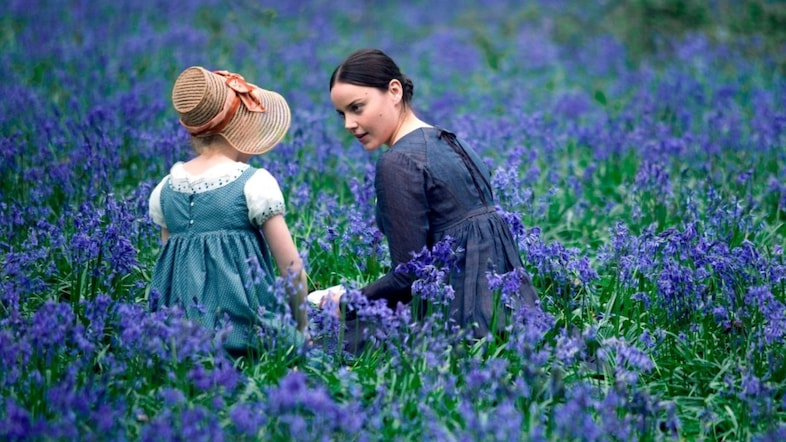
Bright Star (2009)
Jane Campion’s biographical romantic drama chronicles the last three years in the life of poet John Keats (Ben Whishaw) and his romance with seamstress Fanny Brawne (Abbie Cornish). Spring brings a sense of hope to these characters; as winter gives way to the new season, John and Fanny fall in love. In one of the film’s more visually arresting scenes, Fanny reads one of John’s letters in a woodland field of bluebells; the love of these characters blossoming like spring flowers.

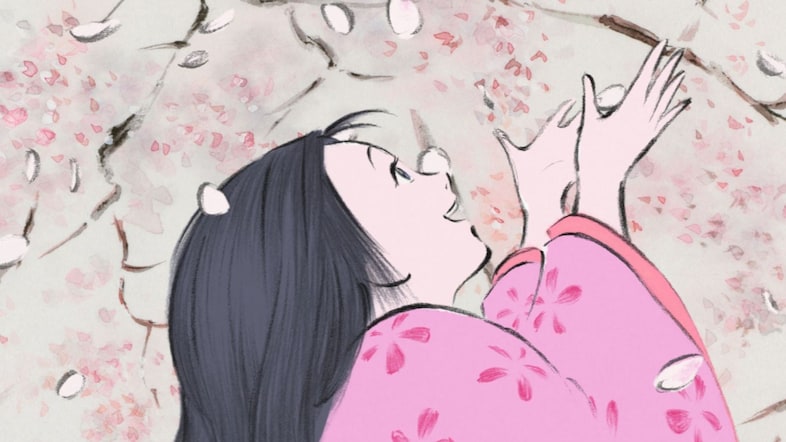
The Tale of the Princess Kaguya (2013)
In Japan, spring is cherry blossom season, when buds bloom into stunning pink flowers, a visual incarnation of renewal. A cherry blossom tree holds particular poignancy in Isao Takahata’s animated Japanese fantasy film, about a small girl found in a bamboo shoot who grows into a noble princess. Princess Kaguya (Aki Asakura) encounters a brief moment of reprieve from her strict existence when she comes across a cherry blossom tree, and its soft, pastel pink petals dance around her. This vital scene restores the princess’s childlike wonder, soon lost when she bumps unwittingly into a toddler, whose parents beg for her forgiveness.
