

A poet herself, Seidel often returns to the meticulous vision of Ida Vitale, a member of Uruguay’s influential Generation of ’45
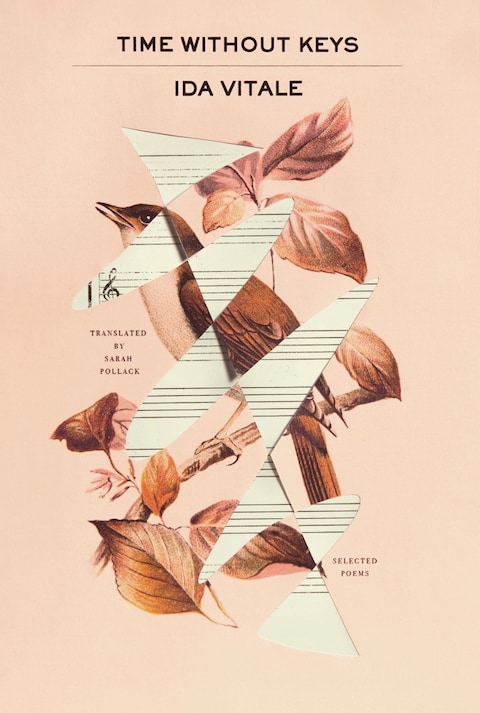
“Recently travelling across Brazil, Argentina and Uruguay, I was reminded of a small personal habit: When I arrive somewhere new, I try to approach the place through its poets. Poetry often reveals cultural nuance with unusual sensitivity; the tonal character of language, a society’s intellectual temperament and the subtle dialogue between landscape and perception. I first encountered the work of Ida Vitale through my admiration for the Brazilian poet João Cabral de Melo Neto, whose disciplined, almost architectural approach to language opened a wider entry for me into the poetic traditions of Latin America. Vitale’s poetry embodies this sensibility with remarkable precision. Associated with Uruguay’s Generation of ’45 – a major literary movement that emerged in the mid-1940s mostly in the capital of Montevideo – her work is defined by intellectual clarity, restraint and a quietly philosophical attentiveness to the possibilities and limits of language. In recent projects, I’ve been exploring poetry in dialogue with film, painting and textiles, and I often return to Vitale’s example: a reminder that the deepest artistic insight begins with an act of patient noticing.”

Anna Seidel’s poetry collection, Desiderium, is named for a powerful feeling of longing, an ache for something lost. In her poems, the Dutch-German polymath – who holds degrees in economics and philosophy as well as literature – gives voice to that yearning in expressionistic, highly precise language. Each line of her poems reads like a polished jewel, whether it’s the description of a kiss to the forehead in the quiet of an evening, or the charged atmosphere that accompanies the turn of the new year. An accomplished linguist (she published a novel in German when she was still in high school, and writes poems in both English and French) Seidel is keenly attuned to the nuances of words in translation, and the interplay between language and other art forms. While studying for her Master’s at Oxford, she co-founded the Napkin Poetry Review, a network and platform for experiencing poems in immersive environments. Seidel has been sought for collaborations with fashion houses including Chanel, celebrating collections in feather-light poems that breathe clothing to life. Last year, she participated in the Voice of Commons pavilion at the Venice Architecture Biennale, unspooling the connections between the individual and the natural world in a polyphonic performance highlighting the importance of the poetic voice to global commons.
@annacasophie
