
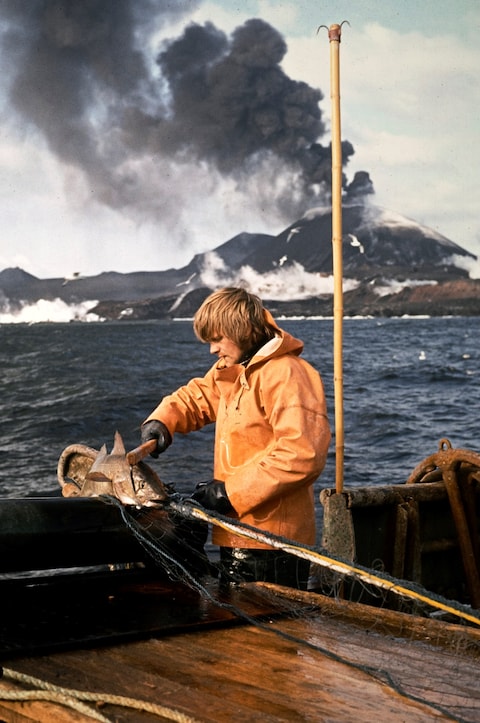
From outerwear to interiors, CEO and co-owner of 66°North Helgi Oskarsson walks us through the essentials of living like an Icelander
The Icelandic landscape has a way of ordering your attention. Steam rises from geysers on the brink of eruption, blue lagoons glow against plains of black volcanic sand, snow-covered trails fold into the mountains, and some of the world’s most indulgent spas sit amid it all. In Reykjavík, you might catch Björk slipping into a shop, just another local running errands. Beyond the city, moss-covered lava fields give way to sulphur rivers, glaciers push up to meet vast ice caps and waterfalls spill from basalt cliffs. The beaches stretch out in black ribbons. And overhead, the sun, rain, and clouds redraw the light every few minutes. Postcard-perfect hardly covers it.

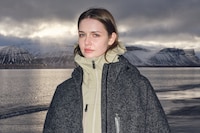
On an island with barely one-twentieth the population of London, it’s no surprise that many of its domestic goods remained secrets for so long, all shaped by its climate and temperament. For years, many of these remained Iceland’s own, known mostly to those who lived with them. Tourism changed that, and suddenly the rest of the world took notice. Outerwear label 66°North, for instance, feels almost woven into the scenery, not just through billboards but in the way Icelanders wear it as a second skin. Now, as the brand marks its centenary, the secret is fully out: one of the world’s great outerwear companies is stepping onto a global stage.
To mark 100 years, AnOther speaks with Helgi Oskarsson, CEO and co-owner of 66°North, who shares a few insights into the Icelandic way of living. Some of them you might even try at home – weather permitting.

Dress like an Icelander
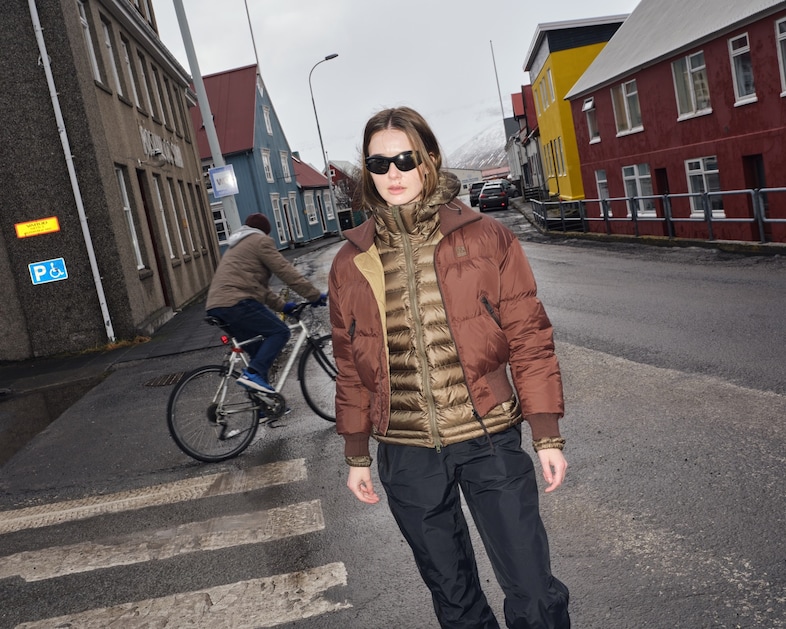
“In Iceland people often call their jacket an úlpa, More than just a coat, it’s a trusted and protective outer layer that helps you face harsh weather, and for many Icelanders it’s simply essential. 66°North has been part of the Icelandic nation for a century, and over 97% of homes own at least one item. There are a few pieces that stand out as true staples that people repeatedly choose for everyday wear: the Dyngja Down Jacket, a lightweight and versatile puffer for commuting in colder months; the Jökla Parka, developed in close cooperation with Icelandic search and rescue teams and film crews, a heavy-duty parka for extreme cold and durability; and the Tindur Shearling Jacket, a mid-layer or standalone piece that’s warm without being bulky. Because we face such diverse weather all year, proper functional garments matter; the úlpa often makes the big difference in everyday comfort. Over the past 10 to 15 years, we have seen fashion and outdoor wear grow closer, and in Iceland that fusion began long ago. Layering is rooted in our style, and Icelanders are unafraid to combine garments creatively as fashion and outdoor wear continue to merge.”
Smell like an Icelander
“Fragrance is deeply personal; you need to feel that the scent you’re wearing suits you and represents who you are, and your surroundings and lifestyle naturally influence which scents you gravitate towards. When we started the project with Fischersund the aim was to create a fragrance every Icelander could truly associate with, because nature is such a big part of our life. We wanted something pure that would reflect Icelandic nature, and Fischersund is very special in that way – founded on dedication, passion and a love for simplicity, authenticity and nature. By combining our vision, we set out to bottle the smell of Iceland. The fragrance we made together, Útilykt Spray is organic and many people who are allergic to regular fragrances find themselves drawn to the versions we co-created. Both brands share the same core ethos: a love for Icelandic nature, creativity and the desire to create products that resonate deeply and actually mean something to the people who use them.”

Eat like an Icelander
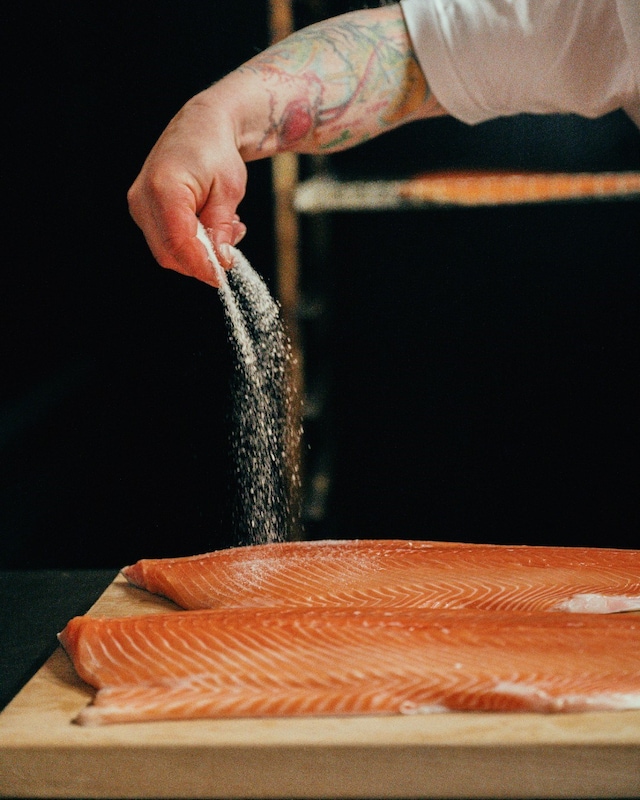
“Icelandic lamb has long been a favourite dish for many families and still is, and when you live in Iceland you naturally enjoy a wide selection of fish. On almost every corner you’ll find fish handlers offering not only fillets but all kinds of prepared options like curry haddock or sweet-and-sour cod; the varieties feel endless. And of course, there is the famous Skyr, a fermented dairy product that I like to enjoy clean with no sugar or added flavour but with a lot of 36% fat cream. Living in a cold climate means you need to eat fat, so many Icelanders drink cod liver oil every morning, and we eat liver and other products high in fat. Fish has always been a big part of our diet. Historically Iceland was a poor nation, so people ate everything they could get their hands on, including everything from the sheep – even the face! With more prosperity and food variety this has changed, and there’s a clear difference between generations. Today we’re lucky to have many great eateries around the country – OX, Sumac, La Primavera, Moss at the Blue Lagoon, Fish Market and OTO are among my favourites.”

Drink like an Icelander
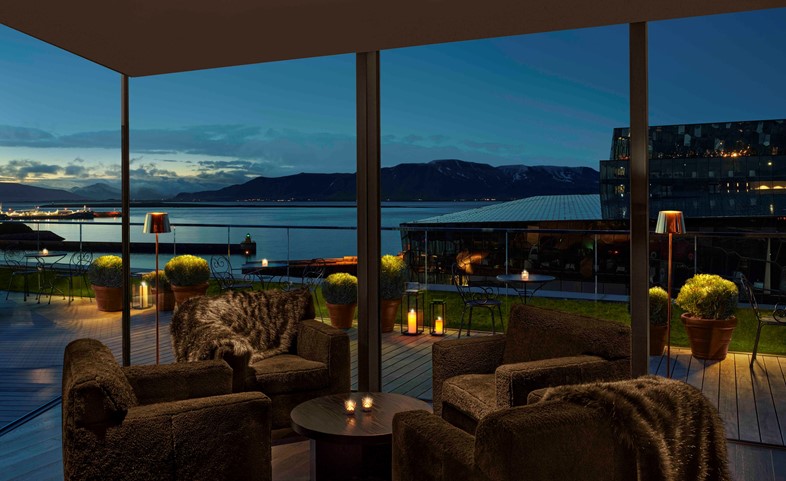
“Beer was banned in Iceland until 1989. Early last century we had prohibition like many other countries, and when that ban was finally lifted, it included every type of alcohol except beer. For that reason many people drank only strong liquor like vodka and Brennivín, so when I was growing up in the 1970s and 80s you often saw people very drunk in clubs because they had been drinking too much hard liquor. Today this is completely different. People’s drinking habits have changed, and more people simply enjoy a nice bottle of wine or a gin and tonic before dinner. Beer is now very popular, with many local brands from bigger producers to smaller microbreweries. More and more people also drink much less or nothing at all; the young generation drinks less than any before, and with more non-alcoholic options available many are choosing a healthier lifestyle. Beer is number one, but wine and prosecco are also popular. Where you drink depends on the experience you want – rooftop bars like the one at the Reykjavik Edition, many different pubs, or restaurants with world-class wine selections such as Moss at the Blue Lagoon Retreat.”
Decorate like an Icelander
“Icelandic interiors draw heavily from nature and Nordic handicraft, using natural materials like ceramics, wool, sheepskin and stone, and the choices often reflect our rugged landscapes. Because our winters are long and the weather extreme, people spend a lot of time at home, so interiors lean into warmth and comfort, thinking about how to light a space beautifully and how to add texture so the home feels welcoming. The home is a refuge from harsh weather, and many people prioritise comfort while personalising their spaces with art, ceramics and handcrafted objects. Icelanders pay a lot of attention to their homes because we often host guests; it’s part of our culture. We have many beautiful furniture stores – for Scandinavian and Icelandic-style interiors, Epal carries high-quality design classics. Many homes also feature pieces from smaller designers like Agustav, and Rammagerðin is a special store selling Icelandic design such as ceramics and candles. I’ve decorated my own home with paintings from Icelandic artists like Guðný Rósa Ingimarsdóttir and Ragnheiður Jónsdóttir, and I would love to add a glacier series from Ólafur Elíasson.”
