
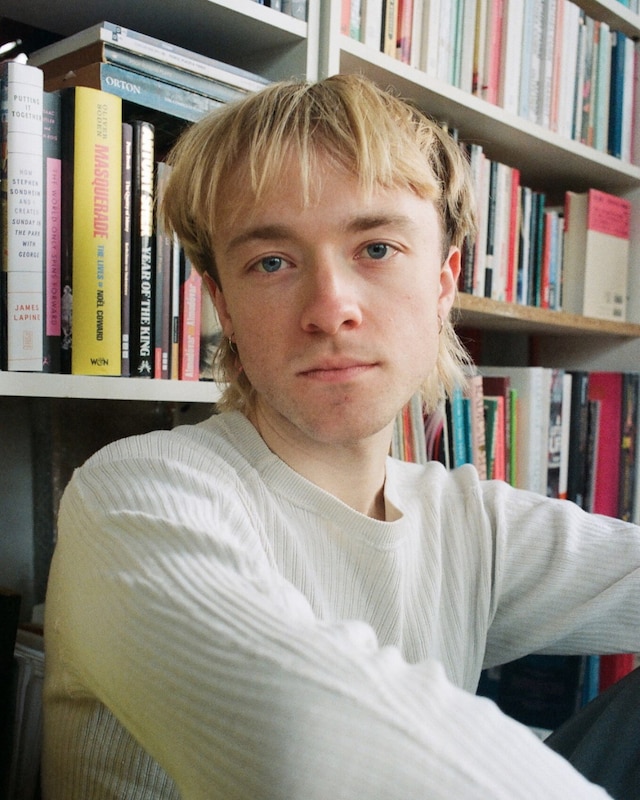
Now in its third season, Alastair Curtis’s The AIDS Plays Project is a loving act of preservation that doubles as a radical act of rediscovery
When Alastair Curtis founded The AIDS Plays Project in 2023, he wanted to shine a spotlight on playwrights whose lives were cut short by HIV/AIDS-related illnesses. Many were eminent in their time, Curtis says, but because they died at a cruelly young age, “their work has been marginalised and allowed to fly under the radar.” Now in its third season, the project is a loving act of preservation that doubles as a radical act of rediscovery. By staging queer work that has unfairly slipped into obscurity – and in some cases, never been performed before – Curtis creates an ongoing dialogue between today’s LGBTQ+ community and an earlier generation that was decimated by HIV/AIDS.
“Some of the plays we’ve staged were in real danger of vanishing entirely,” says Curtis, a writer and director based in London. “The people who saw them when they were written are getting older now, and so are the friends and family of the playwrights. So it just felt very vital to do something about it. This is a real grassroots effort to restage these great plays and celebrate the people who wrote them.” In some cases, this involves piecing together a script that has no definitive version in the archive. “It’s very exciting to bring back a play that has somehow fallen through the cracks.”

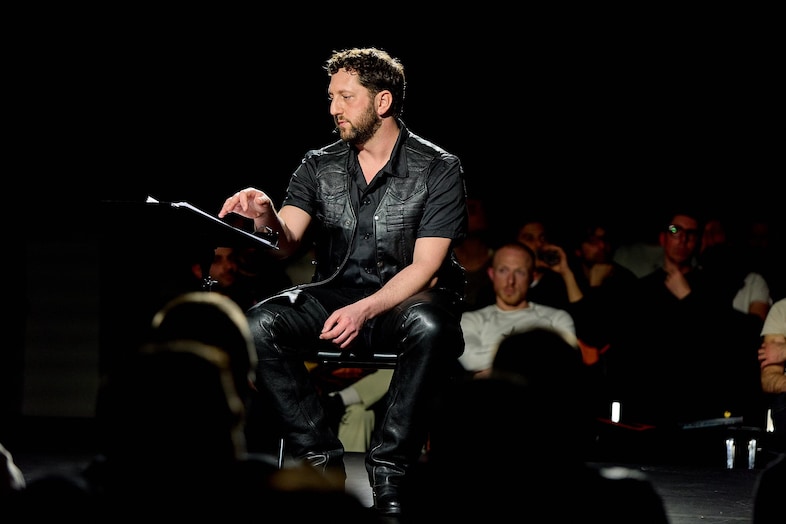
The project’s third season concludes this week with a rehearsed reading of The Rights, George Whitmore’s provocative 1980 comedy about straightwashing. Set on the queer idyll of Fire Island, it follows a former couple at loggerheads over their semi-forgotten Broadway musical, which they wrote many years earlier about their own romance. Paul needs his ex, Larry, to sign over the rights so it can be turned into a glitzy TV series, but there’s a serious sticking point: the network wants to make the characters straight. “It’s a wonderfully prescient play about queer culture and how it can sometimes be commodified and even censored for mainstream audiences,” Curtis says.
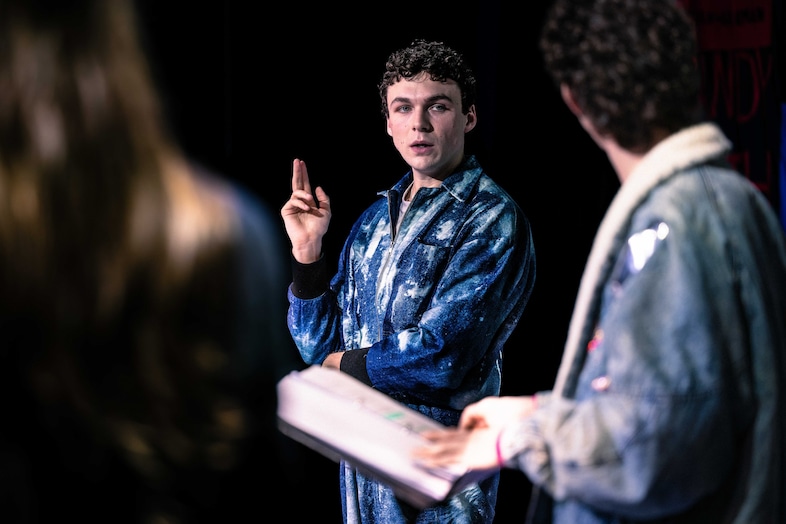
Because the project runs on a tight budget, each piece is performed either as a workshop, where the actors discover the text at the same time as the audience, or a slightly more polished rehearsed reading. In each case, staging is minimal and physical scripts are on full display. “We could put all our money into doing a fully realised production, but that would mean only putting on one show a season,” Curtis says. “And I think the power of the project lies in the way we get to stage as many plays as we can. It’s about showing the multitude and diversity of writers who were lost to HIV/AIDS.”

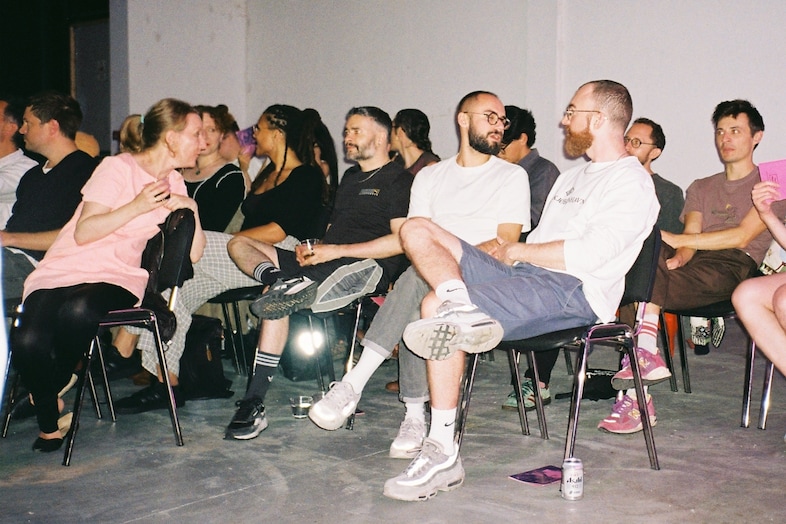
Curtis believes the stripped-back staging has added advantages. “We’ve found that audiences feel much more attached to the play because we’re all unwrapping it together,” he says. “And there’s something really joyous about watching actors show us their raw skill after very little rehearsal time.” Curtis strives to work with LGBTQ+ performers “as much as possible” and says he’s “particularly interested in how you can subvert things through casting”. When the project staged Richard Ludlam’s Camille, a raucous romp set in 19th-century Paris, he cranked up the high-camp antics by casting drag performer Sue Gives a Fuck as the glamorous courtesan Marguerite.
Each season of The AIDS Plays Project is curated with variety in mind. Its third began in September with the world premiere of Spook, Alan Bowne’s surreal supernatural comedy about two female cousins being wooed by a bisexual ghost. “The script was found in Bowne’s papers when he died, but we’re the first company ever to put it on,” Curtis says proudly. This season also included the overdue UK premiere of Cuba and His Teddy Bear, Reinaldo Povod’s devastating 1986 play about a New York drug dealer and his queer teenage son, who falls for one of his father’s clients. Robert de Niro starred in the original Broadway production, but it’s rarely been performed since Povod died in 1994 of tuberculosis and complications from AIDS.

A healthy sense of queer disruption also drives each season. “It’s really key that we find plays that unsettle the narratives that surround queer culture, particularly ones rooted in the tragedy of HIV/AIDS and early death,” Curtis says. “We also try and veer away from the more typical gay coming-of-age stories, partly because many of the writers we’re interested in never really wrote plays like that. But really, we want to showcase works that are every bit as diverse as the range of queer experiences.”
The AIDS Plays Project will return for a fourth season next year, but Curtis is also working on a book featuring seven plays they’ve already put on. Where possible, the text will have a foreword from the playwright’s friends and family. “We’re creating this volume so that students and theatre-makers around the world can restage these plays. That’s really the only way that they get into the canon,” Curtis says. “It’s a real ‘pinch me’ moment knowing we’re helping to preserve a part of our queer cultural heritage that could have been lost.”
The Rights by George Whitmore is staged by The AIDS Plays Project at London Performance Studios from 4-6 December 2025.
