
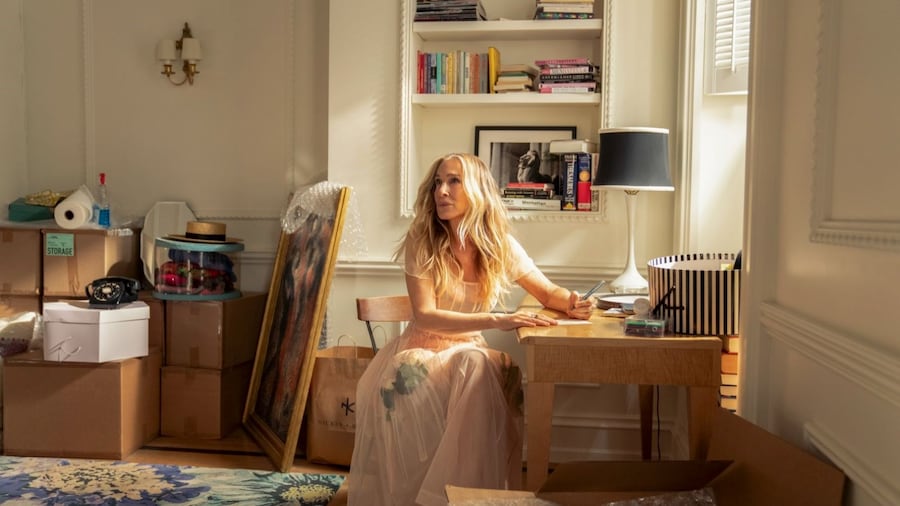
As its final ever episode airs, Patrick Sproull reflects on And Just Like That – an uncanny and absurd yet deathly serious TV show with good intentions. It was a thrill to tune in each week
The day before HBO cruelly pulled the plug on And Just Like That, the series introduced a plotline about an elderly asexual puppeteer masturbating to a marionette version of Carrie Bradshaw’s friend’s friend’s boyfriend. In the same episode, Miranda confronted a farting pregnant shampooist who then briefly waterboarded her. Was the abrupt cancellation the universe’s way of telling the Sex and the City sequel series that it had gone too far? Was puppet masturbation and farting shampooists the sun that its creator, Michael Patrick King, had flown close to? Either way, the TV landscape has suffered a devastating loss this month.
It’s sad and strange to now live in a world without regular windows into the life of Carrie Bradshaw. 11 years passed between the abject Sex and the City 2 movie and And Just Like That, yet she wasn’t really missed in that time – the second film’s jet-set racism decimated any goodwill towards the characters. But when she came back into our lives as an even more grotesquely wealthy and introverted socialite, it was like reuniting with an old friend you hadn’t realised you missed. Much of And Just Like That’s heavily asterisked success rested entirely on Sarah Jessica Parker, who immediately found Carrie again – even when the writers didn’t.

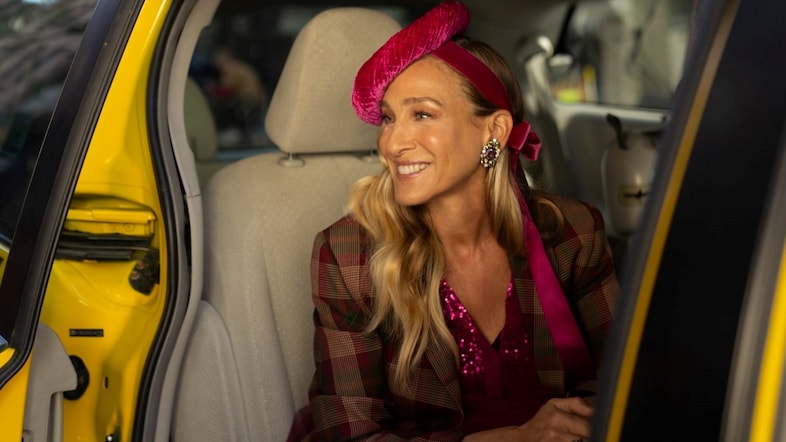
The end of And Just Like That feels abrupt. It had the leisurely feel of a show that would amble on for years to come, but now we’re suddenly faced with the question of its legacy. The headline in the history books will always be its pathological obsession with timeliness. It strained so hard to seem relevant – as if the return of Carrie, Miranda and Charlotte wasn’t enough of an event – that the first line ever spoken in it is quite literally: “remember when we had to legally stand six feet apart from one another?” Premiering in late 2021, with lockdowns still a looming threat, dialogue like this felt extremely premature, but as a now-complete piece of Covid-era art, And Just Like That unfortunately nailed just how mentally compromised people were after the pandemic – it was there in the characters and in the writers’ room. The existence of the social justice terrorist Che Diaz as well as Miranda’s alcoholism and inability to use pronouns and talk to Black women properly were sad cultural symptoms of the early 2020s; longtime fans just didn’t want to hear it – and they still don’t.
Sex and the City was often critiqued for never existing in the real world – New York was the fifth woman in the group, yet 9/11 went unacknowledged – but in course-correcting, Michael Patrick King grounded And Just Like That too firmly in our depressing pandemic-addled reality. Season one was about mourning the dead and how difficult it is to keep on top of all this newfangled #woke language; what fans needed more than anything was cocktails, sex and a Covid-free city. Putting aside the pandemic and ‘how you doing, fellow kids?’ attempts at relevance, And Just Like That quickly lost any semblance of a thesis. Killing off Mr Big in the first episode was its shrewdest decision, an ambitious rug-pull that set Carrie back to square one, but it never capitalised on it. The idea of newly single 50-something Carrie Bradshaw was teeming with potential, but And Just Like That was so bizarrely obsessed with not being Sex and the City that Carrie going on dates and actually enjoying her life was something that had to be avoided at all costs.
There was a fug of sadness sitting on top of the show from the get-go. Much of this was induced by external factors – the absence of Kim Cattrall (Samantha), the death of Willie Garson (Stanford), the sexual assault allegations against Chris Noth (Mr Big) – and the series’ decision to focus on the darker aspects of our 2020s existence only compounded the strange, melancholic tone. Arguably, And Just Like That needed to be fun and flirty even more so than Sex and the City, and its admittedly addictive vibe – uncanny and absurd yet deathly serious – was never able to land its po-faced and often patronising observations on ageing and life after 50. Its intentions were good, but Carrie Bradshaw pissing the bed after a hip replacement sounds like a parody version of what Sex and the City would look like today.

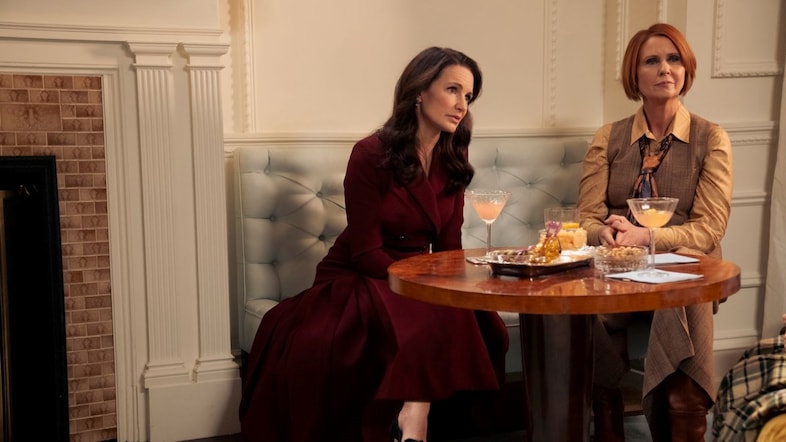
Yet its sundry contradictions coalesced into a kind of paint-huff fever dream – anything could be said at any minute, any plotline could suddenly contort itself in painful ways, like an ingrown toenail. It was a thrill to tune in each week! Lest we forget the time Miranda stopped her Black female professor from getting mugged by a tiny person dressed as the evil doll Chucky shortly after implying Black women with braids can’t be professors. Or when Carrie was invited to speak at WidowCon, a conference for widows. Or when Charlotte’s dog was framed as being violent at the dog park and got cancelled on Instagram. And Just Like That was the best and worst thing on TV – may it rest in peace.
In spite of the writing, we clung to our time with these characters. Sarah Jessica Parker, Cynthia Nixon and Kristin Davis did Herculean work to maintain our affection towards Carrie, Miranda and Charlotte despite how their characters acted. In what might be the final ever screen appearance of Carrie Bradshaw, she was offered an oversized toy called Tommy Tomato to sit next to at lunch, like she was a Labrador with anxiety or a very elderly person with dementia. Consciously or not, the writers of And Just Like That often treated Carrie Bradshaw with disrespect – but this isn’t her fans’ first time at this rodeo. In 2010, she hitched up her burqa to flash a cab driver in Abu Dhabi and we made peace with it; 15 years later, we will do the same again.
Season 3 of And Just Like That … is available to stream on Apple TV+ now.
