
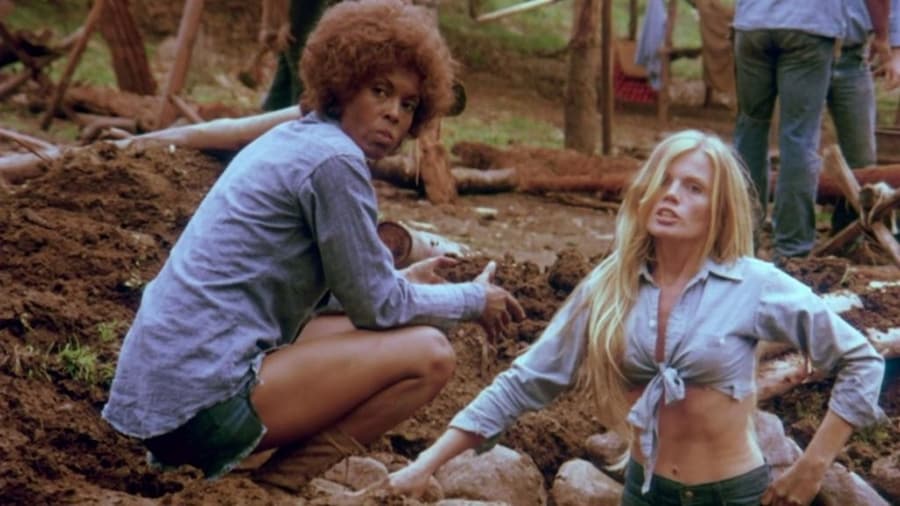
As her retrospective season screens at the Barbican, AnOther has curated a guide to five of Stephanie Rothmann’s most defining countercultural films
The boom of exploitation films in the 1960s and 70s seems, at first, difficult to define. They are made up of a seemingly endless constellation of sub-genres that aim to cash in on – and exploit – sensationalism and hot-button social issues, like the dark hippie trip of Easy Rider, or the blaxploitation films headlined by iconic actors like Pam Grier. Behind the camera, exploitation was largely made by male filmmakers, something that would often be reflected in the fraught gender politics of the films themselves. Jack Hill’s woman-in-prison and girl gang films seem unsure what to do with so many female characters; the Italian sub-genre of giallo often relegates female characters to victims and/or sex objects.
And then, there’s Stephanie Rothman. A cult filmmaker who came up through the production companies of exploitation impresario Roger Corman (who also nurtured talents like Peter Bogdanovich and Martin Scorsese), Rothman’s films – due for a retrospective season at the Barbican – explore the various sub-genres of exploitation while infusing them with a sly, feminist critique. Whether she’s taking the women-in-prison genre and placing it on an abandoned island of fraught political alliances, or skewering the chauvinism of countercultural men, Rothman’s sadly spare filmography of seven directorial efforts explores the limits and possibilities of exploitation cinema.
As her Hidden Figures season screens at the Barbican, AnOther recommends five films from countercultural director Stephanie Rothman.

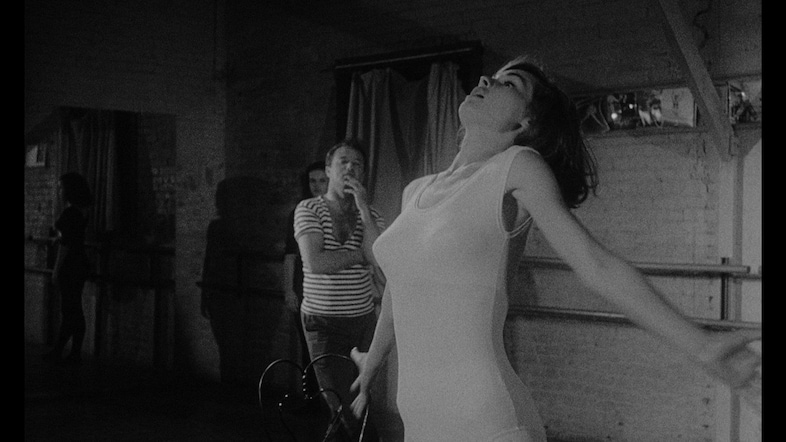
Blood Bath (1966)
Rothman’s debut is a ramshackle effort, a story stitched together from the efforts of three different directors, including Jack Hill – with Rothman hired halfway through the creative process to make the film suitable for the American market – and attempts to tell the story of a painter driven to madness and murder by visions of a woman from his past. When Rothman was brought on board to salvage the already troubled production, she turned the homicidal artist into a vampire, and shot a series of experimental dream sequences and bursts of violence. This far-from-perfect finished project shows Rothman’s ability to cast a wry glance at the counterculture – two people making out in the backseat of a car leads to a vampiric murder – and the development of her visual language as a filmmaker.

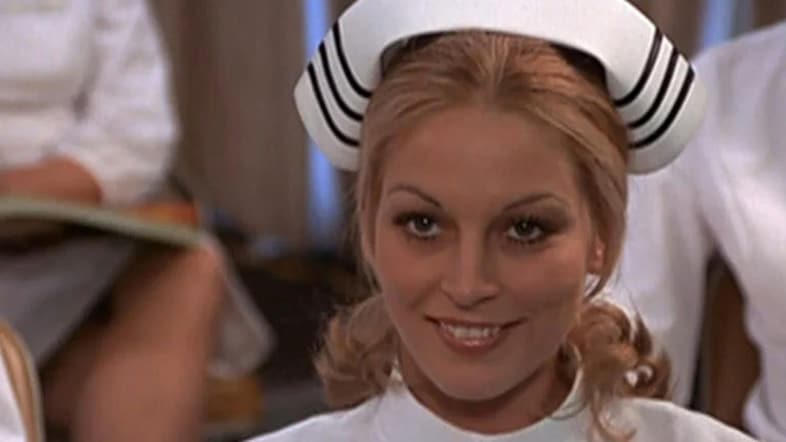
The Student Nurses (1970)
Rothman’s first film as a solo director was produced by Roger Corman’s company New World Pictures. The idea was pitched to Corman as a film about sexy nurses, and in an interview, Rothman recalls the idea that “nurses were popular male fantasies at the time because they were caring, and they were women who could legitimately touch men all over.”
While the film was required to have nudity and violence – it opens with an attempted sexual assault – The Student Nurses is light on what might be called “exploitation” fare (Rothman herself didn’t see it as an exploitation film), and instead becomes a politically charged drama about a group of young women fighting for their agency in both their professional and personal lives. Rothman captures an acid trip, political rallies, and a sub-plot about a character choosing to terminate a pregnancy with real nuance and empathy. As with so many of the films that would come after it, Rothman’s perspective is rooted in placing her female characters in active roles, refusing to simply let them be seen as objects of male desire.

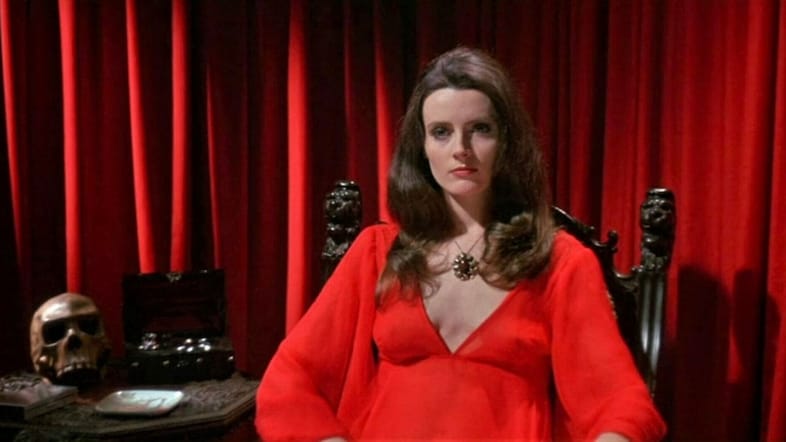
The Velvet Vampire (1971)
Returning to the horror genre for the first time since Blood Bath, The Velvet Vampire is another story of a character who may or may not be a creature of the night. Full of deliberate, tongue-in-cheek references to vampire mythology – an early, pivotal scene takes place in The Stoker Gallery – and skewering the sexual double-standards of the counterculture, Rothman subverts the then-typical gender dynamics of the vampire film, with a male character becoming the victim of a female bloodsucker. Full of visual trickery, like dream sequences out in the desert, and a voyeuristic mirror that lets the vampire Diane look in on the couple staying in her secluded estate, The Velvet Vampire brings together the ideas and obsessions that would continue to animate Rothman’s career.

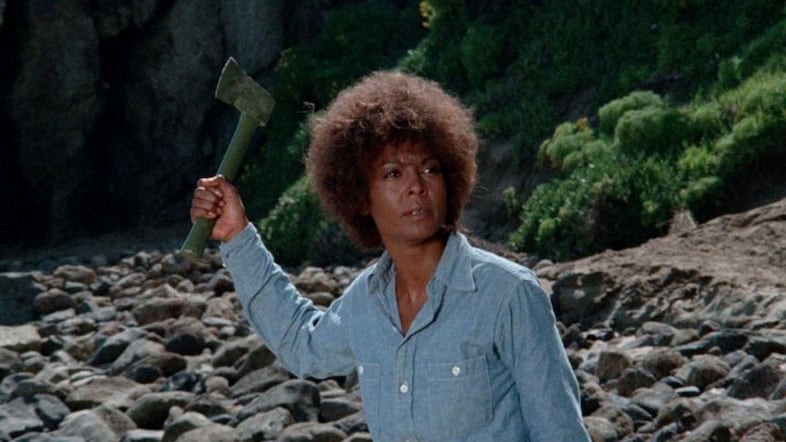
Terminal Island (1973)
Rothman’s riff on the woman-in-prison sub-genre, Terminal Island takes place on a secluded isle murderers are shipped to after the state of California outlaws the death penalty. Opening with news footage to explain the core concept, Terminal Island dives into the fraught politics that often animate these films. Here, Rothman draws distinctive, gendered lines – where the male prisoners treat the women as property – with bursts of violence acting as a kind of political awakening. The film even ends on the idea that Terminal Island might be transformed into something new after the old regime is violently overthrown.

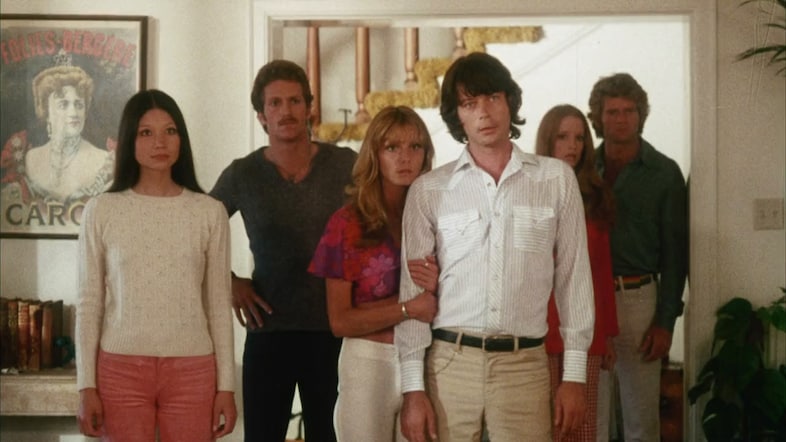
Group Marriage (1973)
Rothman’s films are almost all political, something most explicit in her polyamorous sex comedy, Group Marriage. As the couple Chris and Sandor both discover that they love each other while still liking other people, their relationship expands into a polyamorous group of three men and three women. Here, Rothman’s jabs at the counterculture are more playful – Chris’ outrage when Sandor calls her “over-sexed” like it’s a bad thing – and instead she casts the mainstream as being less understanding (the “group marriage” receives criticism and leering press coverage). The climactic marriage ceremony of not only the eponymous sextet, but also their gay neighbours Rodney and Randy, shows how much Rothman’s gaze challenges the mainstream not only in film, but society more broadly.
Stephanie Rothman: Hidden Figures is screening at the Barbican in London until 14 August 2025.
