)
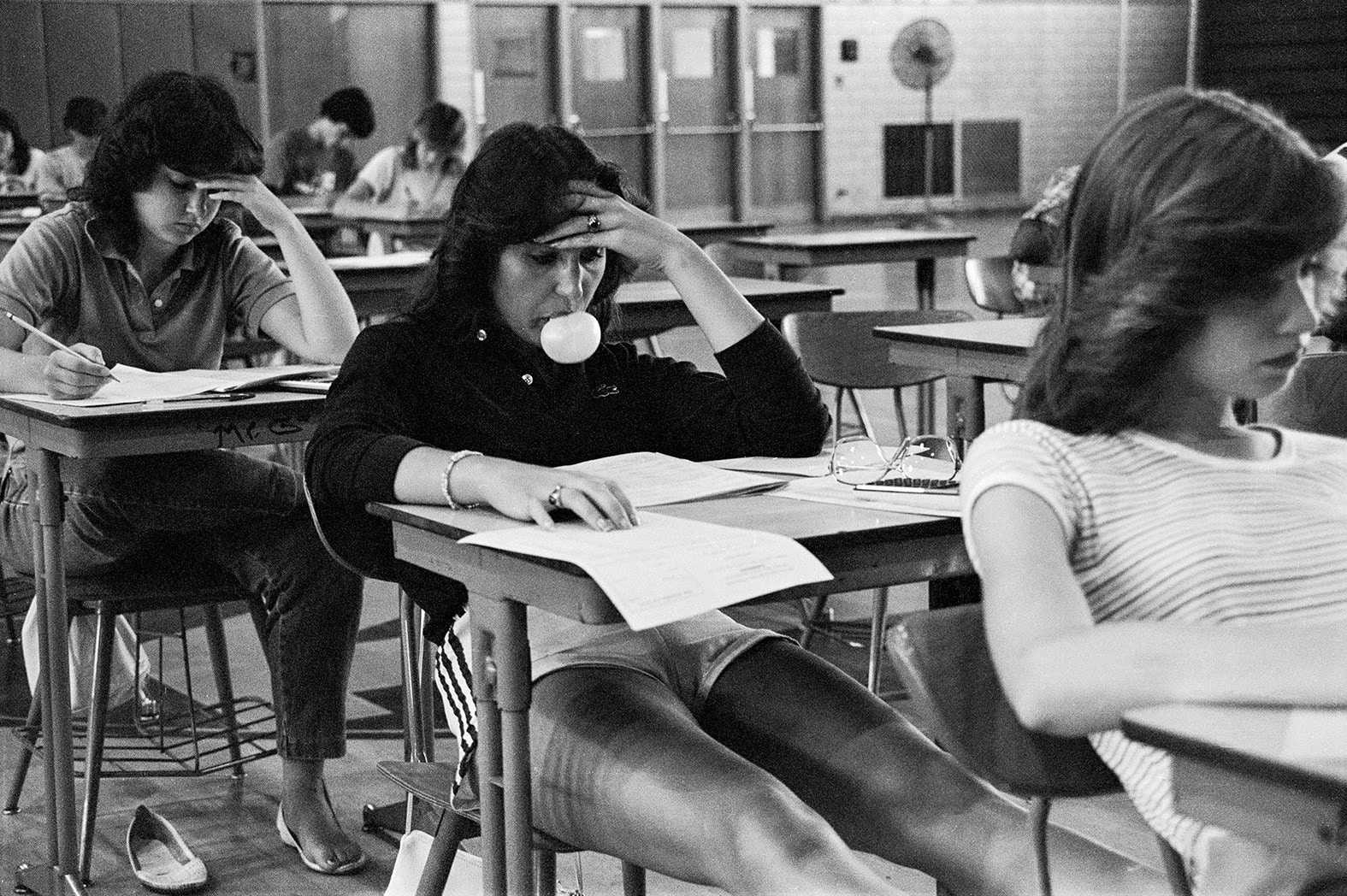
This article has been updated from an interview with Joseph Szabo published in June 2023.
Sofia Coppola has long understood the rich texture of adolescence. Important Flowers, the publishing imprint she established with Mack, extends that eye across film, photography, art and fashion, and its latest title feels at home. Here, AnOther can exclusively preview American Teen, a 240-page book bringing together Joseph Szabo’s renowned and previously unseen photographs of his students on Long Island during the 1970s and 1980s, with new texts by commissioning editor Coppola and Sonic Youth’s Kim Gordon.
)
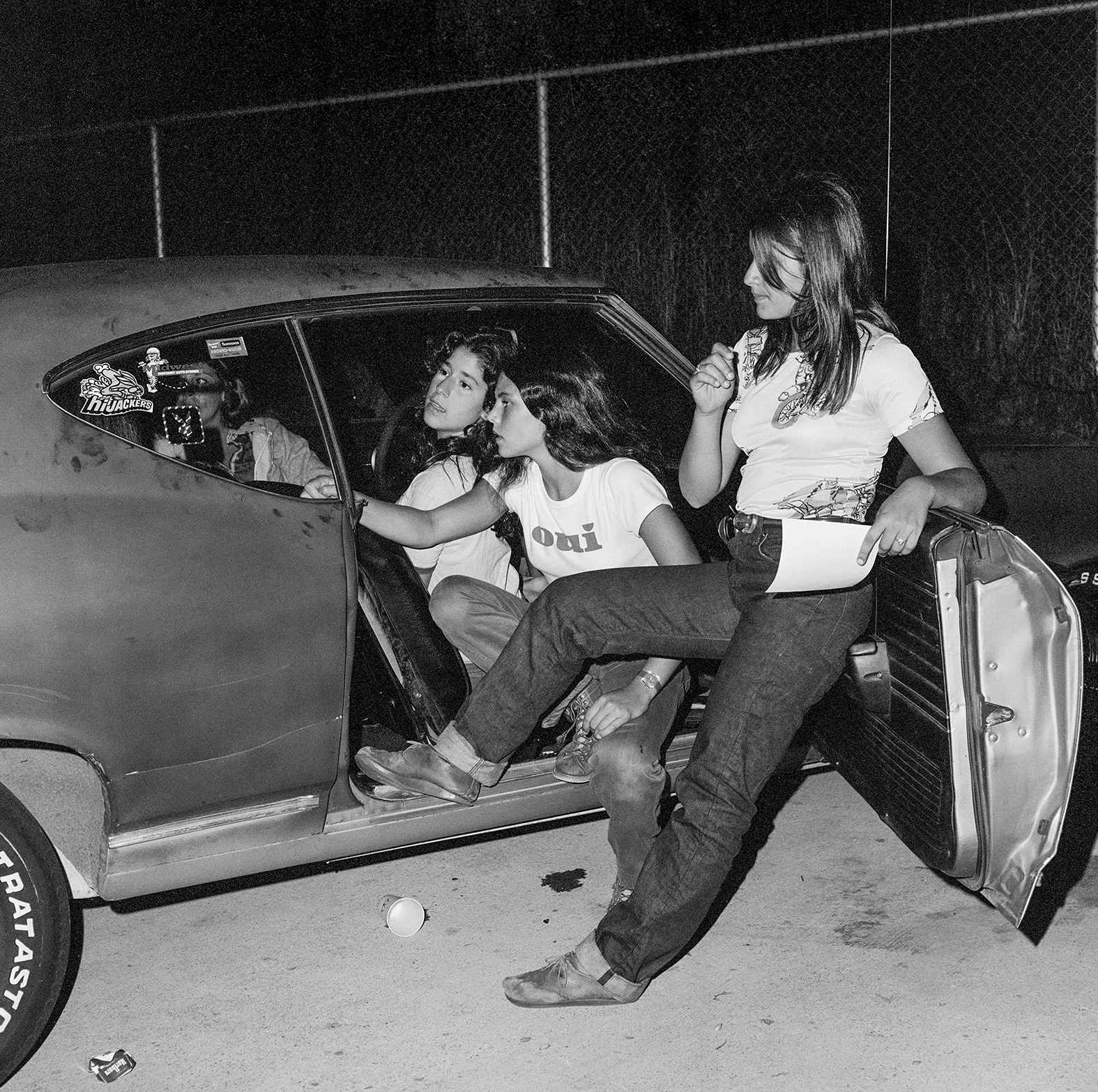
Szabo’s black-and-white images occupy the same charged territory that has long fascinated Coppola – the poses and performances through which young people invent themselves, and the inner lives that remain just beyond an adult’s reach. “I love the kids in his photos,” says Coppola in the book’s foreword. “I love how they don’t pose – they know him and his camera so well that they’re comfortable just being themselves. We feel like we’re looking into their world with them, as part of it.” Teenagers smoke, sprawl across desks, lounge on beaches and gather at a Rolling Stones concert. Bringing together images first published across several volumes, American Teen forms a portrait of a generation.
When Szabo began teaching art at Malverne High School on Long Island in 1972, the optimism of the hippie era was fading and the ‘Me’ generation was coming of age in suburbs across the United States. Szabo noticed the generation gap immediately. “Kids would come to school wearing farmer jeans and flannel shirts, everything, extremely relaxed. In my previous teaching positions, I had to wear a suit and a tie all the time, so I was sort of thrown,” he remembers. “This was a time when there were a lot of drugs around. It seemed to me kids weren’t really interested in education and I thought, ‘I’m not going to last in Malverne.’”
)
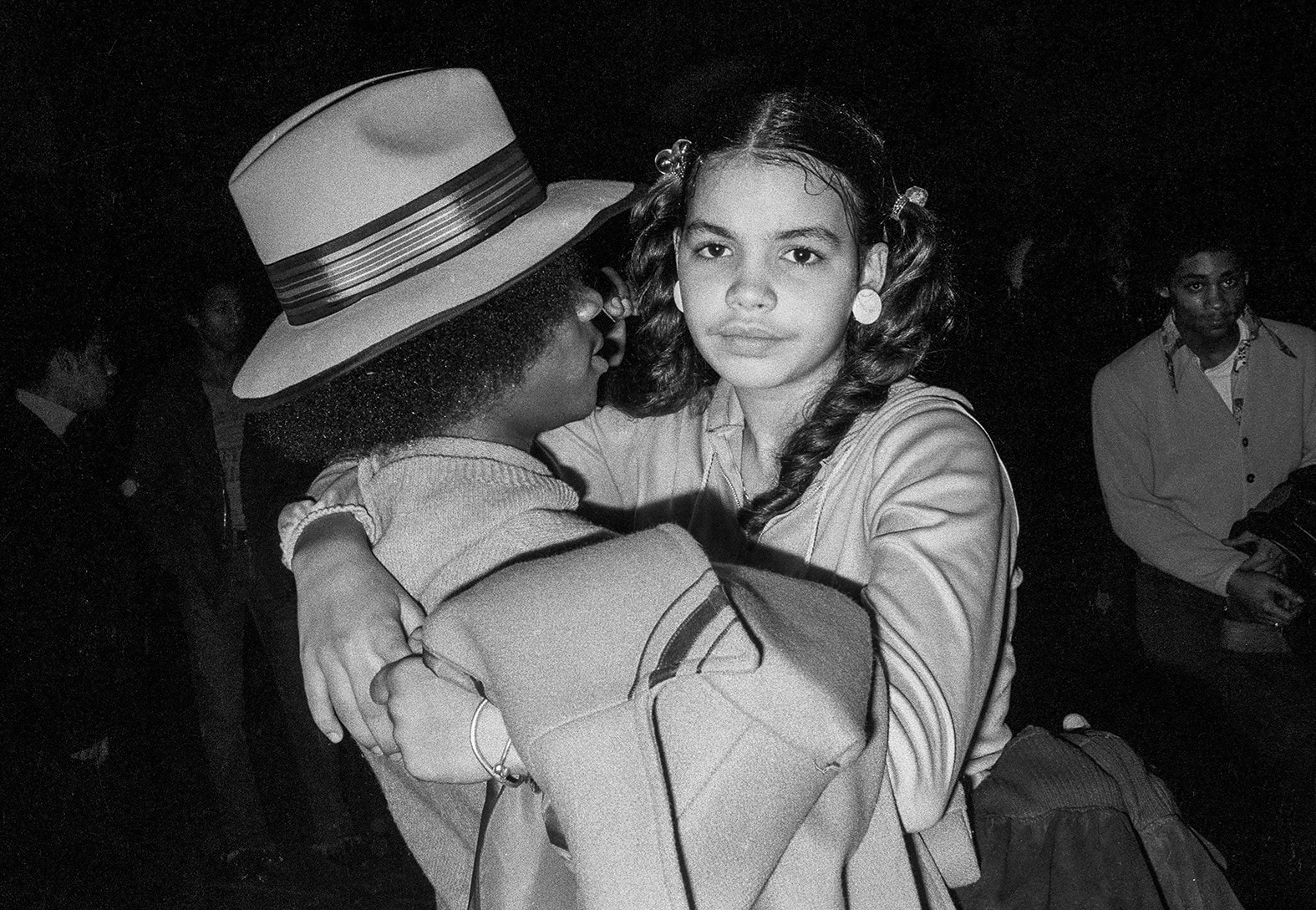
Then inspiration hit: why not bring a camera to school? In that simple act of seeing and being seen, Szabo bridged the divide, creating a moment of mutual recognition between himself and the students. “For a teacher to really know their subject, it’s not enough to get a Master’s degree. What really counts is your personal relationships,” he says. “I was paying attention to them as individuals, not just as students sitting behind a desk. I realised it was important to be inclusive of everybody, not just the smart, gifted and good-looking kids.”
Photography also offered a route to those who were otherwise disengaged from school. Szabo set up a photography club and darkroom, teaching students to make and print their own work. “I would say, ‘Let’s try it this way,’ and show them how it would be done. They would catch on quickly, and that’s one reason they kept taking photography year after year,” he says. “I remember one girl saying to me, ‘Mr Szabo, you don’t treat us like kids. You treat us like adults.’”
He began contributing to the yearbook and carried his camera everywhere. Influenced by Henri Cartier-Bresson and Helen Levitt, Szabo treated the yearbook photograph as a work of art, catching the decisive moments of American adolescence with a romantic, rock and roll charge. “At the same time, I was taking courses at the International Center of Photography and I realised that this was going to be my long-term project as an artist,” he says. From 1972 until his retirement in 1999, Szabo built one of the foremost photographic archives of American youth.
)
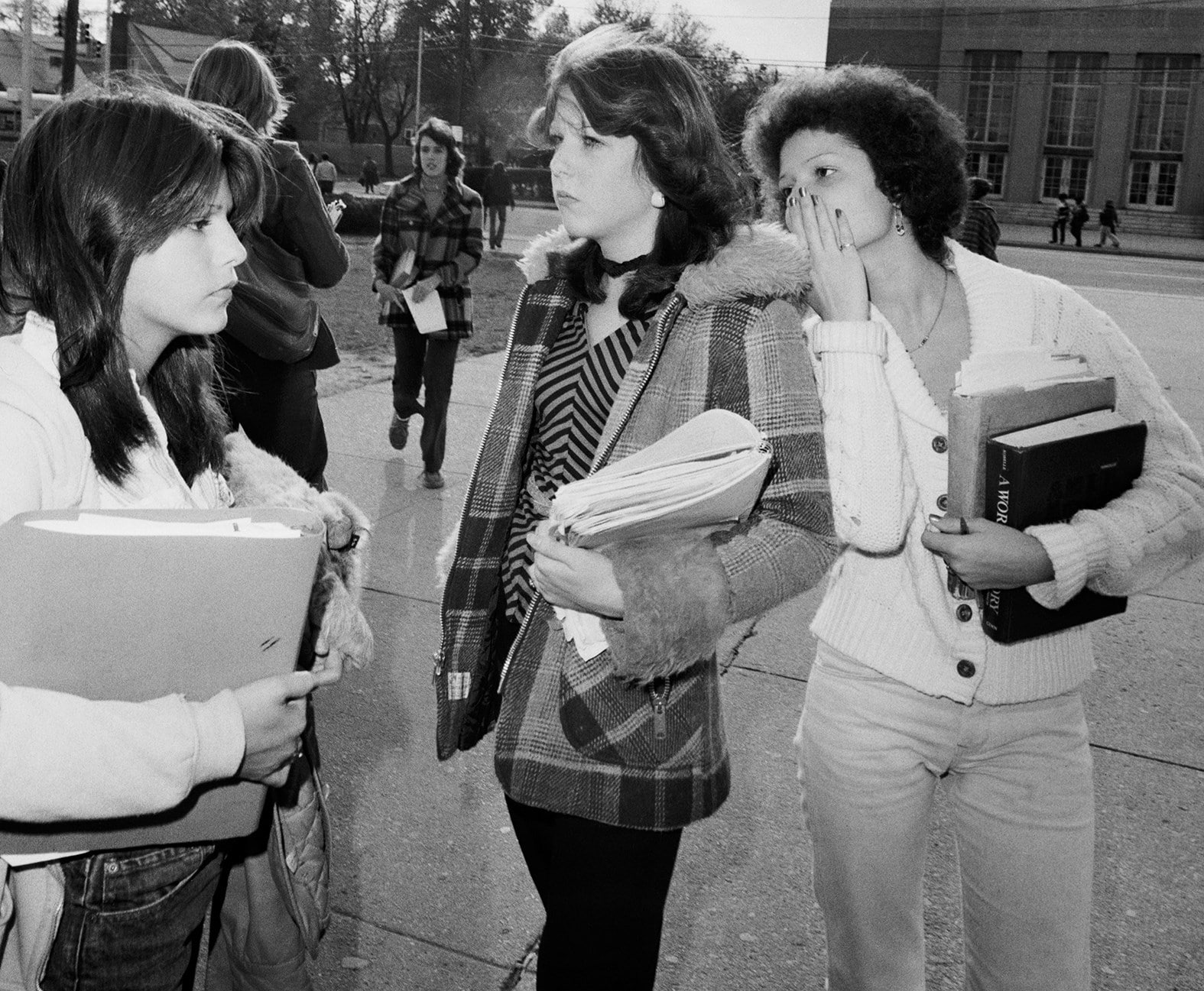
Inspired by Brassaï’s 1977 photographic memoir The Secret Paris of the 30s, he was drawn to the semi-secret world of teenage life. The trust he built with his students brought invitations to parties where adults were otherwise absent, allowing him to photograph with unusual intimacy. In 1978, he published Almost Grown, pairing his images with poems written by teenagers and an introduction by Cornell Capa. “It was a success, which was beyond my dreams because I never thought that I would be able to do something like that,” he says.
After retiring, Szabo returned to the archive, publishing books including Teenage, Jones Beach, Lifeguard, Hometown and Rolling Stones Fans. He also reconnected with former students through Facebook. “They were overjoyed to see the photographs and would say they bring back wonderful memories,” he says. Their recollections have given the images an afterlife, turning Szabo’s record of one generation’s adolescence into a collective memory.
Many of the photographs have their own story that adds another layer of depth and connection to Szabo’s work. Pointing to Deli Corner, 1977, Szabo remembers Chris, the young man pictured. “He’s a natural-born businessman. In fact, he and another student were the ones who set up the Rolling Stones concert in 1978.” The pair asked Szabo to drive them to Philadelphia. “And I spent the whole day taking all these photographs of Rolling Stones fans,” he says. “It was manna from heaven.”
American Teen by Joseph Szabo is published by Important Flowers, an imprint of Mack, in October 2026.
