
With works from Irving Penn, Helmut Newton, Richard Avedon, Daidō Moriyama, and more, a new exhibition at Hamiltons gallery explores intimacy and detail, as seen by the modern masters of photography
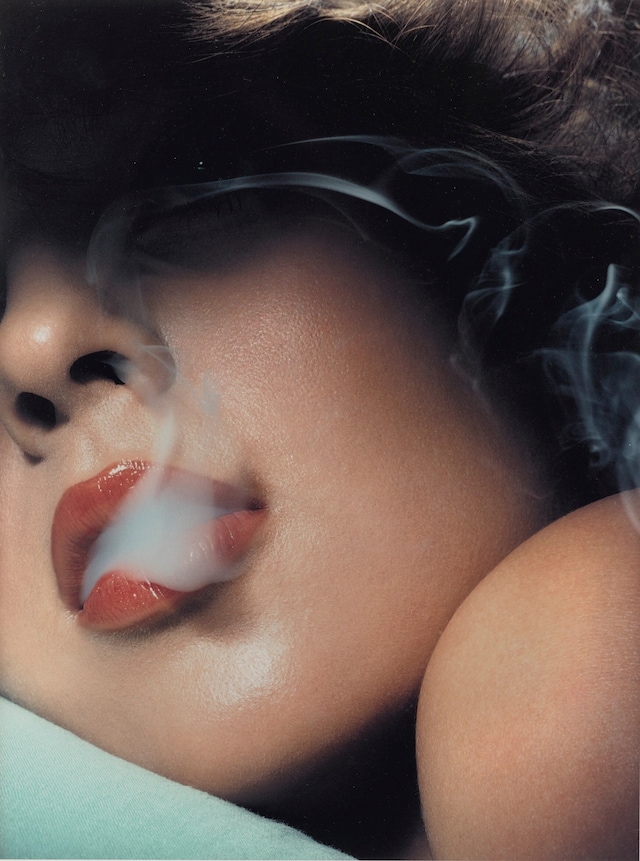
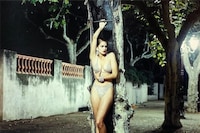
Cindy Crawford poses in front of a hollowed tree in St Tropez, like Botticelli’s Venus, shot by Helmut Newton in 1991 for American Vogue; Brigitte Bardot shot by Richard Avedon in 1959, an image later used by Andy Warhol for his renowned silkscreen series; Hiro trains Maria Beadeux to smoke, inspired by the opium dens that he saw as a child growing up in the 1930s; William Wegman’s 1981 triptych of a dog quietly sat by a pond; a 1969 screenprint by Daidō Moriyama; manikins aplenty. Each work currently on display at Hamiltons as part of its new exhibition, Up Close, tests the distance between subject and lens.

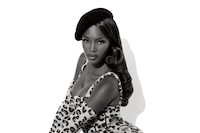
From Herb Ritts to Irving Penn, Erwin Olaf to Helmut Newton and more, it’s an exhibition of work by photographers who have defined the visual language of the 20th century and continue to influence photography today.
Opening in tandem with Photo London and running for the month of May, Up Close is a survey of intimacy, detail and closeness. “With Photo London on the calendar, we began thinking about how the fair encourages people to get up close to photography,” says Tim Jefferies, Hamiltons gallery founder and principal. Jefferies treated the gallery as though it were a booth at an art fair, curating a selection of works by photographers Hamiltons has represented for decades. “The shared thread between these images is that they’re up close, they’re taken at close proximity.”
The breadth of artists represented are testament to the gallery’s legacy. Founded in 1977, the gallery soon turns 50. We’re also approaching 200 years since photography’s inception, a representative of the gallery points out. The exhibition becomes a triptych in its own right – a picture of Hamiltons at 50, a marker of image-making on the cusp of its bicentenary, and a call to slow down and take in beautiful photography, up close, in the wake of Photo London.

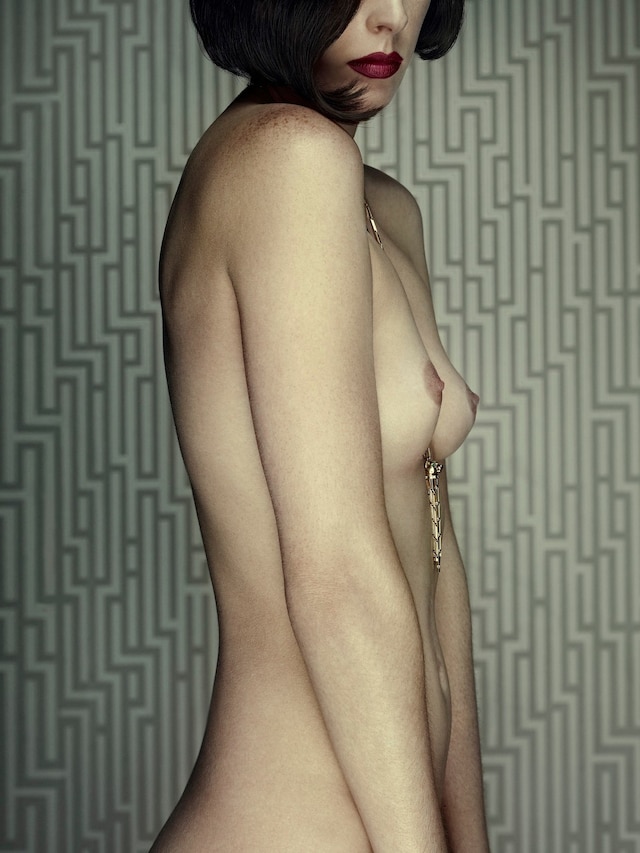
“Like those at Photo London, the exhibition reinforces photography’s position in public consciousness,” says Jefferies. “We can’t move without being impacted by photography, it’s all around us, we’re bombarded with it – online and on social media. I think people can become desensitised to it.” Exhibitions demonstrate the importance of engaging closely, physically, with art – “each work, curated, framed and mounted, presented in a gallery environment, not on a backlit screen.”
Much of the work on show carries fascinating artistic lineages and cultural afterlives. Avedon’s portrait of Bardot, taken in 1959, later became the basis for Andy Warhol’s silkscreens at the request of Gunter Sachs. Hiro, who rose to extraordinary heights in fashion photography, interned with Avedon. Now their images are juxtaposed. Irving Penn photographed flowers as though they were people, like portraits up close and personal. His photo Cottage Tulip, from a series which began 1967 and continued through the 2000s, has a humane quality to it – its petals textured and porous like skin. “It’s interesting to note how certain images have a cultural afterlife or stride through different decades and generations with different meanings, perhaps, from when they were first taken,” says Jefferies.
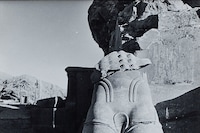
Horst P Horst’s 1949 photograph, Steer’s Hoof, Runs of Persepolis, depicts a historic Persia, now Iran. “Iran – a word, a name, a country – is on everybody’s mind, and images of it in the present day are everywhere,” says Jefferies. “It’s nice to be taken back to a period in time which celebrates the extraordinary cultural legacy of Iran, which Horst’s picture does.”

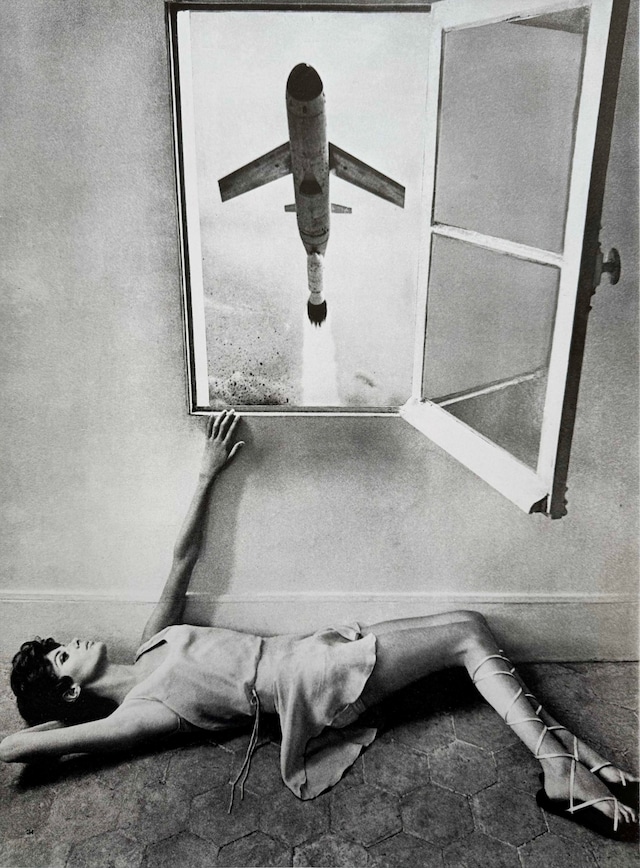
“When one has the privilege of working with the very best practitioners of their medium, the masters of their craft, making a selection of important or relevant images becomes less problematic,” Jefferies says. “Up Close is a celebration of quality and the closeness, the proximity, is what ties the whole presentation together.”
Up Close is on show at Hamiltons in London until 30 June 2026.
