
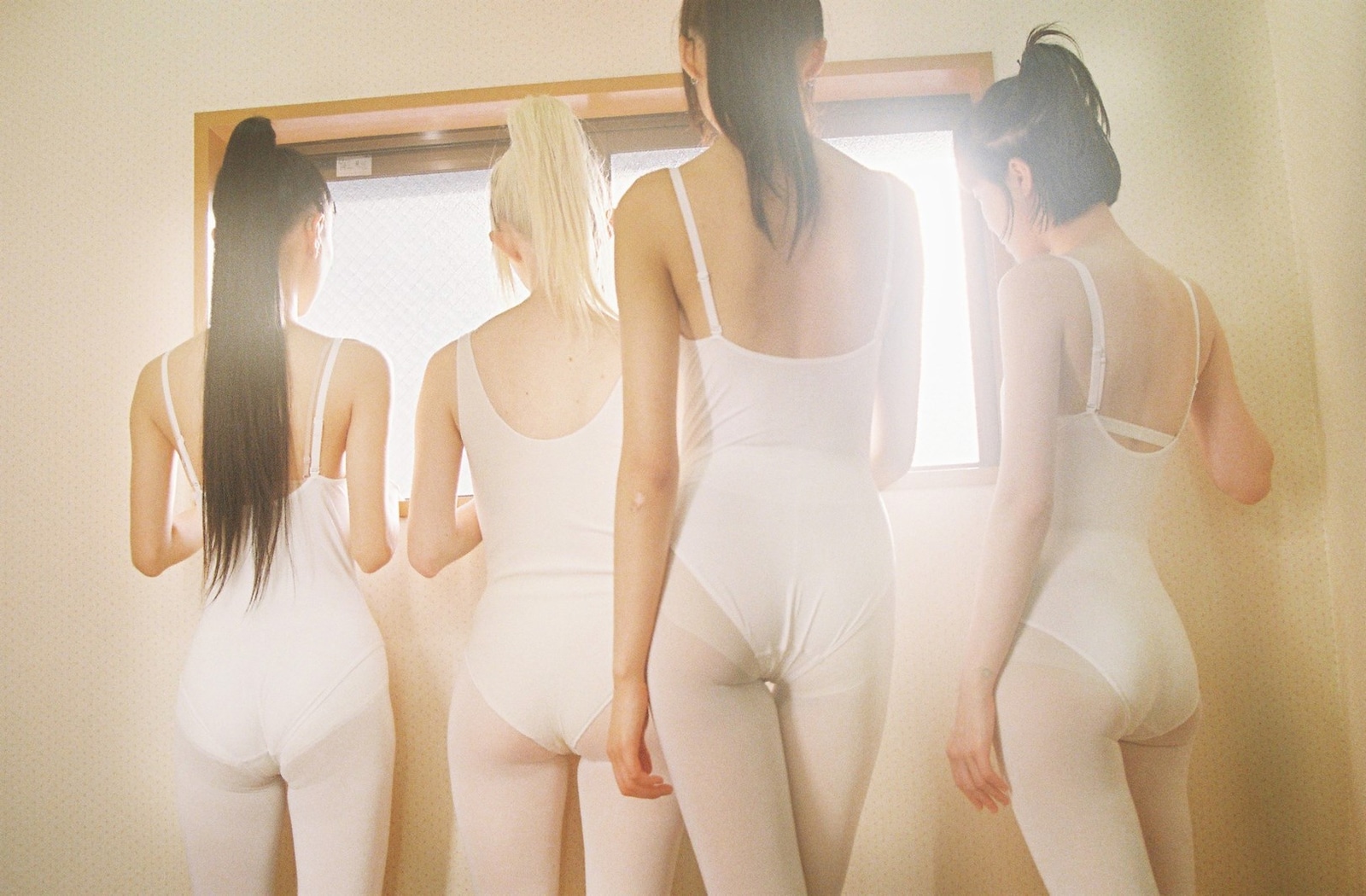
Petra Collins occupies a rare position – she is a photographer who has become, in her own right, a public figure. Few other contemporary image-makers shoot as many magazine covers as they star on them (the Canadian-Hungarian artist holds one of her green eyes closed on the front of this month’s i-D), while her output has been widely praised beyond its beauty to be culture-defining. So connected to the aesthetics of modern girlhood is her world that when Euphoria arrived on HBO, people kept telling her it looked just like her photos. It did, because Sam Levinson had enlisted her to work on the show for five months before HBO dismissed her just ahead of filming (something she has since spoken about openly). It was, at best, an oversight; Collins had already spent the better part of a decade setting a stylistic mood that ran through fashion, music and pop culture alike, capturing stars like Rosalía, Zendaya, Olivia Rodrigo and Selena Gomez in campaigns and music videos, while filling galleries and books with her fine art practice. At the heart of it all has been a fascination with the fantasies and fears of young women today, both online and off.
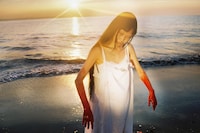
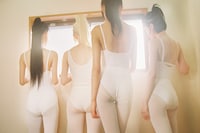
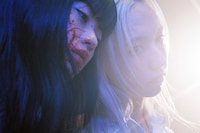
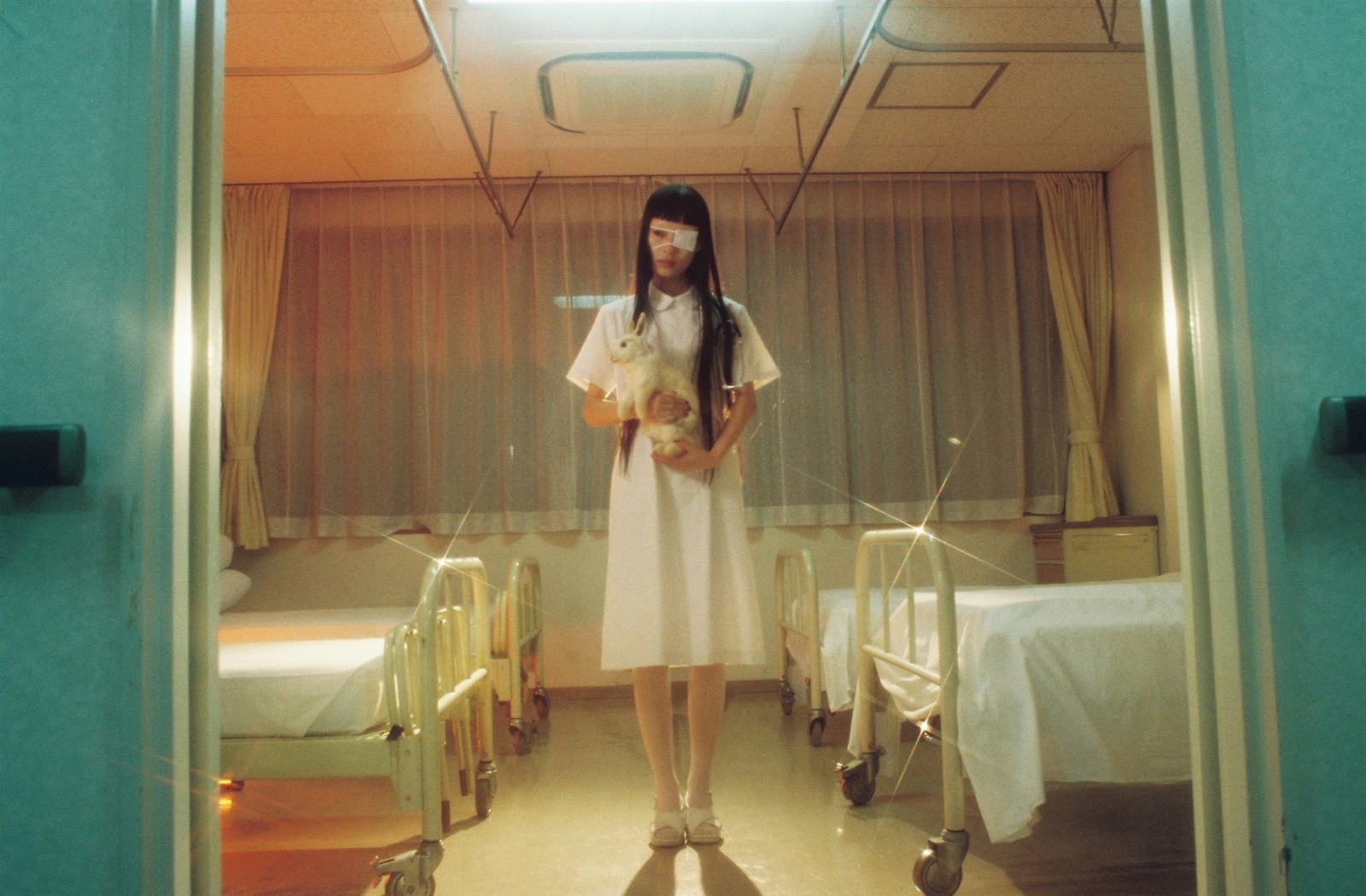
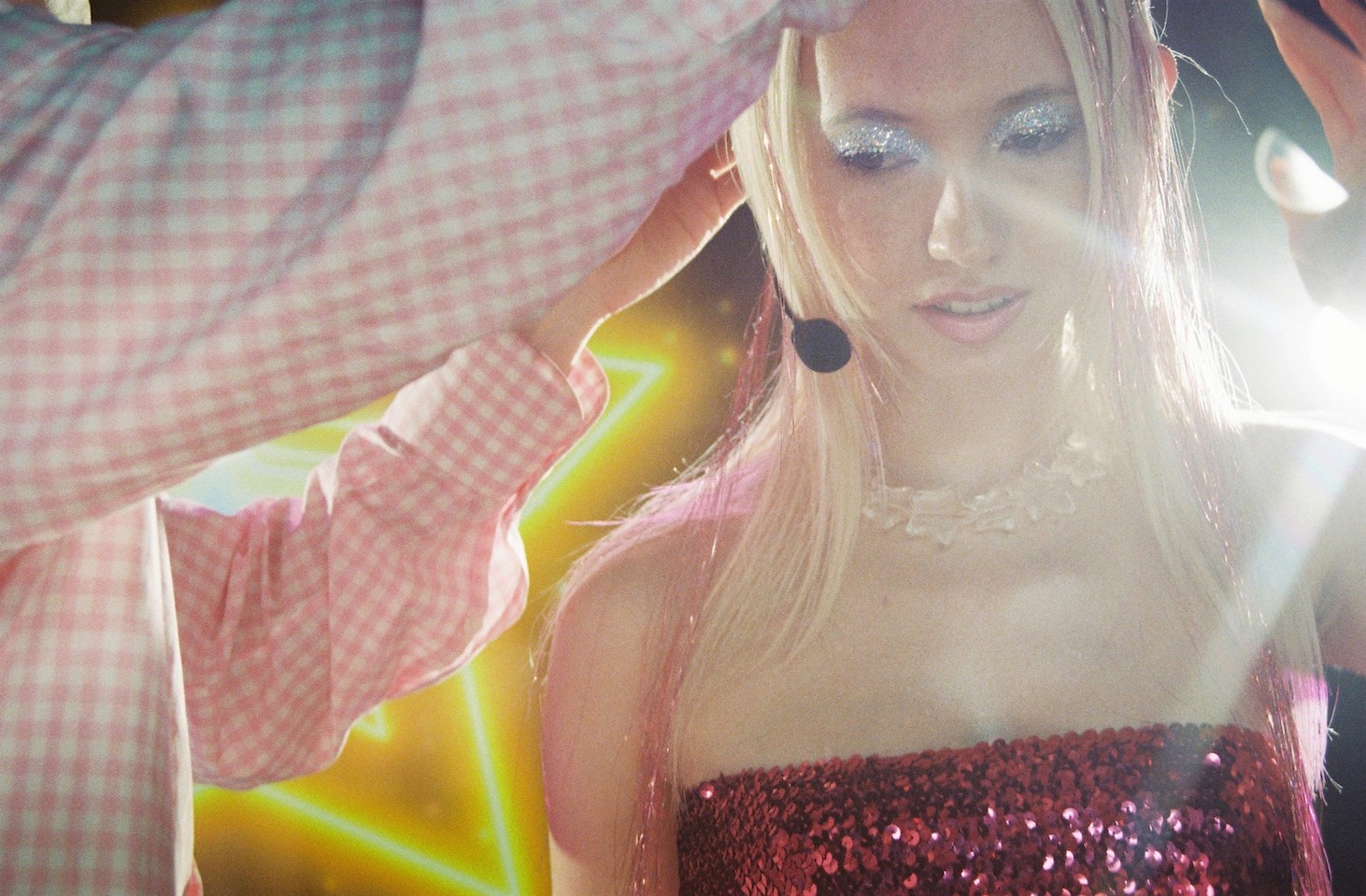
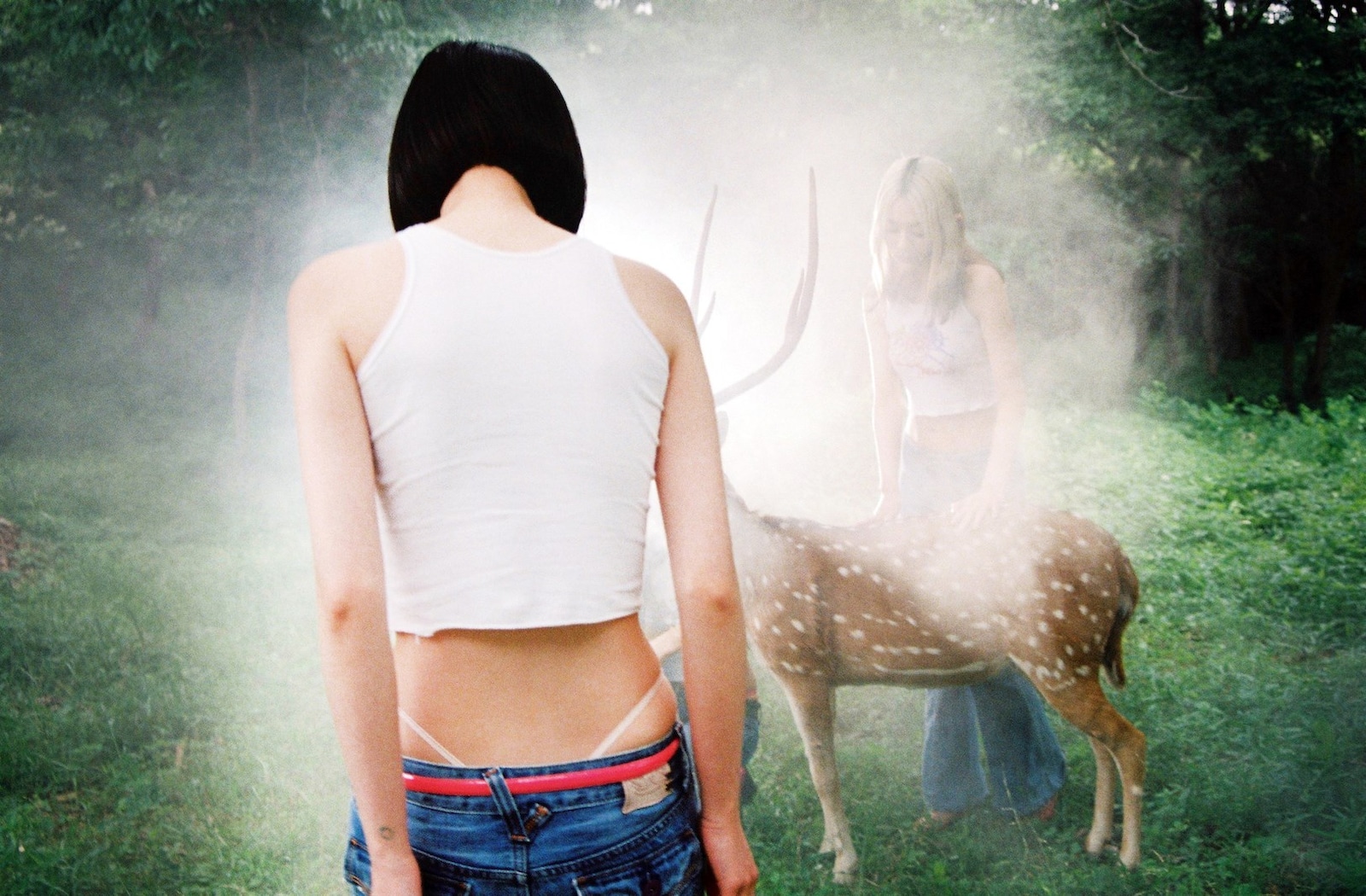
Collins appears on my screen from her sunny home in Los Angeles. We're meeting to discuss Star, her seventh book and third with Rizzoli. Pertinently, given her own place in the spotlight and years spent capturing the women shaping pop culture, it centres around a fictional pop girl group, looking at what happens when devotion tips into something more dangerous. With chapters named after Dido, Britney and The Cardigans songs, its saccharine early pages are charged with the energy of the 2000s without being expressly placed there. The story, however, descends into something much darker; without too many spoilers, there’s a stalker, a mental institution, and roadside bloodshed. Threads of Hiromix, The Virgin Suicides, Larry Clark and Kill Bill are felt in its hallucinatory glitter-strewn pages, but the author of the story is unmistakably Collins. Certainly her most ambitious narrative work to date, she has described it as a rehearsal for her first feature film, and has even created an original score with composer Jake Nadrich to listen to while turning its pages. Evidently, this is what practice looks like when you’re Petra Collins.
Here, the artist speaks about fame, fandom, and why she’s now ready to become a filmmaker.
Orla Brennan: Star is an immersion into a very particular world. What was its starting point?
Petra Collins: I’ve always been very interested in fame, stardom and the life of a pop star. I grew up with gossip magazines in the 2000s. It was a moment in time where all those girls were extremely sexualised and exploited in the media. That was my basis, what a lot of us millennials grew up with.

OB: Despite being a photo book, Star feels like a film. Did you approach it more like directing a feature?
PC: I approached this as a cinematic work, as if I were making a movie. I wanted to take the images in a way where you’re not sure who’s telling the story. It could be Ashley, it could be the fans, it could be the stalker. It could even be the media selling a story. I wanted it to be fantastical and whimsical and dark.
OB: The women in the book have fun but they also suffer. Why was it important to show both states?
PC: To me, it’s quite natural. It’s sort of like the experience of femininity. Obviously there are fun, beautiful aspects of it, but being a woman in the world is very difficult and dark. I kind of have to tell the truth. It sucks.
OB: How does the story explore the dangers of youth and fame?
PC: It draws from the times when I grew up in the early 2000s, where women were so sexualised and so much of creating a desirable image was about looking like a girl. The girls in the book are ambiguous in age – they could be in their teens or their early twenties. That time when you still look like a girl is the most dangerous time to be in the world, I think. Which is disgusting, but it’s true. I’m only going to be honest.
“Film was my first love. It’s been my goal my whole life” – Petra Collins

OB: Today’s pop stars are able to curate their images online, and in some sense, they have more control. Do you think it’s easier or harder for famous women to exist today?
PC: The barrier between fan and star has sort of disintegrated. Anyone can go on the internet and very easily access a pop star. These crazy parasocial relationships are very interesting to me. At least back then, there wasn’t this direct line. When you’re on your phone reading comments, it feels like everyone is screaming at you in the room.
OB: You’ve worked closely with real pop stars – Olivia Rodrigo, Selena Gomez and Charli XCX. What has that taught you about fame and fandom?
PC: Being close to that intensity is so interesting because it is such an unnatural position to be in. I have so much respect for the girls that do it. How do you deal with constantly having this audience, being judged every single day? It’s super unnatural. Plus, we’re in an age where media literacy has disappeared. People are fed so much misinformation and we have no idea what the truth is with AI. It’s scary.
OB: You’ve spoken about this project being a rehearsal for making your debut feature film. Why make a film now, and how has the project informed the story you want to tell?
PC: Film was my first love. It’s been my goal my whole life. Really, I got into photography because it was easier to take one frame and make a story from it. With this book, it was very much like making an indie movie – we had to do it fast, out of order, on a tight budget.
I’ve been shooting fashion work for a really long time, and making a book that is entirely horizontal, as simple as that might sound, was such a great experience. It’s how I started and really feels like a move back to cinema for me.

OB: Was there anything else that felt like new territory with this project?
PC: We made an original soundtrack that scores the book. You can listen to it as you look through the pages. That was another exercise in filmmaking. I work with Jake Nadrich, who does all my scoring and will be doing my movie. We sat down and went page by page: what does this sound like, what do we want the viewer to feel here? I don’t think anyone else has made a soundtrack to look at a book with. It was really fun.
OB: How do you hope the project makes others feel?
PC: I love creating images – it’s so joyous and cathartic. My only hope is for people to experience that when they look at it and listen to it. Just some type of joy and beauty. But I never want to tell anyone what to feel – I want to leave it open.
Star by Petra Collins is published by Rizzoli and is out now.
