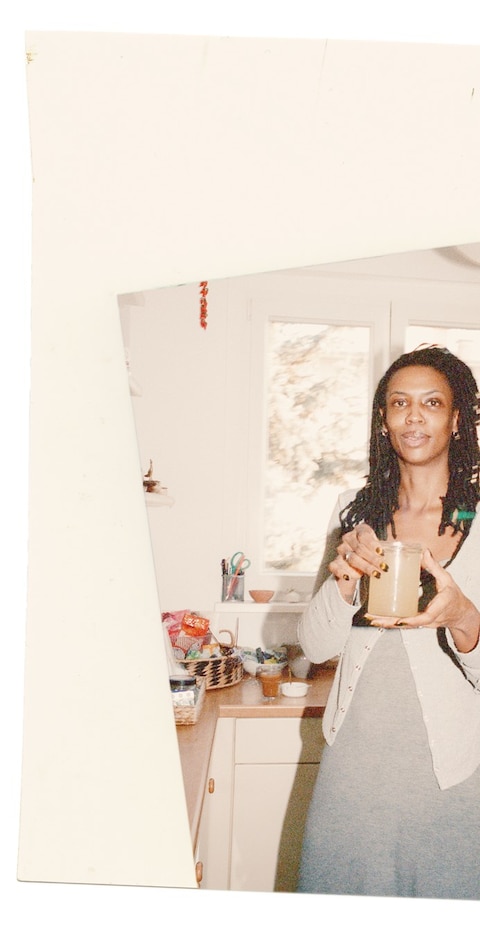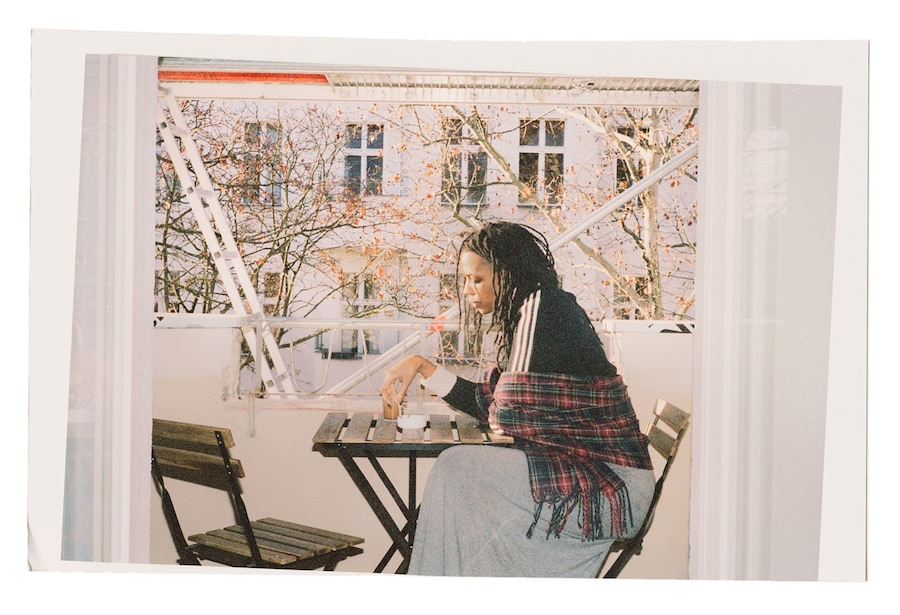
“There’s a need for fiction and fairy tales to keep grounding us and teaching us how to be human to each other,” says the artist, who is currently writing a fairy tale of her own
This story is taken from the Spring/Summer 2026 issue of AnOther Magazine:
“Being a Black woman is strange because I’m carrying these almost fairy-tale-like exaggerations in my own body. When I went to Asia recently, someone said, ‘You look like Beyoncé.’ Another person told me that I look like Mother Nature. I can trace that trail of images and associations back to colonial projects and mass media, but I live in a body where I know those images come before me. It’s almost like this enchanted forest – you might get lost in that ugliness or get taken to a strange, golden realm when you’re mistaken for this kind of mystical being. Travelling between Shanghai and London for work has really stretched the experience of Blackness from fetishism and adoration to super-intense structural exclusion. It’s like being rendered as small as a bug and then as big as a giant. I’m writing a fairy tale right now for a solo show, so I guess that process has been about tapping into those very personal experiences for the surrealisms and fictions they hold already. I realised that we don’t need to reframe existing fairy tales – we just need new stories that provide a practice for transforming, for waking after long sleeps and for weird encounters with witches and warlocks who shackle or chain us. We have to go in search of new quests, figure out new elixirs. I think that is going to be the kind of exaggeration that gets some people through this political and cultural moment. It’s not going to be Captain America or Prince Charming, right?”

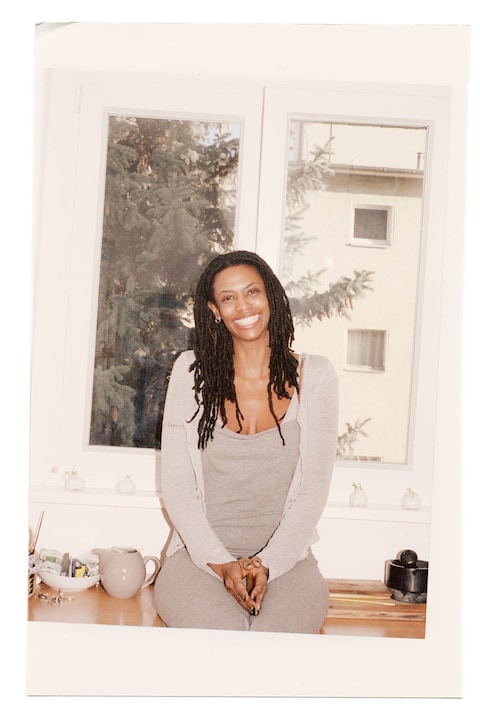
Stories are fundamental to the practice of the artist Kandis Williams. Not just the telling of stories, but their construction, their dissemination and their power to shape how we collectively understand feelings such as harm, guilt, shame, fear and justice. “There’s a need for fiction and fairy tales to keep grounding us and teaching us how to be human to each other,” she says. Born in Baltimore but now based in Berlin, Williams works across collage, film, performance, writing and publishing (via her imprint, Cassandra Press) to unearth the erasure, displacement and commodification of Black bodies and forge a new blueprint for “understanding dignity and Blackness in the same breath”. Her work can be found in the permanent collections of MoMA in New York and the Hammer Museum and Museum of Contemporary Art in Los Angeles.
This story features in the Spring/Summer 2026 issue, marking 25 years of AnOther Magazine, on sale now.