
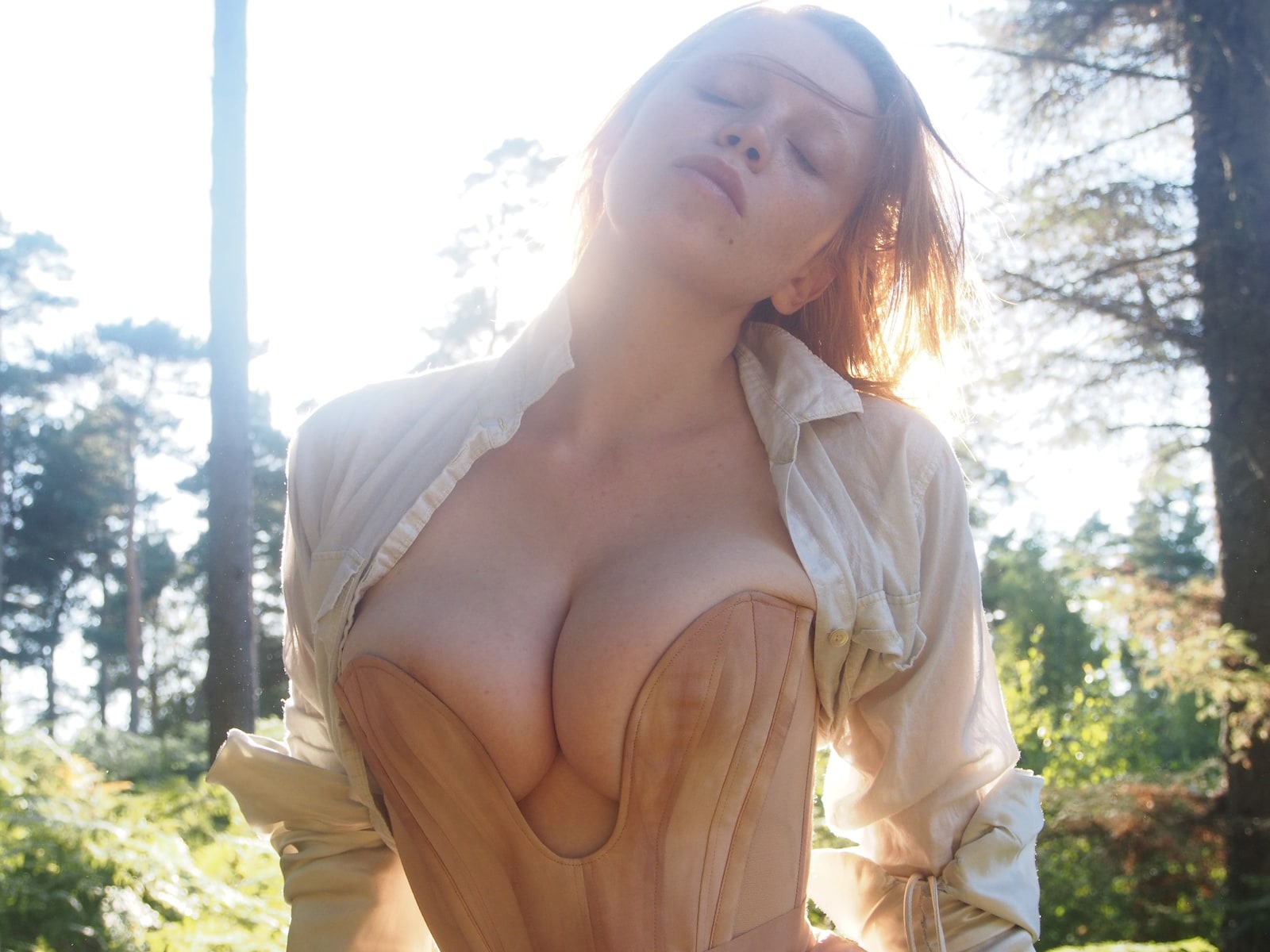
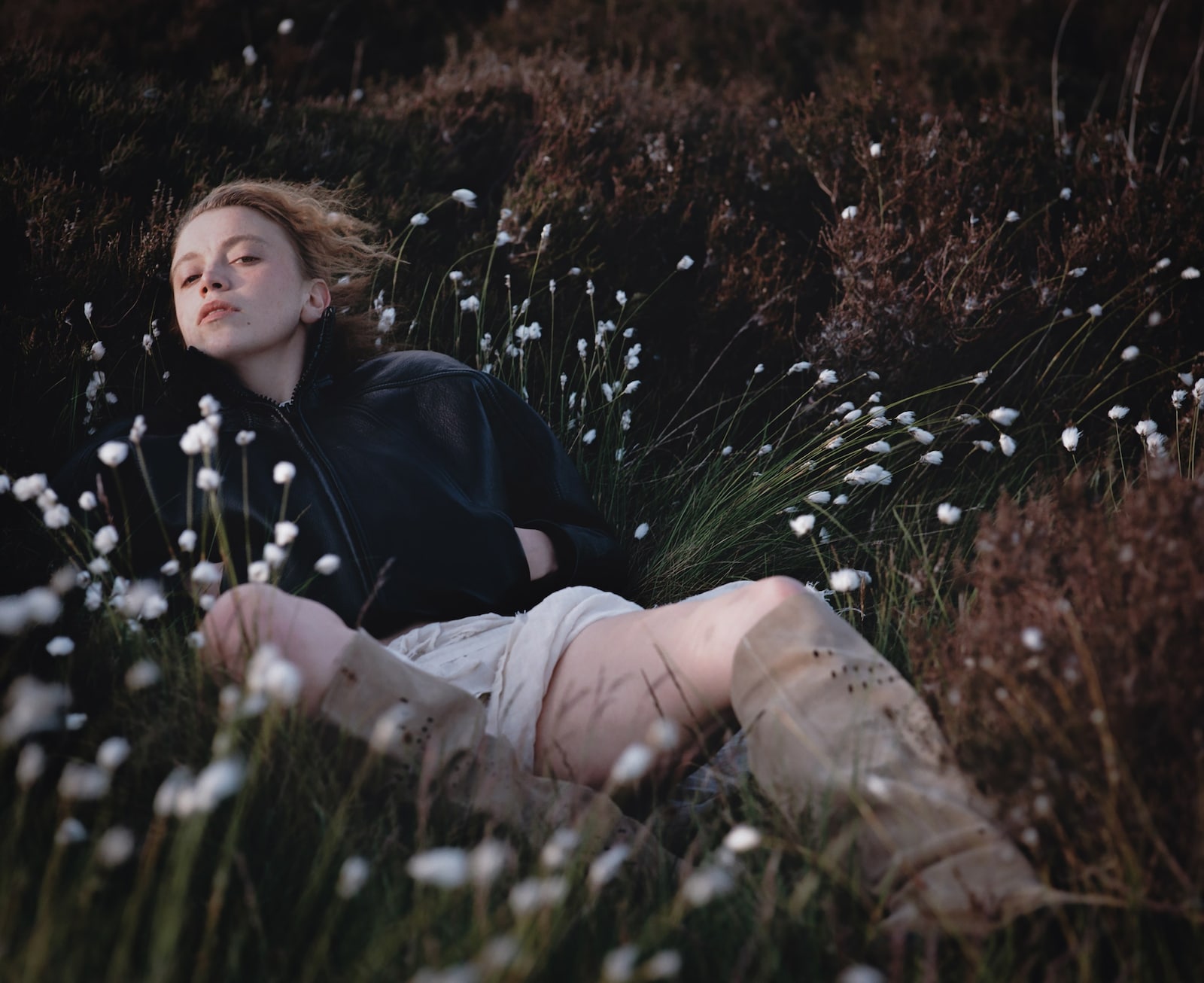
Anna Victoria Best is a British photographer based in Copenhagen. Her latest publication and exhibition, Keka Rocka, is the result of a three-year collaboration with British stylist Lara McGrath. Arguably better known by her Instagram handle, @thegoatdancer, Lara’s distinctive approach to styling, often layering and reinterpreting inexpensive items in the changing rooms of high street stores at Westfield shopping centre, has garnered admiration from industry heavyweights including Nick Knight and Purple magazine.
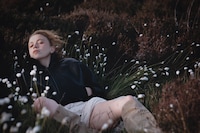
I interviewed the pair in the basement gallery of Village Books in Manchester as they set up a life drawing class surrounded by photographic prints displayed on metal structures fabricated with the support of Best’s father. That afternoon, McGrath modelled a series of poses from the book, with participants encouraged to insert their sketches into the publication to create a one-off edition.
Adam Murray: We’re in Manchester, so let’s begin with your connection to the north of England and why you both wanted to do this event here?
Lara McGrath: I grew up in Bolton, which didn’t have the most vibrant fashion scene, so from a young age, I spent most of my free time in Manchester, usually in the Northern Quarter or on Oldham Street, where we are now.
AM: How do you feel those teenage years informed or developed your awareness of fashion and style?
LM: When I was younger, I never thought that I would develop a career in the creative industries, so it was eye-opening to come into a bigger city where people had slightly broader ideas of what is acceptable to wear. Places like Affleck’s Palace were very formative environments.

AM: What role did Affleck’s Palace play in your early engagement with fashion?
LM: I worked in two small stores in Affleck’s when I was a teenager, but even before this, it had a ‘Mecca’ vibe for my friends and me. We would go every weekend, make badges, make our own jewellery, go through all the different stores being like, “Oh, should we get this piece?” One stallholder handmade corsets that were very different to anything I was wearing at the time, but I remember buying one. That experience summarised the liberal energy of the place.
AM: Anna, this project was shot at your farmhouse in Northumberland. What is your relationship with that region?
Anna Victoria Best: I grew up on a farm in north east England, then moved to Newcastle, finally settling in London where I lived for ten years. During the pandemic my partner and I wanted a break from city life, so we decided to rent this remote farmhouse. We had planned to live there for a few months but ended up staying for four years. Returning to a similar environment to where I grew up completed a kind of personal cycle.
AM: The introduction to the book uses distinctive language, such as “liberating, unguarded, freedom.” Did you feel like you were both rejecting something or needed to escape?
AVB: I felt like I had fallen into a repetitive professional routine where creative interests had become commercial obligations, like my eyes were working, but I couldn’t see. I needed to take a step back.
LM: I had this constant self-criticism, worrying about not booking enough jobs. Will I ever make anything good? Will I develop a career? This project was a reminder that the reason I do this work is that it does come naturally, and it can be joyful. I would get the train with a few suitcases of clothes, then Anna and I would go into her garden and just have fun.

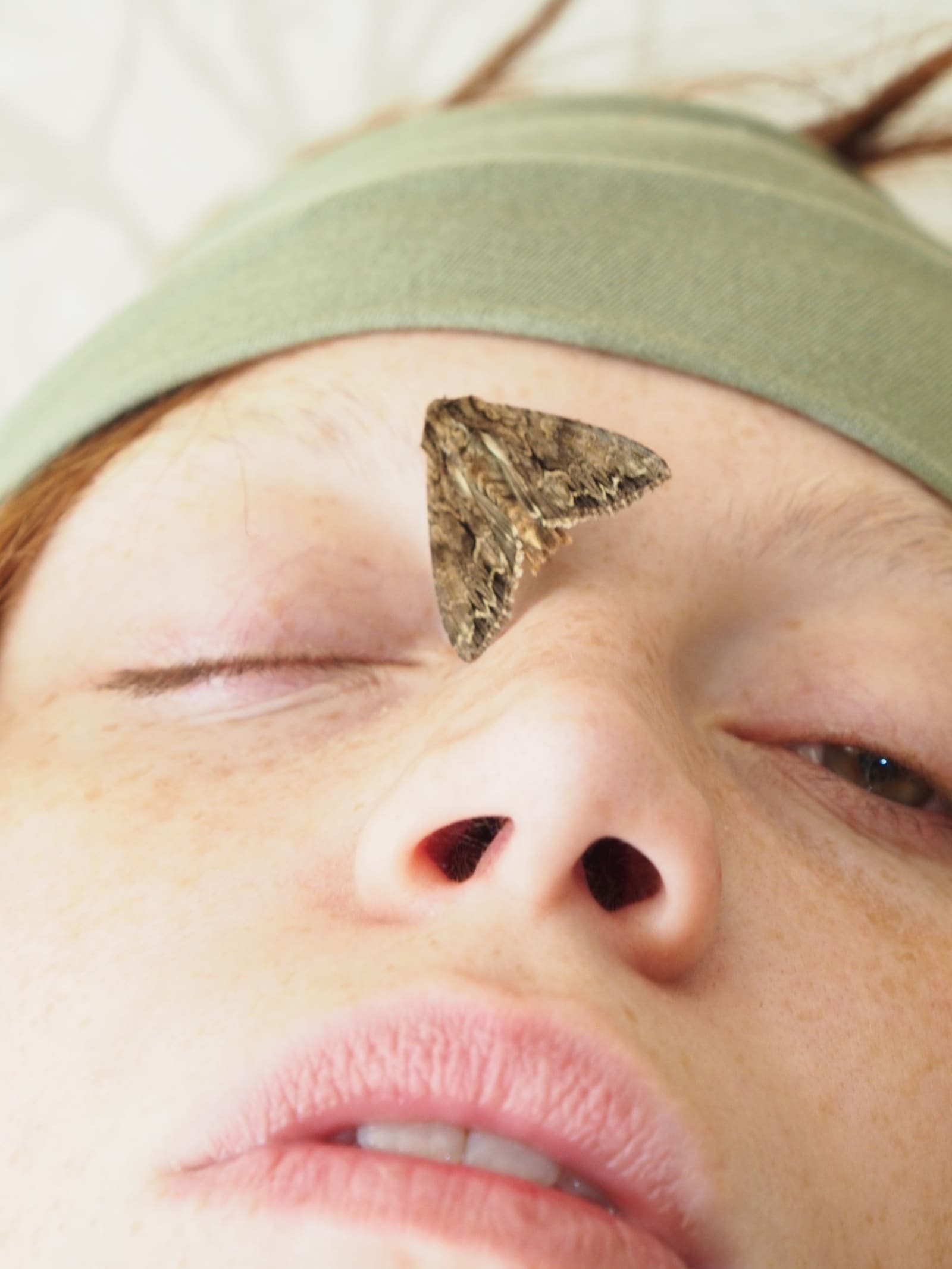
AM: In the book, you describe Lara as your muse. Why is that?
AVB: I get inspired by her freeness. Lara has this inner confidence, which comes out in her posing, her gait, and the way she challenges the conventions of how to wear clothing.
“This project was a reminder that the reason I do this work is that it does come naturally, and it can be joyful” – Lara McGrath
AM: Lara, your well-known Instagram account @thegoatdancerfittingrooms documents self-portraits shot using your phone and mirrors in the changing rooms of high street stores. Have you always had this interest in self-portraiture?
LM: My mum documented our childhood well – we have about 70 photo albums in the living room all in chronological order, so photography was always part of my life. It’s slightly cancelled now, but when I was younger, I was obsessed with America’s Next Top Model. I would think about how I could recreate the shoot that they did in the show each week at home. I’d buy big sheets from the fabric shop on my street, set up a backdrop on my parents’ wardrobe and borrow the family camera. It sounds self-indulgent, I really did enjoy taking pictures of myself, but it was always about the whole scene, the outfit, the backdrop, the edit.

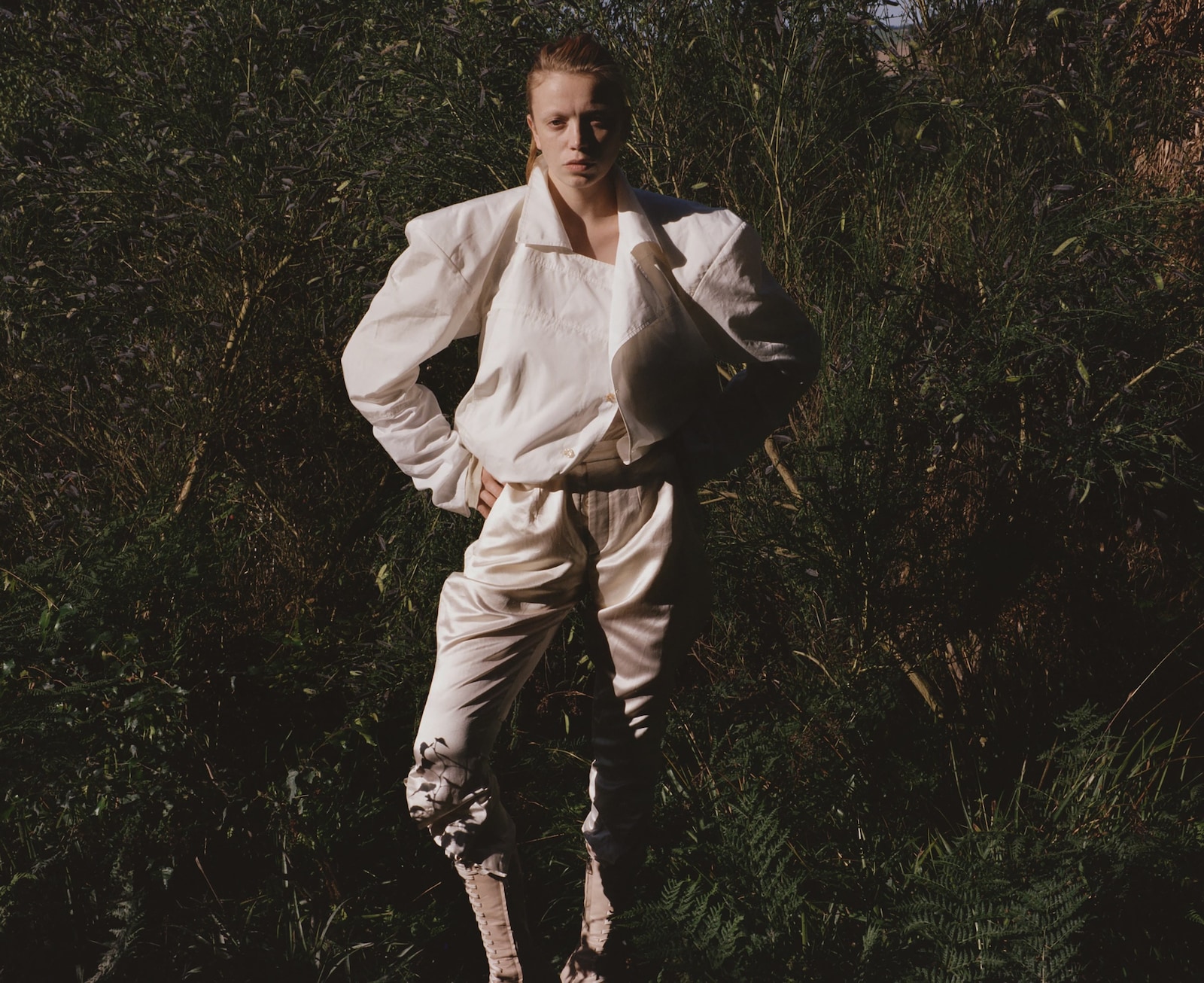
AM: How does collaborating with a photographer change your work?
LM: Self-portraiture began largely out of convenience; I was always available as a model and could experiment freely. However, collaboration introduced an element of trust. I prefer to work with photographers who respect and trust my creative instincts while also bringing their own perspective. In Anna’s case, there is a mutual trust. The project originally started as a single shoot, but after seeing the results, we decided to expand it into a book and exhibition. I have experience of modelling before I moved on to styling, and often it can be quite reductive; there is a removal of the human aspect. For me, Anna’s work has a very human element to it.
Keka Rocka by Anna Victoria Best and Lara McGrath is published by AVB Editions and is out now. An accompanying exhibition is on show at Village Books in Manchester until March 21.
